
Just last year, nearly 43,000 shoplifting incidents were reported in stores. At the same time, the real number is likely much higher since many no longer report thefts as it rarely leads to any consequences. Now the police have developed a new concept they hope will combat the problem more effectively.
The Swedish National Council for Crime Prevention (Brå) describes shoplifting as a major issue for the retail trade, both as a workplace safety concern for employees and due to significant financial losses. The total value of thefts in the retail sector amounts to several billion kronor each year, and around 50,000 shop thefts are reported to the police annually. However, the high number of unreported cases makes it difficult to assess the exact scope.
About 22,000 reported shop thefts per year are solved, meaning a suspect can be linked to the crime and prosecution is initiated. Approximately 65 percent of those suspected are men, with the remaining being women. The most common penalties are fines and penal orders, but prison is also possible under the sentencing range.
One of the municipalities facing problems with thefts of items such as coffee and beef is Jönköping. To counter the thefts, the police are working with the ‘Safe in Store’ concept, which is a collaboration between the police and stores to prevent crime. This includes measures such as placing high-value goods in places with extra good supervision and having store staff frequently move around nearby.
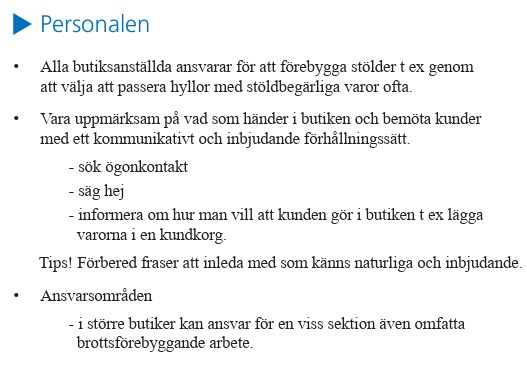
This can also mean seeking eye contact and greeting customers.
– The most important thing is to have calm and confident staff who know how to act, says Albin Pettersson from the police in Jönköping to public television.
The ‘Safe in Store’ concept was started by the Södermalm police in Stockholm with the aim that shop staff and security personnel should think and work preventively against crime, reduce shrinkage, and increase workplace safety. This means that the police maintain a dialogue with store managers, staff, and security companies about how they can work and design stores to reduce incentives for committing crimes. It is then up to the shop owner to actively work to prevent thefts, for example by storing high-risk items behind the counter.