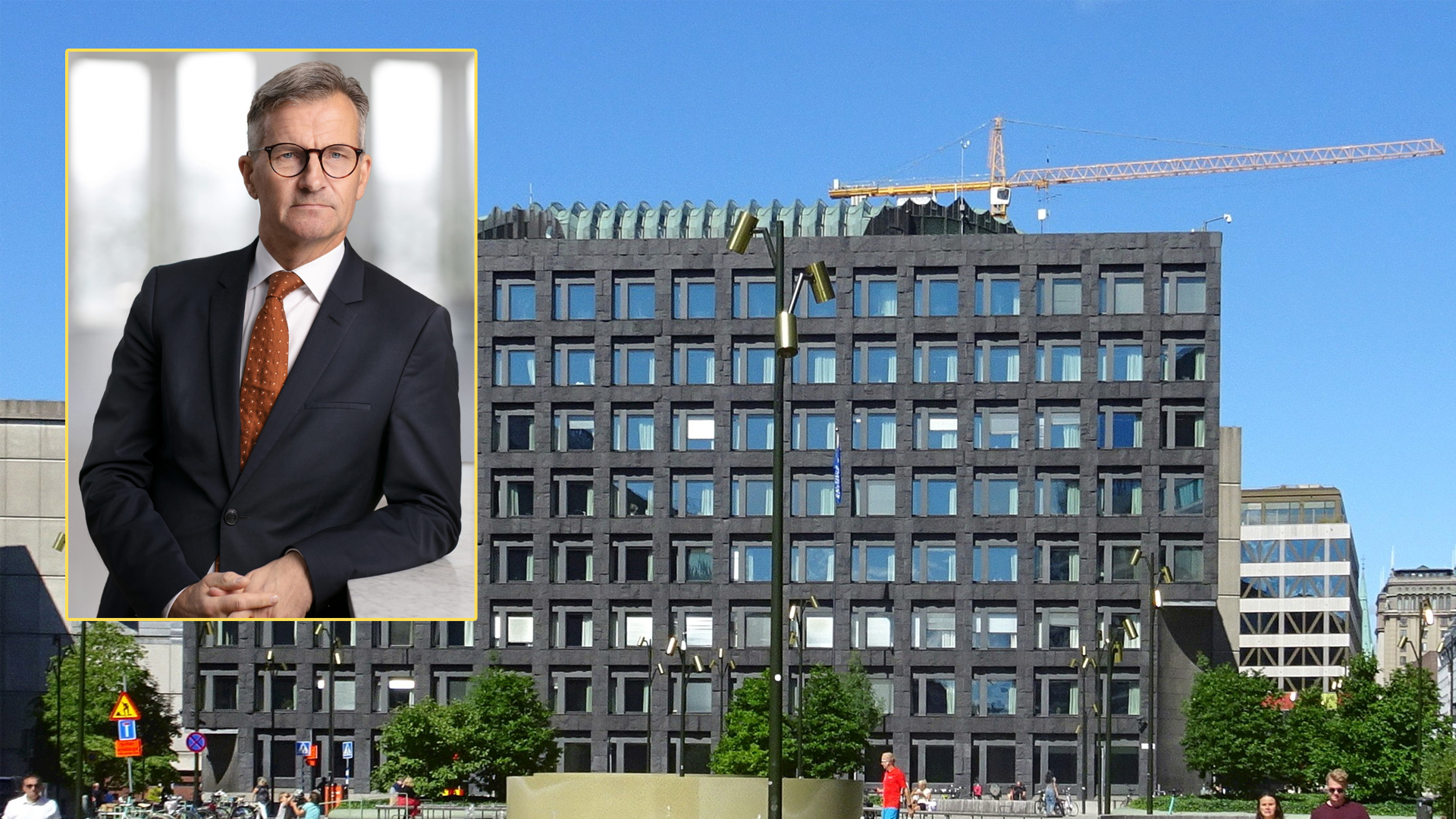
The Riksbank is leaving the policy rate unchanged at 1.75 percent. However, the central bank is raising its outlook for future rate levels and now estimates that the rate may need to be increased more than previously expected.
According to the Riksbank’s announcement, the economic outlook has improved, even as risks from international supply disruptions persist. If developments follow the new forecast, rate hikes are expected to begin as early as 2026. The policy rate has stood at 1.75 percent since September 2025.
What makes the situation unusual is that Swedish inflation is still far below the Riksbank’s target of two percent.
In August, inflation according to KPIF was just 0.7 percent, according to Statistics Sweden (SCB). KPIF excluding energy stood at 0.5 percent, while headline CPI inflation came in at 0.3 percent.
Falling Food Prices
Food prices fell by 6.6 percent compared to August the previous year, significantly contributing to reducing inflation. At the same time, electricity, fuel, rents, and package holidays, among others, became more expensive. The Riksbank’s challenge is that today’s low inflation does not necessarily tell the full story of where price trends are heading.
The central bank highlights, for example, that the economy has grown stronger and that disruptions in global markets still risk creating renewed inflationary pressures.
The Economy Is Growing – but Unevenly
The picture of Swedish growth is also mixed. Sweden’s GDP fell by 0.8 percent in July compared to June, according to the preliminary GDP indicator from SCB, marking the second consecutive month of declining economic activity.
However, compared to July 2025, GDP was 2.5 percent higher. SCB also notes that annual growth still clearly exceeds the historic average of the past decade. This means the economy has lost momentum after strong development earlier in the year but cannot yet be described as weak from a longer-term perspective.
More People Employed – Unemployment Remains High
The labor market is also showing mixed signals. In August, 5.42 million people were employed—103,000 more than a year earlier, according to SCB’s labor force survey.
At the same time, 505,000 people were unemployed. The unadjusted unemployment rate was 8.5 percent, while the seasonally adjusted and smoothed figure was 8.7 percent.
However, SCB points to positive signs. Employment is rising, and the number of long-term unemployed has decreased by 36,000 compared to the same month last year.
A New Picture for Interest Rates
Today’s announcement not only means the rate remains unchanged, but it is also significant that the Riksbank is changing its outlook for what lies ahead.
In August, the central bank was content to state that the likelihood of a rate hike later in the year remained. Now, the Riksbank writes that the policy rate likely needs to be raised more in the future than estimated in June, and that rate hikes, if the forecast holds, are expected to start as soon as this year, which is a clearer tightening signal.
For households with mortgages, Thursday’s announcement means that there will be no immediate rate increase—but for those hoping for persistently low rates, the outlook has become less favorable.
The Riksbank appears, increasingly, to be looking beyond today’s very low inflation and focusing on the risk that a stronger economy and new cost increases will once again push up prices.