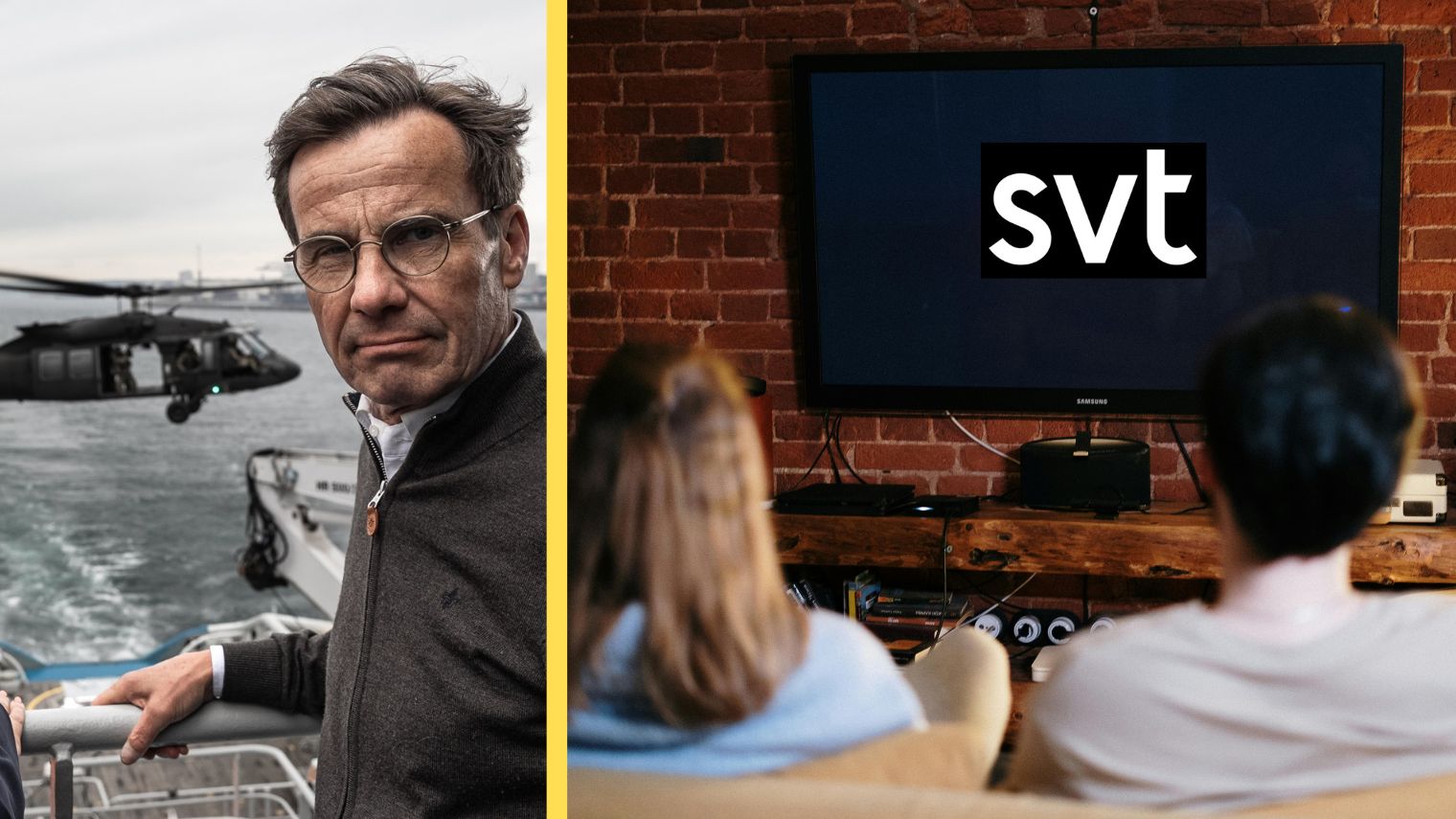
This week, Sweden is hosting a NATO meeting in Helsingborg where several international leaders have gathered for talks on security and defense. On Thursday, Prime Minister Ulf Kristersson and NATO Secretary General Mark Rutte visited the Swedish Civil Contingencies Agency in Revinge, Skåne. At a press briefing, Kristersson emphasized the serious security situation and stressed that Swedes already have a responsibility to prepare at home – something the Prime Minister says also includes resisting psychological warfare and disinformation.
The visit to Revinge took place just hours before NATO’s foreign ministers gathered in Helsingborg for meetings ahead of the summit later this summer. Questions about support for Ukraine, Europe’s defense capabilities, and the US military presence in Europe are expected to top the agenda.
When NATO Secretary General Mark Rutte visited the training area in Revinge together with Prime Minister Ulf Kristersson, they were met with a realistic disaster scenario. On site, they were shown how Swedish rescue personnel work following a simulated missile attack, with injured actors, smoke and destroyed buildings as scenery.
READ ALSO: The government demands to be able to launch NATO operations – without parliament
The exercise was arranged to demonstrate how the Swedish civil defense functions in a crisis situation. After the walkthrough, Rutte praised the Swedish model where civilian society and the military work together within the framework of total defense.
– Sweden shows that the whole of society must be prepared in today’s security climate, said the NATO chief.
Throughout the day, support for Ukraine and NATO’s future defense efforts were also discussed. Kristersson pointed out that Sweden continues to expand both its military and civil defense, including by adding more training slots for civilians in emergency services.
A key issue ahead of this summer’s NATO summit in Ankara is member states’ defense spending. NATO has set a target for countries to spend a combined equivalent of 5 percent of GDP on defense-related initiatives.
READ ALSO: NATO crisis meeting: US weapons starting to run out
Of this, 3.5 percent should go to military defense and the remaining part to civil defense and preparedness. Sweden expects to reach this target as early as 2030, which is ahead of the schedule previously outlined by NATO.
NATO chief Mark Rutte welcomed the announcement from Ulf Kristersson and expressed hope that more member states will accelerate their defense investments.
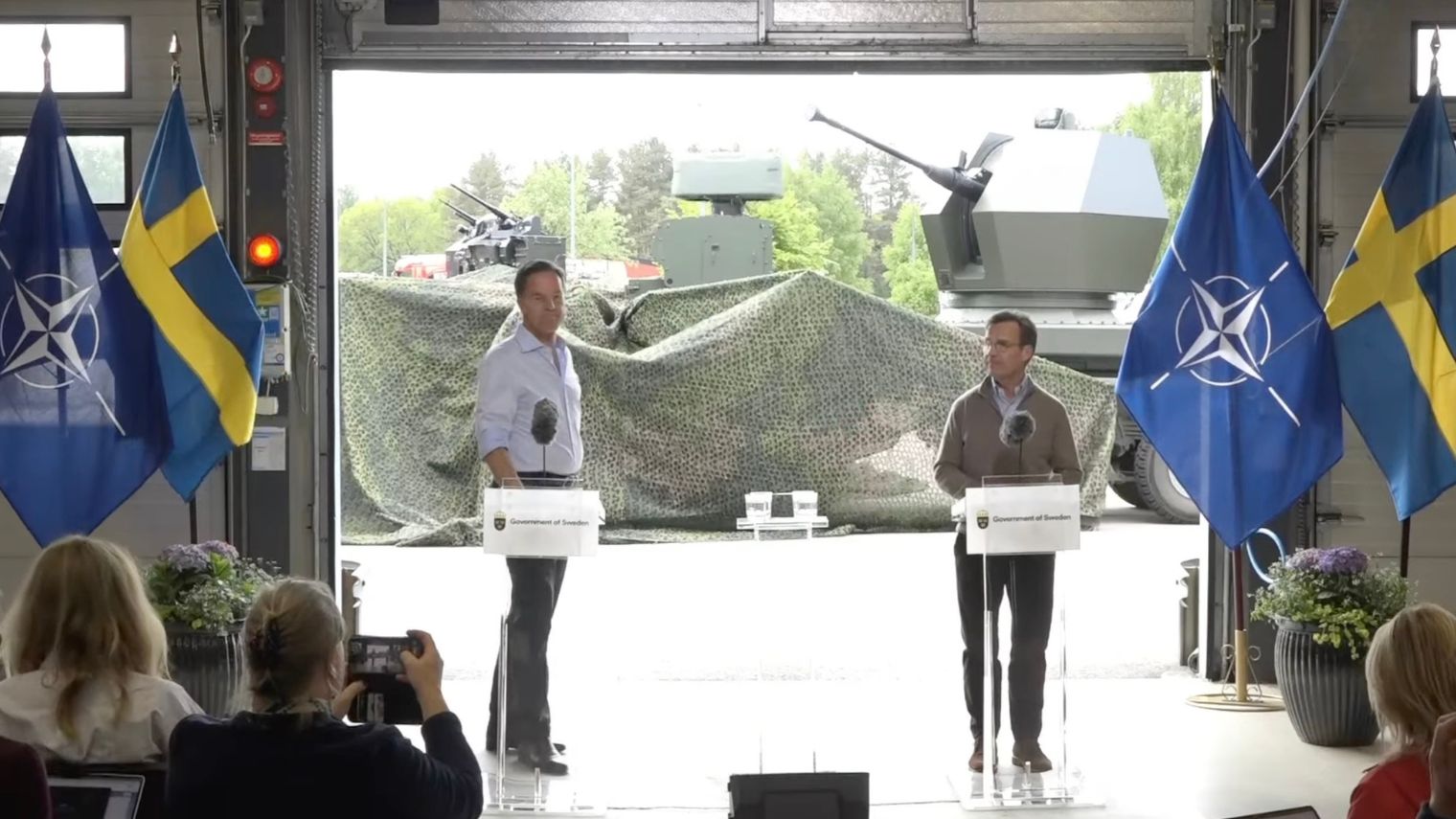
At the press conference, Rutte also highlighted Sweden’s efforts against the so-called Russian shadow fleet – ships used to circumvent EU sanctions and to continue trading their goods with countries of their own choosing – something they are of course allowed to do, but not according to the EU.
READ ALSO: Zelensky’s new demand: EU must ban Russian merchant vessels in the Baltic Sea
Rutte also emphasized that support for Ukraine remains crucial and urged more NATO countries to contribute financially and militarily.
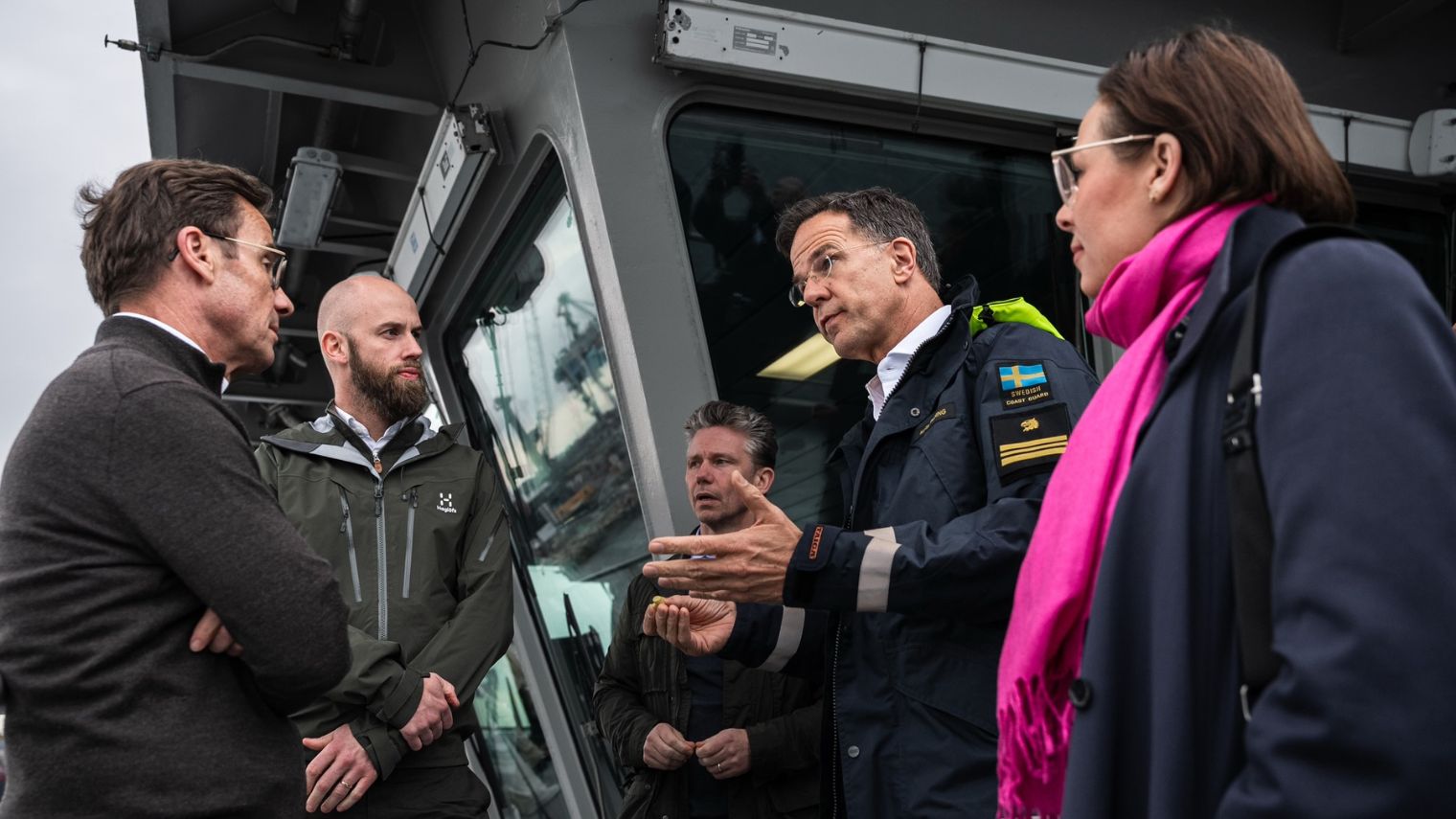
In recent months, the US, led by President Donald Trump, has on several occasions signaled a desire to reduce the American military presence in Europe. This has raised questions about NATO cohesion and about the US’s long-term commitment to the alliance’s defense guarantees in the event of an attack on member countries.
READ ALSO: Trump: NATO countries must help in Iran – or a very bad future awaits
However, NATO Secretary General Mark Rutte downplayed concerns that there would be some sort of split within the alliance.
– We are democracies and we discuss a lot, but in the end we usually find common solutions, said the NATO chief.
Ukrainian drones in the Baltics
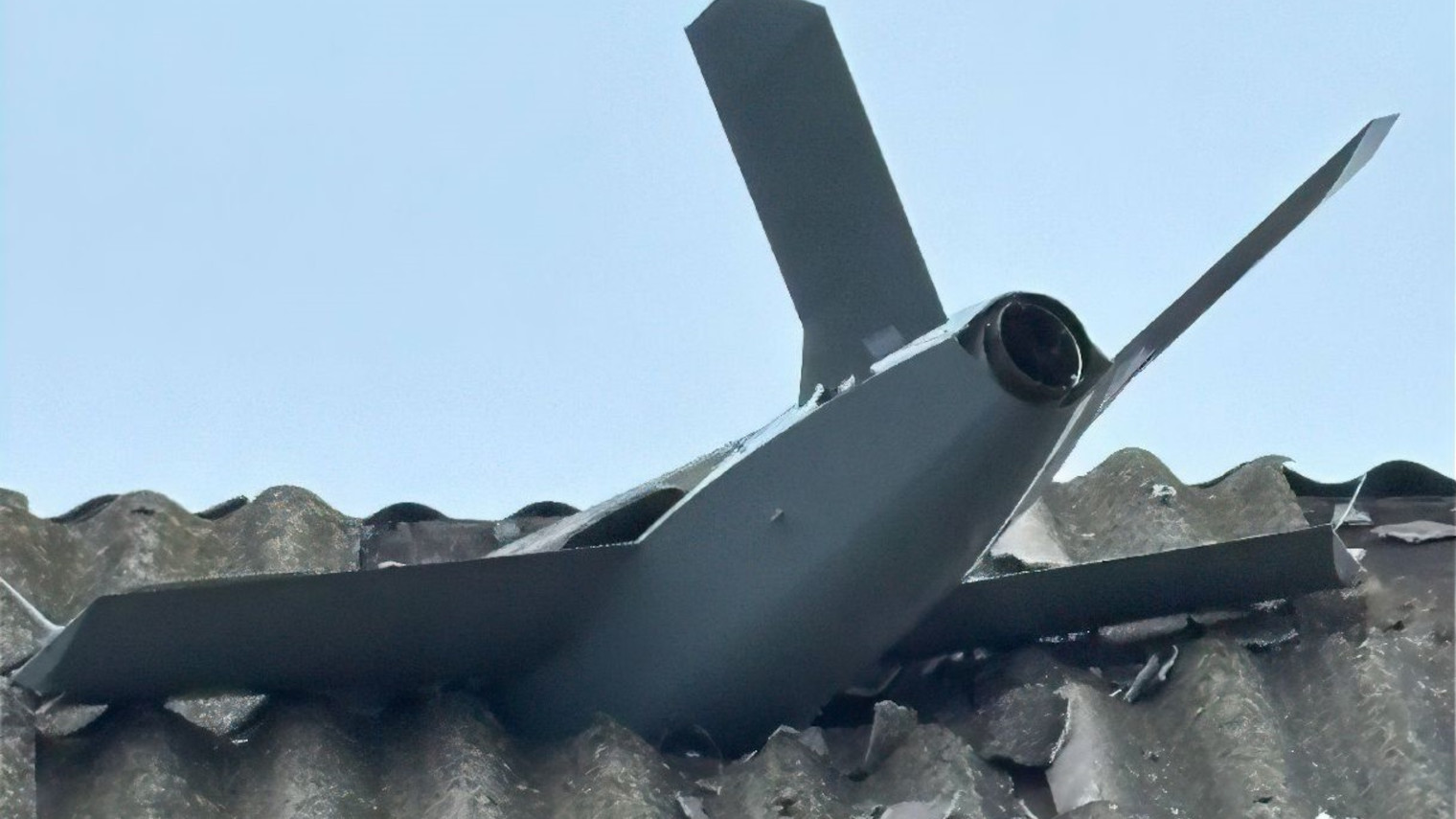
Prime Minister Ulf Kristersson believes that Ukrainian drones that have crashed in the Baltics and Finland may have been affected by Russian jamming equipment, causing them to lose their course and land in other countries.
Both Kristersson and NATO Secretary General Mark Rutte emphasized that, according to them, Russia is using various methods to create unrest and uncertainty in Europe.
READ ALSO: Baltics: Ukraine may not attack Russia from our countries
At the same time, Kristersson stressed the importance of continued support for Ukraine, especially in the ongoing drone war where, according to him, Russia uses electronic jamming systems to force Ukrainian drones to leave their intended airspace.
This has in some cases resulted in drones crashing or landing in NATO countries. Kristersson therefore emphasized the importance of helping Ukraine counteract this interference so the drones can stay on course and reach their intended targets.
READ ALSO: Latvia’s government collapses – after Ukrainian drones
– I am convinced that the Ukrainians definitely do not want their drones to end up on friendly territory, for obvious reasons. Sometimes it is about jamming, and sometimes about other types of disruptions. Of course they don’t want this to happen because it can cause damage and create fear, said Kristersson, and continued:
– I also think it is important to understand Russia’s desire to give the impression that other countries are doing things that are not legitimate. We should not buy into the Russian narrative in this matter, but instead help Ukraine as much as we can to ensure their attacks are aimed in the right direction.
The Prime Minister: Swedes should prepare at home
At the press conference, Ulf Kristersson also stressed that Sweden is investing in a stronger civil defense and that the responsibility for the country’s preparedness does not lie solely with the Armed Forces, but also with households across the country.
– Sweden’s citizens are also expected to take civil responsibility through preparedness at home as well as be aware of their role in crises and war. It also includes a strong psychological defense, said Kristersson.
READ ALSO: Sweden attacks first in a NATO–Russia war
According to Kristersson, resilience against disinformation is built collectively through increased responsibility in society.
The Prime Minister specifically urged the Swedish people to “double check if other media report the same thing” – a line of reasoning that critics have interpreted as meaning that information is only credible when confirmed by state or established left-liberal media outlets.
Sometimes news can be a little too good – or maybe a little too bad – to be true. Think twice before sharing news if it comes from a source you are not familiar with. And before you explode in anger and write angry comments on social media – double check if other media are reporting the same thing. Listen to Swedish authorities and remember that you can find correct information about the election at val.se.
– The Prime Minister’s opinion piece in DN, February 6, 2026.
READ ALSO: Authorities after media alarm: Sweden is not a main target for Russian influence
See the press briefing with the Prime Minister and the NATO Secretary General here: