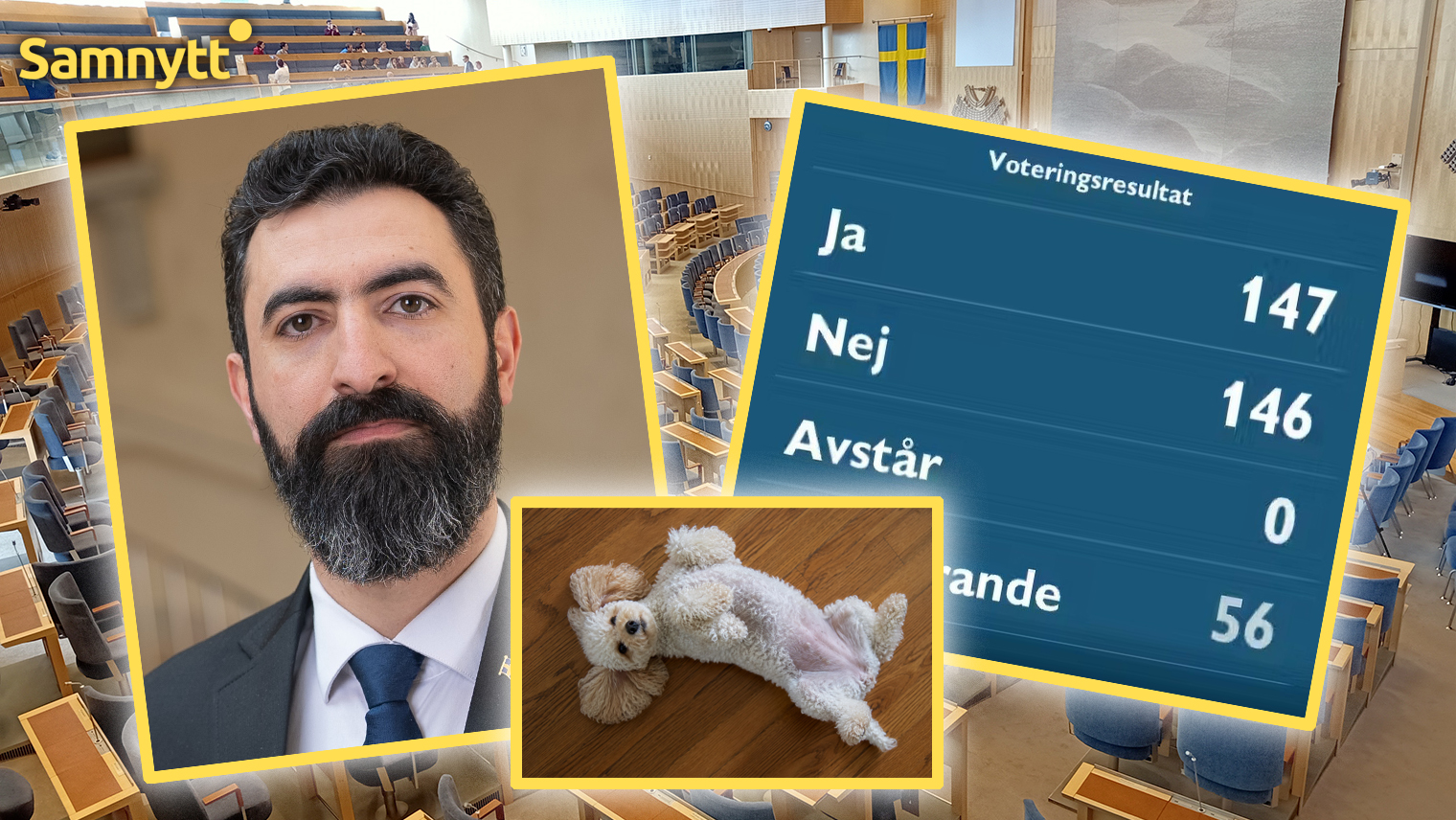
Sverigedemokrat (Sweden Democrat) MP Rashid Farivar is now distancing himself from the much-publicized pairing coup in parliament on April 29, when two paired-out SD MPs were called in to secure the government’s victory in the vote on tightened citizenship requirements after two independent MPs with SD mandates announced they would vote against the party.
In an opinion piece in Dagens Nyheter, Farivar publicly apologizes for his role in the incident and notes that the opposition’s line actually should have won if the pairing system had worked as intended, something he believes is more important than upholding the parliamentary order in this particular vote.
“Had all 349 MPs been present on April 29, the opposition’s proposal would have won by a single vote,” he writes.
Farivar describes his party’s actions as formally permissible but fundamentally wrong. According to him, the pairing system was manipulated to create a different outcome than what the actual balance of power in parliament pointed to that day.
80,000 citizenships at stake
The controversial vote concerned the opposition’s demand for transitional provisions in the government’s new citizenship law. The opposition wanted people who had already submitted applications for Swedish citizenship to be assessed according to the old rules, which could have resulted in 80,000 people who do not qualify still being granted citizenship.
READ ALSO: SD defectors betrayed their old party – tried to stop stricter citizenship requirements
That proposal was defeated by 147–146 after two SD MPs, despite previous pairing, participated in the vote. The background was that two former SD MPs and now independents, Elsa Widding and Katja Nyberg, voted against the government and their former party’s line together with the opposition.
The pairing system more important than policy wins
In his opinion piece, Farivar emphasizes that he still believes the government’s policy line was correct and that the opposition’s proposal in fact should have been rejected, as it was. His criticism is purely about the method – that the opposition’s proposal, despite being wrong, should have been approved in the vote.
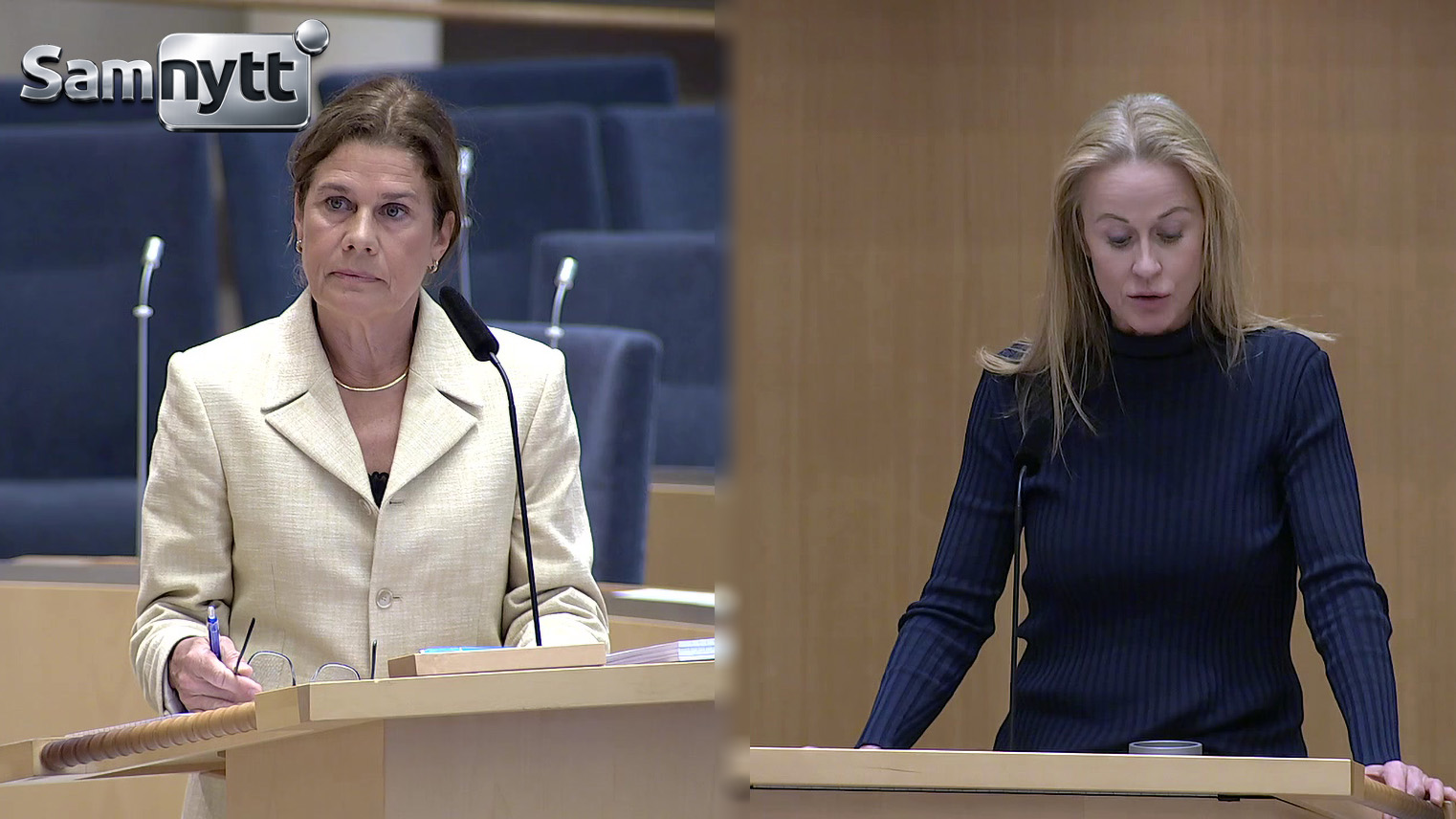
He argues that the pairing system is based on mutual trust and is intended to ensure that the result reflects how the Riksdag would have voted if all MPs had been present. Therefore, according to Farivar, the opposition and the independents should have won the vote given the prevailing balance of power.
READ ALSO: Ekeroth: “SD stands up for democracy”
Farivar also warns that short-term parliamentary gains risk damaging trust in parliament’s working methods. He describes it as irresponsible to jeopardize the entire pairing system for a single vote.
SD continues to defend its actions
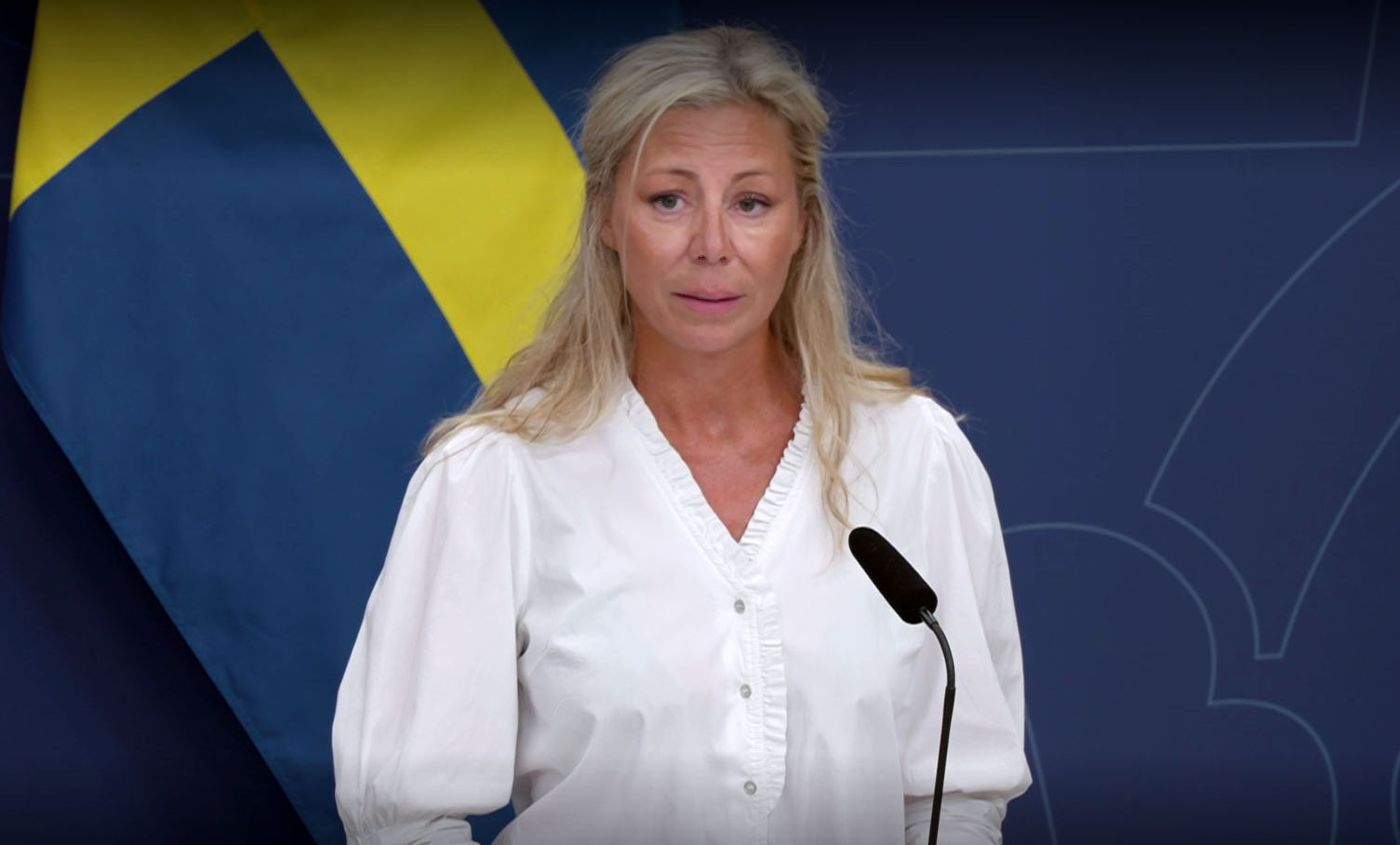
At the same time, the Sweden Democrats’ leadership continues to defend its actions. Group leader Linda Lindberg has rejected demands for an apology and claimed that the party acted to protect voters’ mandates and the majority that the Tidö parties received in the 2022 election.
The line of argument from the SD and party-affiliated opinion-makers has been that the pairing system can never outweigh the will of the people. Since Widding and Nyberg were elected on SD tickets but later left the party, it is considered more undemocratic to let their defections change the balance of power in parliament.
READ ALSO: Dagerlind: The minor coup that restored the larger order
From the SD side, it has also been pointed out that the pairing system is only an informal practice and not part of the constitution. Critics within the party’s sphere argue that the real democratic problem is instead the system with political wildcards, where MPs can leave their parties but keep their mandates and thus change parliamentary majorities without a new election.
The pairing crisis has since led to entrenched positions between the parties and a sharp decline in trust regarding the parliament’s working methods.