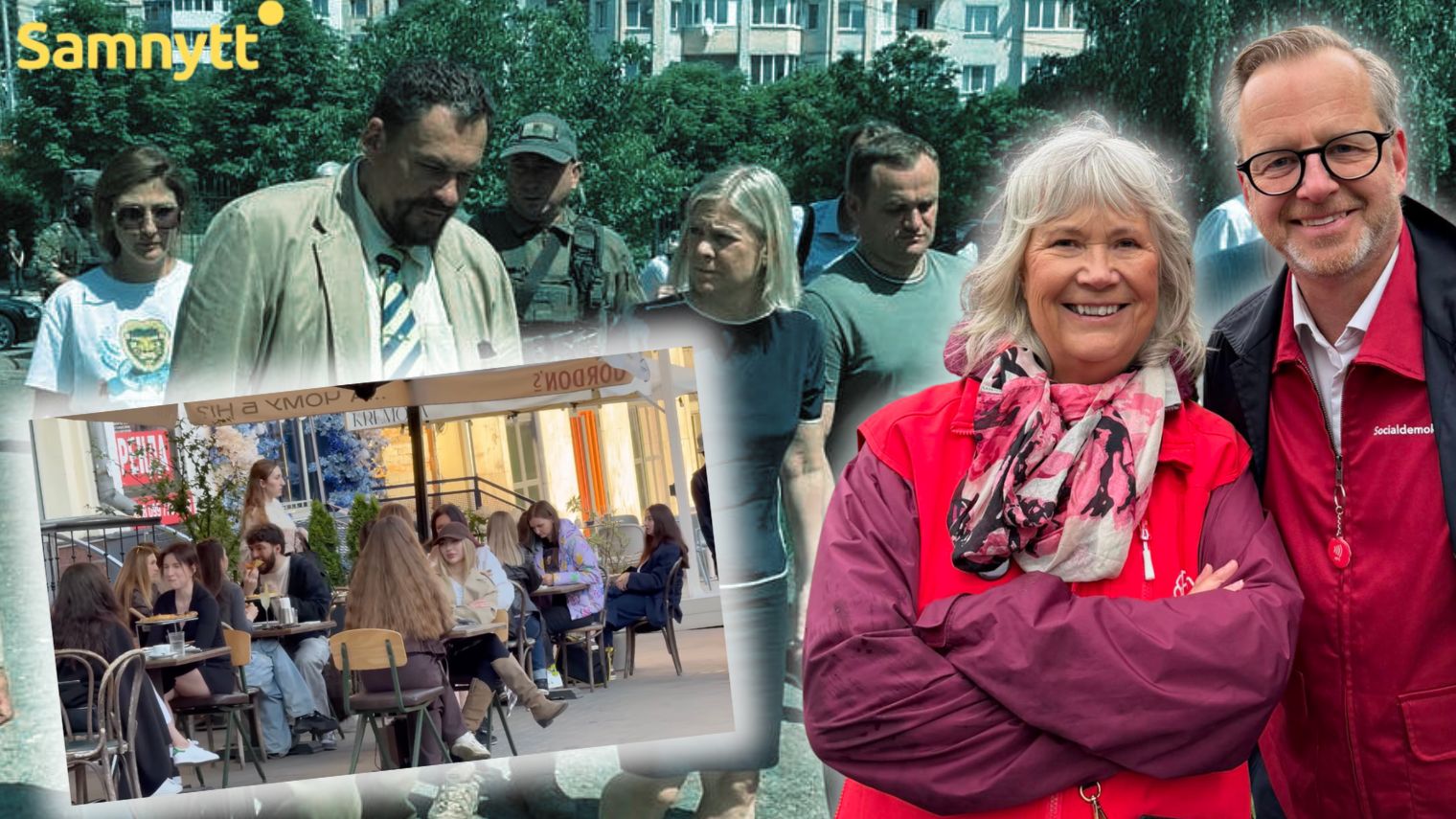
The moderate-led Lidingö municipality in Stockholm County has sent a clear message to Ukrainian refugees living in municipal housing. When their contracts expire this autumn, they will need to find other solutions and are also encouraged to consider returning to Ukraine. The announcement has sparked outrage among the Social Democrats, and establishment media have intervened to imply that Ukraine cannot be considered safe. At the same time, video clips from western and central parts of the country show that everyday life continues relatively normally, while conflict researchers point out that the war is mainly concentrated on the front lines and the number of civilian casualties has been comparatively low compared to other modern wars.
The war in Ukraine has now entered its fifth year. Recently, the EU approved a comprehensive aid package and loans worth around SEK 1 trillion to strengthen Ukraine’s state finances and military capacity. The Swedish government’s website states that so far Sweden has contributed support to Ukraine equivalent to about SEK 128 billion.
In addition to substantial support from EU and NATO countries, many Ukrainian citizens have also sought refuge in neighboring countries. During the first year of the war, the EU registered about 16 million entries from Ukraine. According to former EU Commissioner for Home Affairs Ylva Johansson, about 11 million people had returned to Ukraine again during 2022 and 2023.
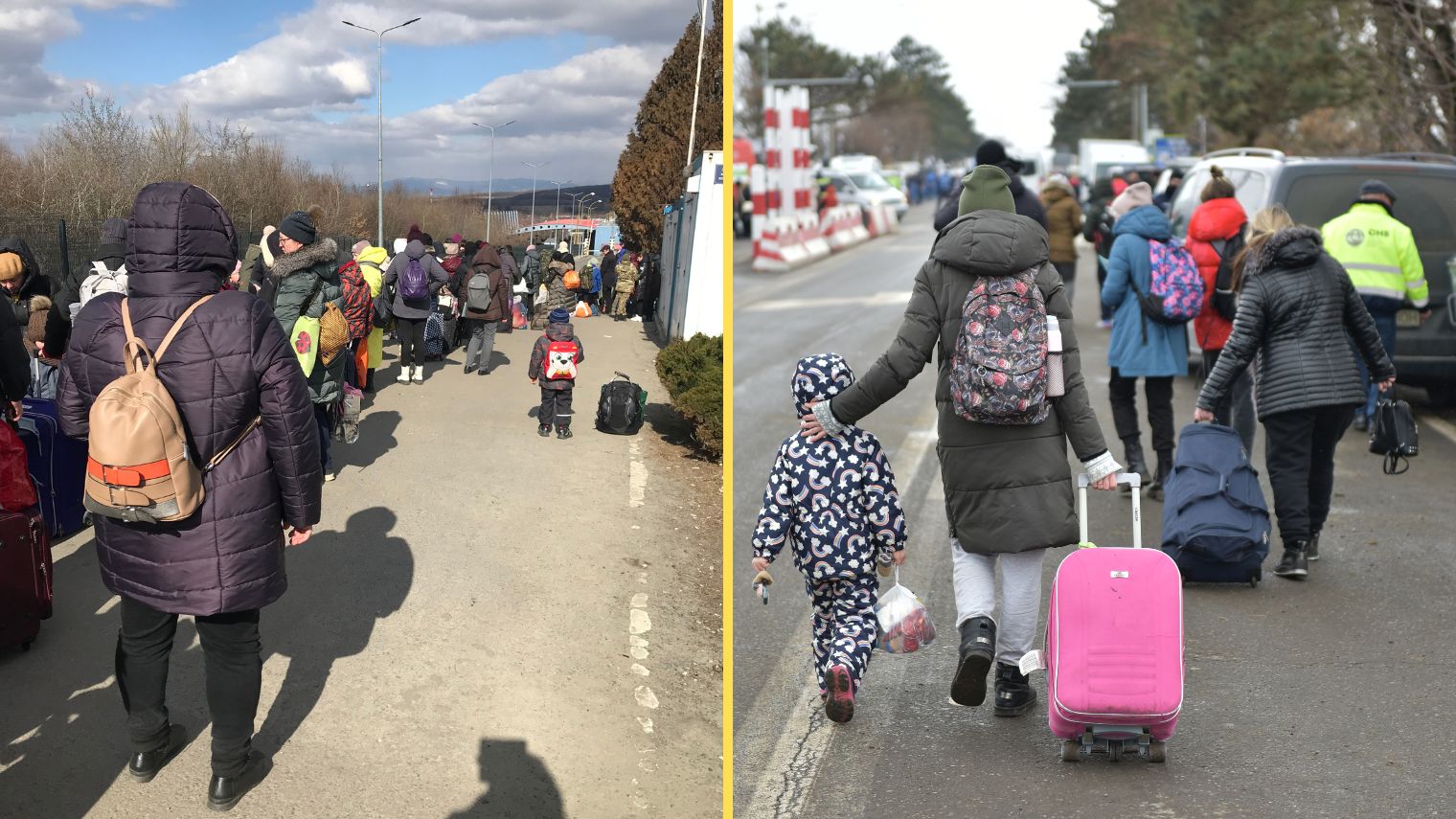
About 70 people in Lidingö are affected by the decision. They live in temporary housing provided by the municipality since Russia’s invasion of Ukraine in 2022, but these agreements end in October. After requests for an extension, they were informed that the municipality does not plan to continue this arrangement.
The chair of the municipal executive committee, Daniel Källenfors (M), argues that the municipality can no longer give special privileges to Ukrainian refugees compared to other residents now that the war has entered its fifth year and life continues relatively normally in both western and central parts of the country.
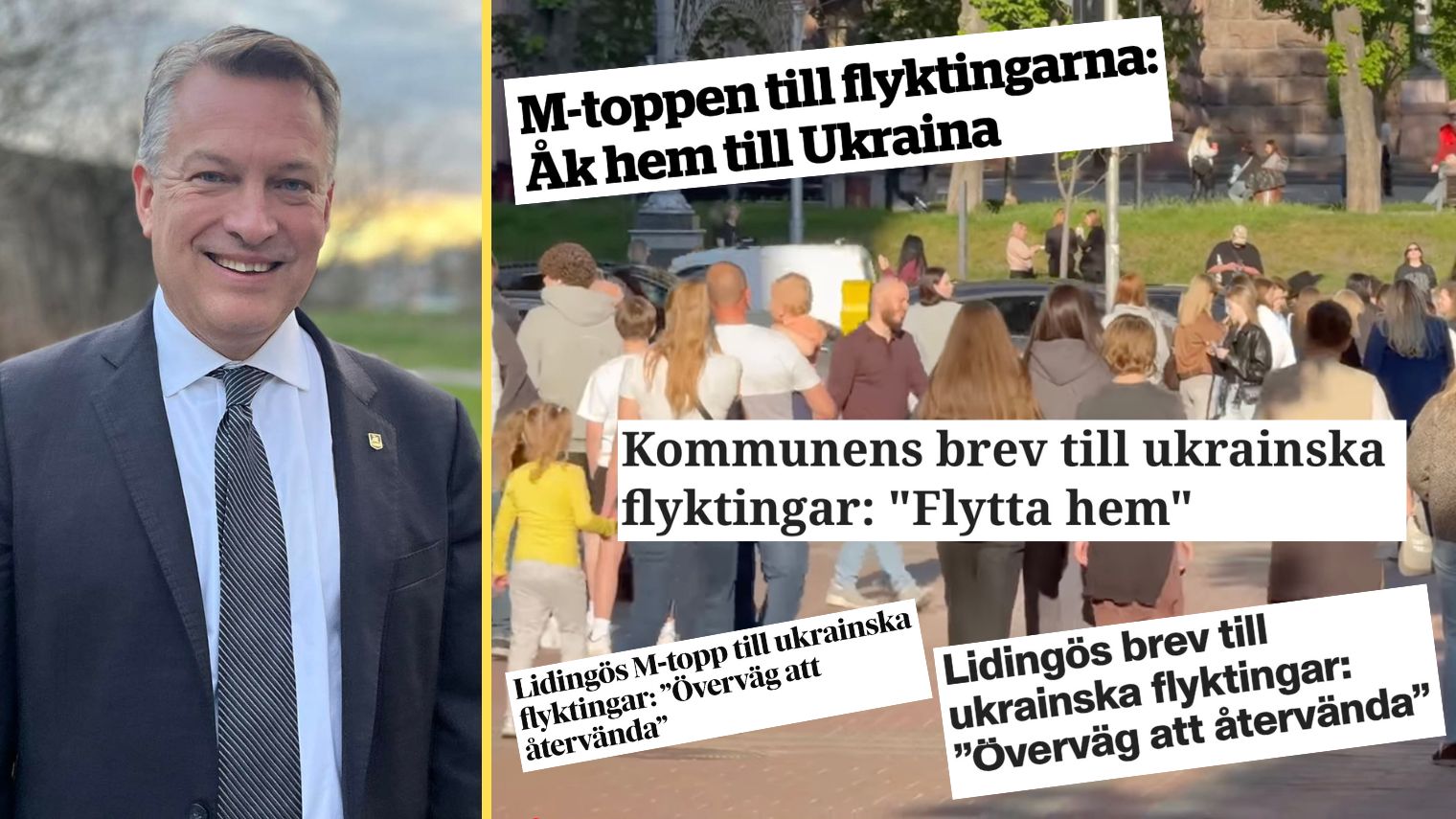
According to the Moderate leader, the settlement period available to new arrivals has now reached its conclusion, meaning those affected will henceforth have to seek housing on their own or contact social services as needed.
The letter also highlights that large parts of Ukraine are functional today and that the security situation varies between regions. Therefore, those unable to find accommodation in Sweden are encouraged to also consider the possibility of returning home.
Källenfors says he does not make his own assessment of safety in Ukraine, but notes that many Ukrainians have already chosen to move back. He also emphasizes that the municipality can still offer support to those who are left without housing.
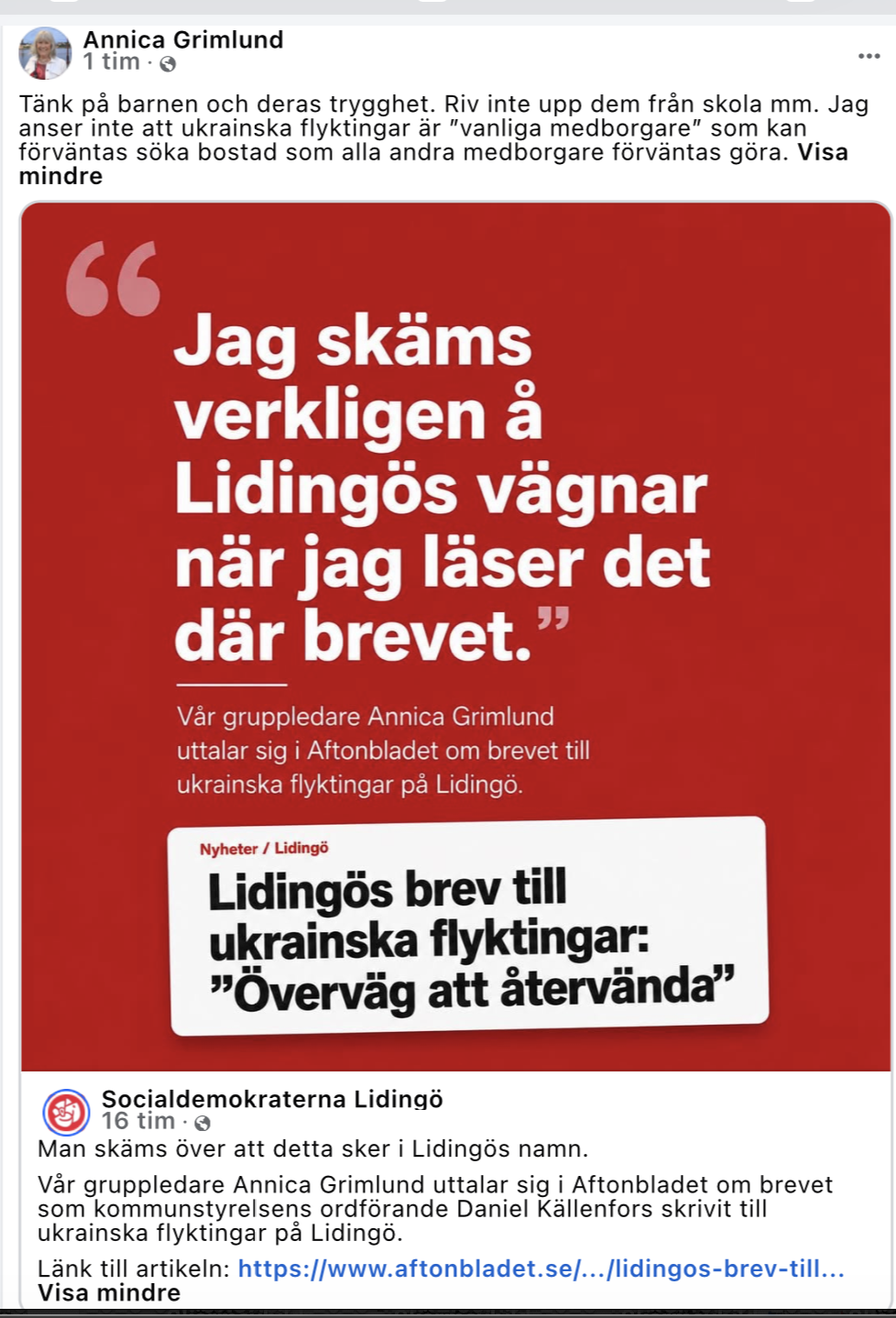
Social Democrat Leader’s Anger: “I am Ashamed”
The wording in the letter has met with strong criticism from the opposition in Lidingö. The Social Democrats’ group leader Annica Grimlund describes the tone as both cold and disrespectful.
She believes the message creates the impression that the refugees’ time in the municipality is seen as temporary and finished, even though the war is still ongoing.
READ ALSO: S-top Annica Grimlund: Forced mixing benefits everyone
– It sounds like ‘you’ve been on a little vacation, it’s been lovely having you here, and now we say goodbye.’ It is so arrogant and cynical, says Annica Grimlund (S) to DN.
Grimlund has also argued that consideration must be given to the children and their security. She says she is “truly ashamed” of the message that foreign nationals should return if their homeland is largely functioning.
Video Clips Show Daily Life
The call for Ukrainian refugees to go home is not an isolated stance taken only by the Moderates in Lidingö. Recently, for example, Irish and British media reported that Ireland’s government opened up to the possibility of introducing repatriation grants to encourage Ukrainian refugees to return to their homeland.
Whether Ukraine is truly too dangerous to return to is a matter of differing opinions. In fact, many of those who fled Ukraine after Russia’s invasion in 2022 have since gone back home.
During the first year of the war, the EU registered about 16 million entries from Ukraine. According to former EU Commissioner for Home Affairs Ylva Johansson, about 11 million people had returned to Ukraine again during 2022 and 2023.
Johansson also stated that about four million Ukrainians were still in the EU under temporary protection, while another approximately one million had continued on to countries outside the EU, such as Canada, the USA, and the UK.
However, these figures refer to registered border crossings and not necessarily unique individuals, as many Ukrainians have traveled back and forth between Ukraine and the EU several times since the invasion began. Despite this, the statistics show that returns to Ukraine have been substantial, especially to western and central regions where daily life in many areas has continued to function relatively normally despite the ongoing war.
On YouTube, there are numerous travel vlogs and so-called street videos depicting everyday life in western and central Ukraine. These films show people moving around city environments, restaurants and shops remaining open, as well as functioning public transport and daily life proceeding fairly normally.
Restaurants, bars, public transport, and shops remain open, and people are living their lives despite the ongoing war. This perspective appears less frequently in Swedish news reporting, where the focus often lies on attacks and destruction in the most affected areas in the east—at the front—even though Russian drone and missile attacks also target the capital and other parts of the country.
Swedish Politicians Visit Ukraine
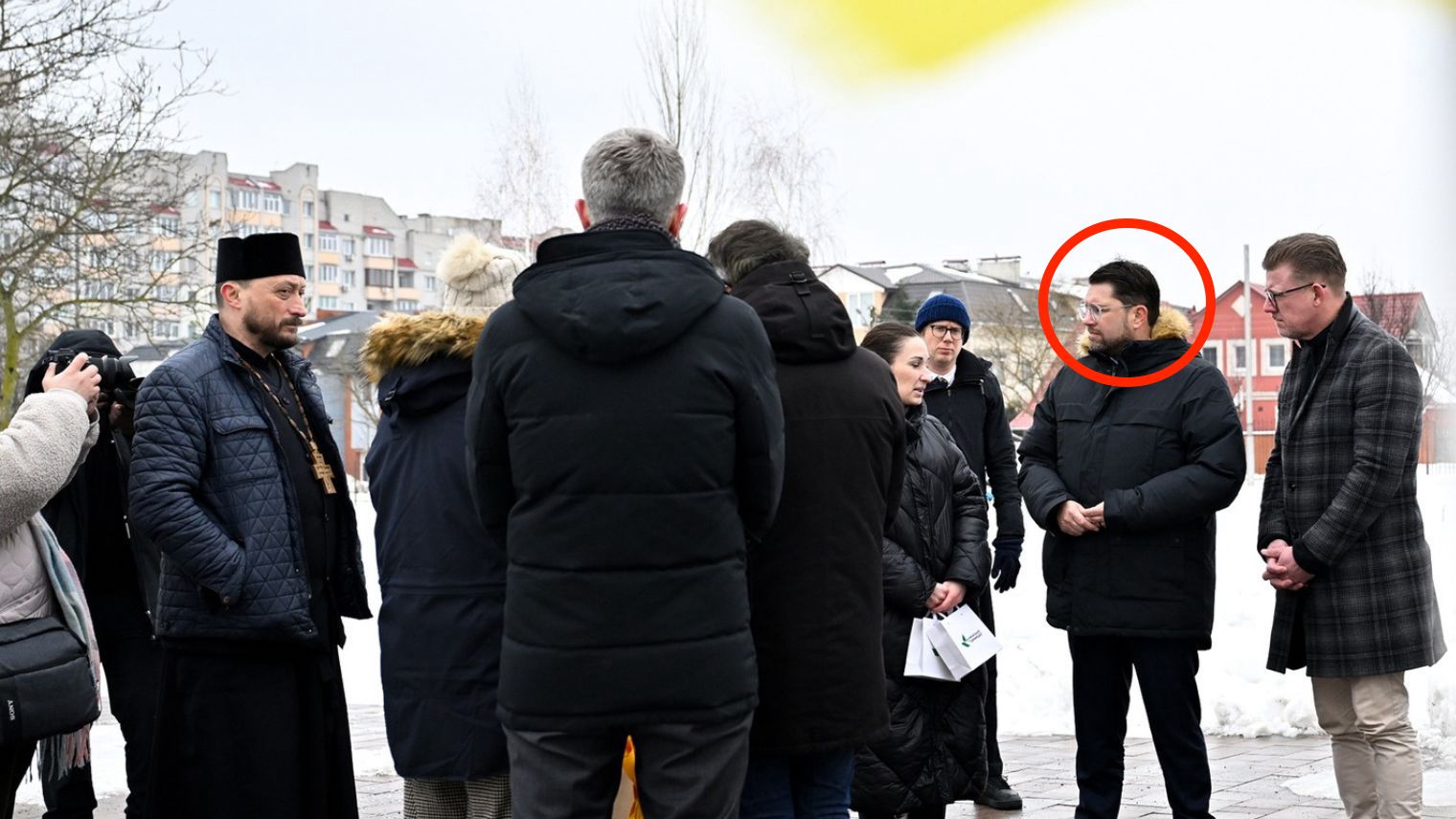
Despite Ukraine often being described as too dangerous for return, several top Swedish politicians—including party leaders and ministers—have, in recent years, visited the country’s capital Kyiv and other central areas.
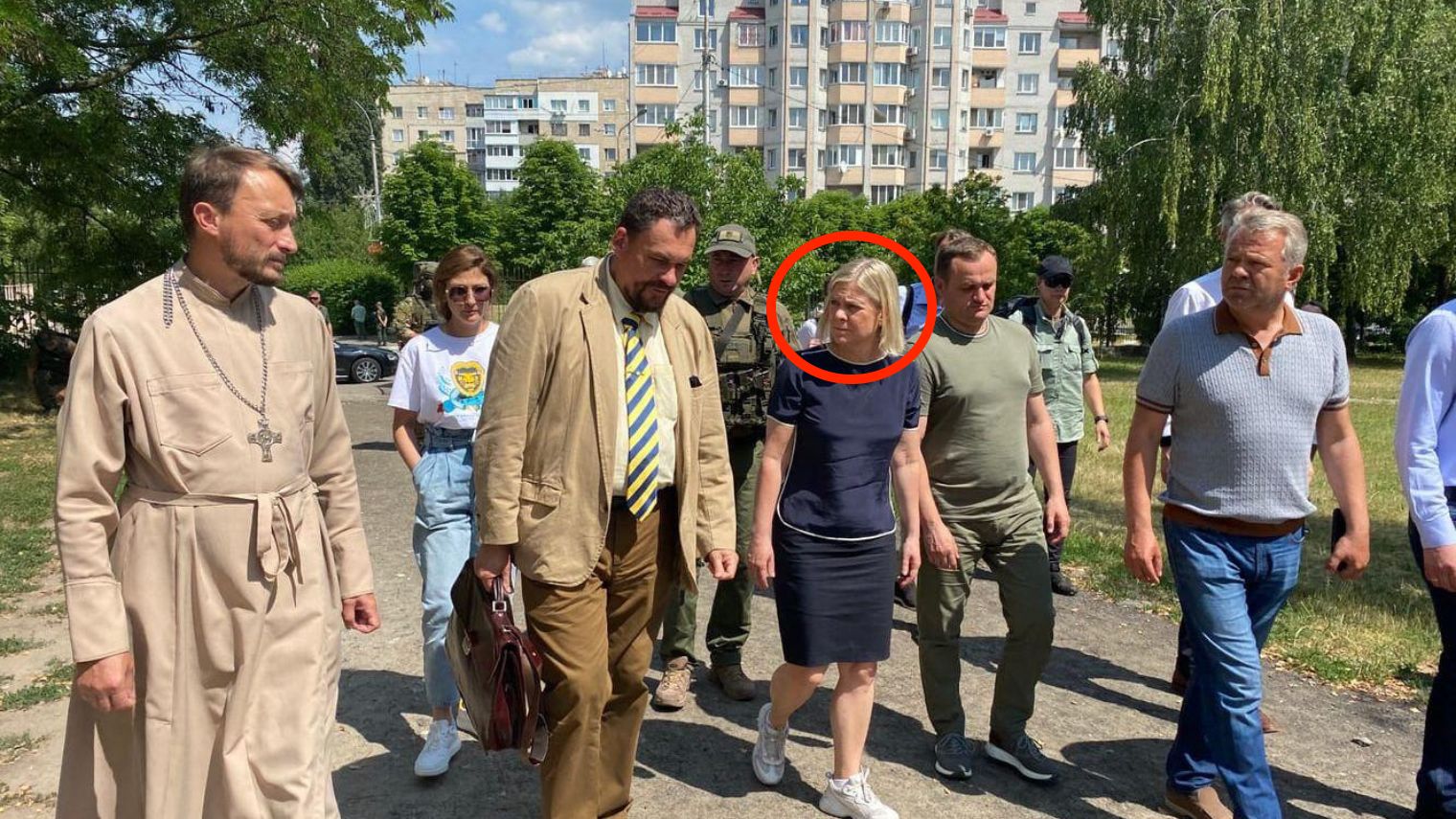
In photos and videos from these trips, the politicians are seen moving openly in urban environments without protective gear or extensive security arrangements—at most, accompanied by a few bodyguards.
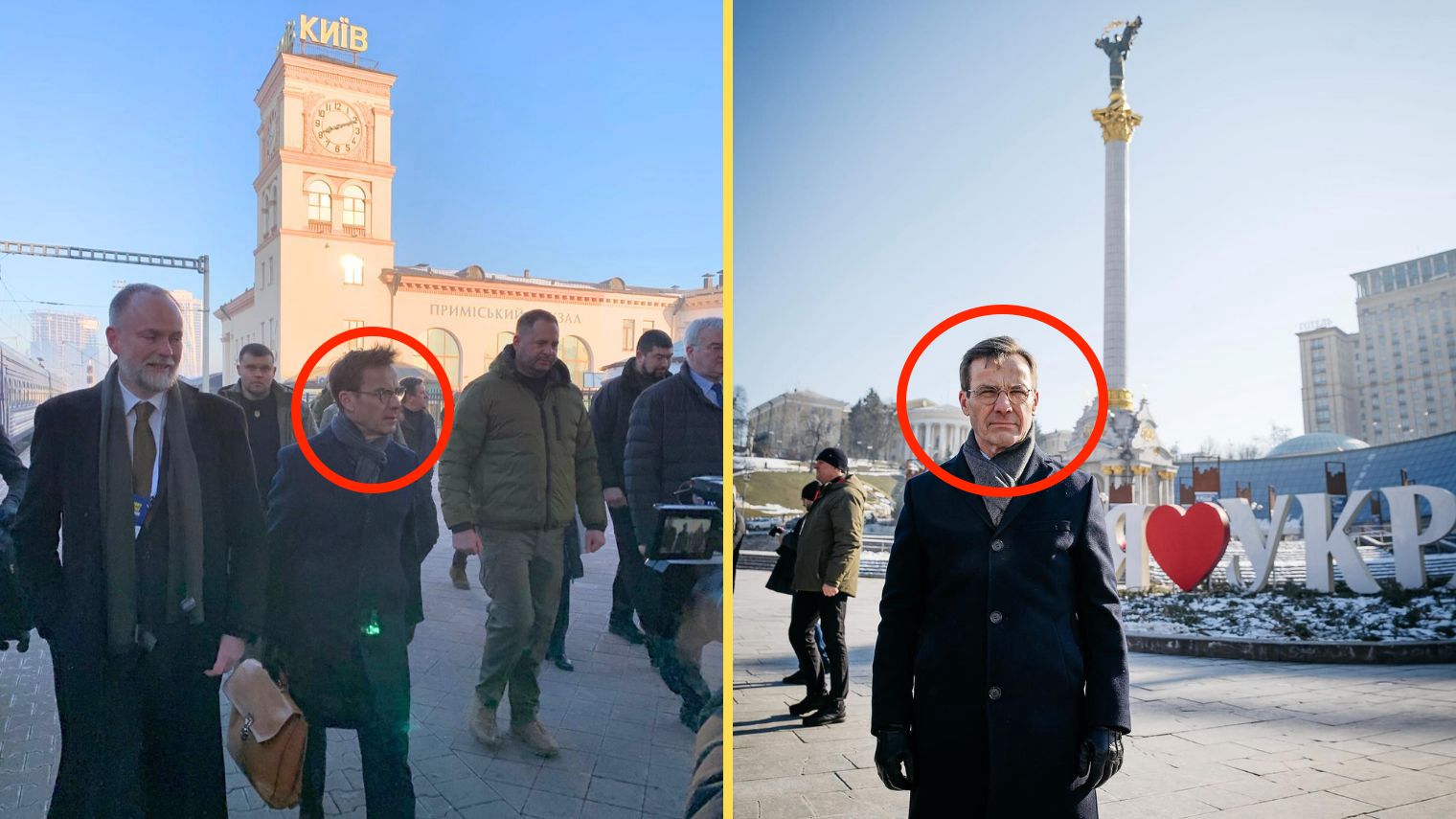
It is not only Swedish politicians who travel to Ukraine. There are also testimonies and reports that Ukrainian refugees periodically return home to see family, attend to practical matters, or visit their hometowns before journeying back to the EU for work or studies.
Conflict Researcher: Few Civilian Casualties
Another aspect of the ongoing war between Russia and Ukraine that often receives little media attention is that conflict researchers have pointed out that the war in Ukraine differs from many other modern conflicts—particularly regarding the number of civilian casualties relative to the scale and duration of the war.
At the same time, experts stress that the security situation varies greatly across different parts of the country and can change rapidly depending on developments at the front and Russian attacks. But the war is primarily focused far to the east, even though targets are periodically struck in the west and central parts of the country as well.
Therese Pettersson, a conflict researcher at Uppsala University, stated in an interview with Epoch Times earlier this spring that the number of civilian casualties in Ukraine, despite the war now entering its fifth year, is relatively low compared to many other modern conflicts.
Since Russia’s invasion in 2022, about 2,700-2,900 civilians have been killed each year, mainly due to drone attacks and artillery shelling of communities near the front lines, according to figures from Therese Pettersson and Uppsala University.
READ ALSO: Researcher: Swedish media and politicians mislead with propaganda about the Ukraine war