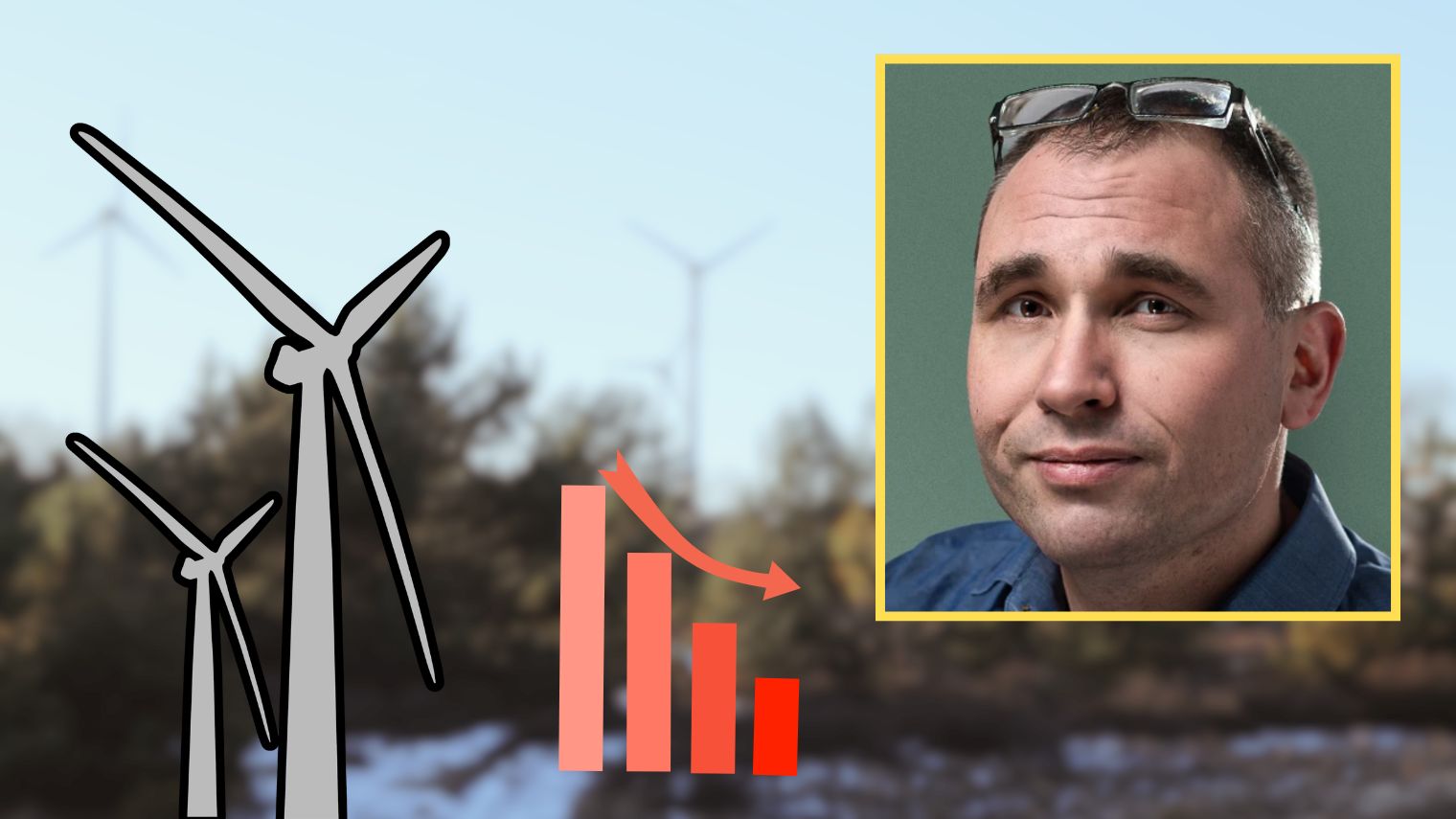
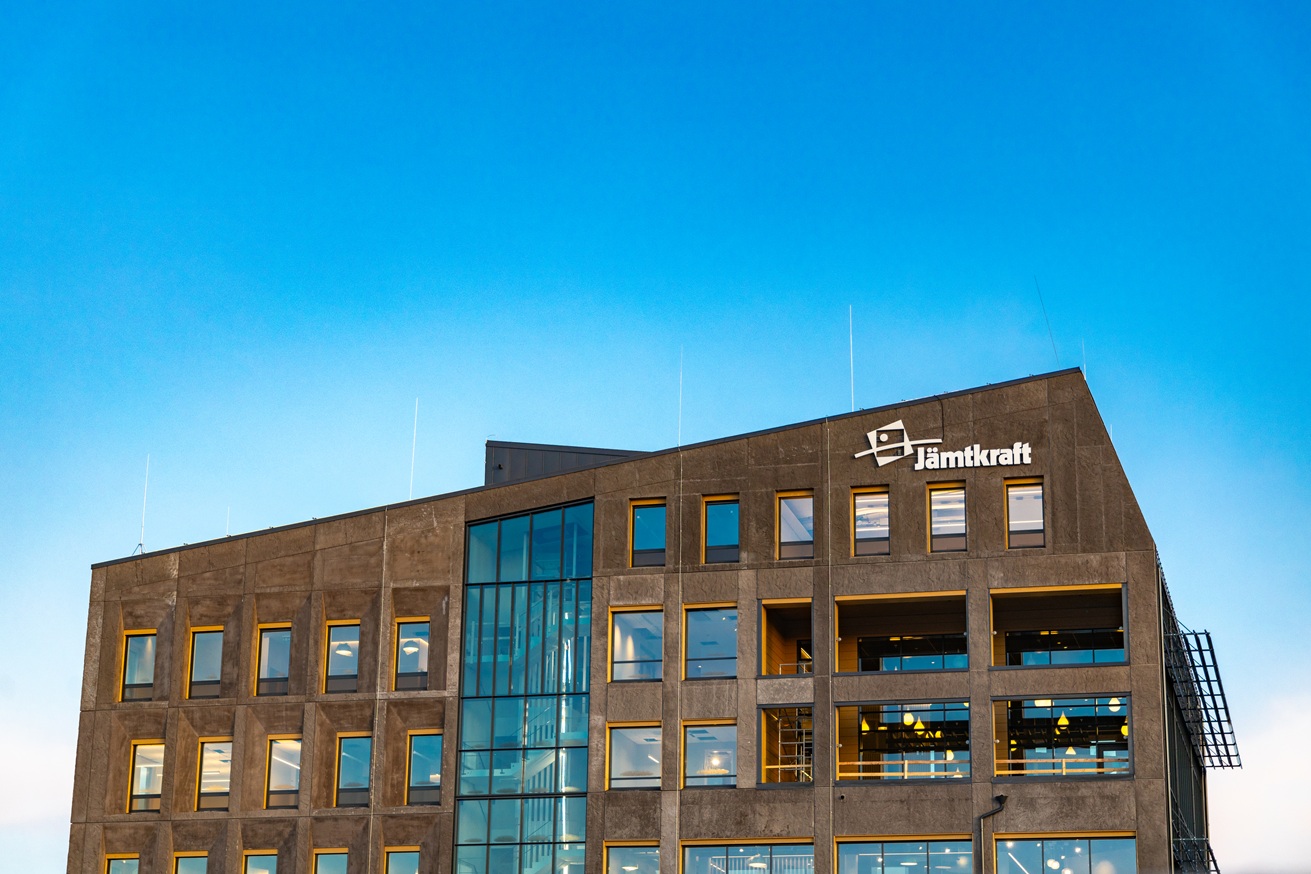
Jämtkraft invested 441 million SEK in ten wind turbines in Dalarna. Today, it is clear that the investment has been a fiasco, with production far below plan, and at Jämtkraft they do not want to disclose the actual costs. In addition to the financial aspects, the wind turbines have also spread toxins that now require decontamination.
Since 2000, Swedish electricity consumption has decreased by about ten percent. At the same time, an over-establishment of wind power has created a surplus of wind-generated electricity when it’s windy. This causes electricity prices to plummet when it’s windy, but there is a lack of infrastructure to store wind power for periods when it’s not windy. This, business economist Christian Steinbeck writes in Jämtlands Tidning, is one of the reasons for wind power’s profitability problems.
The majority of Sweden’s 290 municipalities do not own any wind turbines, and for those that do, it is usually just a handful. These were installed 15–20 years ago and are now being phased out as they near the end of their economic lifespan. Unprofitability meant there were no further investments.
SEE ALSO: Expert Criticizes AP Funds’ Wind Power Investments – Bleeding Pension Money
Östersund is, according to Steinbeck, probably the municipality that owns the most wind power per resident. Despite heavy losses, investments continued, often far from Östersund. One example is the ten Kyrkberget wind turbines north of Malung in Dalarna, inaugurated in 2011 – a five-hour drive from Östersund.
Kyrkberget Vindkraft AB was acquired by British wind power developer RES Skandinavien AB, which probably made nearly a hundred million kronor on the deal. For Jämtkraft, however, the economic outcome was not as favorable.
Not Producing as Planned
Kyrkberget was intended to produce 73 gigawatt hours per year but has averaged almost twenty percent lower, and in recent years, production has dropped rapidly. Last year, only 45.4 gigawatt hours were produced, and after 15 years, the turbines are nearing the end of their economic life.
As early as 2015, the auditor wanted Jämtkraft to write down the value of the facility by 57.3 million kronor. Construction cost 441.4 million kronor, an amount Steinbeck compares to the salary of about 820 assistant nurses in elder care for a year.
Initially, decontamination at Kyrkberget was expected to cost 65,000 kronor per turbine, which is much too low, so recently security was demanded from Jämtkraft for 450,000 kronor per turbine. The real amount may, however, be three times higher.
Won’t Answer
Already in 2016, Kyrkberget had cost Jämtkraft 130 million kronor, and the company decided to merge it into the parent company, complicating economic tracking. We will probably never know how much Kyrkberget has actually cost Jämtkraft, Steinbeck concludes, and when he asks, they refuse to tell him.
The rotor blades, which have shed fragments over the years, also contain chemicals such as PFAS and bisphenol. How sustainable and clean wind turbines really are is up for serious debate, Steinbeck states.