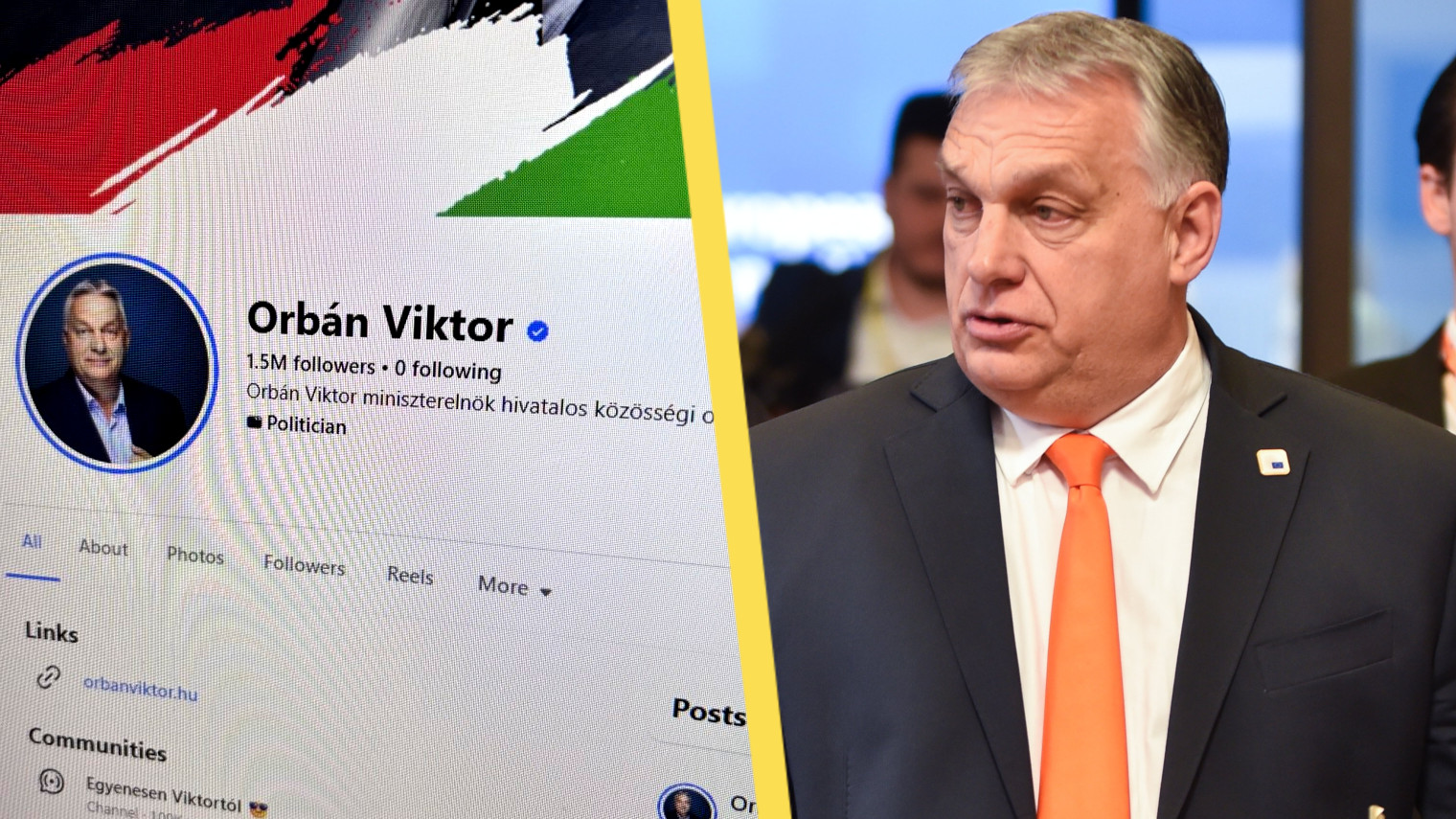
Tech giant Meta is accused of implementing a so-called shadowban against Prime Minister Viktor Orbán ahead of the parliamentary election in Hungary in less than a month. This is reported by Hungarian media.
Critics claim that the tech giant has restricted the reach of Orbán’s posts on Meta-owned platforms Facebook and Instagram, compared to his main challenger: Péter Magyar.
The arguments include that Magyar, leader of the EU-populist Tisza party, receives many times more interactions on his posts, despite having roughly half as many followers as Orbán.
Future Election Winner?
Péter Magyar was previously a member of Hungary’s ruling party Fidesz, that is, Orbán’s party. However, in February 2024, he resigned in protest after a man convicted in a pedophilia scandal was pardoned.
Magyar then took over as leader of Tisza. The party, which had never run in a national election, went from being virtually unknown to winning a third of the country’s seats in the European Parliament in the 2024 EU election.
Now Péter Magyar and Tisza are also the main challengers in the Hungarian parliamentary election on April 12. Several opinion polls point to it as a likely winner of the election – something that many Western European liberals are hoping for.
Tisza’s political program does not differ significantly from Fidesz; it does not want to send weapons to Ukraine, opposes a “fast track” for Ukrainian EU membership, and is critical of immigration. Tisza has even accused Orbán of letting in too many non-European immigrants.
However, the party is much more pro-EU than Fidesz and belongs to the same EU group as Sweden’s Moderates and Christian Democrats. This has led Orbán to accuse the party of being a “puppet regime” for “Brussels and Ukraine” if it comes to power.
Allegations of Irregularities
Tisza’s success in the polls has, however, been accompanied by allegations that it receives unfair advantages on social media. In July last year, Mandiner, a Hungarian newspaper close to Prime Minister Orbán, published an analysis of the interactions that Péter Magyar receives on his social media.
Magyar was compared to other Hungarian politicians as well as internationally known figures. Among them Barack Obama, Bernie Sanders, Alexandria Ocasio-Cortez, and Donald Trump.
It was found that Péter Magyar received many times more interactions—likes, comments, and shares—on his most recent 50 posts, proportional to the number of followers.
“Something is very, very wrong,” the newspaper argued.
Former Meta Employees
Now, with less than four weeks left until the election, similar criticism is being raised by more Hungarian media. Among them is the news site Index.hu, which is one of the country’s largest news sites.
Two names are mentioned in this context. One is Dóra Dávid, who previously worked as legal counsel for Meta but is now an MEP for Tisza — Orbán’s main opponent.
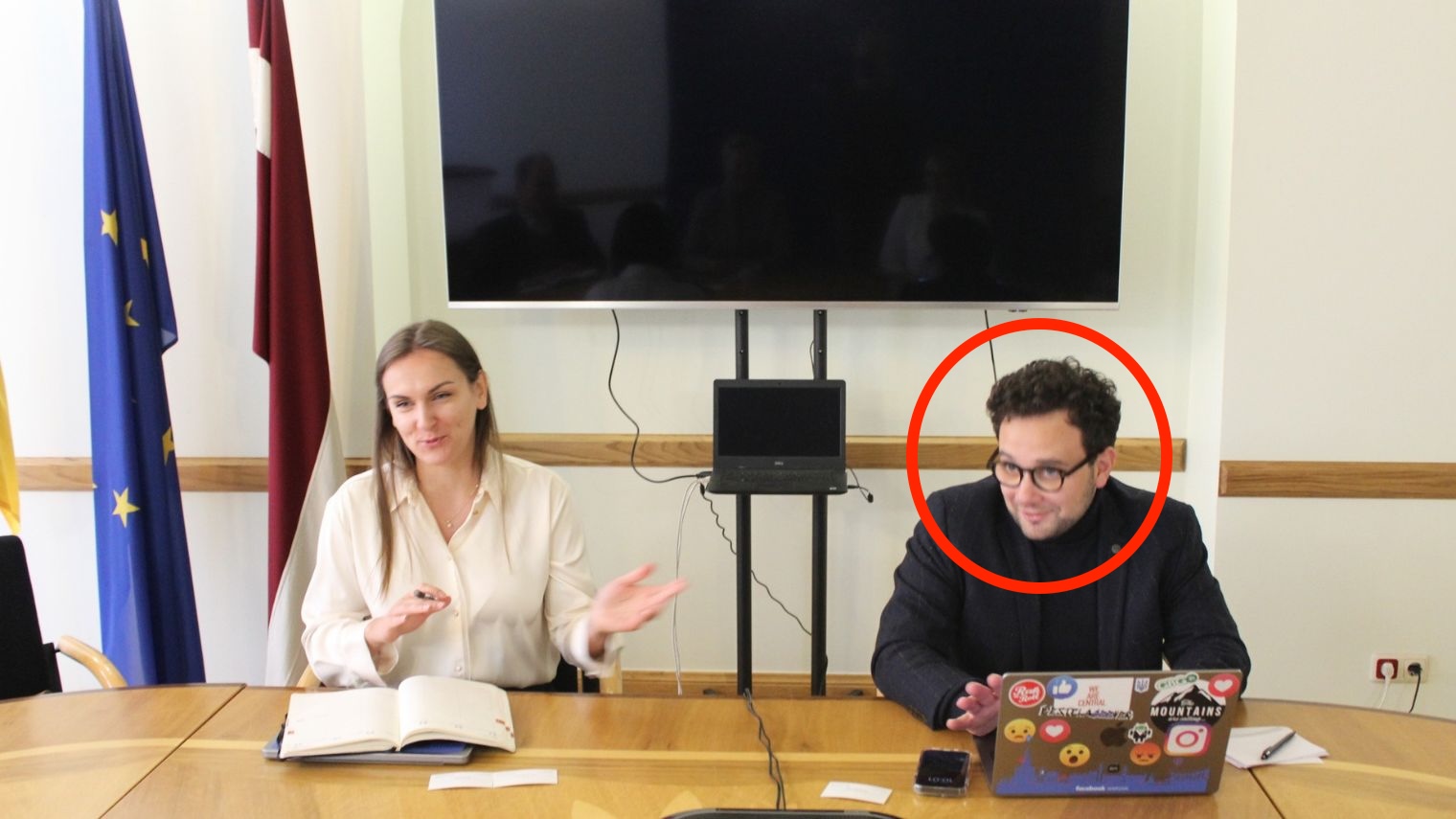
The other is Oskar Braszczyński, Meta’s partner for government and political affairs for Central and Eastern Europe. Braszczyński has previously worked as an analyst in the European Parliament and is usually involved in Meta’s work during general elections in the EU.
Braszczyński, who lives in Warsaw, Poland, expresses clear political opinions on his social media and is said to sympathize with the Hungarian opposition in particular.
Therefore, some question his role at Meta and whether, in any way, he is helping to influence the reach that Hungarian candidates get on the tech giant’s platforms ahead of the election.