
The ongoing war in the Middle East—where the US and Israel are fighting against Iran while Iran, among other things, is attacking the oil industry in and around the Persian Gulf—has triggered a powerful :censored:6:cdd6bbaa89: energy price shock with clear effects on both commodity markets and the broader economy. Analysts now warn that the developments could have far-reaching consequences.
Prices for gasoline, diesel, and fossil gas have risen, which in turn has driven up electricity prices. At the same time, uncertainty threatens to impact both consumption and investment.
READ ALSO: Survey: This is what Swedes think about the Iran war
Jens Magnusson, Chief Economist at SEB, warns about the development in an interview with news agency TT.
“I am starting to get quite worried. If we don’t see a clear de-escalation within the next week or so, preferably an end to the war—which I don’t really see happening at the moment—the effects will probably be quite significant,” he tells TT.
He also points out that optimism about the future has weakened, something that risks having broad ripple effects on the economy. The rising energy prices have already contributed to higher costs for gasoline, diesel, and fossil gas, also affecting electricity prices.
Additionally, there is a risk that demand, both :censored:6:cdd6bbaa89:ly and within Sweden, could be dampened due to increased war-related anxiety and a more pessimistic outlook among both households and businesses.
READ ALSO: Iran War: How Oil Prices Risk Soaring
Despite the price increases, Magnusson does not currently see an immediate, strong inflationary wave. A short period of high energy prices is expected to have only minor effects on inflation.
At the same time, Jens Magnusson points to a clear deterioration in future prospects, which could have wide-ranging consequences for the economy. The higher energy prices have already increased costs for gasoline, diesel, and fossil gas, with knock-on effects also on electricity prices.
In parallel, there is a risk that demand in both Sweden and :censored:6:cdd6bbaa89:ly may decrease as war anxiety grows and confidence in the future weakens among both households and companies.
The future development of the oil price is identified as a key factor. If prices remain high for an extended period, there is a risk that the situation could deteriorate quickly, which in turn could lead to larger economic problems.
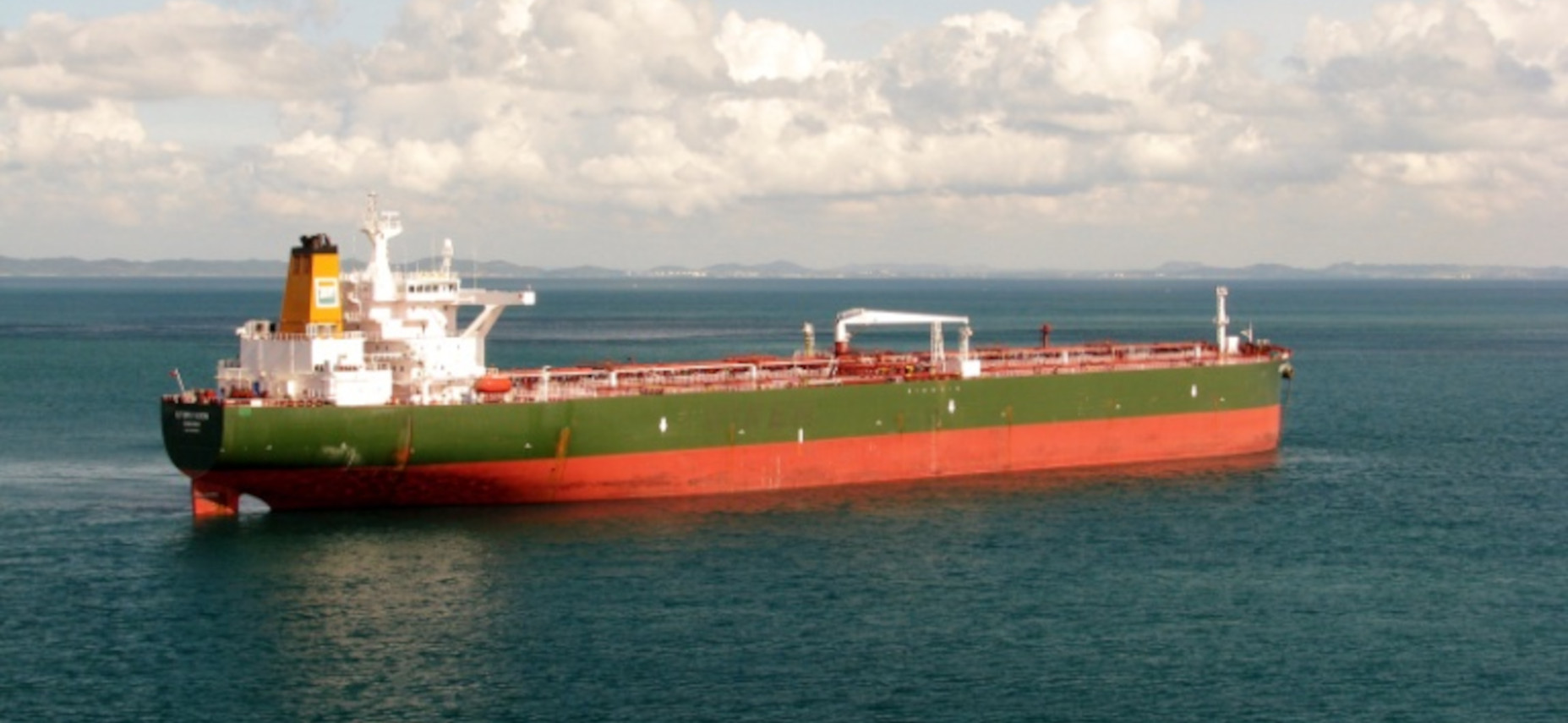
Stock Market Declines and Interest Rate Worries After Outbreak of War
The financial markets have already been clearly affected. The Stockholm Stock Exchange has fallen by about 6 percent since the war broke out, while market interest rates have risen significantly.
Just a few weeks ago, there was strong expectation that Sweden’s central bank would cut its key rate this year. Since the war began on February 28, however, market forecasts have shifted, and now rising rates are expected instead.
READ ALSO: US Senator: “We Will Make Tons of Money from the Iran War”
Earlier, the probability of a cut to 1.50 percent before year’s end was seen at about 50 percent, but now investors expect the rate to rise instead this year, with another increase next year to around 2.25 percent.
In summary, the war has not only shaken energy markets but also fundamentally changed the economic outlook. From hope for recovery to risk of recession—the development may now be determined by how quickly, or if, the conflict de-escalates.
READ ALSO: Trump: NATO Countries Must Help in Iran – Otherwise a Very Bad Future Awaits