
Kista was once set to become Sweden’s Silicon Valley. For decades, the area was the hub of the Swedish telecom industry and home to some of the country’s largest tech companies. But now, as Ericsson leaves the area after years of expansion and investment, many see the move as more than just a routine business decision. Björn Svalling, who has worked in Kista since the late 1990s, describes a place that has gradually changed—from a thriving tech center to an area where many employees no longer wanted to walk to the subway alone after work. For him, Ericsson’s departure is the culmination of a development that has been ongoing for many years.
But for Björn Svalling, who worked in Kista for much of his professional life and is now retired, the exodus is rather the endpoint of a trend that has lasted a long time.
He started working in Kista in 1997–1998, first in the telecom industry and later in various roles, including at IBM.
When he first arrived there, the area was something completely different from what it is today.
READ ALSO: Kista: Here Sweden Was to Build the Future—Now Companies and Swedes Are Leaving
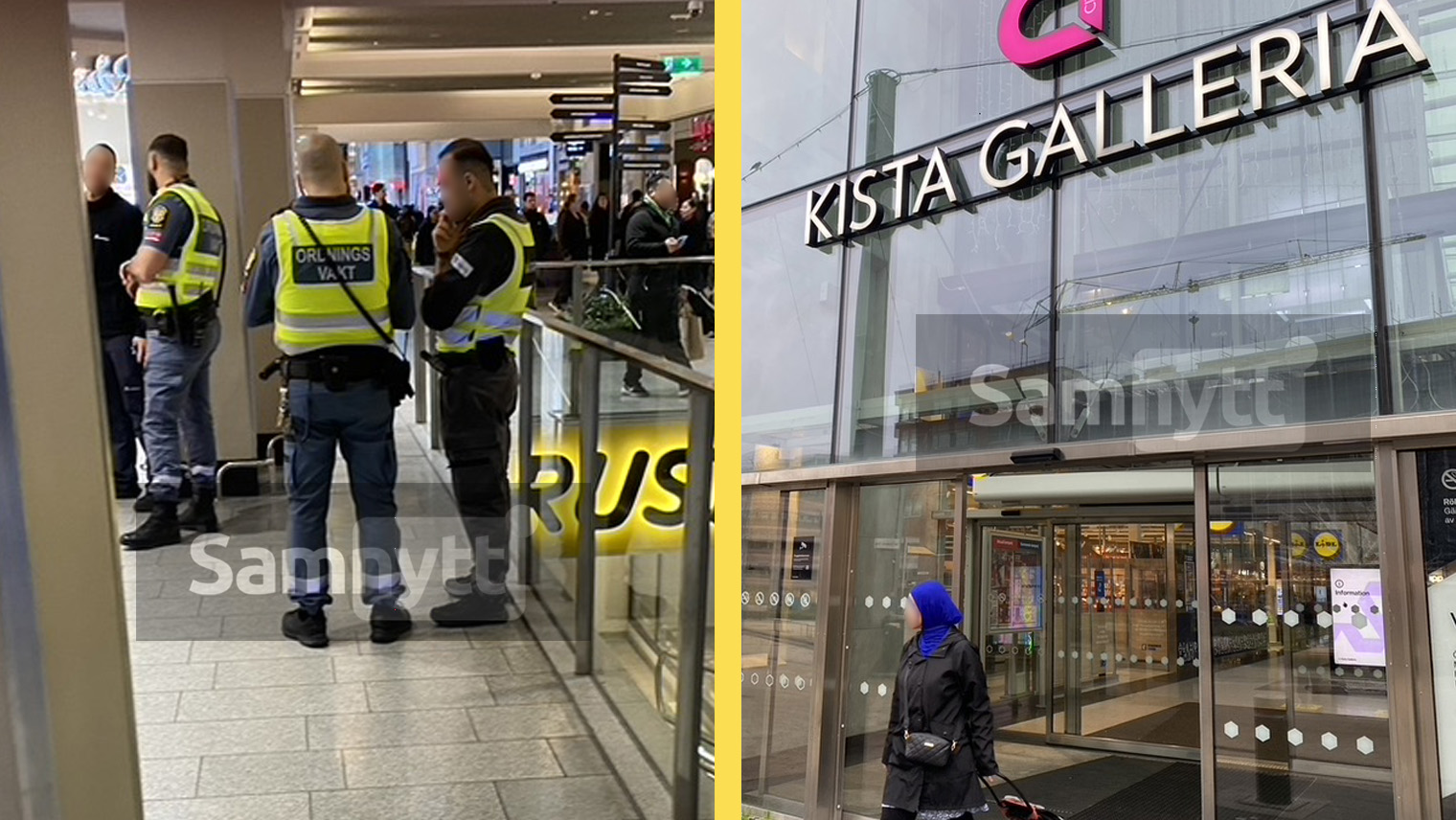
“Back then, it was pretty orderly. My colleagues and I used to walk down to Kista Galleria to have lunch, run errands, and move freely in the area. There were no problems at all,” he tells Samnytt.
“Walking Through Husby Was a Nightmare”
When Svalling returned to Kista some years later, the development had begun to go in another direction. The change came gradually, but according to him became increasingly clear after the mid-2010s.
“Kista Galleria used to be a normal shopping center. Now there are almost only immigrant stores left. People no longer went there after work to shop or eat lunch like they used to.”
I was among those who liked to stay late at work until I was finished. Then female colleagues would come and ask, ‘Are you driving today?’ They wanted to be dropped off at some station on the green or red subway lines. They simply felt unsafe.
Björn Svalling, retired economist in the IT sector
He describes how even the residential areas changed.

“Previously, many people who worked in IT and telecom lived in the area—Ericsson, IBM, and all the subcontractors. Today it looks completely different.”
When he worked at IBM and commuted via Husby, he noticed the change especially clearly.
“Just walking through Husby was a nightmare. In the mornings it was okay, but you could see how the area had changed.”
READ ALSO: Here He Shoots at Police—Charged with Murder in Husby
“One Armed with a Knife, Another with an Axe”
According to Svalling, it wasn’t primarily specific criminal incidents that shaped everyday life, but rather the growing feeling of insecurity. He says that female colleagues who worked late would often ask for a ride home.
“I was among those who liked to stay late at work until I was done. Then female colleagues would come and ask, ‘Are you driving today?’ Then they wanted to be dropped off at a station on the green or red subway lines. They just felt unsafe.”
READ ALSO: Ericsson Flees Diversity in Kista—Staff Feel Unsafe
These were not women who were otherwise particularly cautious.
“They were pretty tough women. But they didn’t want to walk down to the subway alone. Especially not to Husby. Later, they didn’t want to go to Kista station either.”
Do you have a specific memory of any concrete incident?
“I had a colleague who was robbed by a group of youths, one armed with a knife, another with an axe. But mostly, it’s about a constant feeling of insecurity and anxiety.”
READ ALSO: Among the High-rises and the Concrete Where Sweden Fell Apart
At the same time, Svalling points out that the problems are not new.
“Already in the 90s, you could get a taxi voucher from your boss if you knew you’d be working late. Even then, there were women who didn’t want to walk to the subway on their own.”
“Immigrant-Related Ghettoization”
Now that it is clear that Ericsson is moving its entire operations, which is quite a major event, how do you comment?
“Let me put it this way, it is hardly free for Ericsson—Hagastaden is expensive—but they must feel it’s worth it.”
Then the rents will go down even more. It will get even cheaper. The question is which companies will want to set up there instead. Tech companies like to be near other tech companies. That’s how clusters work.
Björn Svalling, retired economist in the IT sector
Ericsson isn’t giving any official explanation for what’s behind the move?
“Well, but everyone knows. They’re chickening out and can’t admit it’s about an immigrant-related ghettoization of the area.”
He returns to the point that there used to be many IT employees living in the area and it was pretty calm, but now, according to him, there isn’t even a single Swedish name on the doors.
READ ALSO: More Companies Flee Kista — “It’s Become Unsafe”
Now that Ericsson is leaving, do you think many other smaller tech companies will also leave Kista?
“Yes, I think so.”
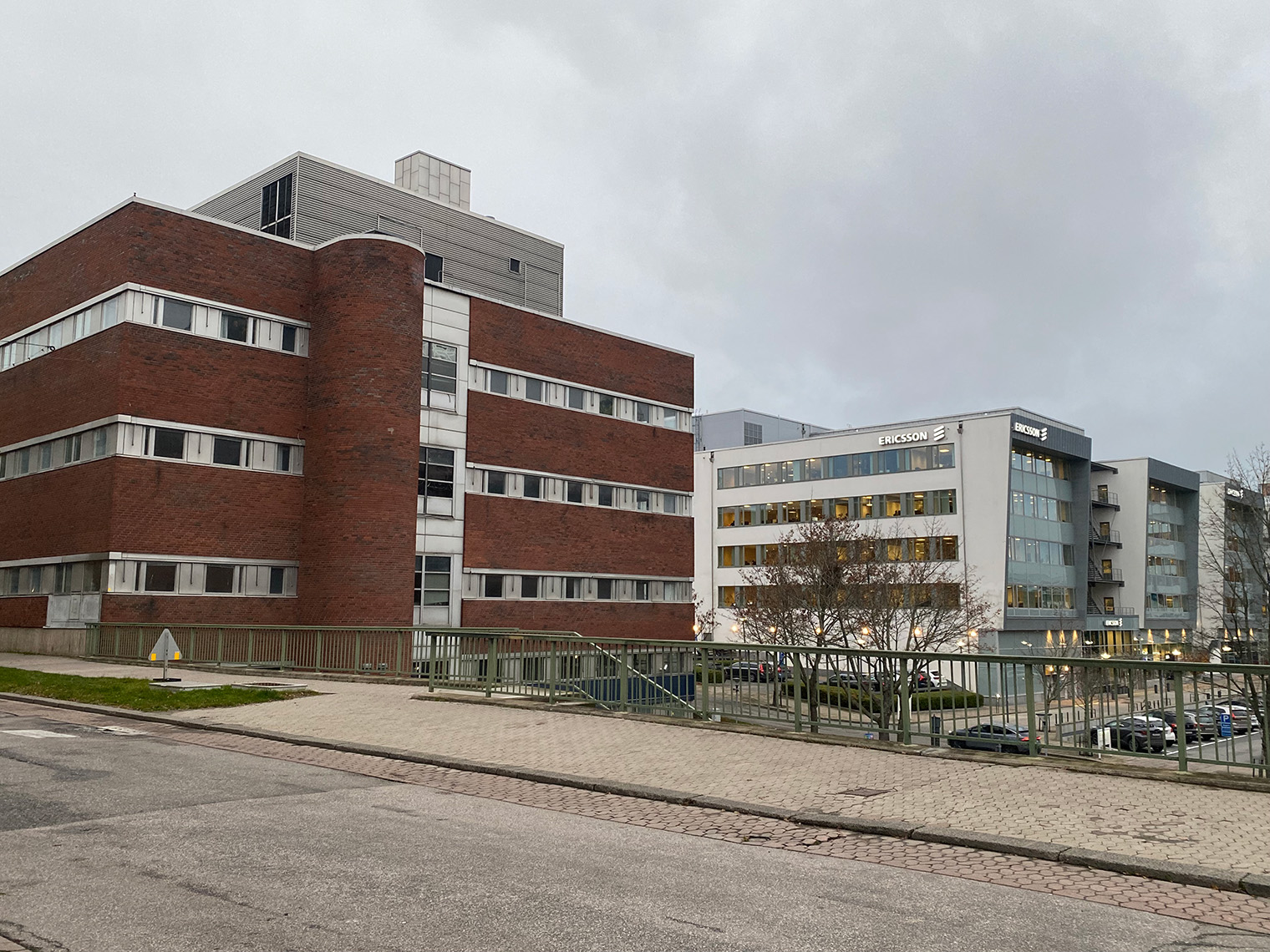
During the technology cluster’s heyday, he estimates that Ericsson had about 14–15,000 employees in the area.
“Until around 2005 or 2010, Ericsson was by far the biggest player. They defined Kista.”
He now fears the exodus may mark the start of a downward spiral.
“Then the rents will go down even more. It will get even cheaper. The question is which companies will want to set up there instead. Tech companies like to be close to other tech companies. That’s how clusters work.”
Svalling says Kista’s development has also affected companies’ ability to recruit. Even if he hasn’t been directly involved in recruitment processes in recent years, he is convinced that the area’s reputation matters when trying to attract international top talent to Sweden.
“It’s completely obvious. Kista doesn’t have a good reputation when you’re recruiting top talent internationally.”
READ ALSO: On a Walk in the Future We Never Chose—The Sweden That Became a Foreign Country to Its Own People
Svalling further believes that the exodus could have consequences far beyond Ericsson’s own offices. When large employers leave, rents risk being pushed down even further, which in turn changes the kinds of businesses drawn to Kista.
He points out that the large office buildings probably won’t stand empty forever and may even be converted into residential units, but also questions who would actually want to live there.
According to Svalling, this development risks reinforcing the negative spiral that has already characterized the area for many years.
When high-tech workplaces disappear and are replaced by cheaper housing, the social composition and the identity of the area also change.
What was once built as a center for research, innovation, and international tech companies might instead come to be defined by completely different businesses and forms of housing.
This, he argues, risks making it even harder to attract back the companies that once made Kista famous far beyond Sweden’s borders.
Does Kista risk becoming yet another no-go zone?
“In the worst case, yes.”
READ ALSO: Vivalla and the Particularly Vulnerable Elephant in the Room
A Failure of Swedish Social Development
Svalling argues that this development is not just about Kista or Ericsson. He sees it as a sign of broader social changes.
Who do you think is responsible for this failure?
“The politicians, in many ways, but to some extent also the business world.” He continues:
“They haven’t understood the importance of urban planning. It’s not just about economics and some kind of neoliberal notion that ‘the market will solve everything’… Because it doesn’t.”
SEE VIDEO: Chaos in Kista Galleria—Furniture and Porcelain Flying
When asked if Ericsson’s move is primarily a company matter or a failure of Swedish integration and urban development policy, the answer is brief.
“It’s both.”
For him, the announcement marks the end of an era that began when Kista was still seen as the Sweden of the future. Now, even the company that more than any other built that vision is leaving.