According to contemporary left-leaning researchers, there are soon few things left that do not affect the so-called climate crisis. Now, single households have been added to the list.
Tullia Jack is a sustainability researcher at Lund University who has studied what individuals can do to help reduce emissions. After conducting in-depth interviews with 23 Danes living alone, she concluded that living alone is often the result of life changes rather than an active choice. It is also claimed that many are open to living with others in the future.
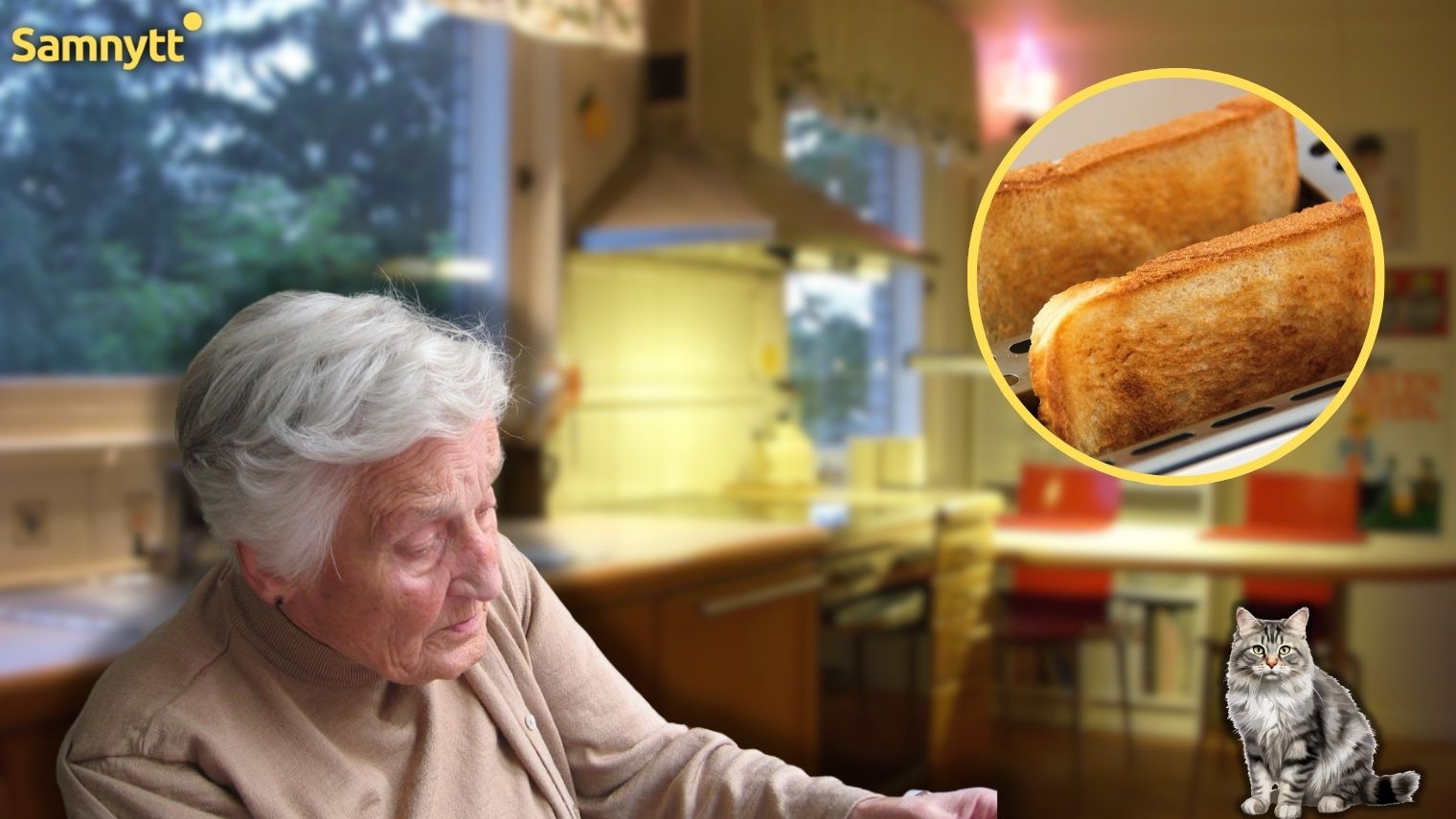
Other consequences of living alone include that people consume more of the planet’s resources since each person has their own toaster, washing machine, microwave, and so on.
READ ALSO: Climate neutrality is not enough – red-greens demand more
Households in the Nordics stand out, as almost half are single-person households; in the future, Tullia Jack hopes for new forms of communal living so that more people can share the toaster and thereby prevent the world from ending in a fiery blaze.
– Shared living is a low-hanging fruit for reducing carbon emissions. That’s why I wanted to delve deeper into why people live alone, says Tullia Jack.
– Many of those I interviewed would like to live with someone else, preferably a romantic partner, but also with friends or in a collective. Living alone just happened to end up that way.
Dissatisfied Single Men
According to Jack’s research, it is mainly men who are dissatisfied about living alone and see it as stigmatizing. Among women, significantly more are satisfied with their situation as single-person households.
One topic that several brought up during the interviews was involuntary loneliness.
– Some who live alone miss the passive social capital that often comes from sharing accommodations. You may have many acquaintances, but no one to turn to when it really matters or if you need practical help in everyday life.
Flexible Housing Models
According to Tullia Jack, the social aspect is yet another driver toward more climate-friendly co-living. She believes that some people would benefit from living with others.
To get more people to live together, she calls for more flexible forms of shared housing, economic incentives, and solutions that make it easier to match with the right people.
READ ALSO: VIDEO: Climate extremists save the planet with ‘climate roar’