Tensions around the Strait of Hormuz have once again taken center stage after several new incidents between the United States and Iran in recent days. While diplomatic negotiations are underway for a possible peace agreement, military activity, seized ships, and threats of new attacks continue to cause unrest on the world’s energy markets.
The crisis in the Strait of Hormuz has been ongoing since the war between the USA, Israel, and Iran broke out at the end of February. Iran subsequently closed the strategically important strait to large portions of international shipping, which quickly caused oil prices and :censored:6:cdd6bbaa89: markets to shake. The Strait of Hormuz is one of the world’s most important trade routes for oil and gas, and under normal circumstances about a fifth of the world’s energy transports pass through there.
Over the past week, new information has emerged about intense negotiations between Washington and Tehran. According to Reuters and Japan’s Nikkei, a plan is now being discussed in which Iran would reopen the strait completely about 30 days after a potential peace agreement with the USA. In return, the ceasefire is expected to be extended while talks on Iran’s nuclear program continue. Iran is also said to begin clearing mines in the area to restore safe passage.
READ ALSO: Strait of Hormuz: No Solution in Sight – New Threats from Trump
Despite the negotiations, the situation remains unstable. In recent days, the US has continued its naval blockade against Iranian ships and has also seized another Iran-linked oil tanker in the Indian Ocean. US authorities suspect that the vessel violated sanctions by transporting Iranian crude oil. The seizure is described as part of the US strategy to economically pressure Iran and limit the country’s oil exports.
Meanwhile, the military presence around the strait remains at a very high level. The US so-called “Project Freedom,” in which American naval vessels escort merchant ships through the area, was recently paused temporarily in order not to disrupt ongoing peace talks. Iran, however, continues to claim that the country’s Revolutionary Guard has control over the strait and has warned of attacks on ships from countries considered hostile.
Rising Oil Prices
Several incidents have been reported in recent weeks despite the formal ceasefire. According to reports, both American and Iranian forces have carried out attacks against each other near the Strait of Hormuz, while Iran has accused the US of breaching agreements. American officials, for their part, claim the attacks have been defensive responses to Iranian provocations.
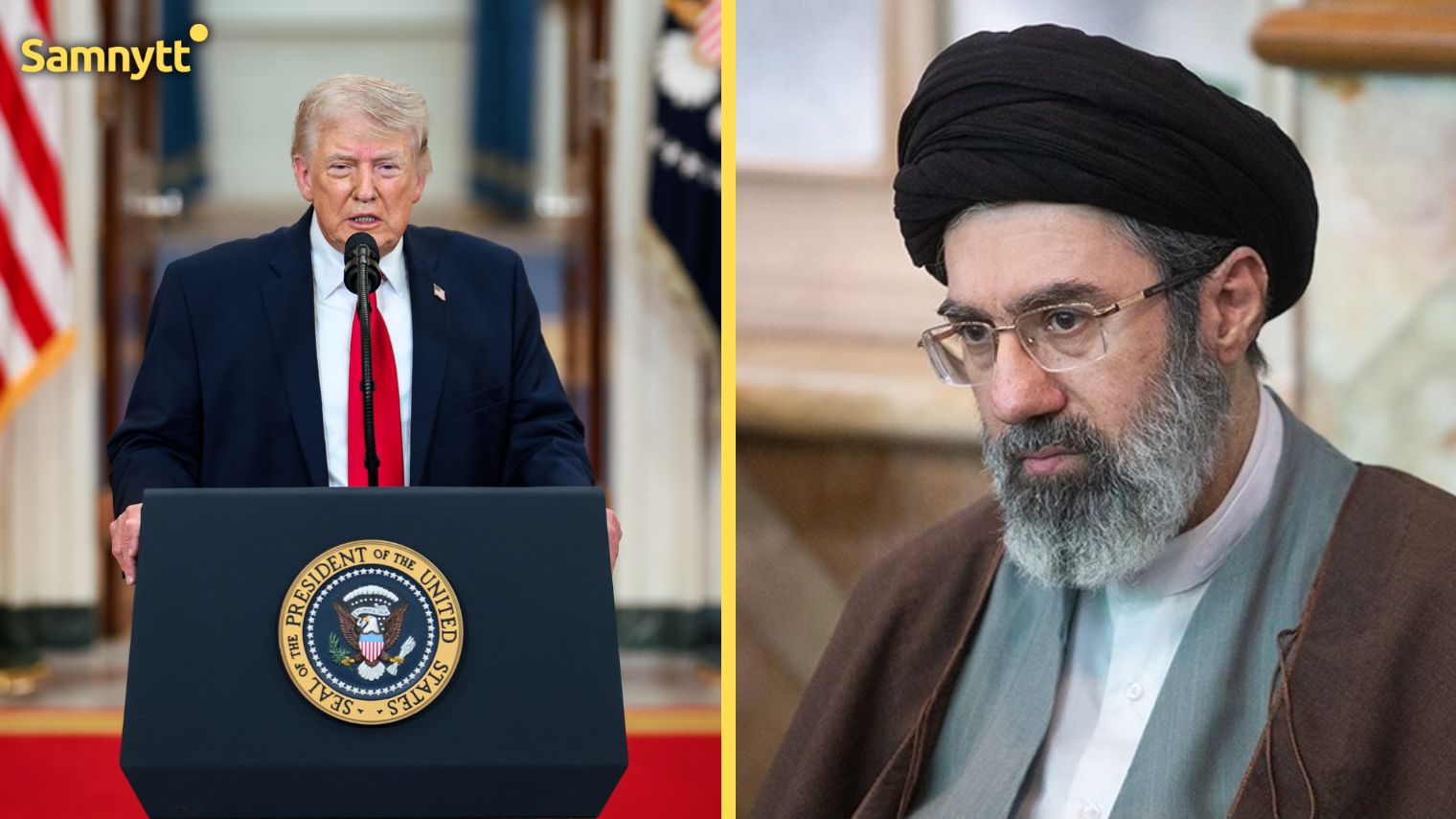
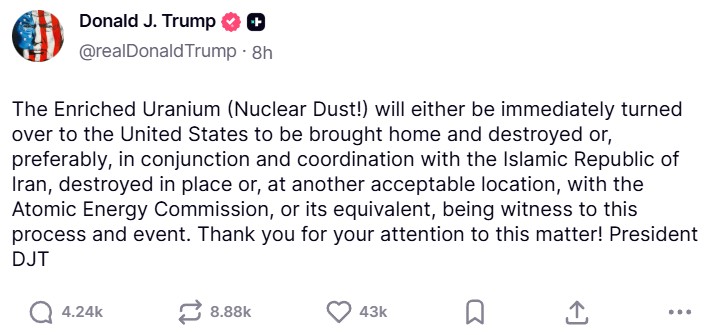
The conflict is also having a significant impact on the :censored:6:cdd6bbaa89: economy. Continued disruptions in shipping have contributed to rising oil prices and increased international interest rates. Several countries, including China and the Gulf States, are now attempting to play a greater diplomatic role to achieve a permanent solution. US President Donald Trump has simultaneously signaled that he wishes to avoid a prolonged war, but has also threatened Iran with new military actions if the country does not fully reopen the strait.
The uncertainty surrounding the Strait of Hormuz thus continues to be one of the world’s most sensitive security issues. Even though recent negotiations have shown some signs of easing, the risk of new clashes remains, which could quickly draw in more countries into the conflict and have major consequences for the :censored:6:cdd6bbaa89: economy.
READ ALSO: NATO’s Crisis Meeting: US Weapons Starting to Run Out