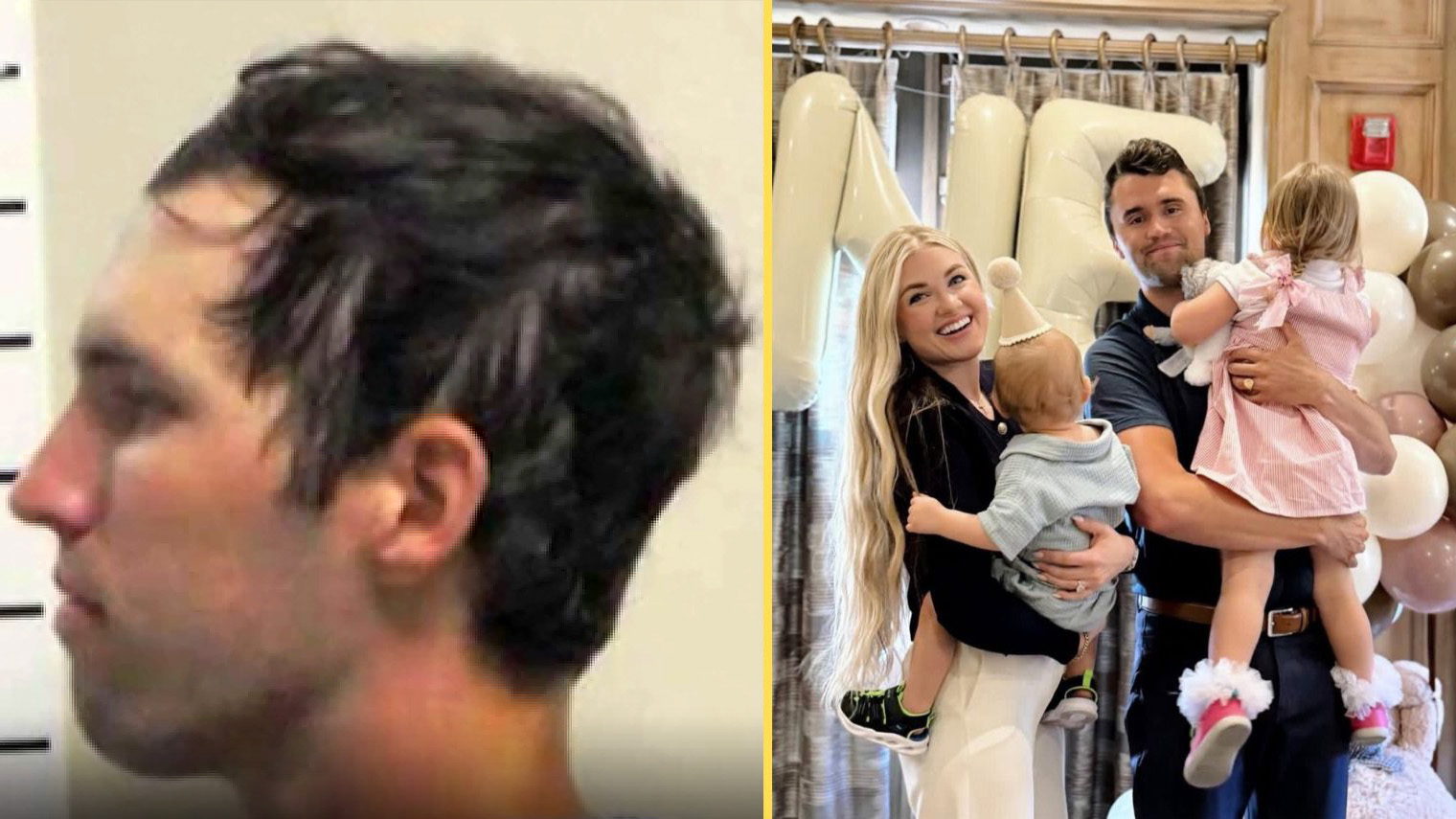
A new forensic analysis casts doubt on the evidence in the murder of political activist Charlie Kirk. According to information from the defense, it is not possible to definitively link the bullet to the rifle found near the crime scene—something that could have significant implications for the trial and at the same time fuel new speculation about what actually happened.
An analysis conducted by the federal agency ATF (Bureau of Alcohol, Tobacco, Firearms and Explosives) has not been able to establish any definitive connection between the bullet fragment found during Charlie Kirk’s autopsy and the rifle found near the murder site.
Meanwhile, additional tests are underway at the FBI, according to attorneys representing the suspected perpetrator, Tyler Robinson. The results from the ATF analysis have yet to be released in full, but excerpts quoted in court documents indicate that the conclusions remain—unclear.
The Defense Seeks More Time
In the same filings, Robinson’s defense requests that a scheduled hearing in May be postponed. They argue that more time is needed to review the technical evidence, including the bullet analysis, as well as a substantial amount of other material that could be decisive for the defense’s strategy.
READ ALSO: Focus on the Left’s Rhetoric After the Murder of Charlie Kirk
The defense also suggests that the analysis could be used to question Robinson’s guilt at an early stage of the proceedings. The prosecution, on its part, is expected to argue that the evidence is still sufficient to proceed to trial.
The Limits of Forensics
Ballistic analyses largely rely on identifying microscopic markings on bullets—traces that form as the bullet passes through the weapon’s barrel. These markings function somewhat like fingerprints, as every firearm leaves unique traces.
However, the reliability of the analysis is greatly affected by the condition of the bullet. Fragmented or damaged bullets can make it difficult—sometimes impossible—to draw firm conclusions.
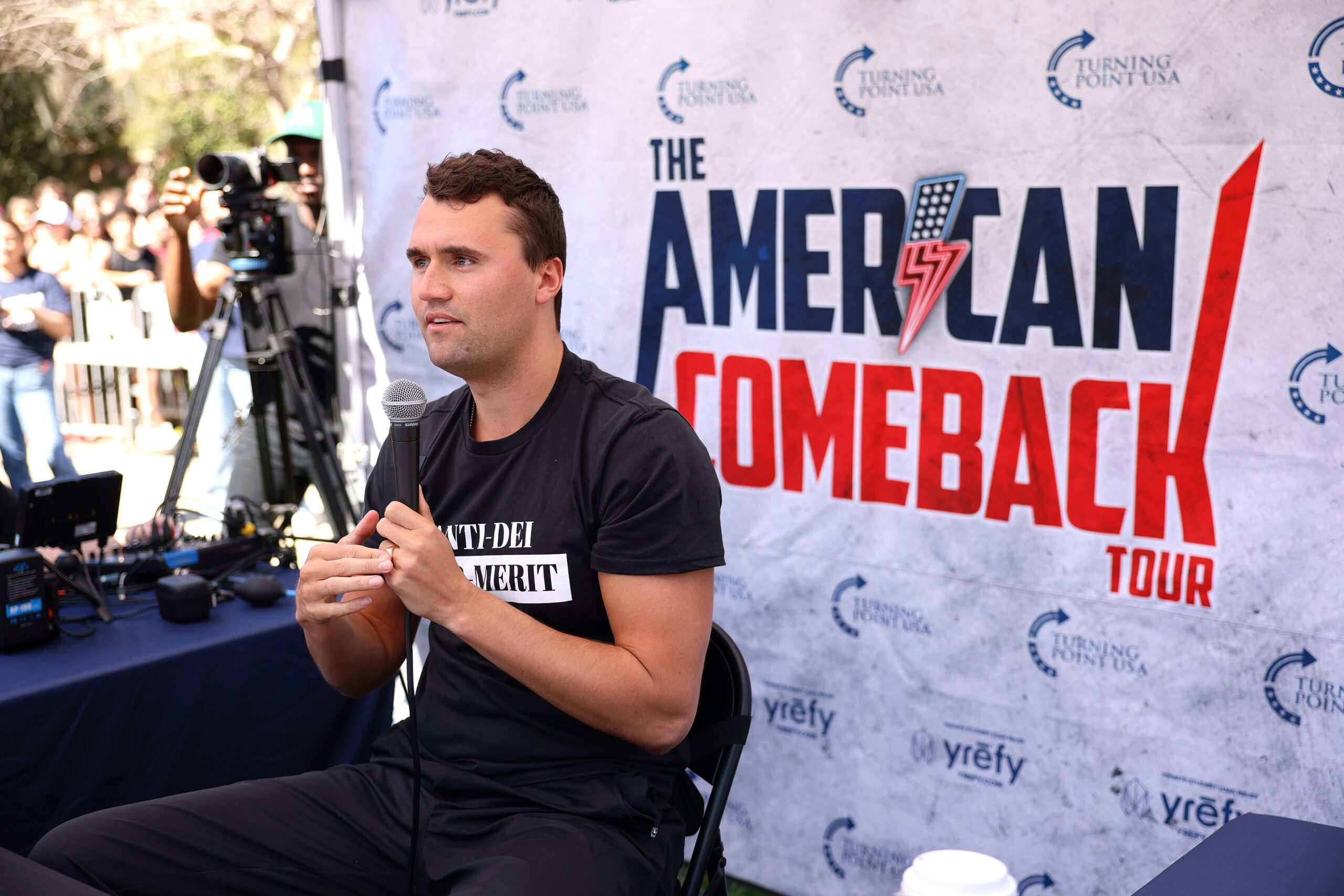
Prosecutors have previously stated that DNA matching Robinson was found on the weapon’s trigger, on a spent shell casing, and on two cartridges. The defense, however, points out that several people’s DNA was found on some of the items, which they argue makes the interpretation more complex and less clear-cut.
Serious Allegations
Tyler Robinson, 22, is charged with aggravated murder following the shooting on September 10 at Utah Valley University in Orem. The prosecution intends to seek the death penalty. Robinson has not yet entered a formal plea in court.
READ ALSO: Conservative Commentator Charlie Kirk Murdered at University
According to prosecutors, Robinson allegedly sent a message to his partner saying he targeted Kirk because he “had enough of his hate.”
As Uncertainty Grows, So Do Speculations
The ambiguous results from the bullet analysis are not only important in the courtroom. They have also quickly caught the attention of various online forums and social media, where alternative theories about the murder are beginning to take shape.
READ ALSO: Nick Alinia Honors Charlie Kirk with Debate at Stockholm University
Some speculate that more people may have been involved, while others question whether the weapon found was truly the murder weapon. Even though such theories are currently unsupported by concrete evidence, the technical uncertainty in the investigation provides more room for doubt—something both defense and prosecution will likely have to address moving forward.
Next Steps in the Legal Process
Robinson is expected to return to court on April 17, when a separate issue will be addressed: whether cameras should be banned from the courtroom during the ongoing process.
Meanwhile, both legal preparations and technical analyses continue—in a case where every detail could be critical.