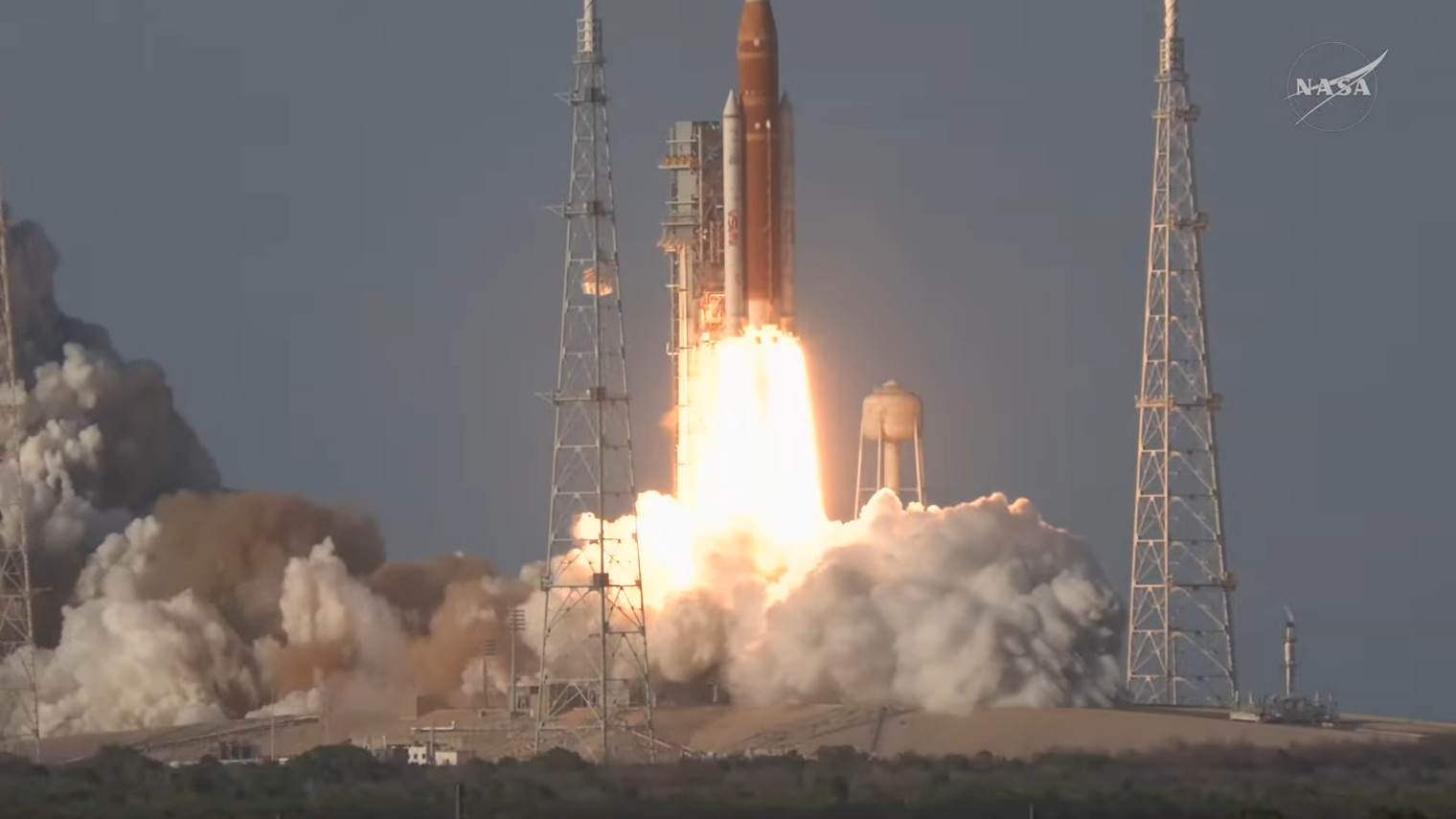
The American space agency NASA launched an Orion spacecraft on Wednesday evening, or late Wednesday night Swedish time, as part of the Artemis program.
With Artemis II, as it is called, astronauts have for the first time in more than 50 years left Earth’s so-called low orbit and are currently in a high orbit. This means an orbit so large that it takes more than a day to circle the Earth.
The next step is what’s called trans-lunar injection: the point where the spacecraft leaves its high Earth orbit to travel toward the Moon.
The first time in over 50 years
The goal for the four astronauts aboard the Orion spacecraft is, in fact, the Moon. The last time astronauts visited the grey celestial body was during Apollo 17 in December 1972.
Eugene Cernan and Harrison Schmitt landed on the Moon, while Ronald Evans waited in Apollo’s command and service module. It was the sixth and final manned moon landing since the first three and a half years earlier.
This time, however, the astronauts aboard the Orion spacecraft will not land on the Moon. Instead, they will fly around it and use its gravity to “slingshot” themselves back to Earth again.
The entire journey, to the Moon and back, is expected to take just under ten days.
Diversity in the Crew
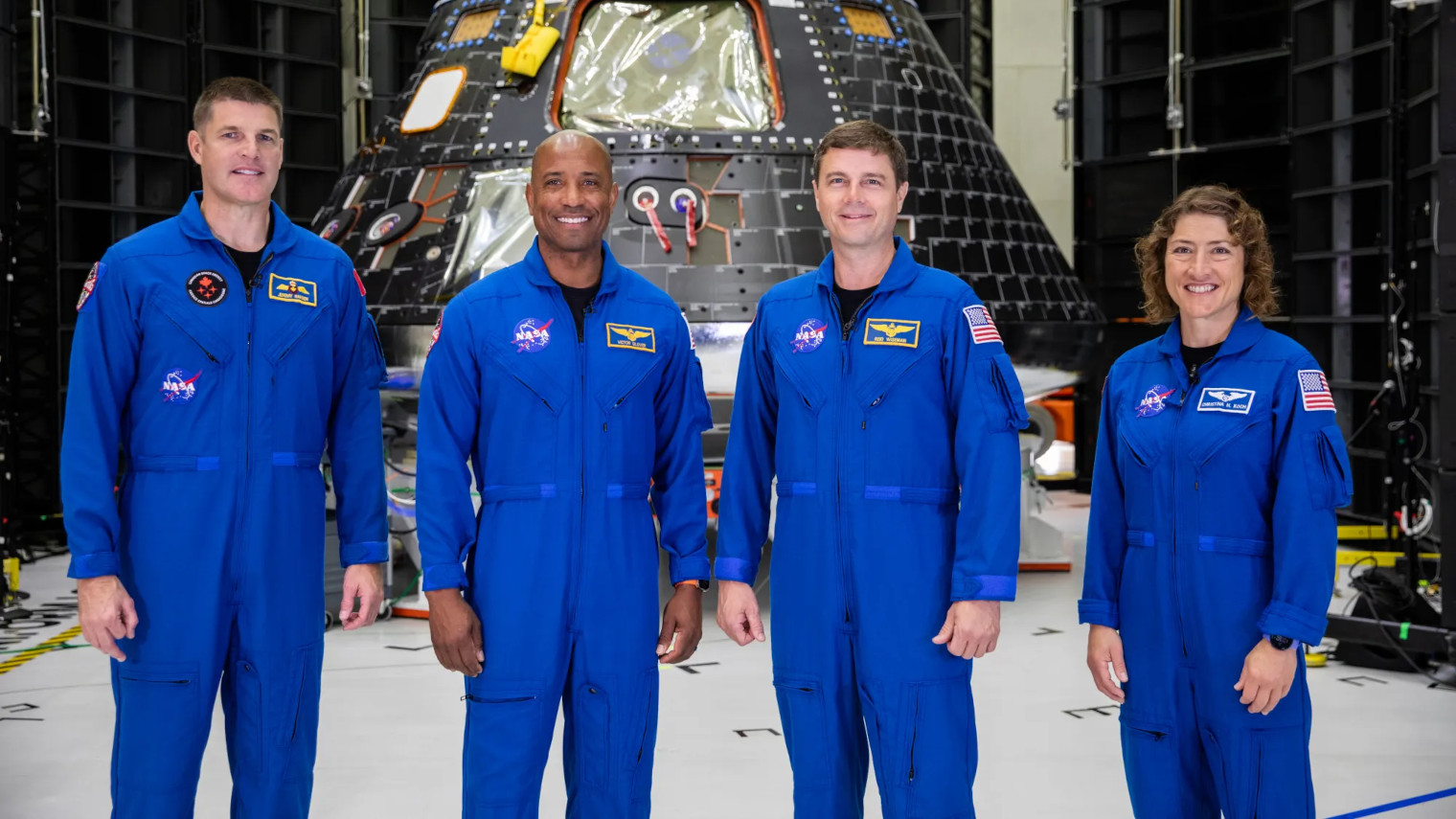
The Apollo program’s astronauts consisted exclusively of white men. Now, as NASA returns to the Moon, there’s more diversity at the controls.
Artemis II will see the first Black person, first woman, and the first astronaut who is not a U.S. citizen leave Earth’s low orbit to fly around the Moon.
The spacecraft itself is also the result of more international cooperation than previous moon missions. Orion’s service module, the European Service Module, is built by Airbus Defence and Space in Germany.