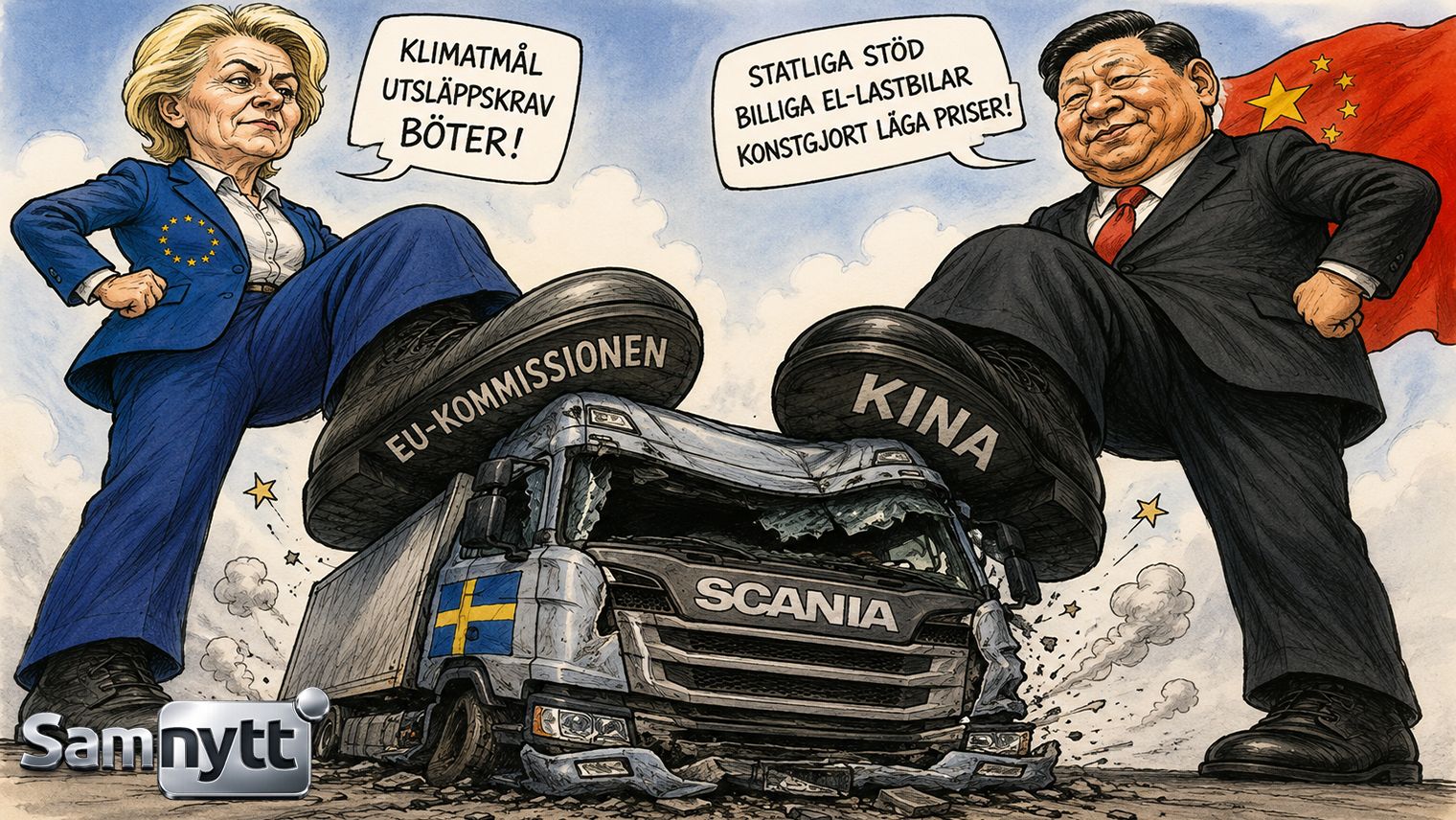
Europe’s truck manufacturers find themselves in an increasingly pressured situation. At the same time as the EU’s climate policy is forcing accelerated green transitions – with the threat of multi-billion euro fines – competition from China is growing, where state-backed actors can push prices significantly lower. The result is a market perceived as uneven, where European companies risk falling behind even in their own home markets.
The EU has set ambitious targets to reduce carbon dioxide emissions from heavy transport – too ambitious, many argue. By 2030, emissions are to be reduced by 45 percent compared to 2019. For manufacturers that do not meet the targets, hefty fines await – in some cases billions for each percentage point missed.
The problem is that the transition is progressing much more slowly than the legislation assumes, and according to critics the technical and economic prerequisites for a faster pace are lacking. Electric trucks still make up a very small share of sales in Europe, and in practice, diesel continues to dominate heavy transport.
“Deeply Unfair”
The manufacturers argue that the responsibility largely lies beyond their control. Infrastructure, access to electricity, and demand from transport buyers are not developing at the same rate that regulatory requirements are increasing. As Scania’s CEO, Christian Levin, puts it in an interview with Dagens Nyheter:
– We feel it is deeply unfair that we manufacturers are being held responsible for changing an entire system based on transport buyers, charging infrastructure, and energy companies.
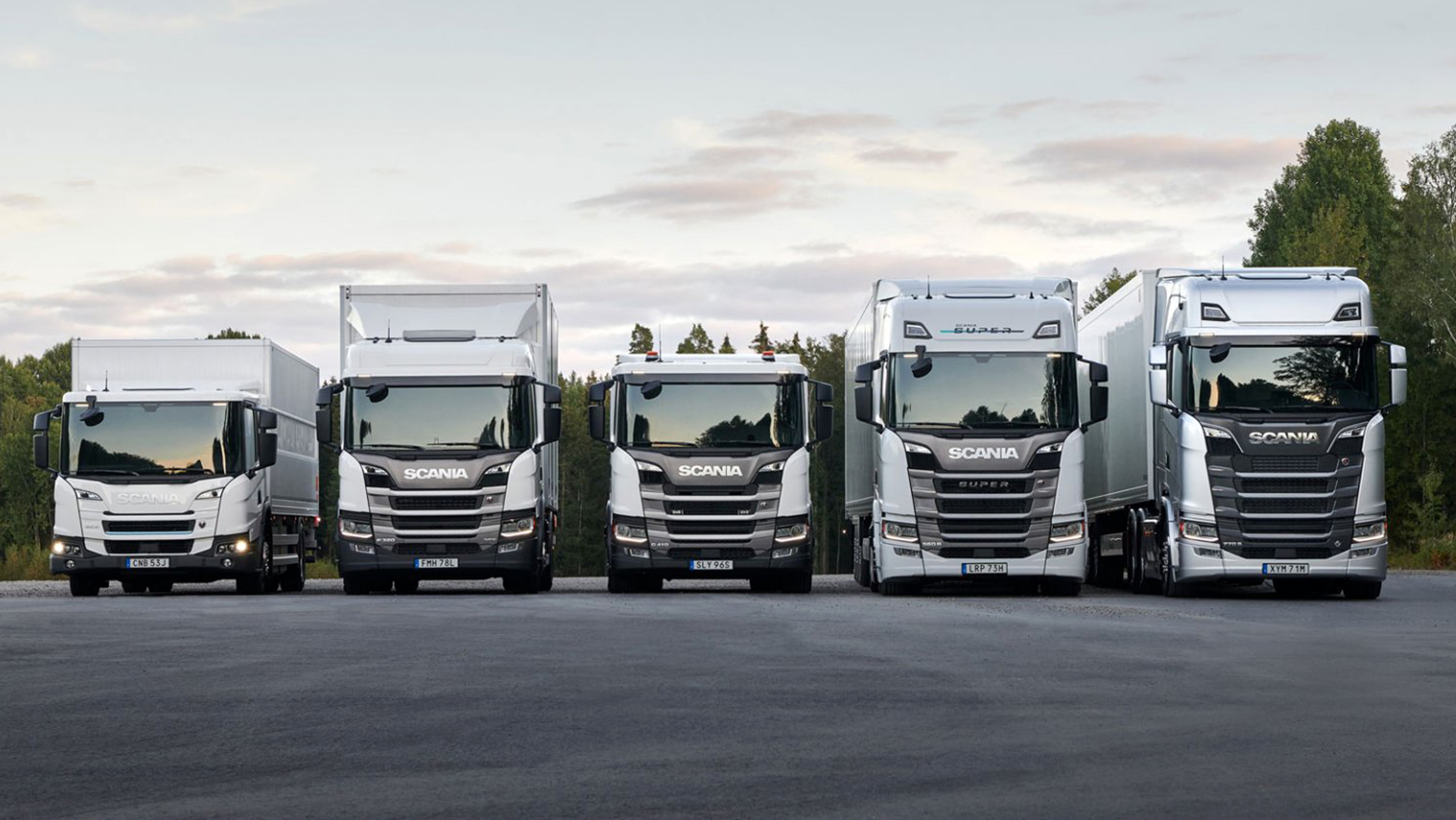
Despite some reliefs in the regulations, the threat of substantial fines remains – something that risks hitting the profitability of an already pressured industry directly.
Expensive Technology That Doesn’t Yet Pay Its Way
Electrification is central to meeting the climate targets, but the technology still involves clear practical drawbacks. Electric trucks are significantly more expensive to purchase and have a shorter range than their diesel counterparts.
READ ALSO: Gigantic flop for Scania’s major investment in electric trucks
For transport companies, the calculation is therefore tough. The upfront investment is high, while in many cases efficiency is lower. Without extensive support or clear economic incentives, it is hard to justify the rapid conversion that climate-oriented politicians in Brussels are demanding.
Chinese Expansion Is Changing the Game
While European manufacturers are struggling with the transition under threat of fines, competition from China is growing rapidly. Several Chinese companies are now establishing themselves in Europe with electric trucks that, according to industry sources, can be up to 30 percent cheaper.
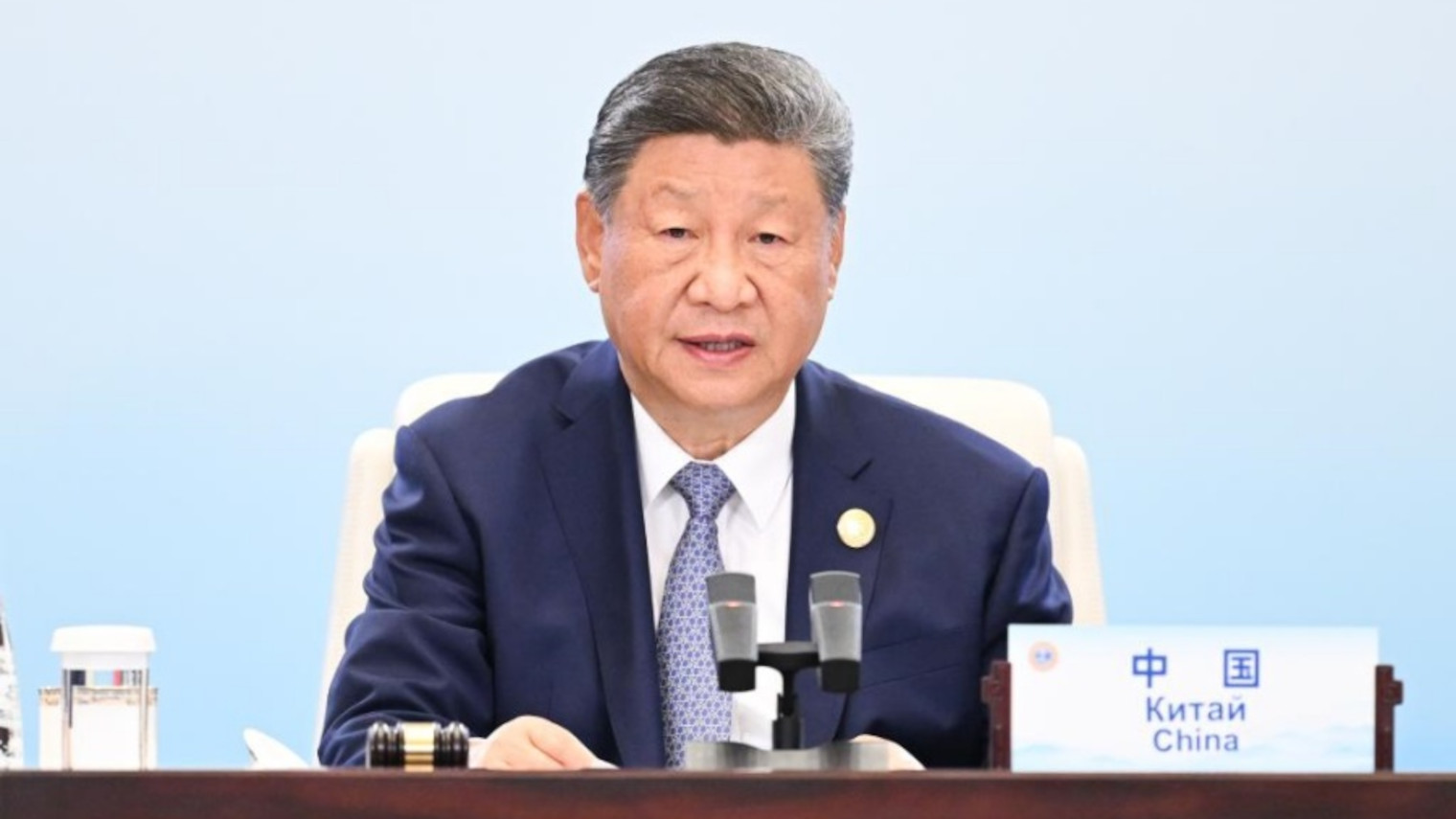
The price advantage is not only due to technical advances but also to an industrial structure where the Chinese state and communist regime play a critical role. Through extensive – often indirect and hidden – subsidies, Chinese manufacturers can push down prices and rapidly gain international market share.
Companies such as BYD, Geely, and Sany are already established, and new actors are arriving at a fast pace. The rapid development cycle – sometimes just a few years from idea to production – further increases the lead.
Automotive veteran Lars Holmqvist warns in a comment to DN that the trend is not coincidental.
– We must not be naive. Chinese manufacturers are not investing billions in market entries on their own. I judge that this is a well-orchestrated Chinese state-driven attack with electric trucks.
Technical Edge and Control Over the Value Chain
Chinese actors also have a strategic advantage by controlling large parts of the value chain – particularly battery production and electric systems. This provides both cost benefits and a technological edge.
The result is a combination of lower prices and competitive performance, putting additional pressure on European manufacturers already struggling with high development costs and EU regulatory demands.
Competition for European manufacturers is not entirely limited to China. American Tesla plans to bring its electric truck to Europe within a few years, further increasing the competitive pressure.
Risk of Losing the European Market
The decisive question is who will dominate the future market for heavy electric vehicles. If price differences persist, European manufacturers risk losing significant market shares – even at home.
Brand loyalty may prove insufficient when transport firms are pressured by their own customers to cut costs. In the end, economics governs purchasing decisions. In a worst-case scenario, Europe could end up without its own truck manufacturers in the future.
A System Under Pressure from Both Sides
All in all, Europe’s truck industry finds itself in a situation where two powerful forces are acting simultaneously. From within through the EU’s climate policy, with (over)ambitious goals and tough economic sanctions. From outside in the form of Chinese competition, backed by state resources and aggressive pricing.
This combination risks tripping up European manufacturers as they try to transition – and may ultimately shift the balance of power in one of Europe’s most important industrial sectors, creating a new dependency on China that the regime could then leverage for pressure in other areas.