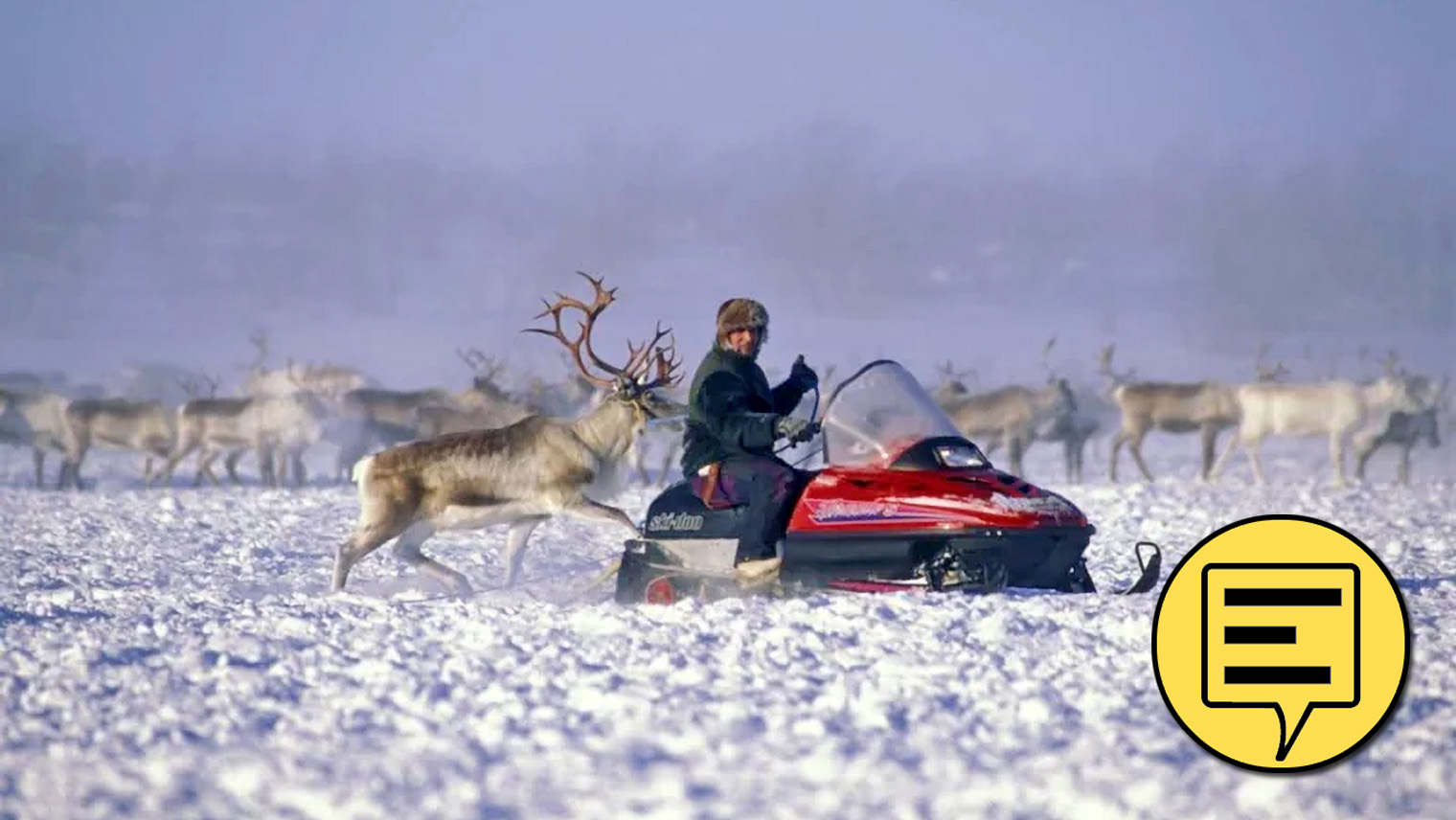
DEBATE • ILO Convention No. 169 (1989) is the central binding international agreement that protects indigenous peoples’ rights, including culture, land rights, and influence. It emphasizes the right to self-determination and consultation. Sweden has not yet ratified the convention, but follows the UN Declaration on the Rights of Indigenous Peoples. A reasonable interpretation of the convention is that it also protects Swedes.
According to the definition, ILO Convention No. 169 applies to peoples in self-governing countries regarded as indigenous, such as the Sami in Sweden. But the Sami and ethnic Swedes are just as much indigenous peoples and live intermixed throughout the country.
Since ethnic Swedes came from the south following the retreat of the ice, they were present before the Sami, who came from the north only after the ice was completely gone. So if one is to make a distinction, it is the ethnic Swedes who are the indigenous people.
A Thousand Reindeer Herders Granted Rights to Half of Sweden
The Sami constitute only a few tens of thousands of the population, and only four percent of them live as reindeer herders. About a thousand Sami have special rights to the part of the country they themselves call Sápmi, which comprises at least a third of all Sweden, and in some respects half of the country. The reasonableness of this can be questioned, and it is.
According to the convention, indigenous peoples have the right to maintain and develop their identity, culture, and way of life. Yet the majority of Sami actually live intermingled with other ethnic Swedes and are not prevented from developing their identity and culture. Reindeer husbandry is conducted by only a small proportion of the Sami and includes ethnically Swedish individuals by marriage.
Living Off Taxpayer Subsidies
They also live off subsidies from the rest of society, in a way that does not align with the old Sami lifestyle and entails privileges that only reindeer owners have access to. This situation has arisen because politicians have long been slow-thinking and influenced by a journalistic community that has not done its job.
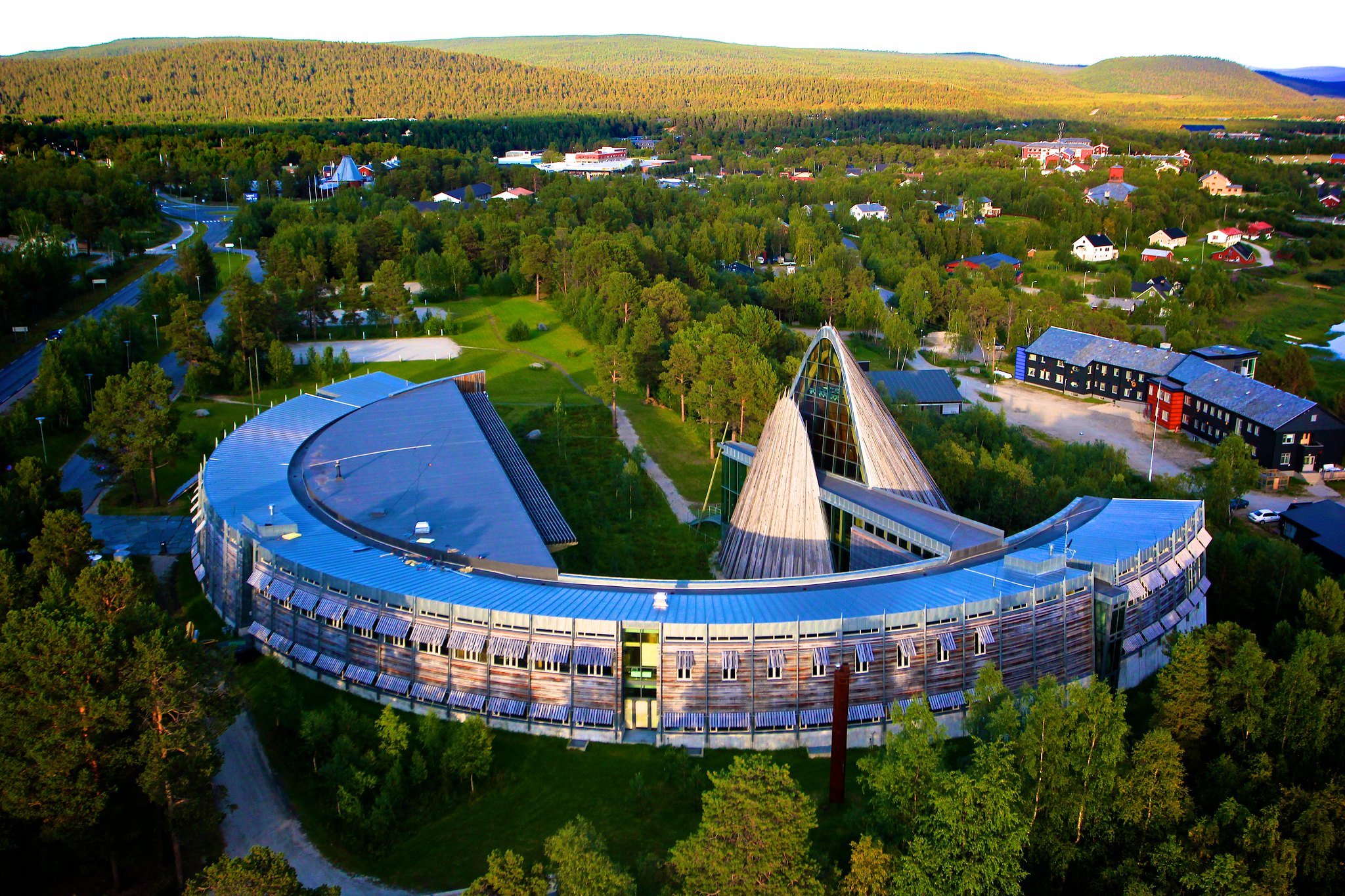
The convention recognizes ownership and possession rights to traditional territories. The reindeer grazing land stretches over half of Sweden and is owned by the state or private Swedes, companies, and the church. The Sami/reindeer owners own none of this.
Swedes and the Majority of Sami Are Discriminated Against
The convention obligates governments to consult indigenous peoples before decisions affecting them are made. This gives reindeer owners (4% of the Sami) living on subsidies an unreasonably large amount of power over more than half the country, at the expense of other ethnic Swedes, including the other 96% of Sami, and hinders other important activities.
The convention is meant to counter discrimination. Indigenous peoples are to enjoy full human rights without restrictions. But the Sami already enjoy the same human rights as the rest of the population in Sweden without the convention. On the contrary, it is the convention that leads to ethnic Swedes, who are also an indigenous people, being discriminated against today by the small clique of reindeer-owning Sami.
The Status of the Convention in Sweden
Sweden has chosen not to ratify the convention, primarily due to disagreements about how far the right to land and water extends in northern Sweden. Here, politicians have actually managed to think things through a bit.
The Sami are recognized as an indigenous people in the Swedish constitution. Yes, but 96% of them live like everyone else in Sweden and have the same rights as everyone else. Only 4%, about a thousand people, practice reindeer herding, which grants privileges such as tearing up the mountain landscape with snowmobiles, motorcycles, and ATVs, exclusive rights to hunt and fish in the mountains, and the destruction of biodiversity. The majority—96% of the Sami and millions of ethnic Swedes—are excluded from this.
The Sami Parliament and other organizations are actively working for Sweden to comply with ILO Convention No. 169. But the Sami Parliament does not represent the Sami, only a clique of Sami reindeer herders who pursue an old hobby while living off our tax money, destroying the mountain environment, and hindering other taxpayers’ interests.
If reindeer husbandry ceased, younger generations would not be pressured by their parents into continuing a strenuous, risky, and stressful occupation that has no future. They could then freely choose a profession they are interested in and suited for, and become an asset to society instead of being a burden on it as they are now.
Ulf Blomquist
Academic degree in biology, ecology, limnology, chemistry, environmental law