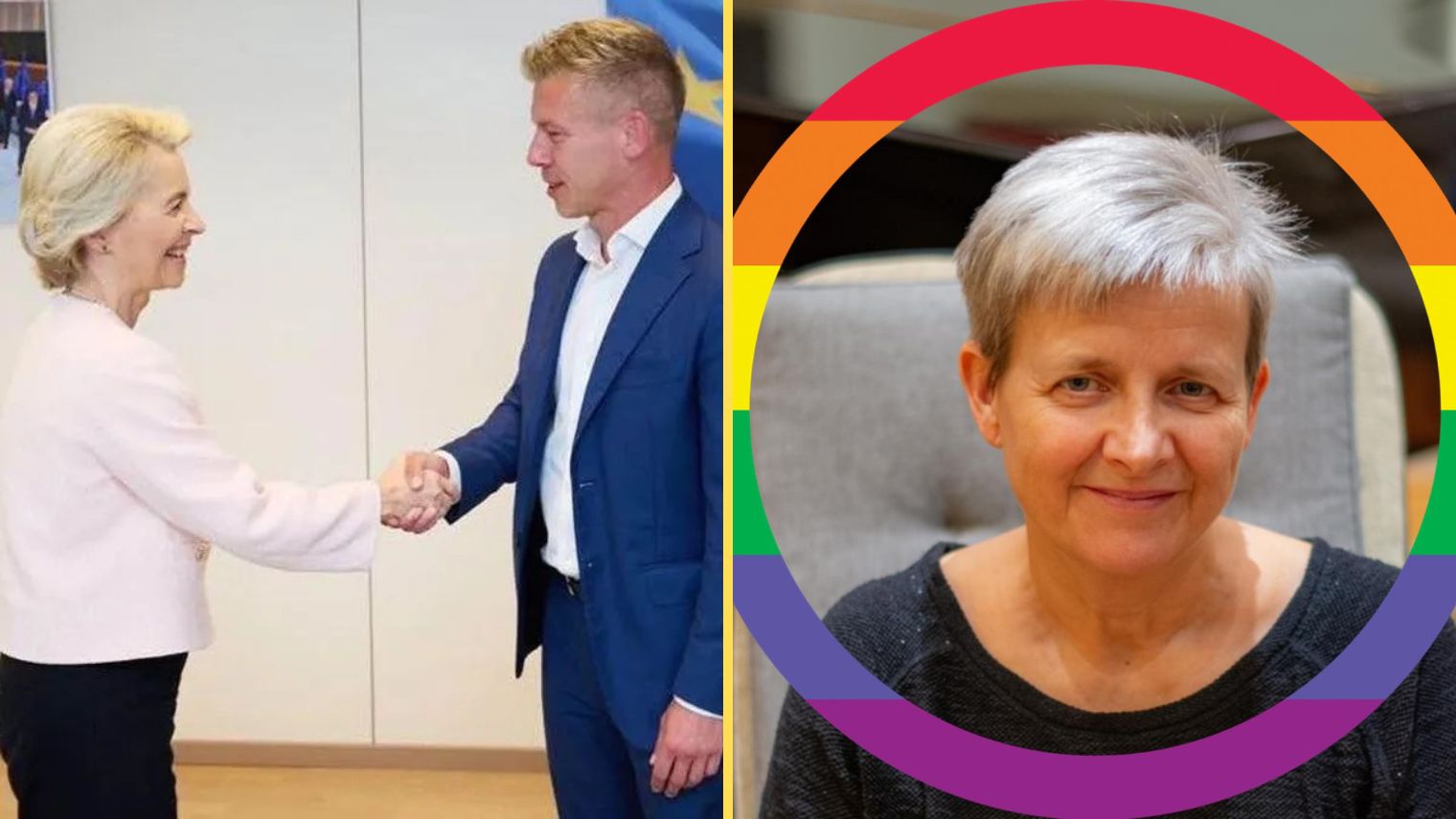
Hungary’s new government is quickly facing pressure from Brussels to overturn outgoing Prime Minister Viktor Orbán’s policies. Shortly after the election victory, an EU court ruled that Hungary had violated union law by banning LGBTQI content for children. Following that decision, the incoming prime minister has chosen to appoint an LGBTQI activist as minister, ahead of a rector from a Catholic school. At the same time, reports suggest that a 24-hour “rainbow TV” channel will be launched in the country.
The new Hungarian government, soon to take power with Tisza party leader Péter Magyar at the helm, continues to shape its political direction. One of its first major decisions has now sparked strong reactions on social media and set the tone for the upcoming term.
The post of Minister of Education has gone to Judit Lannert, a woman described as a left-liberal known for her commitment to equality and LGBTQI issues. This is a choice likely welcomed by many of the centrist and left-leaning voters who supported Tisza.
The appointment follows a period of speculation during which Rita Rubovszky, principal of a Catholic school, was mentioned as a potential candidate. Ultimately, the post went to Lannert, which has been described as a clear political choice by the new government.
The decision to appoint an LGBTQI activist as minister comes in parallel with the EU ramping up pressures on Hungary. One of these pressures is to repeal the 2021 law that limits or bans what is called the promotion of homosexuality and gender change in media accessible to children.
READ MORE: EU court just after election: Hungarian children must be exposed to LGBTQ propaganda
According to an EU court, Hungary’s law violates several EU laws and “constitutes a particularly serious infringement of several fundamental rights.”
When the law was adopted five years ago, EU Commission President Ursula von der Leyen stated, “the Hungarian bill is a shame,” and promised to use “all the powers of the Commission to ensure that the rights of all EU citizens are guaranteed, no matter who they are and where they live.”
Outgoing Prime Minister Viktor Orbán commented on the EU’s pressure, which he describes as LGBTQI propaganda, by saying that Brussels’ steamroller did not delay after the change of power in Hungary.
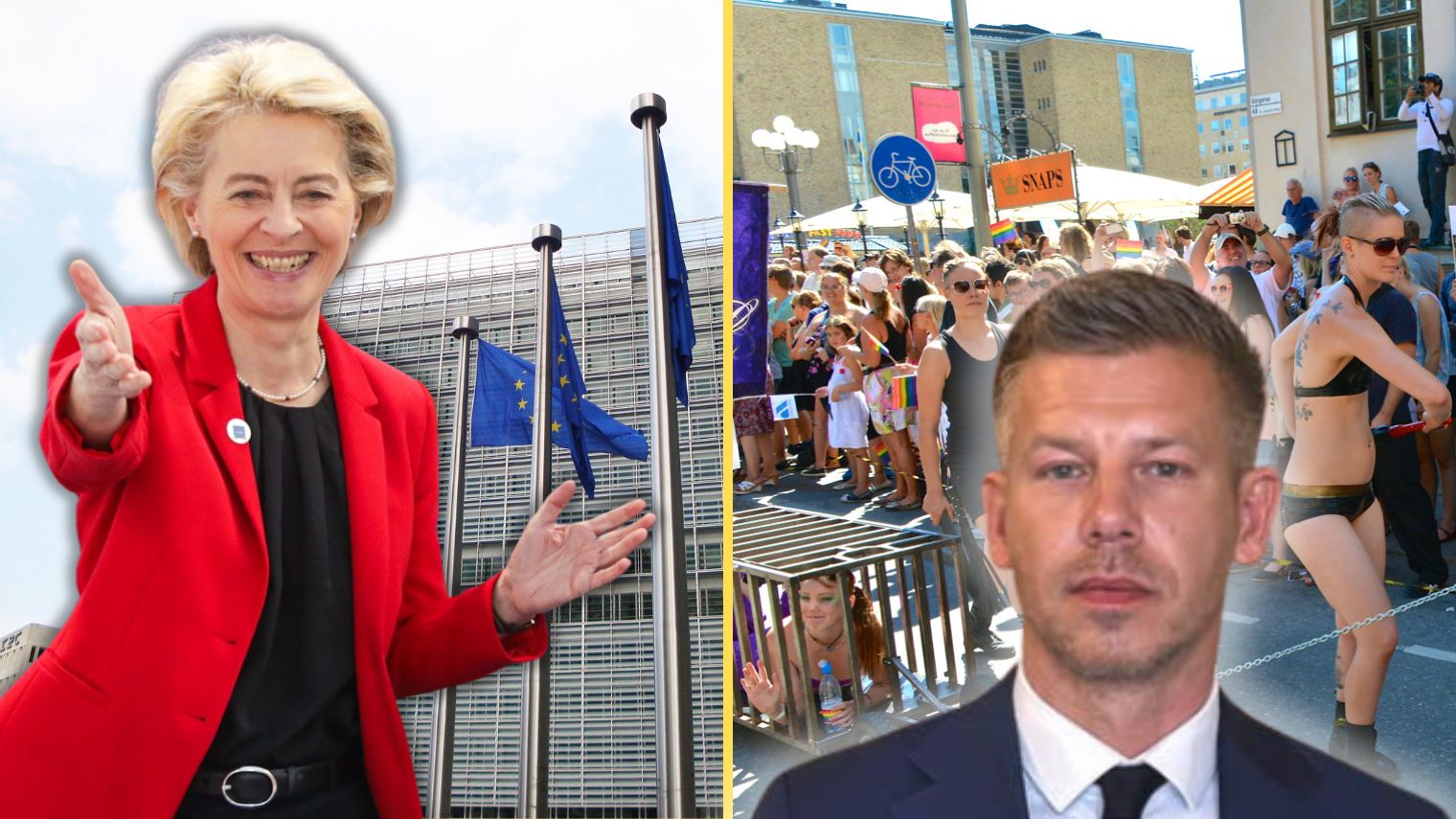
Many EU Demands
After Péter Magyar’s election victory in Hungary, he has been described on social media as conservative, and by some as more critical of immigration than previous Prime Minister Viktor Orbán. Some have even compared the political shift to Hungary moving from policies similar to Alternative for Sweden to a more Sweden Democrat line, trying to describe the Tisza party Magyar represents.
The party has, at the same time, received broad support from the left-liberal establishment in Europe and the USA, and has also been linked positively to the :censored:6:cdd6bbaa89:ist Soros network.
READ ALSO: Elon Musk as Soros celebrates Orbán’s fall: “Soros has taken over Hungary”
There are divided opinions about Tisza’s ideological direction. Even though Magyar, due to his background in Fidesz circles, is perceived as conservative and has made anti-immigration statements, he is clearly more EU-friendly and has already begun to roll back parts of Orbán’s policies.
It is hardly a stretch to assume that Brussels expects change in order to gradually unlock EU funds that have been frozen while Hungary complies with union demands. Already now, reports are circulating about 27 initial demands, in addition to a fresh EU court ruling regarding LGBTQI issues.
READ ALSO: EU: Hungary must give up Orbán’s policies – requires 27 changes to release frozen funds
What is often overlooked in the discussion about Hungary’s new political landscape is that Tisza is not a uniformly conservative party, but rather should be seen as a broader opposition movement with a wide mix of conservatives, liberals, leftists, and environmental forces. This has also become clear in the formation of the government, where Magyar has appointed a Minister of Education described as a left-liberal.
Magyar’s anti-immigration positions on certain issues, such as rules for guest workers, should probably be interpreted cautiously and evaluated over time rather than based on isolated campaign statements. It can instead be seen as strategic positioning in a political landscape where the immigration issue plays an important role, and where such a stance can help broaden the voter base and challenge Hungary’s long-dominant ruling party.
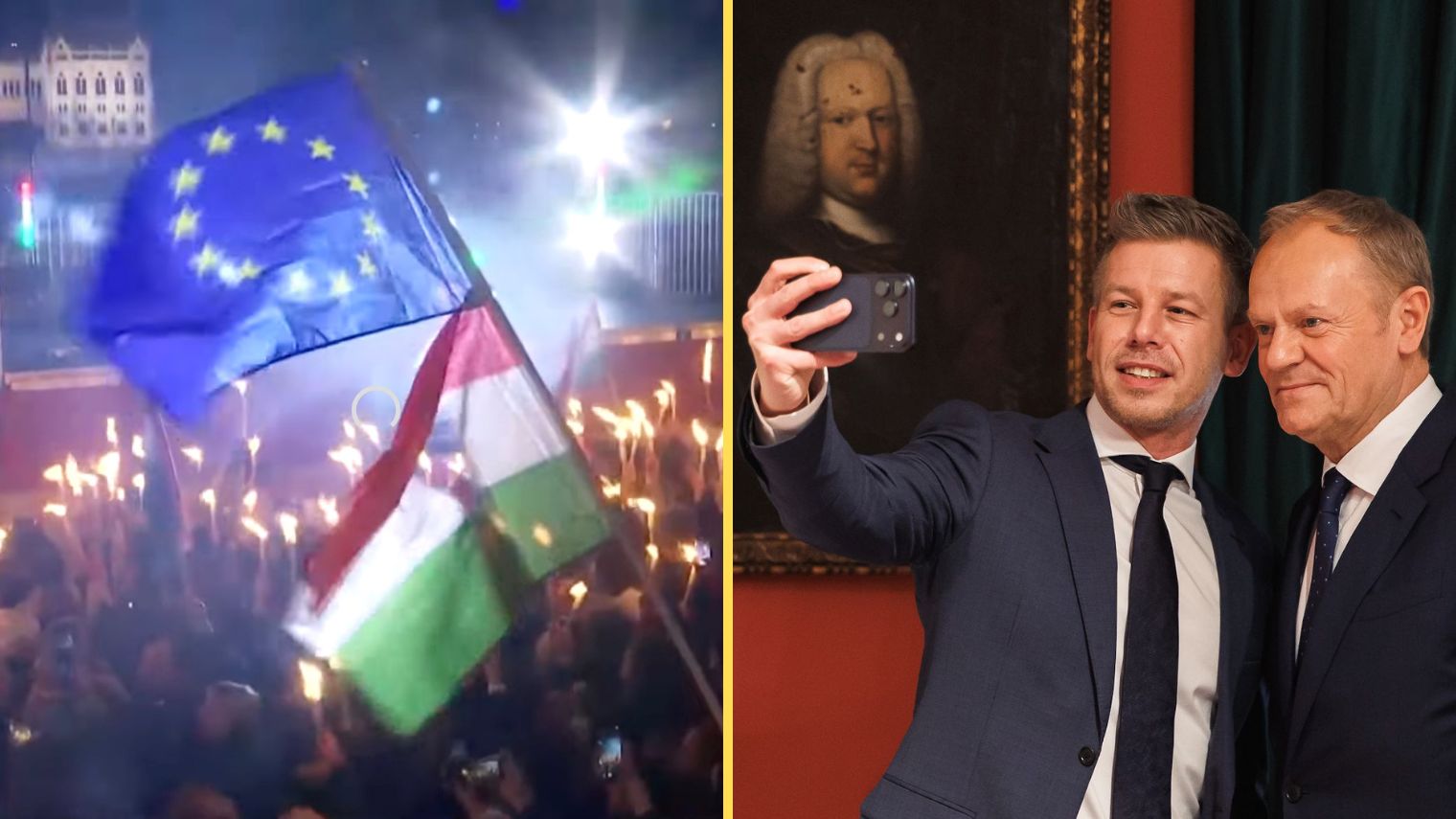
Magyar’s first foreign contacts have included visiting Poland’s Prime Minister Donald Tusk and the EU leadership in Brussels, and he has already signaled a willingness to introduce the euro, all of which suggest a distinctly EU-oriented line rather than a traditionally conservative profile.
Furthermore, the incoming Prime Minister Péter Magyar has announced that the EU flag will be returned to the facade of the Hungarian parliament, marking a step towards a more EU-friendly policy.
“Rainbow TV”
Apart from the new minister, an LGBTQI-focused TV channel is reportedly already being planned under the name Szivárvány TV (“Rainbow TV”), according to reports from the newspaper Magyar Nemzet.
The channel will reportedly focus on LGBTQI issues and combine traditional TV broadcasting with modern online streaming around the clock. An application for a broadcasting license has already been submitted to the Hungarian media and communications authority.
READ ALSO: EU-liberal Hungary to stop news broadcasts – so “impartial” content can be secured