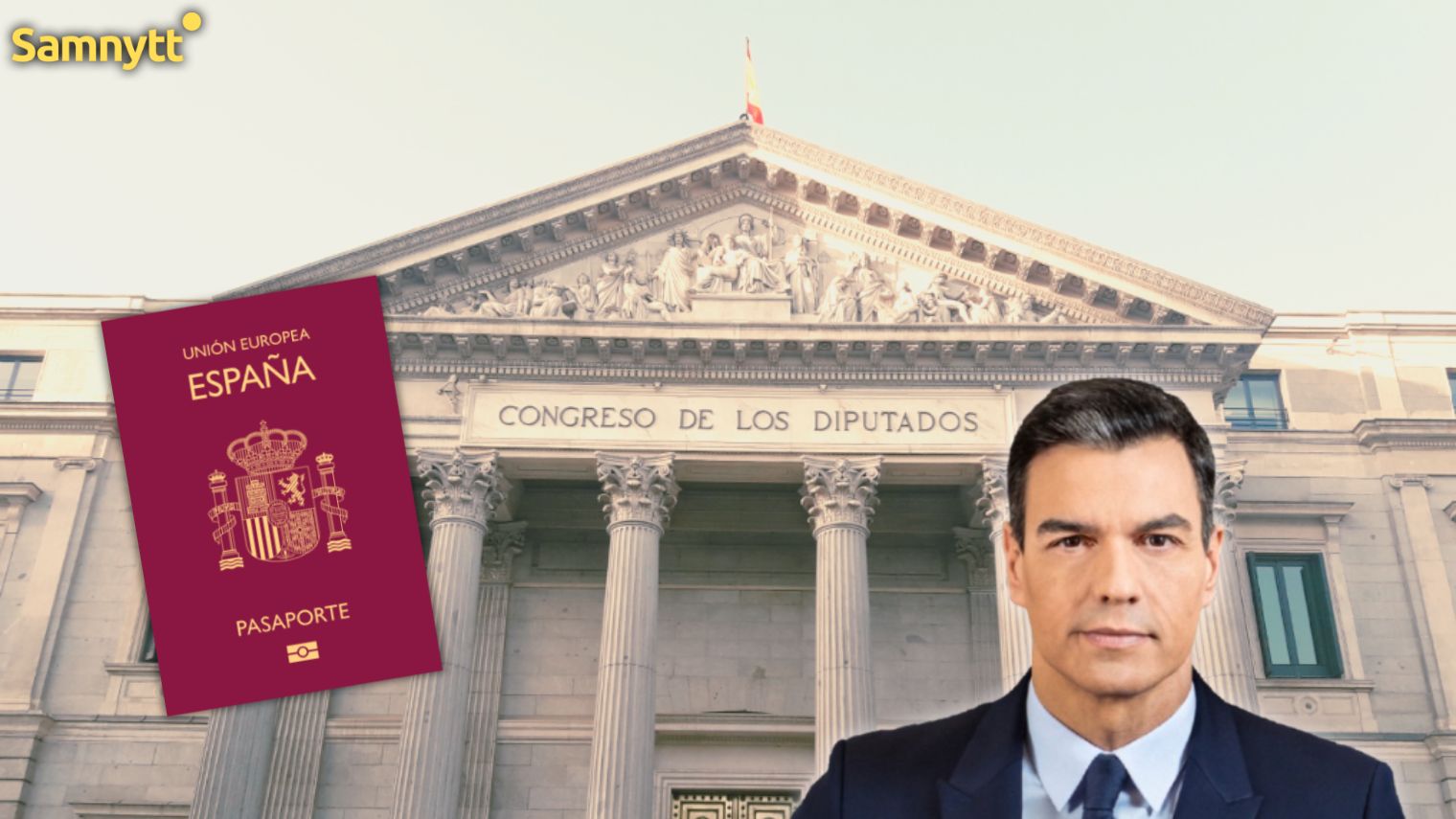
The Spanish parliament has voted in favor of a law that could grant tens of thousands of Sahrawis Spanish citizenship. The decision comes at a time when relations between Spain and Morocco are strained following the major migrant crisis in the Spanish enclave of Ceuta.
The proposal, put forward by the left-wing party Sumar, means that people born in Western Sahara under Spanish administration before September 29, 1977, will be eligible for Spanish citizenship. Their descendants are also covered by the law.
Estimates from Sahrawi organizations indicate that between 80,000 and 120,000 people could be affected.
READ ALSO: Tens of Thousands Demonstrate in Spain After Migrant Crisis in Ceuta
In the vote, 168 members voted in favor of the proposal, 31 against, and 145 abstained. The governing parties supported the law, while Partido Popular and Junts abstained. The right-wing party Vox voted against it. The proposal will now proceed to the senate and, if amended there, must return to the lower house before it can become definitive law.
The background is that Western Sahara was a Spanish colony until 1975, when Spain left the area. Morocco has since claimed Western Sahara, while the Sahrawi independence movement Polisario Front demands independence. The issue is therefore highly sensitive in the relationship between Madrid and Rabat.
70,000 Migrants
The decision also comes at a particularly charged moment. At the end of July, over 70,000 people from Morocco entered Ceuta, the Spanish enclave on the North African coast. Spanish authorities had received advance warnings of plans for an organized mass breach at the border.

Spain has since declassified intelligence reports about the incident. The government has at the same time avoided stating that Morocco was behind the migrant influx. Moroccan authorities have denied involvement and rejected the accusations.
Conflict with Morocco
Ceuta is a central point of conflict between the countries. Spain regards the enclave as its own territory, while Morocco does not recognize Spanish sovereignty over Ceuta and Melilla. Following the summer’s border crisis, the issue has gained renewed political weight in Spain, with Ceuta’s local government simultaneously appealing for increased support from the EU.
The new citizenship proposal therefore risks further complicating relations with Rabat. It is particularly sensitive since the Spanish government in 2022 abandoned its previous stance and instead endorsed Morocco’s plan of autonomy for Western Sahara—a decision that at the time helped improve relations after earlier conflicts.
No official Moroccan response to the new law had been announced as of Thursday. However, the decision means that the Western Sahara issue is once again high on the political agenda in Spain, even as the country continues to deal with the aftermath of the dramatic border crisis in Ceuta.
READ ALSO: VIDEO: Here Migrants Kill a Dolphin in Ceuta