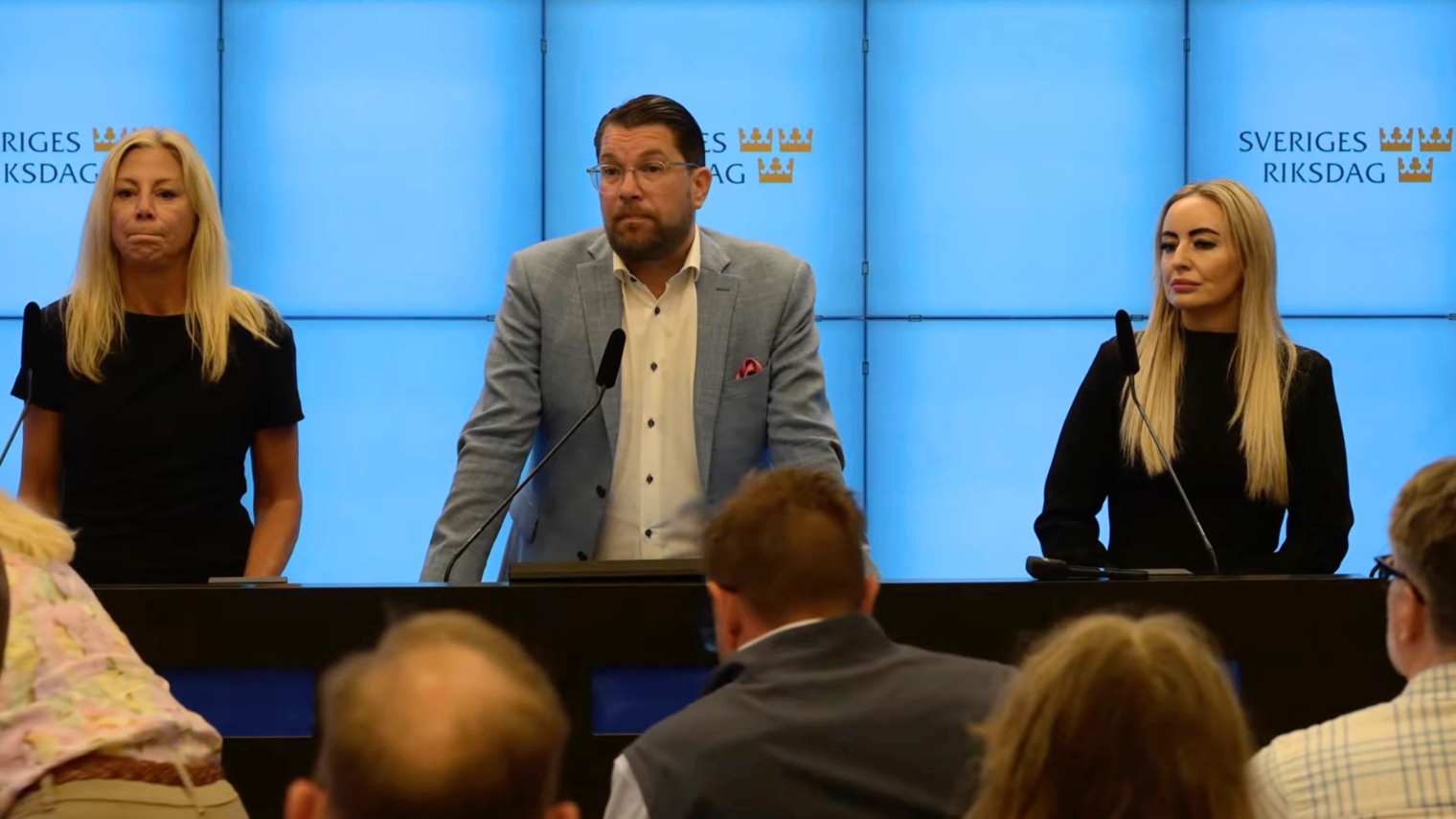
The Sweden Democrats want to make a comprehensive change to Swedish psychiatry and are now proposing that the state should take responsibility for a new form of psychiatric homes. The party wants, during the next parliamentary term, to investigate and begin implementing the reform, which Jimmie Åkesson describes as a modern version of the old mental hospitals.
The idea is to create a more long-term care and housing solution for people with extensive psychiatric needs. According to SD, these are people who today risk falling between different parts of the care and social system, and who may need support for much longer periods than the current system provides.
Åkesson describes the target group as people who need both care and a more permanent support in their daily lives.
– A kind of modern version of the old-time mental hospitals, says Åkesson at the press conference.
– This is meant for people in need of more long-term care and more permanent support in everyday life, where they are also given the opportunity for effective treatment and, hopefully, better health and daily living.
Wants to Catch Patients Who Fall Through the Cracks
The proposed psychiatric homes should, according to the party, function as a housing solution for people who have a history of, for example, repeated emergency visits, involuntary admissions, or round-the-clock psychiatric care.
SD’s parliamentary group leader, Linda Lindberg, argues that there is a particularly vulnerable group that today’s system does not manage to take care of in a sufficiently coordinated way.
– It should be a place for a vulnerable patient group who today fall between the cracks, says Linda Lindberg at the press conference.
The party wants the service to be able to offer support over a longer period and for the solution to be adapted to the individual’s needs. According to the proposal, this could involve both closed and open wards, while the length of the stay may be permanent or determined based on the individual’s situation.
No Coercion
At the same time, Lindberg emphasizes that the service is not intended as a return to the institutional psychiatry of the past. A central part of the proposal, instead, is that the housing should be based on voluntariness.
– This should be based on voluntariness to the greatest extent, says Lindberg.
SD’s proposal is based on the major transformation that Swedish psychiatry has undergone since the 1970s. Deinstitutionalization began during that decade and culminated in the psychiatric reform of 1995. As part of the reform, much of the responsibility for people with mental illness was transferred from the county councils (today’s regions) to the municipalities.
READ ALSO: SD criticizes red-green psychiatric cuts
According to the Sweden Democrats, the change has meant that some patients have not been given sufficient alternatives when the need for long-term support remains.
Clara Aranda, SD’s spokesperson for social insurance issues, argues that in many cases relatives have had to shoulder a large responsibility since the previous system of institutional care was changed.
– Inpatient care places were not replaced with open care places, and instead relatives have often had to take on extensive responsibility for care, support, and coordination. We want to change that, says Clara Aranda at the press conference.
The party compares the new psychiatric homes to today’s dementia residences, even if the service would be aimed at people with extensive psychiatric needs. Exactly how these homes would be organized and how many would be needed is not yet established.
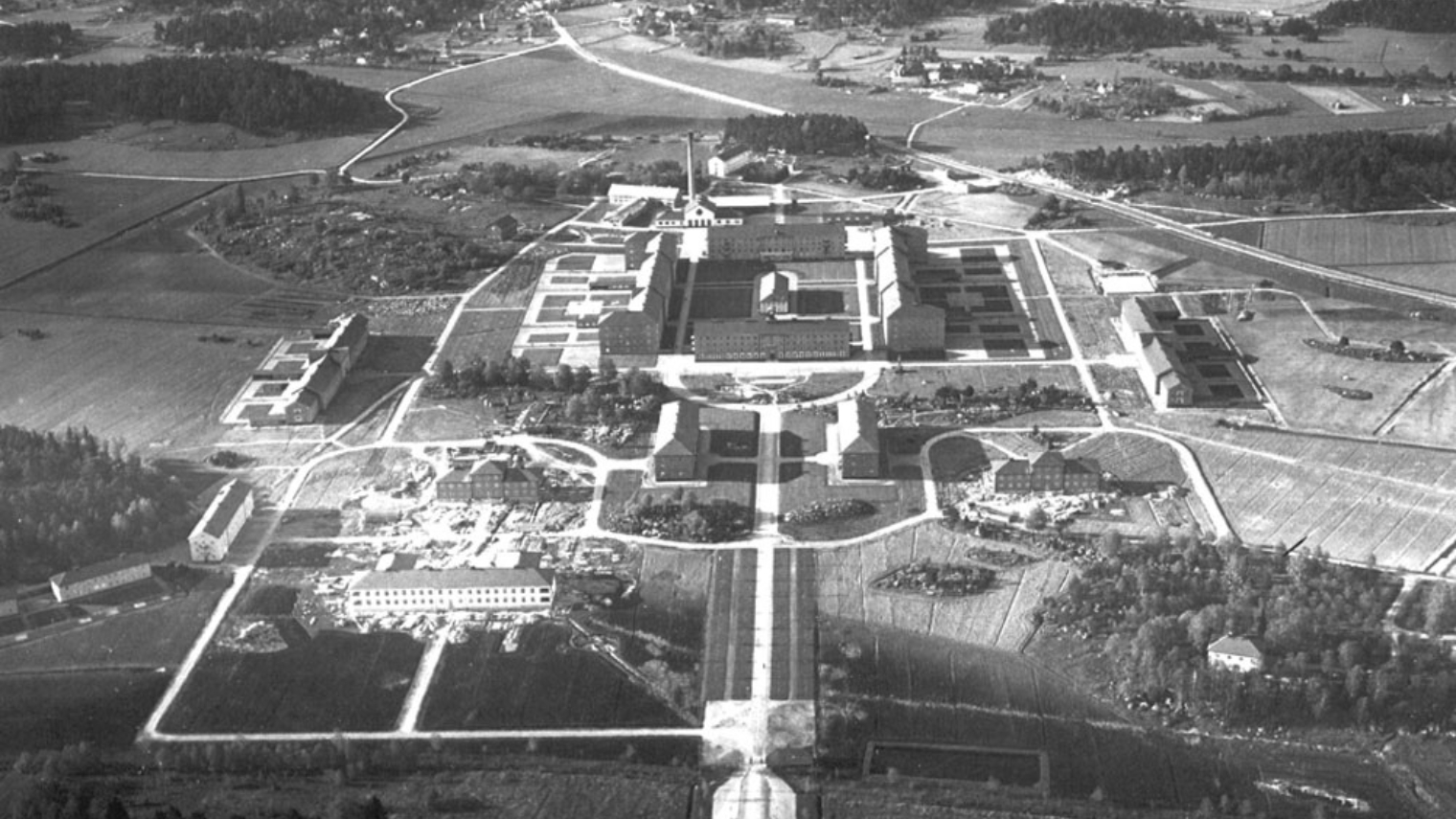
“A Major Reform – But Necessary”
An important part of the proposal is that the state should be the principal authority for the service. This would, in turn, mean that a new authority would need to be established to be responsible for the psychiatric homes.
There is not yet a finalized financing plan or exact cost for the reform. However, SD states that the party is prepared to allocate “significant resources” to start and operate the service.
READ ALSO: Murdered paramedic – here was the sentence
Åkesson himself describes the reform as comprehensive, but believes it can be implemented gradually. The idea is to start on a small scale and then expand the service over time.
– This is a major reform but it is absolutely necessary, says Åkesson.
The party therefore does not want to determine the final scale from the beginning, but envisions a model where needs will determine how the service is developed.
Wants to Strengthen Support for Relatives
The proposal also includes strengthened support for relatives. SD believes that a better-functioning psychiatric care would be able to reduce the responsibility that today often falls on family members.
Linda Lindberg also points out that improved psychiatric care could have significance for overall security in society.
The proposal thus means that the state would assume significantly more responsibility for a group of people with extensive and long-term psychiatric needs. However, before any psychiatric homes can begin to be built, several questions remain regarding organization, scale, and financing.
SD’s plan is to first investigate the reform during the next parliamentary term and then begin implementation. The party envisions a gradual expansion where the service can start on a small scale and grow as needs become clearer.
READ ALSO: Dagerlind: A ‘terrible’ from the Prime Minister is not enough when paramedics are murdered