Five Muslim organizations in Järva are joining forces ahead of the election, urging Muslims and other Swedes to vote. At the same time, they are sharply critical of what they describe as political provocations and an increasing focus on Islam and Muslims in the election debate.
In an opinion piece published by Nyhetsbyrån Järva this week, five Muslim organizations in Järva have come together for the election campaign. Their message is that crime, integration, education, the economy, and defense should be higher priorities on the political agenda than what they describe as the “culture war” and political provocations.
The opinion piece is signed by representatives of Islamic Culture Center Rinkeby, Husby Islamic Culture Center, Islamic Association in Järva, Eritrean Muslim Association in Stockholm, and Khadija Center Kista. However, no personal names are given.
READ ALSO: Jomshof’s Success: The Islam Book SOLD OUT in a Day
The background to the statement, according to the organizations, includes recent comments from SD politician Richard Jomshof. They write that Jomshof’s rhetoric creates division and that the political debate risks getting stuck on issues of Islam, immigration, and Swedish values instead of focusing on societal problems.
The organizations also write that they do not wish to deny these problems. On the contrary, they explicitly mention crime, segregation, and failed integration as issues that must be addressed. Violent extremism and honor-related violence are also named as problems that must be combated.
Part of Swedish Society
A central part of the text is the attempt to establish Swedish Muslims as an obvious part of Swedish society.
“We are not a problem to be managed. We are citizens who should help build the country,” the organizations write.
They describe how Swedish Muslims work in, among other things, healthcare, education, and public transportation, run businesses, and study. Their argument is that the same societal problems that affect other Swedes also affect Muslims.
The organizations thus reject a political logic where Muslims are described as a foreign element in Sweden. Instead, they call for a debate on topics such as employment, entrepreneurship, education, healthcare, and security.
At the same time, the opinion piece seeks to distance itself from confrontational political mobilization. The authors write that they do not intend to describe voters who support a particular party as enemies, and recognize that many Swedes have genuine concerns about crime, migration, integration, and societal change.
Encourages Political Participation
The most concrete message before the election is a call to participate in voting. The organizations want people to read the parties’ platforms, review their achievements, and form their own opinions. They also say they plan to become better organized within civil society, invite politicians from various parties, and ask them questions.
“That is why our answer is voter participation,” they write.
READ ALSO: After the Islamist Chaos: 7 out of 8 are Arabs on the Left Party’s New Municipal List
This also means that the text does not contain any explicit recommendation to vote for a specific party. On the contrary, the signatories emphasize that people do not need to vote the same way.
However, they want to see a campaign where the parties compete for votes through concrete results in areas such as jobs, education, security, economy, healthcare, and integration.
Who Is Behind It?
The five organizations have different backgrounds and activities, and there are significant differences in how much public information is available about them.
Islamic Culture Center Rinkeby (IKCR) states on its website that it is a non-profit association that has existed since 1992, working on religious, cultural, and social activities.
The organization describes itself as a gathering place for the Muslim community in Järva and works with education, children’s and youth activities, and a project to build a bigger mosque. The organization says its members represent over 30 nationalities.
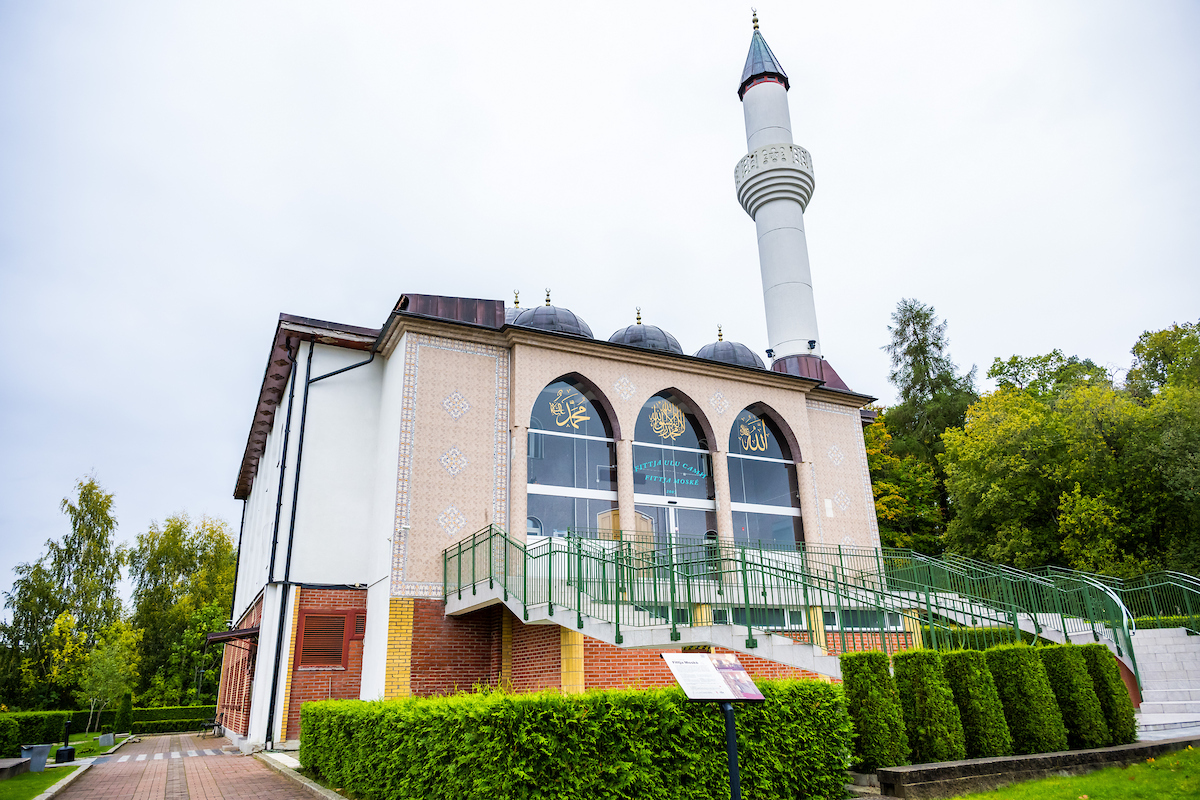
Husby Islamic Culture Center, also known as Husby Mosque, states it was founded in 1986 and serves as a place for religious and knowledge-based gatherings. According to the mosque’s website, it receives about 500 visitors per day and around 1,000 for Friday prayers.
The Islamic Association in Järva is a non-profit group that has existed since the 1990s, providing activities for youth and families over several years. The association also has a documented history of working against violent extremism.
Swedish Radio reported in 2016 about the association’s so-called WAANO project, where films targeted at young Muslims were produced to counter recruitment to extremist groups and travel to Syria and Iraq. The project was partly funded by the General Inheritance Fund and Stockholm’s city districts.
The association has also worked to boost voter turnout in Järva. Ahead of the 2014 election, then-chairman Ibrahim Bouraleh said the organization saw it as its duty to shape opinion and encourage people to vote.
The Eritrean Muslim Association in Stockholm, which is also known as Jalia, focuses on the Eritrean Muslim community. The association has organized sports and family activities, and remains active in Stockholm’s community scene.
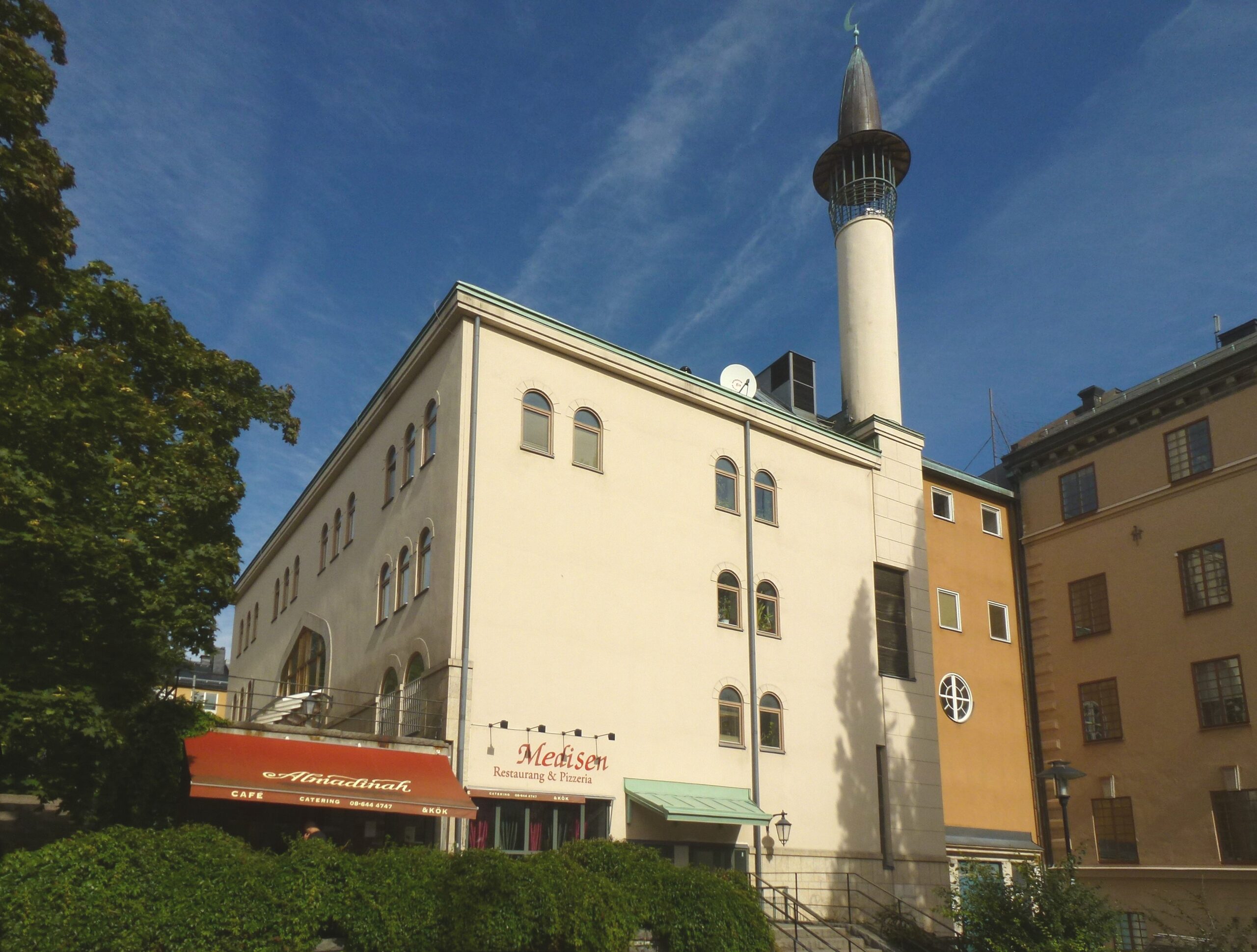
Khadija Center in Kista is described as an Islamic cultural center and a Sunni mosque. The center is located in Kista and hosts activities for the Muslim community, including religious gatherings and events.
Åkesson Disagrees
The article ends with a call for politicians to compete for voters’ trust through results, not provocations.
“We will not let ourselves be provoked away from Sweden’s future. We intend to help build it,” the five organizations write.
In Monday’s party leaders’ debate, SD leader Jimmie Åkesson made it clear that, according to him, to be a fully practicing Muslim cannot be reconciled with being integrated into Swedish society:
READ ALSO: The Social Democrats’ Ties to the Muslim Brotherhood Go Back to 1969