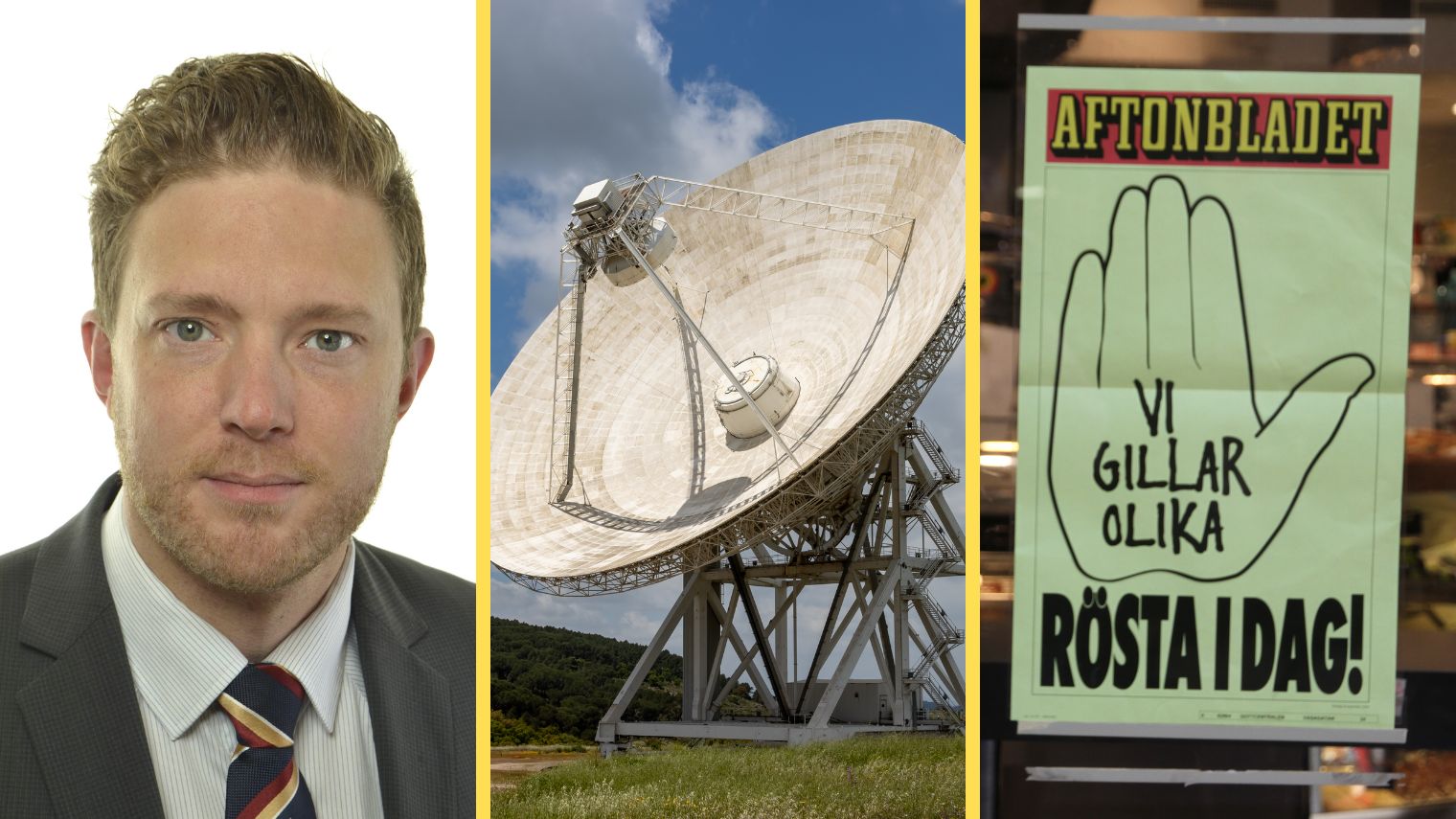
Earlier this year, Aftonbladet was granted a national radio license and replaced a classic radio channel. The Sweden Democrats fear this could lead to the radio channel becoming yet another megaphone for the newspaper’s opinion journalism ahead of the election, and they are asking the Minister of Culture whether the government intends to take action.
It was on February 18 that Aftonbladet was granted a national radio license and given space on the national terrestrial radio via the FM band. At the same time, the classic radio channel NRJ lost its license after 20 years.
In his written question to Minister of Culture Parisa Liljestrand (M), Josef Fransson (SD) also notes that Jan-Olof Lind, the Director General of the Media Authority responsible for the licenses, has a background as State Secretary to the former Social Democratic Minister of Defense Peter Hultqvist.
READ ALSO: Authority Receives Extra Funds – To Combat AI Disinformation
“This is anything but irrelevant in this context, as Aftonbladet is closely aligned with the Social Democrats,” writes Fransson.
Megaphone for the Left Bloc
The Sweden Democrat also notes that the decision for the Media Authority to appoint commercial actors on the FM band was made through amendments to the Radio and Television Act, which means the radio licenses are no longer awarded to the highest bidder but instead are based on more arbitrary criteria. This leads to the following question:
If Aftonbladet moves its podcasts and opinion journalism to the radio channel, it will become a megaphone for the left bloc during about one and a half months of the final stage of the election campaign. As far as I know, there are no formal obstacles to running an election campaign 24/7 under this radio license. This skews the playing field and specifically benefits a particular party.
With this in mind, I would like to ask Minister of Culture Parisa Liljestrand:
Does the minister share my assessment of the problem, and does she intend to take any action in light of these events?
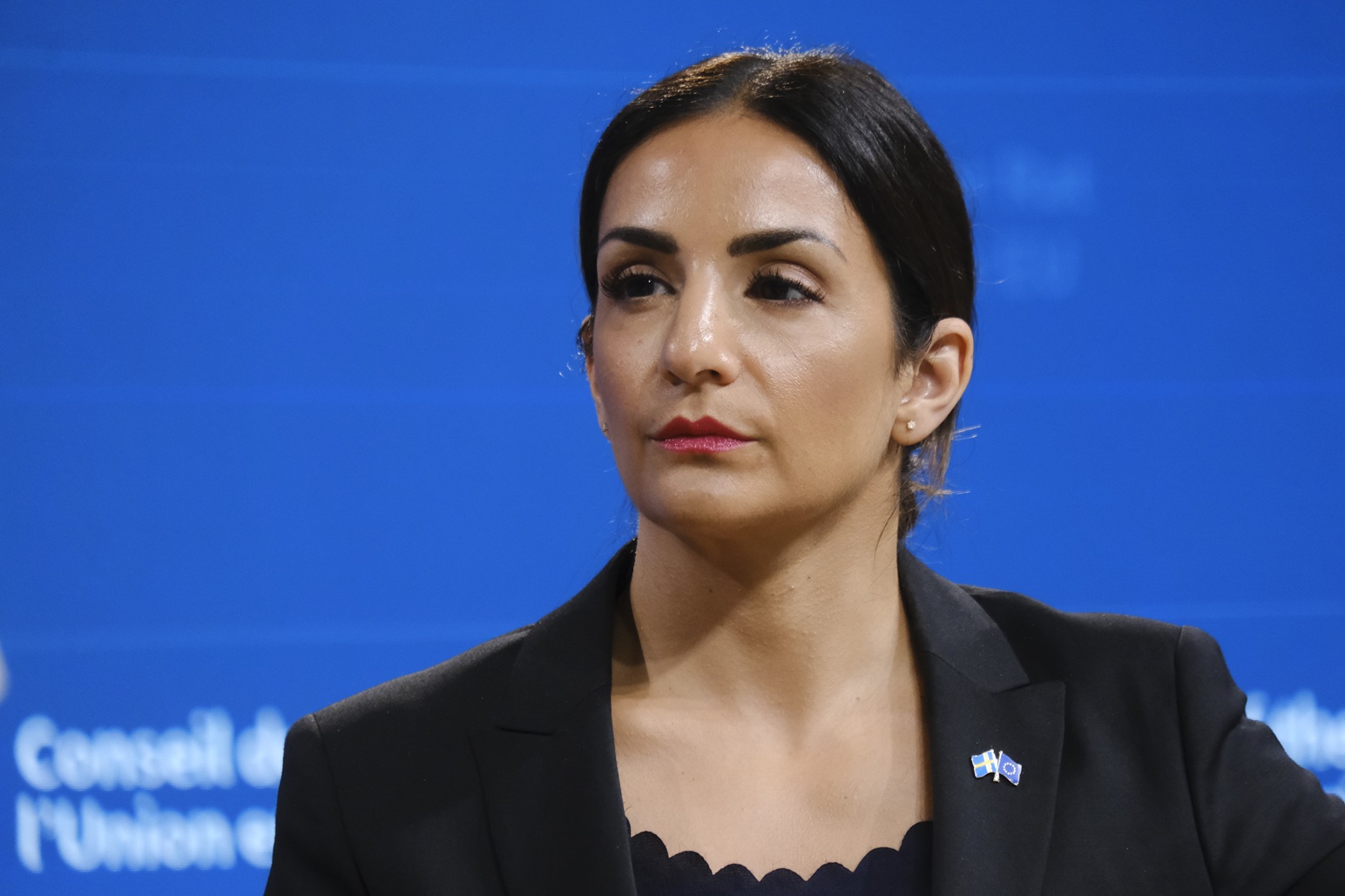
In Liljestrand’s response, the Minister of Culture refers, among other things, to the fact that when distributing permits, diversity should be sought both in content and ownership.
She also notes that the frequency spectrum is a limited resource and that, according to the Freedom of Expression Act, radio frequencies should be allocated in a way that leads to the broadest possible freedom of expression. She adds that the changes have long been requested, not least by the radio operators themselves, and are ultimately aimed at promoting freedom of expression and media diversity.
No Arbitrariness
Regarding the actual question, Liljestrand states that as a cabinet minister, she can neither comment on nor should intervene in individual decisions, but at the same time claims that there is no arbitrariness in the licensing process.
Finally, it is stated that the same selection procedure now applied to all commercial radio provides good conditions for a long-term sustainable commercial radio sector.
READ ALSO: Media Authority Clears TV4’s Satirical Segment on SD