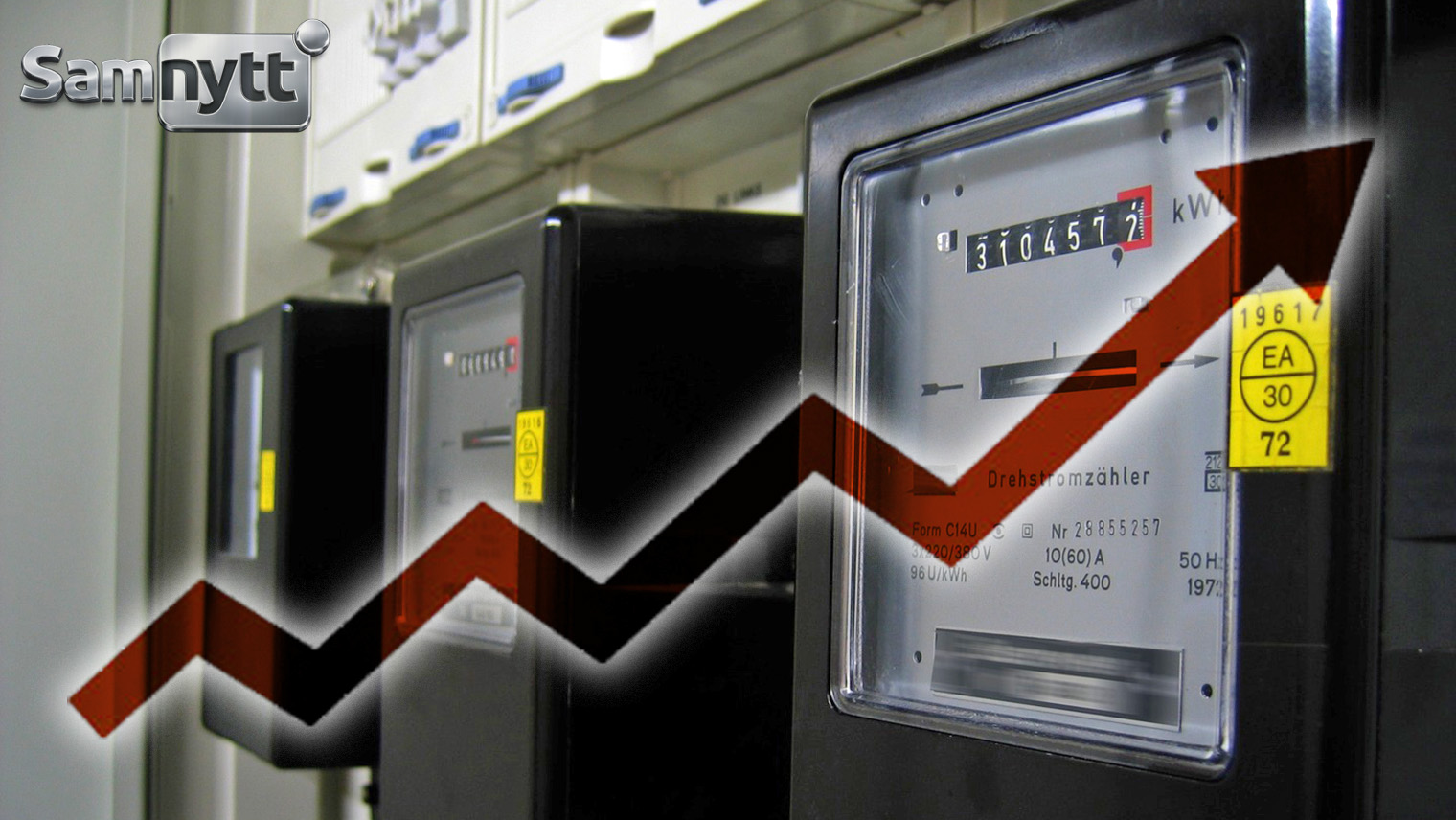
The much-debated capacity tariffs were halted after heavy criticism. But now there are strong indications that the model will return in a new version. Experts and industry representatives argue that the change is necessary to secure Sweden’s future electricity supply. The government hopes that price surcharges will be better understood if the system is made more comprehensible for households.
The criticized capacity tariffs were not permanently removed when the government paused the reform ahead of the election. On the contrary, work is now underway to develop a new structure for how the fee will be designed going forward.
Per Lundqvist, Professor of Energy Technology at KTH, believes the halt is mainly about the need to redesign the reform from the ground up.
– They will come back in some form, he told Carup.
According to him, one of the main objections was that grid operators in practice had significant leeway to determine their own models, which created major differences and confusion for customers.
Government Wants to Develop New Model
The industry organization Energiföretagen states that the government is now continuing to work on the matter and wants to see a new, more unified system.
Mattias Wondollek at Energiföretagen told Carup that the decision does not mean capacity tariffs are being scrapped altogether, but that the previous model is paused while a new proposal is developed.
– On the contrary, the government has commissioned a new proposal for a model that will be more transparent, unified, and understandable for customers, he told the newspaper.

The industry organization simultaneously maintains that some form of capacity tariffs is necessary for the electricity grid to cope with the future’s increased load, including from electric cars and electrification.
Several Electricity Companies Implemented the Fee
Several Swedish grid operators had already begun to use capacity tariffs before the government’s announcement. One of the most notable examples is Ellevio, which is now stepping back from the model.
The company’s press chief Jesper Liveröd told Carup that the company will remove the capacity tariffs starting in June following the government’s decision and the uncertainty that has arisen regarding future regulations.
READ ALSO: Had Enough of Soaring Electricity Prices – Unite in an Electricity Revolt
Previously, Ellevio justified the model by saying that customers needed to spread their electricity usage throughout the day to avoid grid overload. However, the criticism was extensive, especially from households who felt it would become harder and more expensive to use, for example, a tumble dryer or charge an electric car at certain times.
– That is why we are leaving behind the capacity tariffs we were instructed to introduce and instead implementing a well-known grid fee model based on a fixed and a variable part, Jesper Liveröd told Carup.
Experts: Sweden Needs Stronger Power Grid
At the same time, several experts argue that the debate over capacity tariffs is only part of a bigger issue concerning Sweden’s electricity infrastructure. Lina Bertling Tjernberg, Professor at KTH, emphasized to Carup that the country needs long-term investments in a more robust power grid and that the tariff system itself does not solve the underlying problems.
She argues that Sweden must expand and modernize its infrastructure to meet the increased electricity demand of the future, rather than only steering households’ consumption with new fees.