Poland has long been one of Ukraine’s closest allies – especially since Russia’s invasion in 2022. The country has supported its neighbor militarily and diplomatically, taken in around one million Ukrainian refugees, and allowed millions more to cross the border. But recently, this close relationship has started to show cracks. Why?
This is due to the unhealed historical conflict surrounding the Ukrainian nationalist movements during World War II. Particularly sensitive is the issue of the Organization of Ukrainian Nationalists (OUN), its leader Stepan Bandera, and the Ukrainian Insurgent Army (UPA), which was closely associated with OUN’s B-faction.
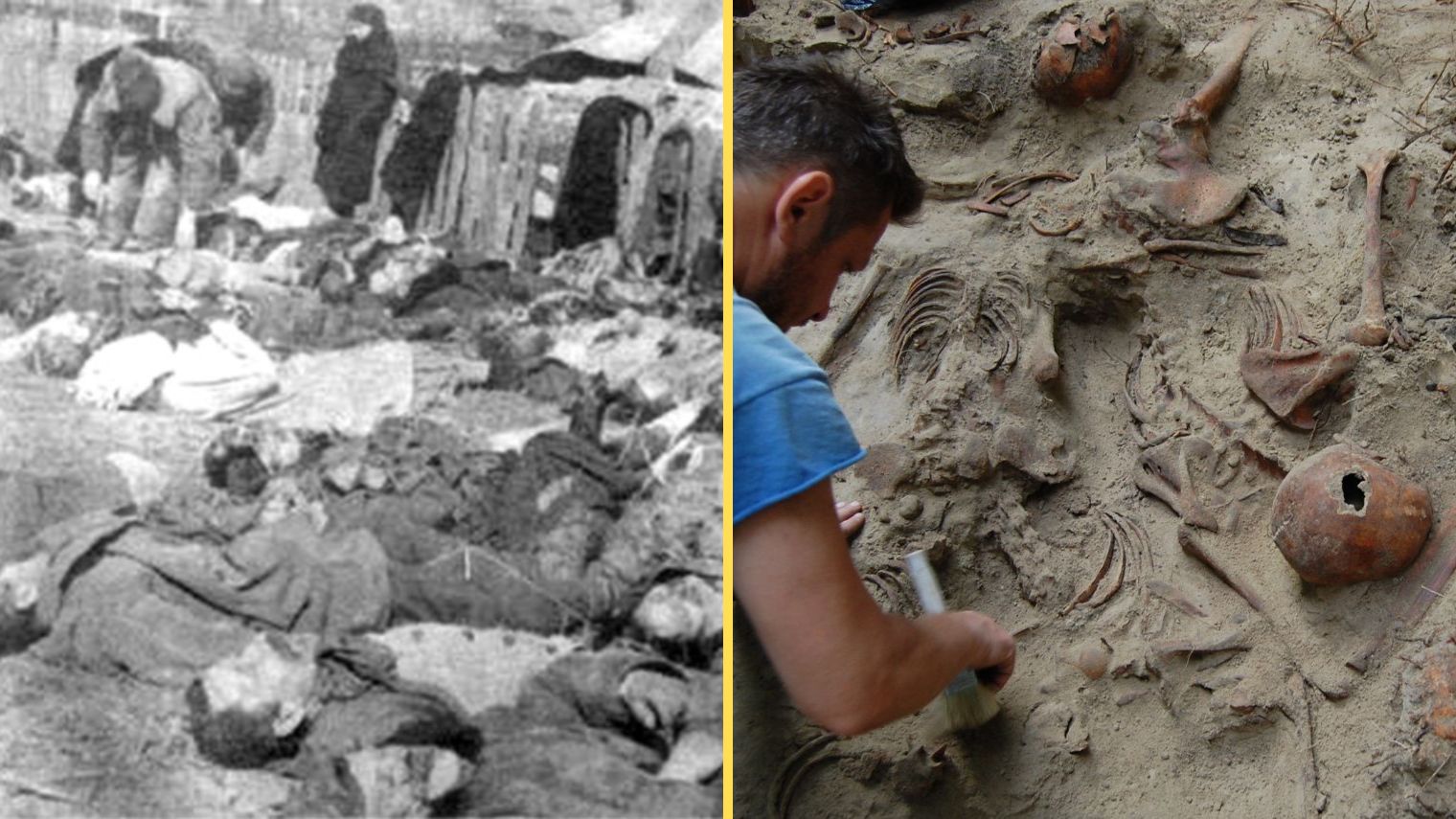
In 1943 and 1944, UPA and other Ukrainian nationalist groups – who cooperated with Nazi Germany – carried out massacres of the Polish civilian population in Volhynia and eastern Galicia.
Historians estimate that between 80,000 and 100,000 Polish civilians were killed. Poland classifies these events as genocide and claims the purpose was the ethnic cleansing of areas that Ukrainian nationalists wanted to make ethnically Ukrainian.
In Ukraine, the view of these individuals is different. For many, elements of the nationalist movement are seen as symbols of the struggle for independence from the Soviet Union, while Poland emphasizes responsibility for the atrocities committed against Polish civilians.
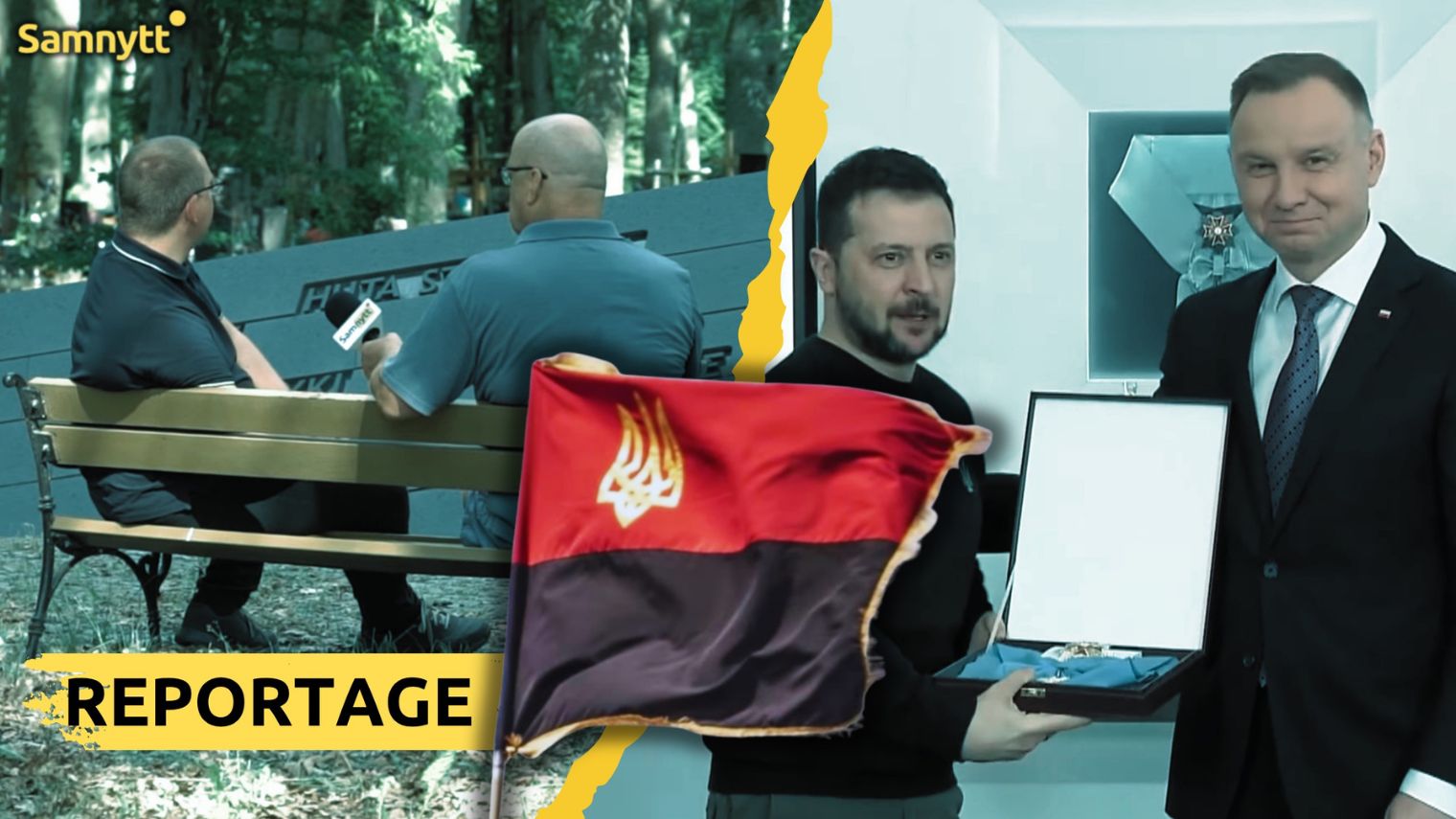
Frustration in Warsaw has grown since President Volodymyr Zelensky has continued to honor nationalist figures and units linked to the historical movement Poland associates with the Volhynia massacres.
One such person is Stepan Bandera, leader of the OUN-B faction within the Organization of Ukrainian Nationalists (OUN). He is a highly controversial historical figure because of the movement’s role during World War II and the ties between OUN-B and the armed UPA movement, which Poland holds responsible for the atrocities against Polish civilians in Volhynia and eastern Galicia.
Get 50% Off Today
123 083 33 50
At the same time, Ukrainian special forces have recently been given names with historical links to UPA – the nationalist movement that in Poland is associated with the Volhynia massacres.
Zelensky has also repatriated the remains of the Ukrainian nationalist leader Andriy Melnyk to Ukraine and honored him at a state ceremony as a “hero.”
READ ALSO: From the Nazi collaborator’s funeral straight to 16 JAS Gripen – free from Kristersson
There, Zelensky gave a speech and also knelt to lay flowers. Melnyk led a faction within the Organization of Ukrainian Nationalists (OUN), a movement that collaborated with Nazi Germany during World War II.
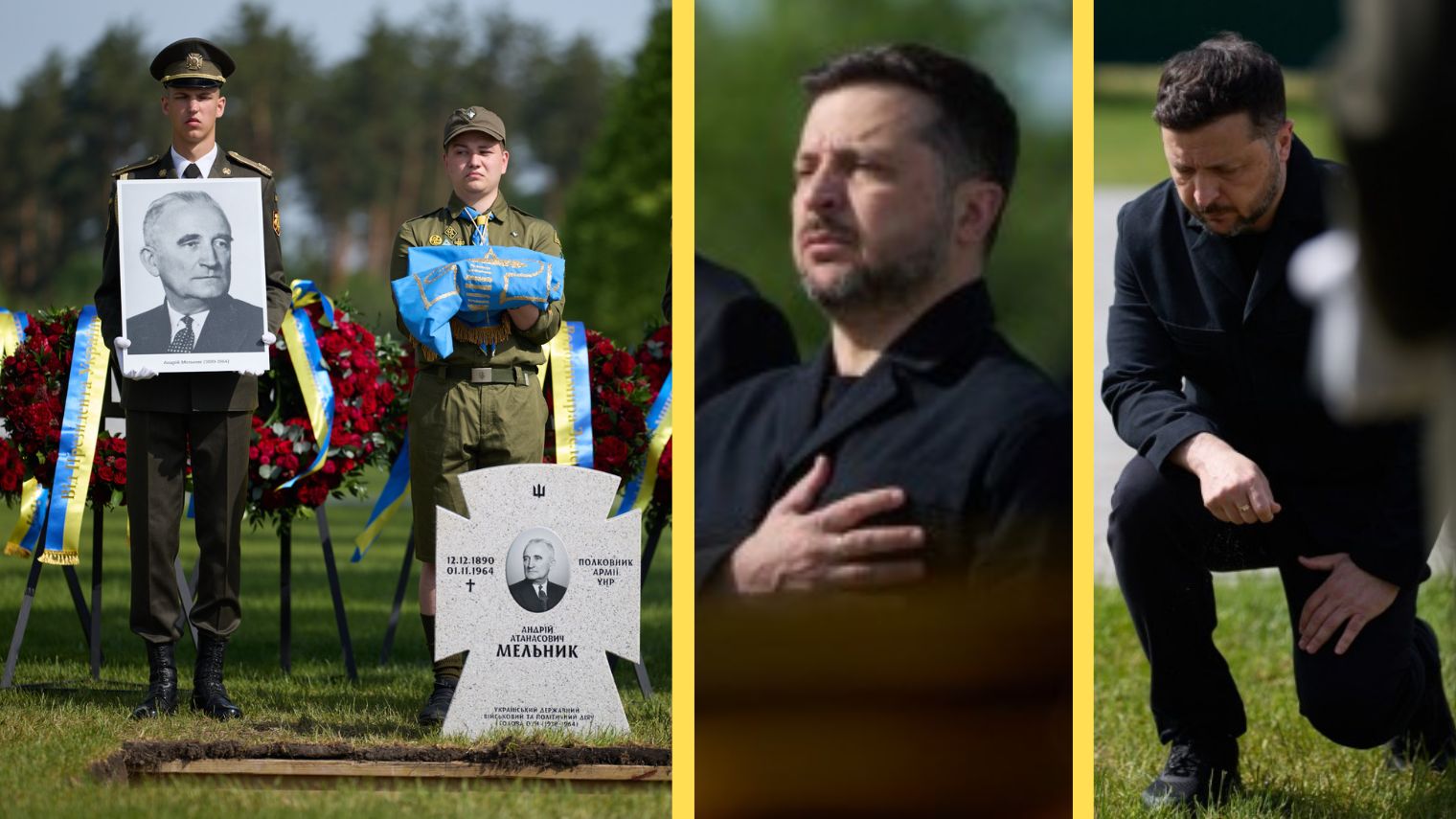
Ukrainian nationalist leader Andriy Melnyk’s remains have, among other things, been returned to Ukraine and honored at a state ceremony where Zelensky himself participated, gave a speech, and laid flowers. Melnyk led a faction within the Organization of Ukrainian Nationalists (OUN), a movement that during World War II had contacts and cooperated with Nazi Germany.
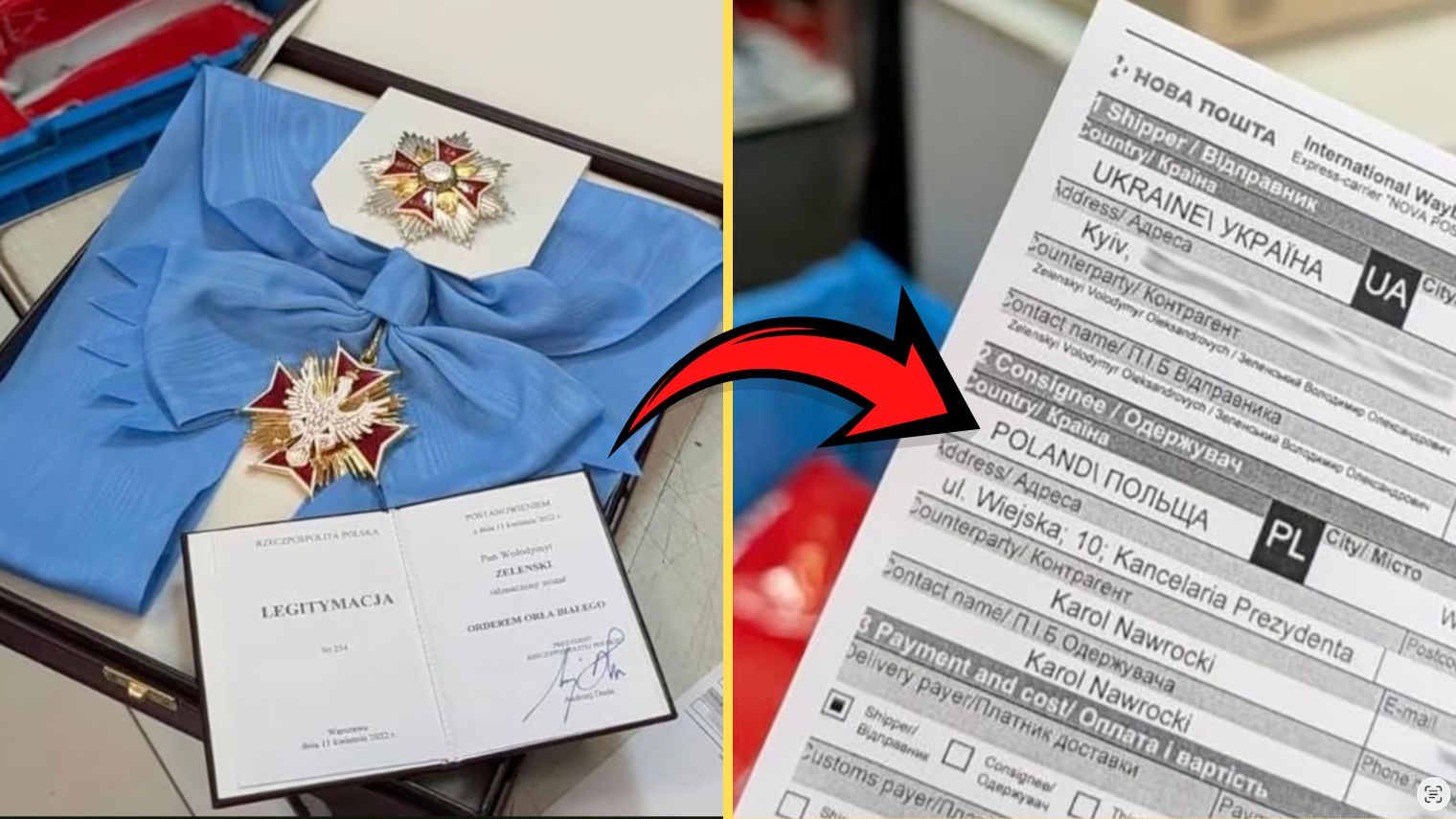
These developments have revived one of the most sensitive issues between the neighboring countries. Polish president Karol Nawrocki has demanded the return of the country’s highest award, which had previously been awarded to Zelensky by former president Andrzej Duda – a gesture illustrating how quickly the relationship has deteriorated. Ukraine responded by returning the award via post.