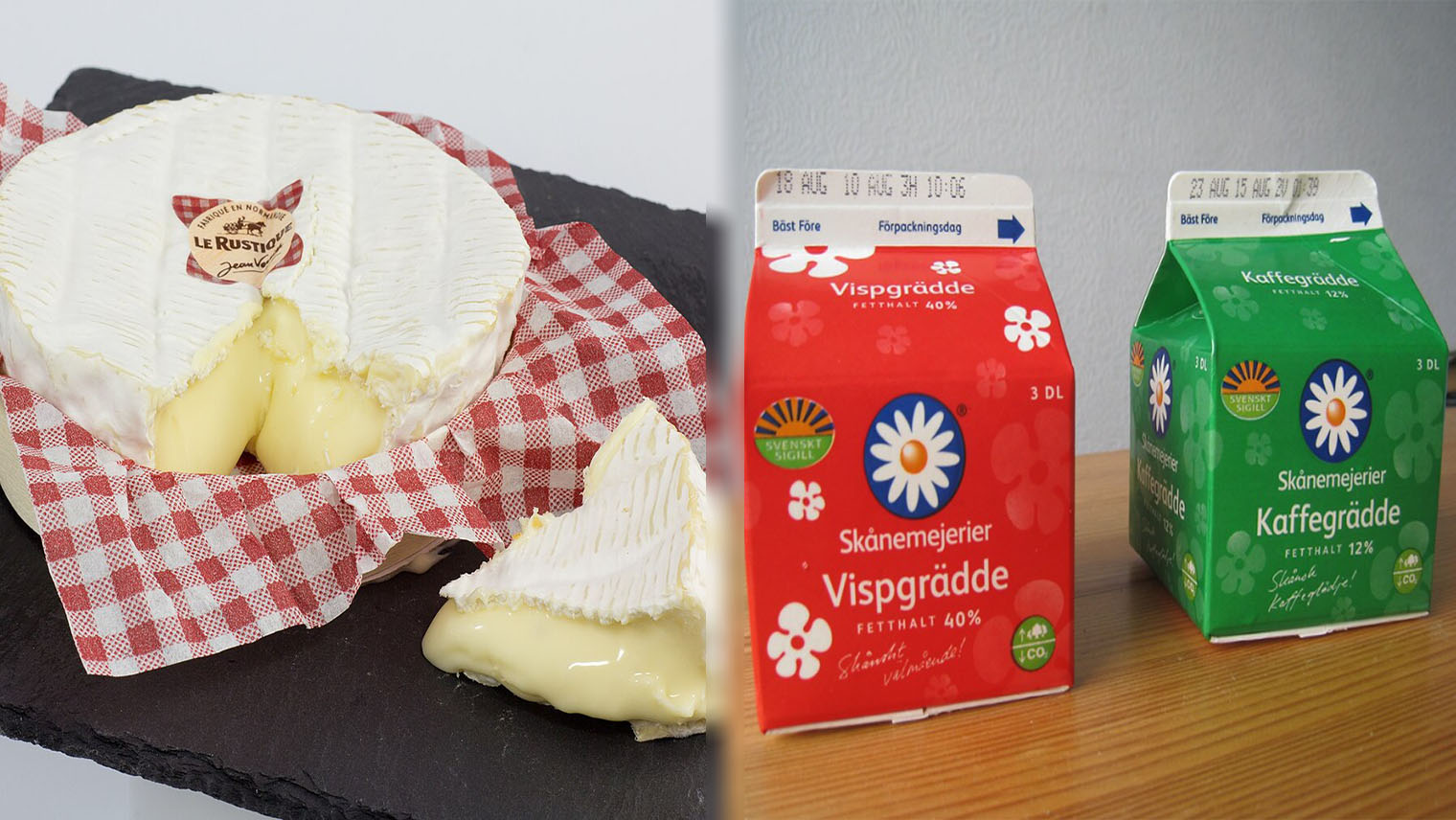
For decades, reducing fat intake has been considered an obvious health recommendation. But new Swedish research challenges that idea. A large long-term study shows that people who regularly eat full-fat cheese and cream have a lower risk of developing dementia – especially certain forms of the disease.
In a comprehensive population study published by Lund University, researchers analyzed the dietary habits of over 27,000 people and followed them for up to a quarter of a century. The participants were on average 58 years old at the start of the study, and over time just over 3,200 of them developed some form of dementia.
The researchers were able to link detailed data about what participants ate to later diagnoses, which were obtained from national registries and in many cases also quality-checked by dementia specialists.
More Full-Fat Cheese – Lower Risk
The results show a clear link between the consumption of full-fat cheese and reduced dementia risk. People who ate about 50 grams of full-fat cheese daily – equal to about five slices of typical hard cheese – had about a 13 percent lower risk of developing dementia compared to those who ate very little cheese.
READ ALSO: Cold sores double the risk of dementia
The effect was even more pronounced for certain diagnoses. For vascular dementia, the risk was nearly 30 percent lower among those who ate the most full-fat cheese. The risk for Alzheimer’s disease was also lower, but only for people without a particular genetic risk variant.
Similar Pattern for Cream
Full-fat cream also stood out in the analysis. Those who consumed at least 20 grams of high-fat cream daily had around 16 percent lower risk of dementia compared to those who didn’t eat any cream at all.

However, no similar protective link was seen for low-fat dairy products or for dairy in general.
Heart and Brain Are Connected
The researchers say the results strengthen the connection between vascular health and brain health. Fermented dairy products, such as cheese, have in previous studies been linked to better cardiovascular health – something that in turn can affect dementia risk.
READ ALSO: The bad habits you must change to reduce your dementia risk
At the same time, the researchers stress that these are observational studies. Connections can be identified, but the causes are not yet fully understood.
Not All Dairy Is Alike
An important conclusion is that not all dairy products seem to have the same effect on the brain. While full-fat cheese and cream showed positive links, the effect was absent for low-fat products.
The researchers are therefore calling for more studies that can explain why certain fatty dairy products appear to have a protective effect – and whether they can actually help reduce the risk of dementia in the long run.
READ ALSO: Climate change claimed to cause dementia