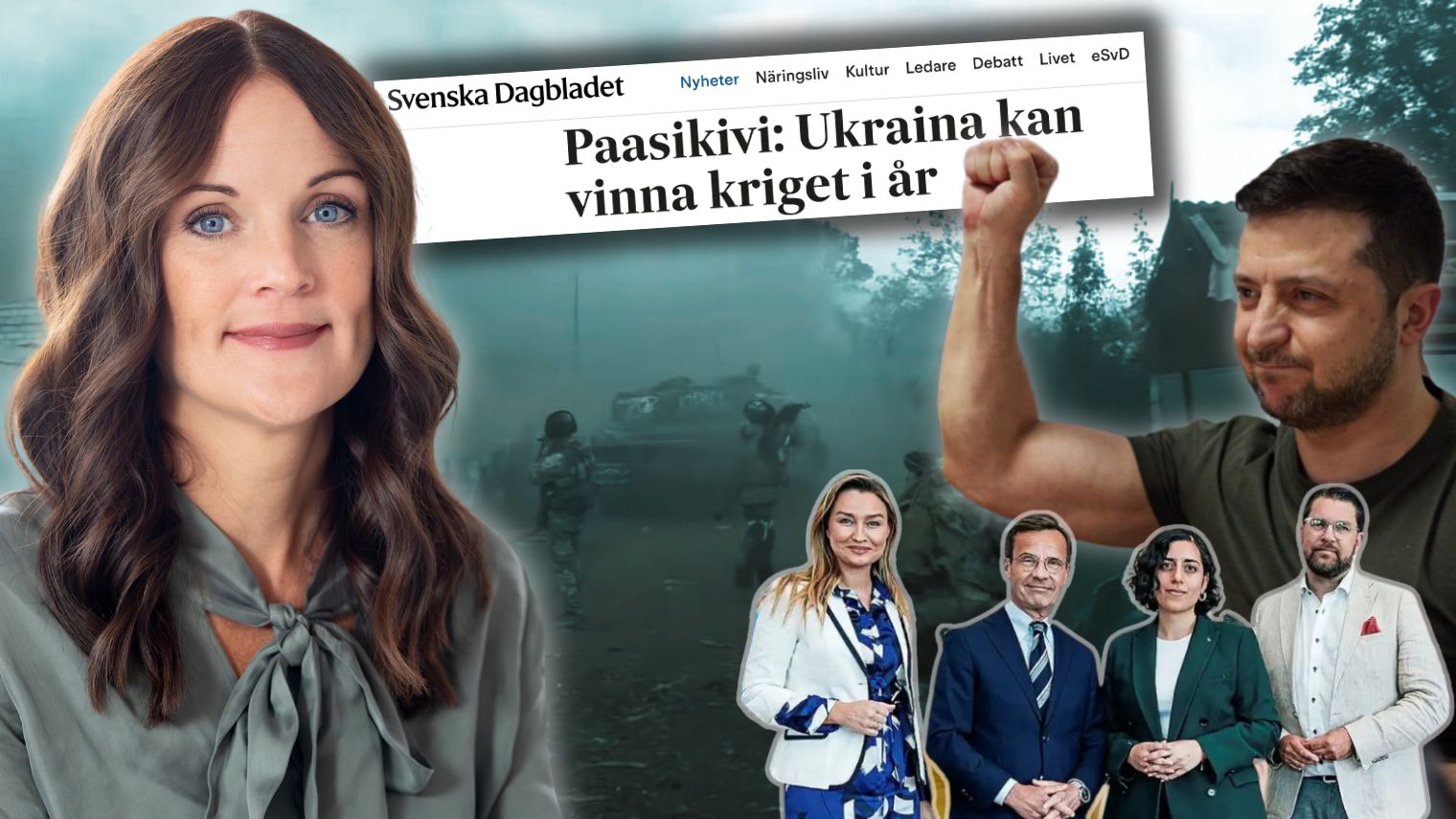
Since Russia’s invasion, the Swedish public has been fed news and political statements claiming that Ukraine will win the war and that the only losses are on the Russian side. The narrative often goes: more weapons and more billions in aid will force Russia to leave Ukraine. This is also the message from all eight parties in the Swedish parliament, who argue that support for Ukraine must continue indefinitely and without an upper limit. At the same time, the actual situation on the battlefield is rarely specified, and most of all, there is a large silence regarding Ukraine’s own losses. This is something conflict researcher Therese Pettersson at Uppsala University has reacted to. She describes the information flow in Sweden as propaganda from Ukraine and intelligence services. Similar messages come from conflict researchers in Finland, who argue European politicians are practically lying.
–As a researcher, my job is to present an up-to-date picture of the situation, and to me, that is that Ukraine is currently losing, says a Finnish researcher.
The war in Ukraine has now entered its fifth year. With arms support from the USA, EU countries, and the NATO alliance, Ukraine has managed to resist and slow down the Russian offensive in the eastern part of the country, but the nation has not yet regained any significant portions of its lost territory, which amounts to about 20 percent of Ukraine’s area.
Another aspect that slows the pace of the war is the extensive use of drones—a new form of warfare not seen in other modern conflicts, making advances slow as both sides remain constantly vulnerable on the battlefield.
Russia claims four eastern regions—Donetsk, Luhansk, Zaporizhzhia, and Kherson—in addition to the Crimean Peninsula, which according to a decree from President Vladimir Putin has been incorporated into the Russian Federation and is regarded as Russian territory. Nevertheless, Russia does not have full control over these areas due to Ukrainian resistance, but an overwhelming majority of the territory is under Russian control, which aligns with the goals outlined with the invasion of Ukraine.
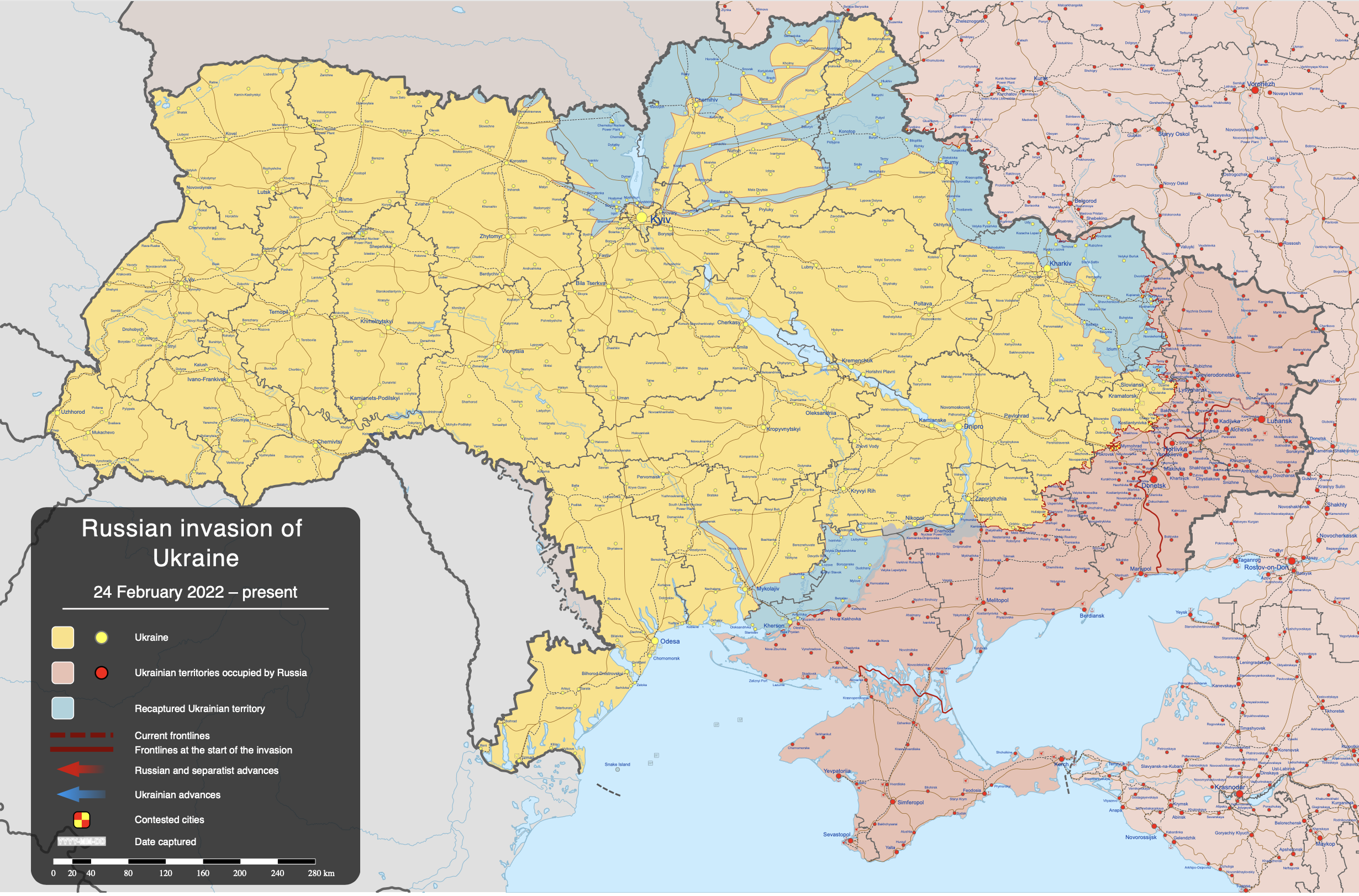
Ukraine has put up significant resistance and halted the Russian military, while President Volodymyr Zelenskyy maintains that the eastern regions belong to Ukraine and will never be surrendered to Russia. Russia, for its part, claims these regions are now part of the Russian Federation and will always remain so.
At the same time, former US President Donald Trump is trying to initiate negotiations between Vladimir Putin and Ukraine’s President Volodymyr Zelenskyy to put an end to the fighting, but neither side is willing to give in. EU countries have meanwhile strongly supported Zelenskyy so that he stays firm in his line, while the US has officially withdrawn from direct arms support—instead, Ukraine’s purchase of American weapons is today largely financed through money from EU taxpayers.
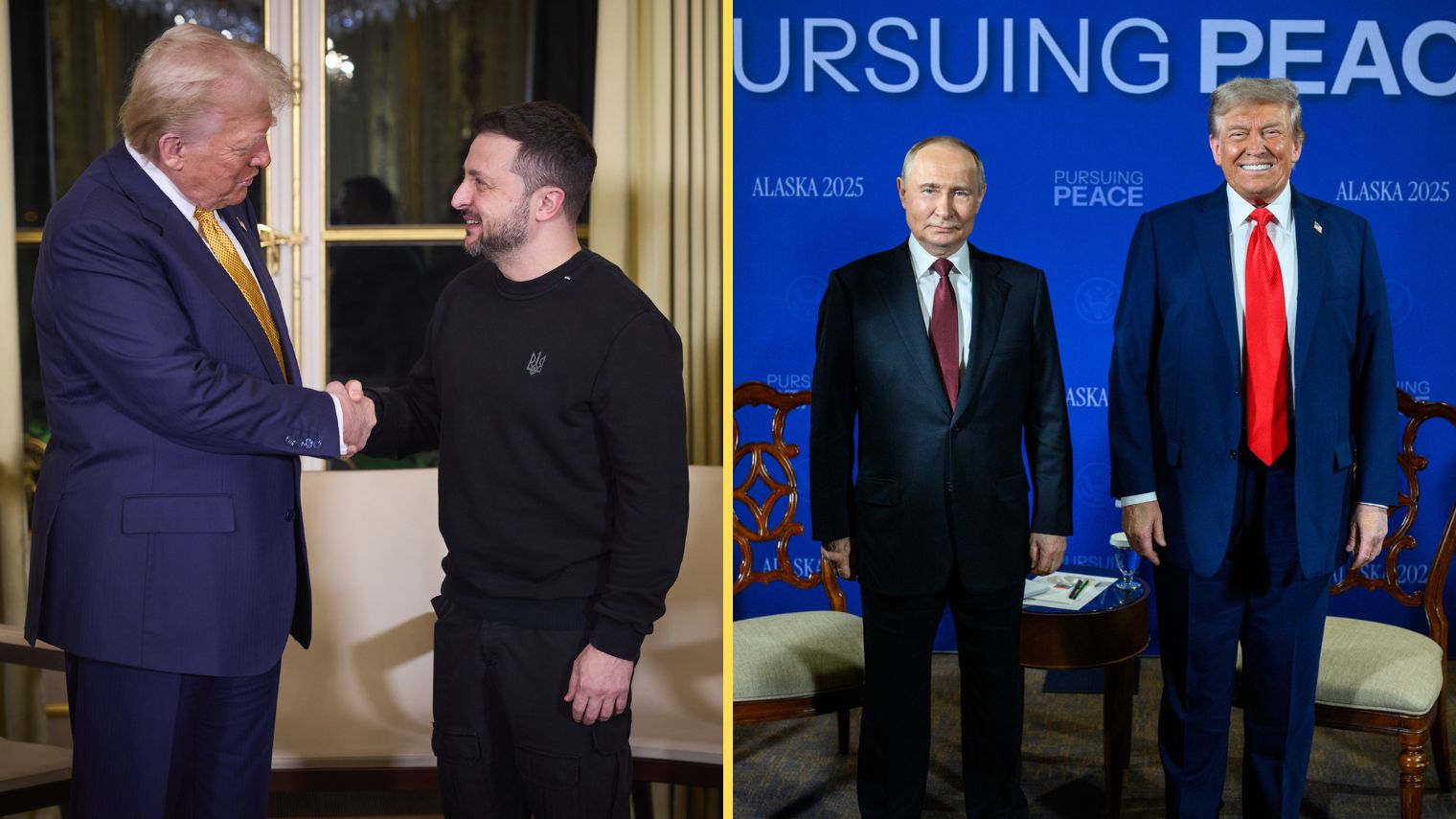
Trump has also been clear that the USA is currently profiting from the war through arms sales, but that he would prefer for the conflict to end in order to stop the killing in what he describes as an unnecessary war, which he claims would never have occurred had he been president. He further argues that the war was partly caused by Joe Biden, through a promise of NATO membership for Ukraine.
–We are making money off the war, Trump told The New York Times at the beginning of January.
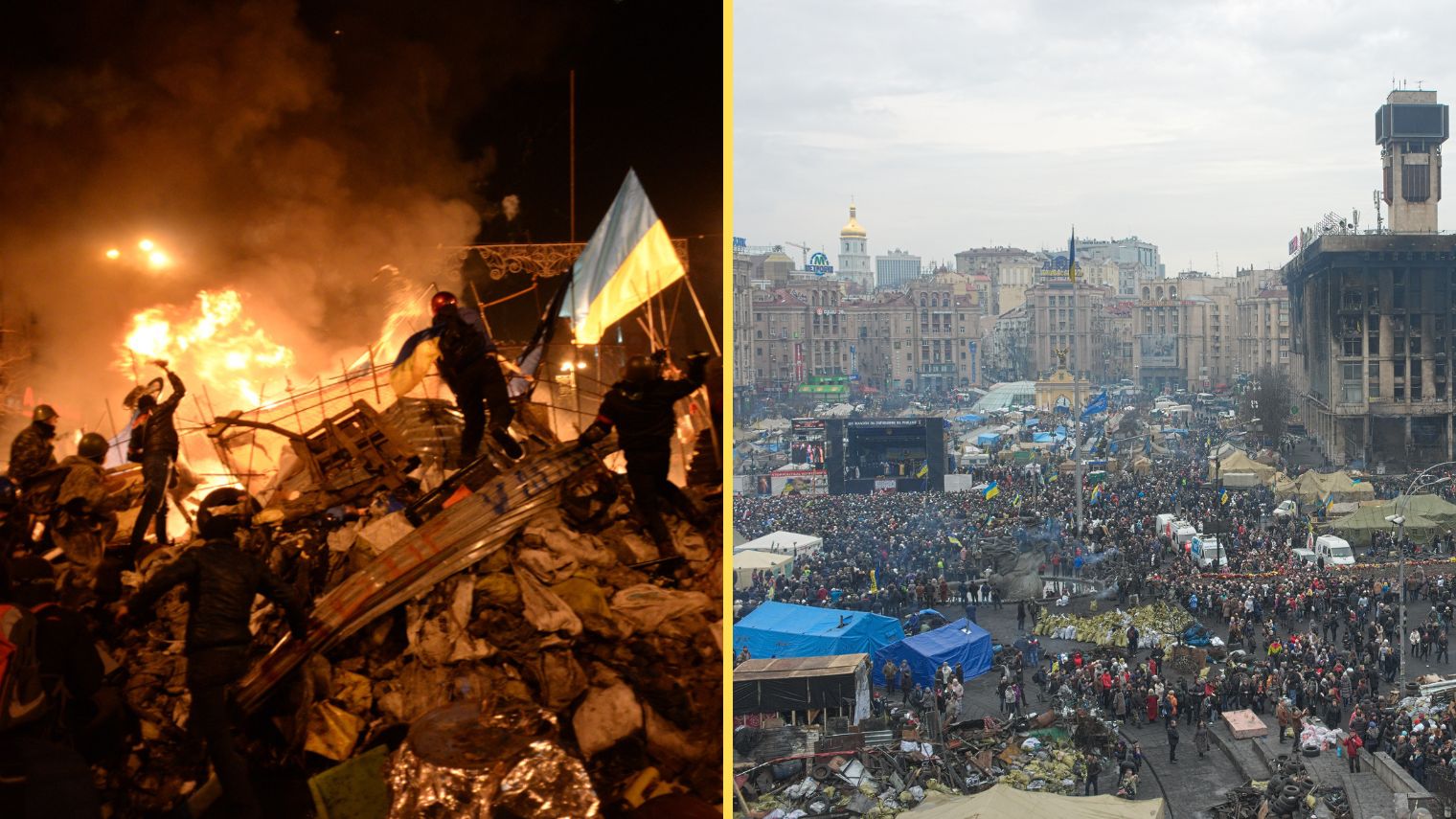
However, the conflict did not start only in 2022; its roots stretch further back, including to Euromaidan in 2013–2014. Ukraine has moved closer to the West through the EU and USA and aspired towards NATO membership, while Russia views the country as part of its historical and strategic interests, with special focus on Russian-speaking populations in eastern Ukraine and the military base on the Crimean Peninsula.
The causes are multifaceted and also encompass Russia’s opposition to the security architecture in Europe that the Western powers, especially the USA, have built up. The Russian side maintained early on that the invasion in February 2022 was motivated by an alleged promise from the USA under President Joe Biden of NATO membership for Ukraine, something they consider unacceptable.
At the same time, Russia has also emphasized that the invasion aims to end the fighting in eastern Ukraine, where battles between Ukrainian forces and pro-Russian separatists have been ongoing since 2014. The Minsk Agreements of 2014 and 2015, which aimed for a ceasefire and a political solution, failed to stop the violence, leaving the region unstable.
The armed and bloody clashes in eastern Ukraine flared up shortly after the Euromaidan protests in Kyiv in 2013-2014, where demonstrators demanded closer ties to the EU and opposed then-President Viktor Yanukovych, who later fled to Russia. In eastern regions such as Donetsk and Luhansk, pro-Russian groups reacted strongly against this westward shift and declared their own “people’s republics.”
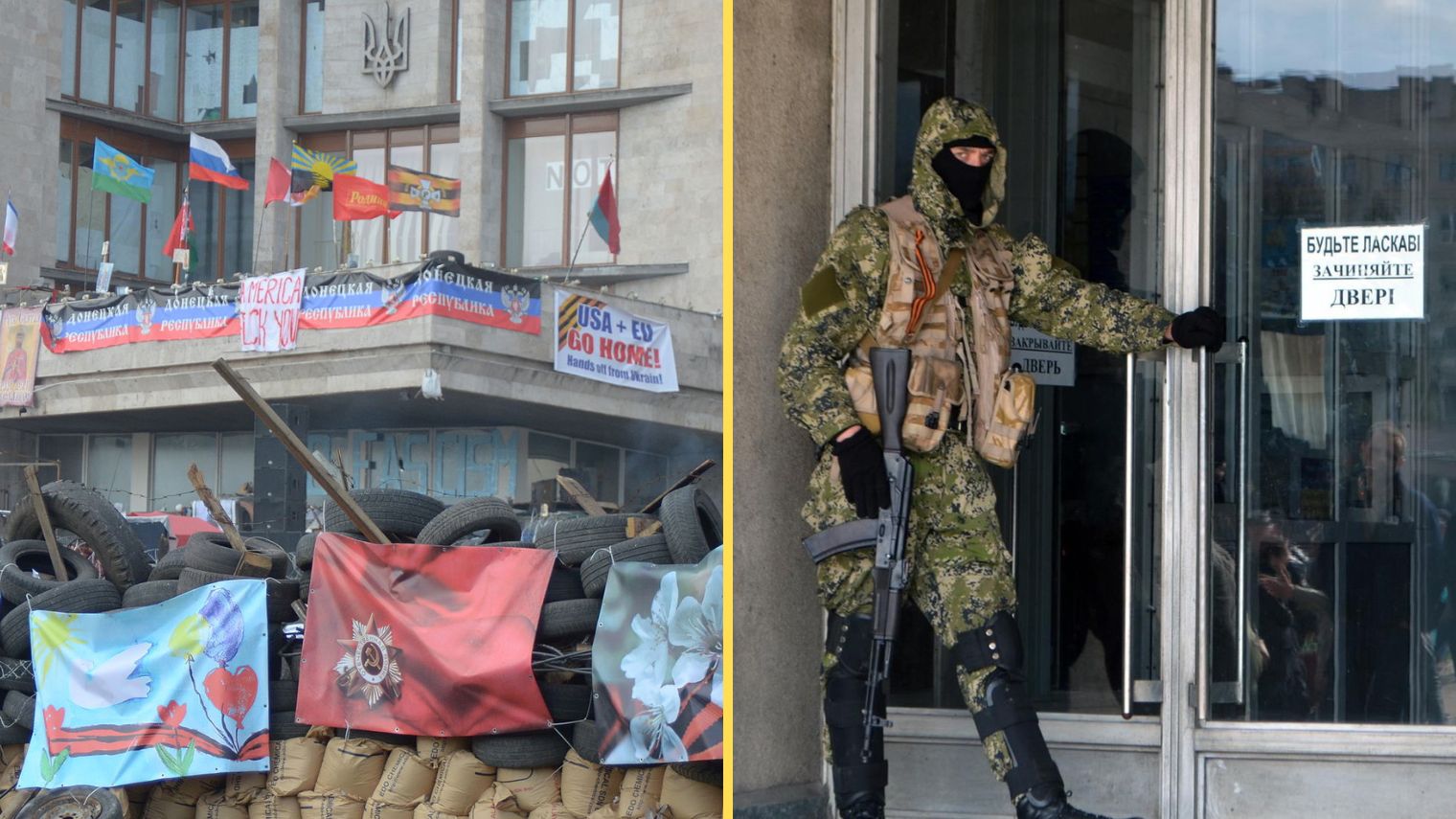
The clashes took place between the pro-Russian separatists, who sought greater autonomy or closer ties to Russia, and Ukrainian forces, along with volunteers from the Azov Battalion, who participated in the fighting in an effort to retain control over national territory. The situation became a continuation of the political split between a west-oriented Ukraine and the Russian-speaking, pro-Russian areas in the east.
The conflict and fighting show a country being torn in two, with its population pulling in different directions while major powers like the USA and EU on one side and Russia on the other pull the country toward opposite paths. The Russian invasion of 2022 has also brought a high price in dead and wounded soldiers on both sides.
But neither Russia nor Ukraine are very transparent when it comes to their own military losses, instead focusing on reporting enemy losses, which makes reliable estimates or comparisons difficult. The American think tank Center for Strategic and International Studies (CSIS) estimates that the war has so far led to around two million soldiers killed, wounded, or reported missing.
According to the study, nearly 1.2 million Russian soldiers and about 600,000 Ukrainian soldiers have been killed, wounded, or are missing. CSIS also estimates that between 100,000 and 140,000 Ukrainian soldiers have been killed since the start of the war until December 2025. Even these figures are questioned in several quarters and are considered to be significantly higher, and are expected to be increased in the future.
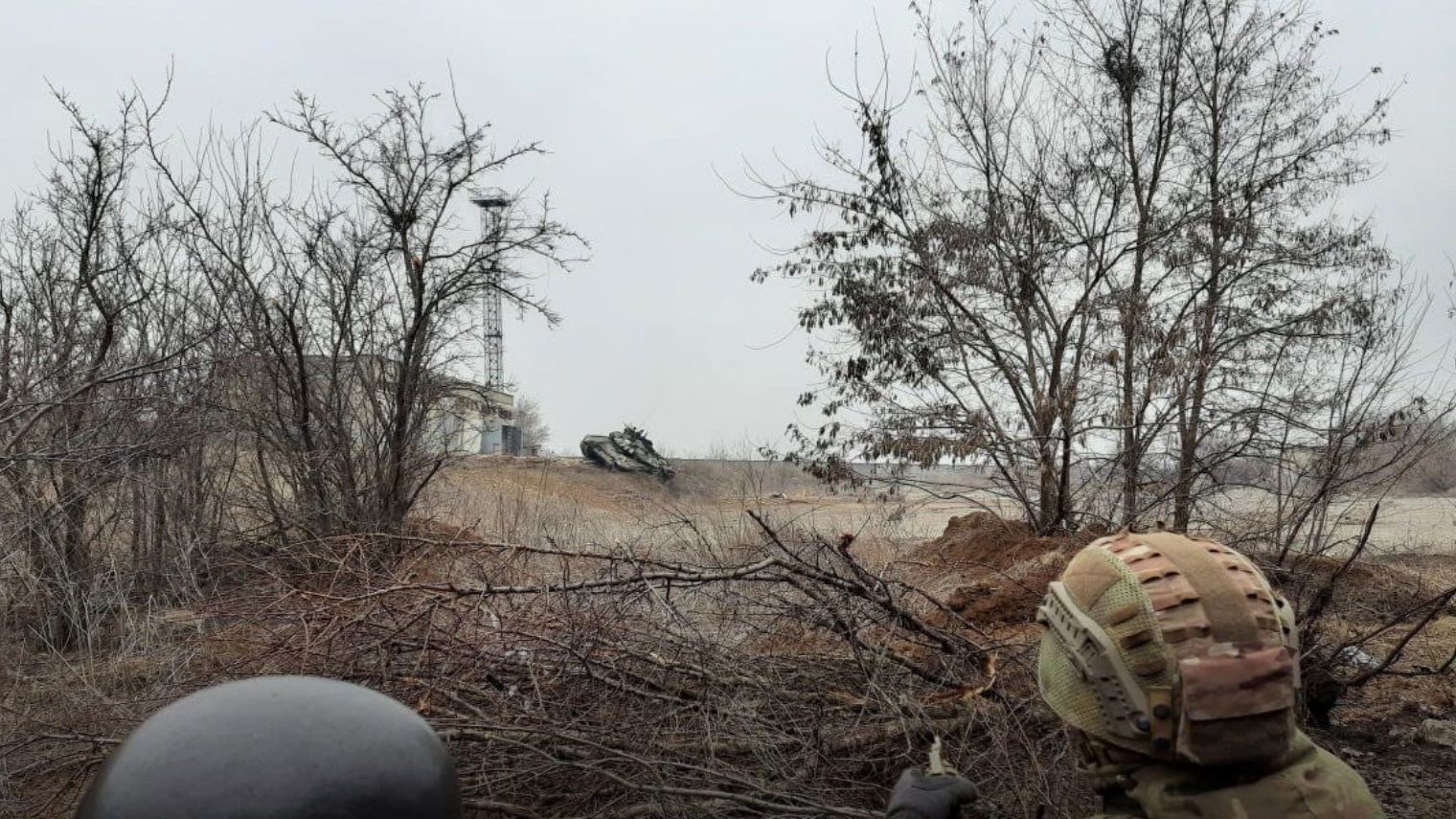
Researcher: “We are influenced by the fact that we have taken Ukraine’s side”
In an interview with the newspaper Epoch Times earlier this week, Therese Pettersson, research coordinator at the Uppsala Conflict Data Program (UCDP) at Uppsala University, was outspoken and suggested that Swedish media and politicians are colored by having taken sides for Ukraine in the conflict, thus not providing a completely truthful picture of how the war has unfolded over recent years.
It does not matter whether it concerns Swedish or international media—reports repeated in the media and by politicians have often proven to be weak and slanted. She explains that much of the information originates from intelligence services in Ukraine, but also the UK and USA, which thereby convey their own interpretation of the conflict to influence domestic opinion and promote the view that support for Ukraine should continue and is going in the right direction.
–We are influenced by the fact that we have taken Ukraine’s side. There are numbers that sound well-founded and independent, but they come from sources in the intelligence services of the USA, UK, or Ukraine, Pettersson told Epoch Times, and continued:
– This is biased information, and one should be aware of that. There may be a desire to reinforce the picture of how badly things are going for Russia.
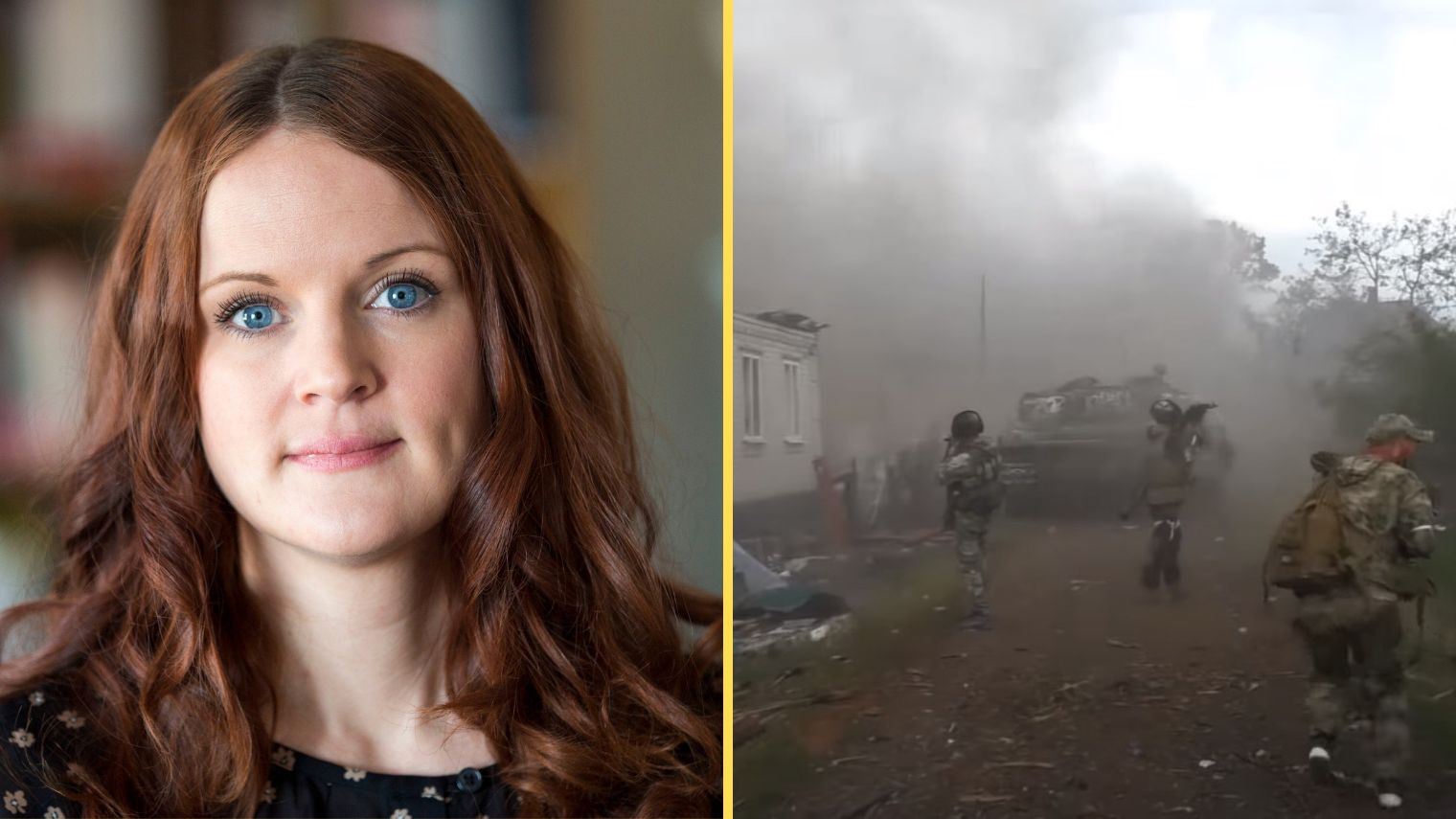
Zelenskyy’s and Trump’s figures differ
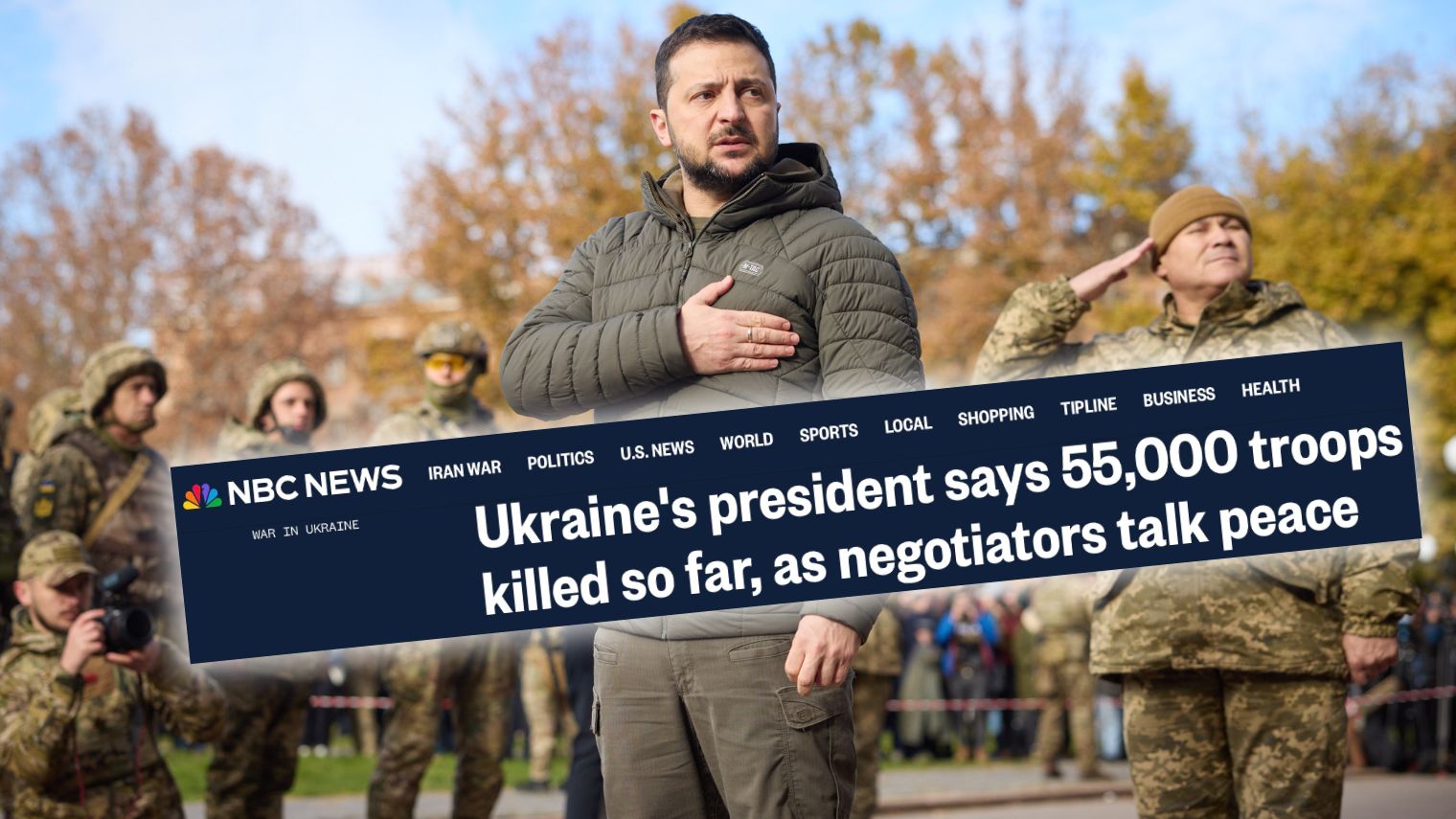
On February 5 this year, American NBC News reported that Ukrainian President Volodymyr Zelenskyy stated that 55,000 Ukrainian soldiers have been killed in combat since Russia’s invasion in February 2022. This figure, indicating the death toll as the war enters its fifth year, has been questioned from several directions.
One who paints a completely different picture is US President Donald Trump, who a year ago gave a very different number—a figure that has likely grown considerably since then.
–We have numbers showing that about one million Russian soldiers have been killed and about 700,000 Ukrainian soldiers have been killed, Trump said in January 2025.
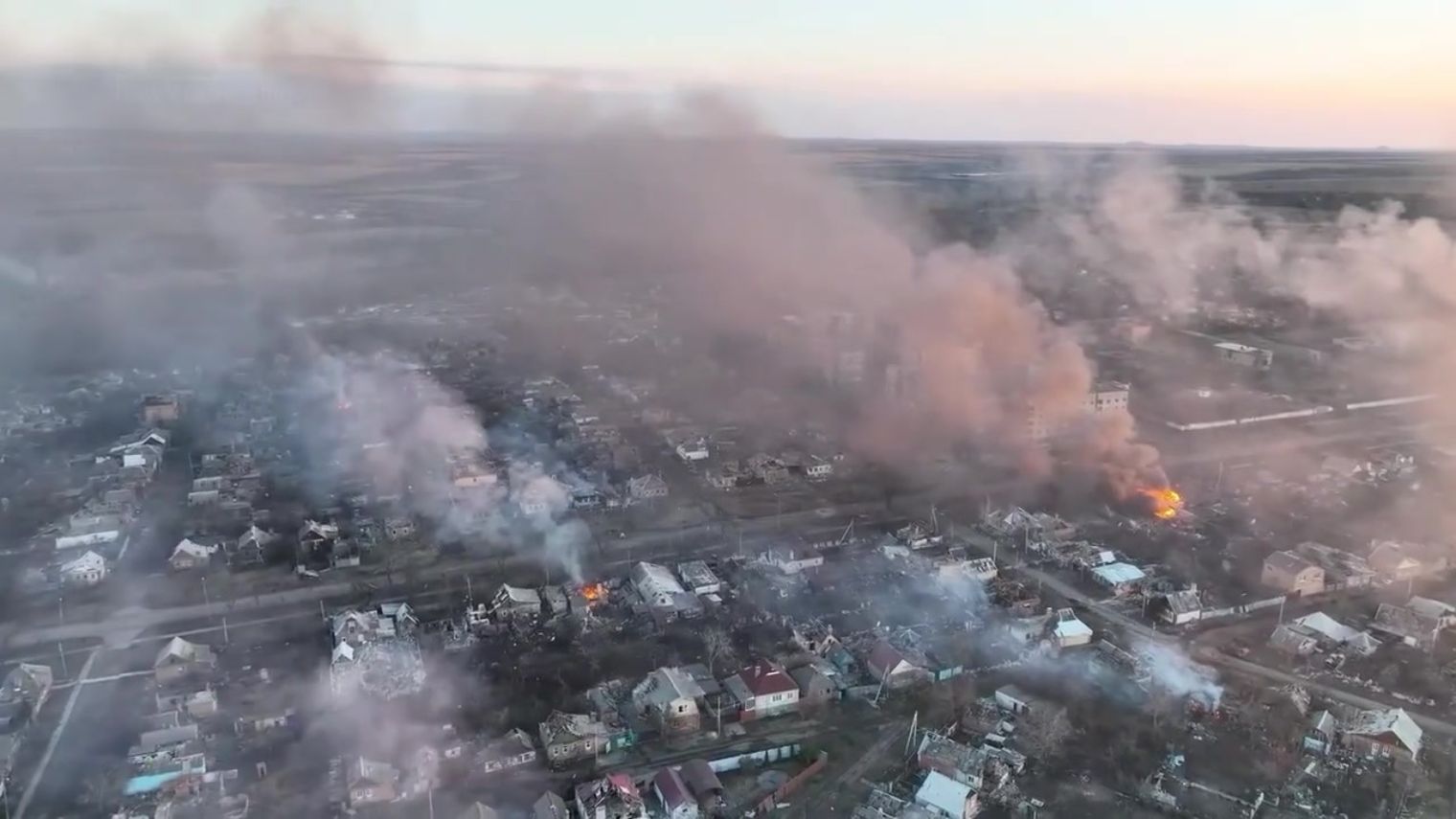
What is clear is that most, with the exception of President Volodymyr Zelenskyy, speak of significantly higher Ukrainian casualties. In this context, it is also interesting to note that almost no Western leaders, except the US President and Hungary’s Prime Minister Viktor Orbán, comment on the death numbers on both sides.
SEE ALSO: Wallenberg: We are not prepared for peace in Ukraine
Within the EU, there is practical total silence from political representatives about the actual losses on the Ukrainian side after four years of fighting, with all communication instead focused on continued support—without a time limit or a clearer specification of how much this may end up costing.
Conflict researcher Therese Pettersson at Uppsala University believes that it is difficult to make reliable comparisons when neither Russia nor Ukraine openly shares their figures, and when it is unclear where the data published in the media comes from. When the information comes from intelligence services, it is often based on anonymous sources—data then spread in the media as if it were a truthful picture of developments.
Therese Pettersson also points out to Epoch Times that reporting about the war in Ukraine is often characterized by propaganda from both sides, with countries underreporting their own losses while exaggerating the enemy’s. She reacts particularly to the almost complete silence about their own casualties.
According to the conflict researcher and Uppsala University’s best estimate, about 370,000 people have died in the war during the first four years. In researchers’ highest estimate, the total number is about 200,000 higher. At the same time, Pettersson speculates that the numbers will be revised upward, referencing the high number of missing persons.
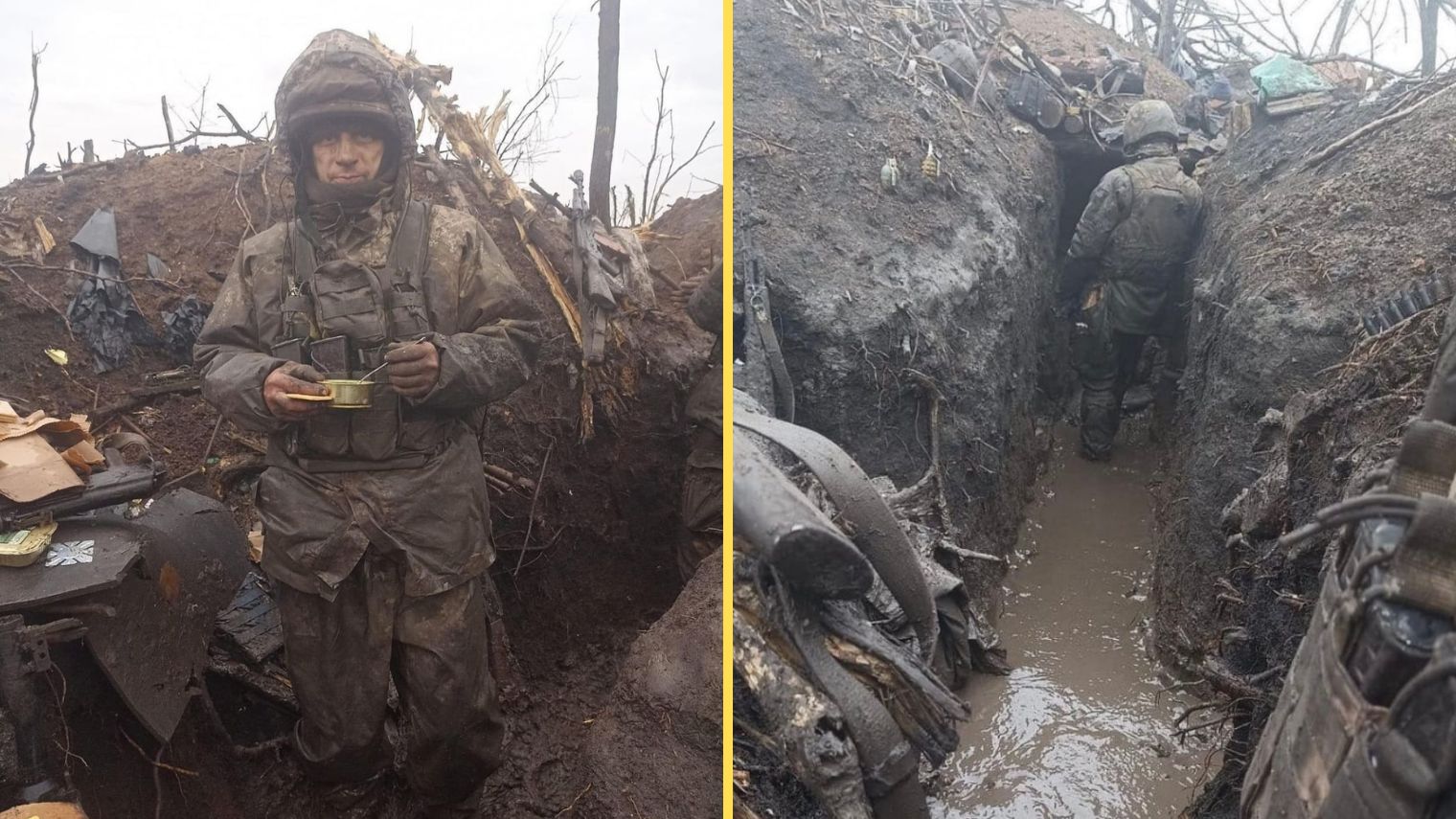
The numbers she hears about how many soldiers Russia is said to have lost in the war, Pettersson considers “completely unreasonable.”
–In many wars, own losses are reported, even though they are underreported and the enemy’s are exaggerated. But in this war, not a word is uttered about suffering own losses. And the numbers given for the adversary’s losses are completely unreasonable, Pettersson told Epoch Times.
Fewer civilians killed—compared to other wars
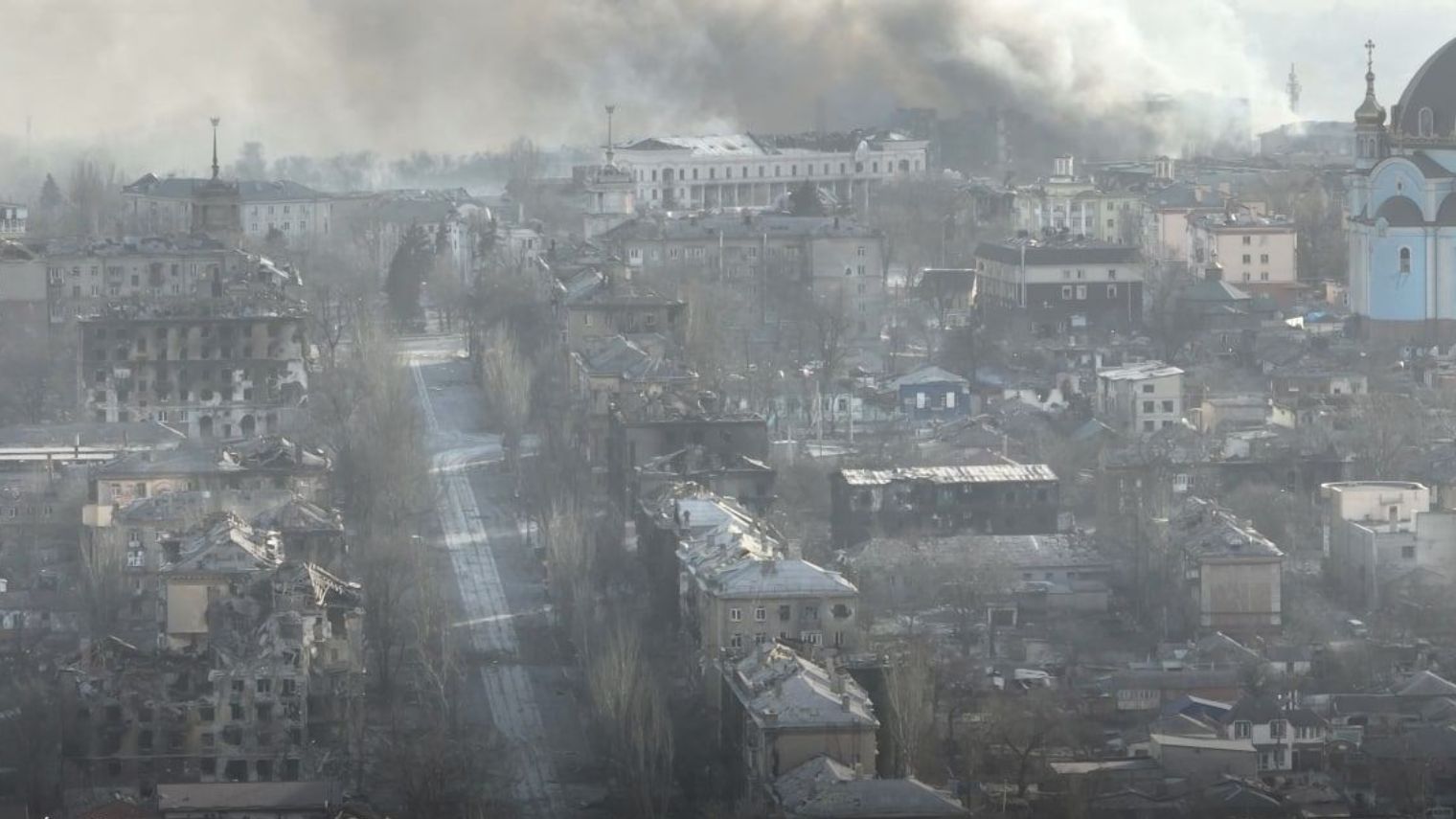
Therese Pettersson also points to another striking aspect: the number of civilians killed in Ukraine. Although the conflict is extensive and is now entering its fifth year with heavy military losses, the number of civilian casualties is relatively low compared to many other modern wars.
Since the invasion in 2022, about 2,700–2,900 civilians have been killed each year, mainly due to drone attacks and artillery shelling of communities near the frontlines—according to Uppsala University’s figures.
More researchers share the same view—politicians are lying
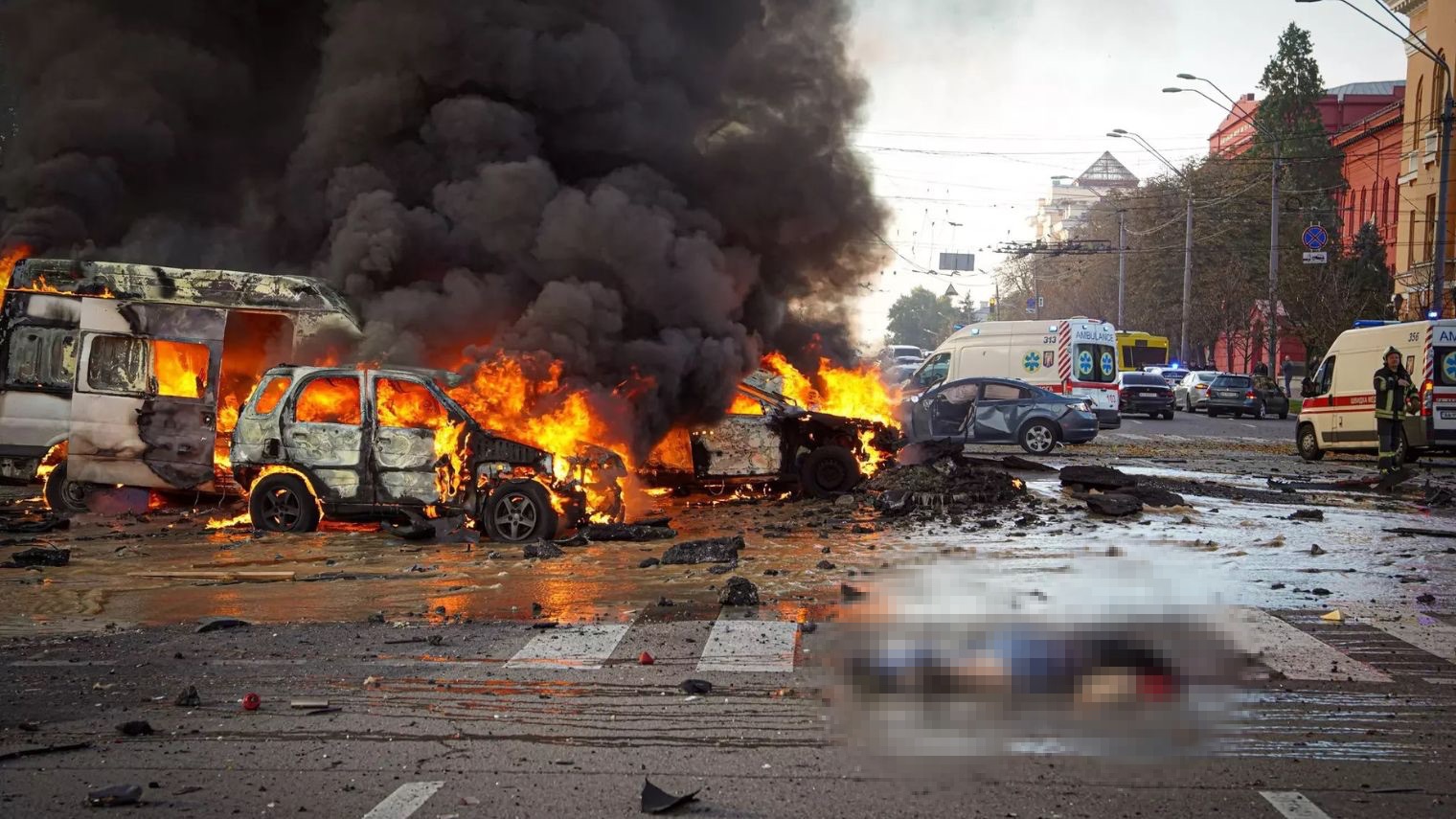
It’s not just Swedish conflict researchers who question the view presented by the media and politicians. In Finland, similar criticism has recently been raised. It is clear that the researchers who examine the war daily see a development that departs significantly from the official picture presented to the public.
READ MORE: Finland’s president: “Putin is on his way to losing the war”
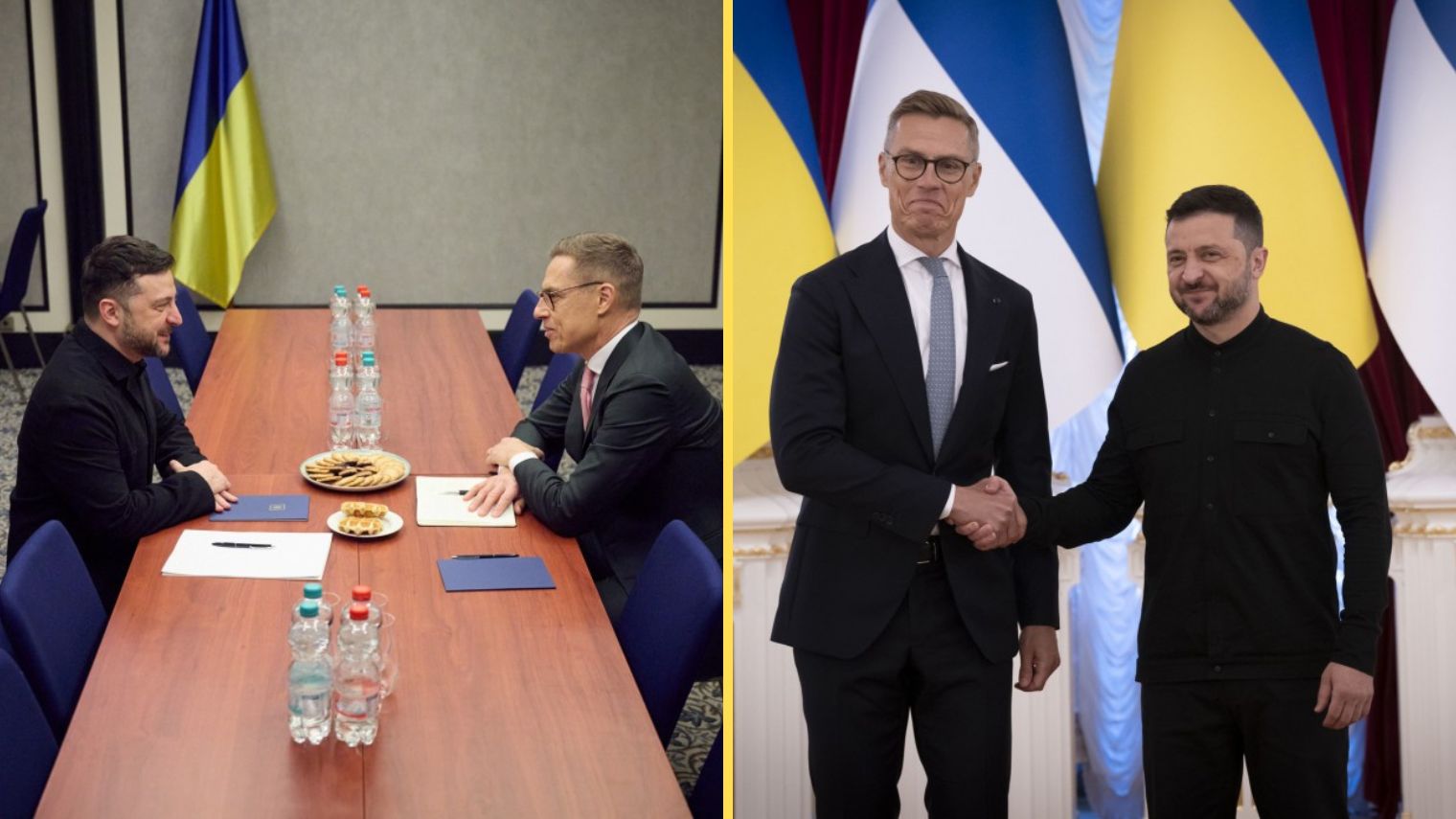
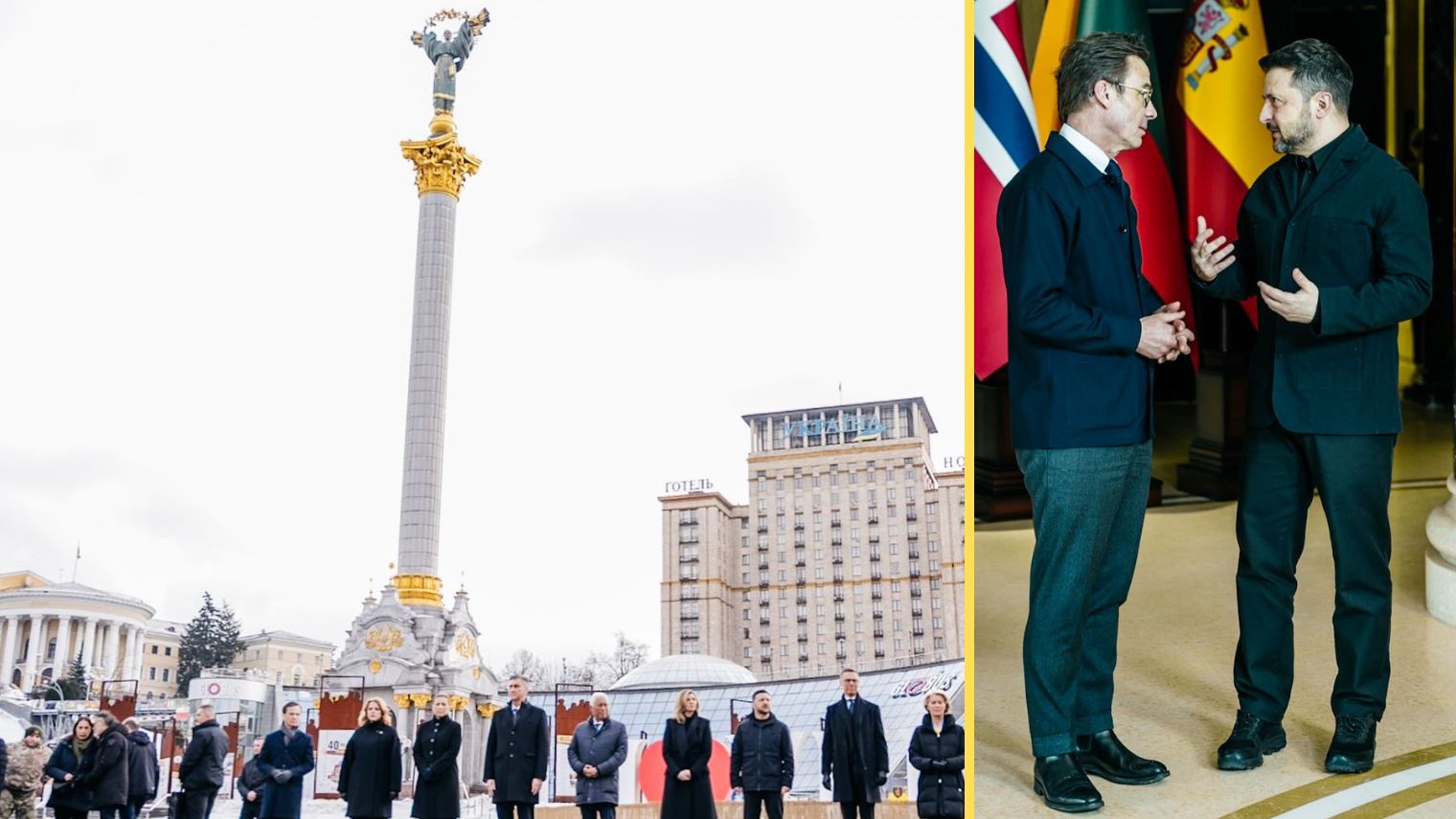
On February 23, Finland’s President Alexander Stubb was present in Ukraine’s capital Kyiv to participate in the commemoration of the four-year anniversary of the war. There, he was interviewed by the Danish newspaper Politiken and stated that “Ukraine is winning the war” and that US President Donald Trump is wrong in his analysis of developments.
–The Russian loss figures are unsustainable for Russia. At their worst days, one Ukrainian soldier dies for every 25 Russians. The fact is that Ukraine is on its way to winning the war, said Stubb to Politiken.
Alexander Stubb justified this by saying that Russia’s losses are unsustainable. In recent months, up to 65,000 soldiers had fallen.
Researcher: “My job is to provide an up-to-date picture of the situation”
But conflict researchers in Finland do not recognize the picture conveyed by President Alexander Stubb that Ukraine is winning the war—something that was also highlighted by the Finnish newspaper Hufvudstadsbladet.
Researcher Tyyne Karjalainen at the Finnish Institute of International Affairs even criticized the president’s statements in a podcast, emphasizing that as a researcher she relates to a “current picture of the situation”—something she believes the president does not convey.
–President Stubb said around the anniversary that Ukraine is winning the war. He surely has his own good reasons for saying this. As a researcher, my job is to provide an up-to-date picture of the situation, and to me, that is that Ukraine is currently losing, Karjalainen said in the podcast.
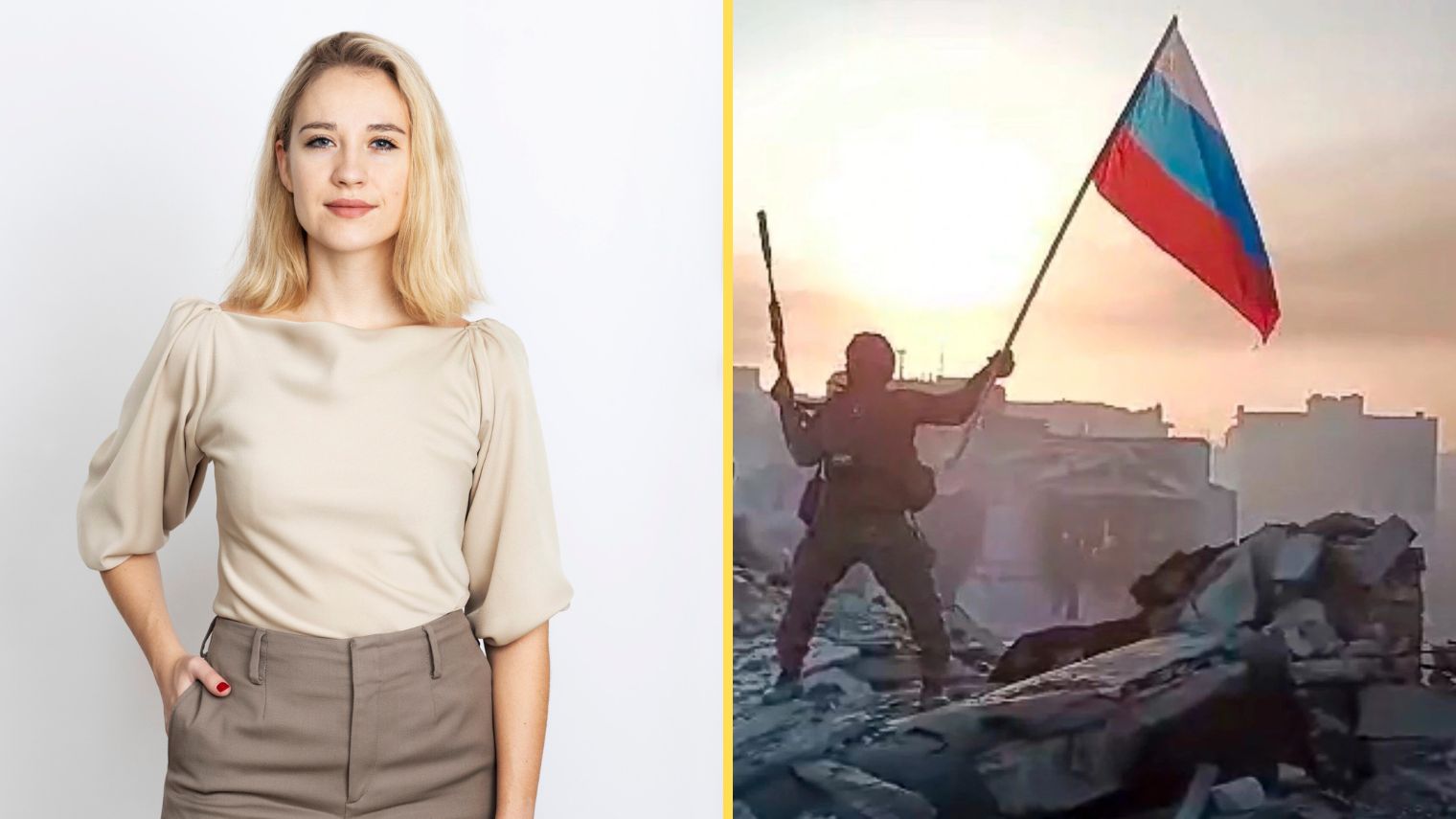
Also participating in the podcast were Katariina Mustasilta, senior researcher at the Finnish Institute of International Affairs, together with researcher Joel Linnainmäki and expert Anni Lindgren.
They criticized the optimistic messages that several European leaders conveyed to their citizens in connection with the four-year anniversary of the war at the end of last month, when European politicians traveled to Kyiv to show continued support for Ukraine indefinitely.
–Russia has the upper hand, if you look at the country’s original objectives, which are to control Ukraine and alter European security arrangements, Karjalainen stated.
Less than 1% of our readers support us
Hundreds of thousands read Samnytt, only 1 in 100 contribute. Help us grow and continue to deliver in-depth reports and investigations.
Without your support, Samnytt does not exist.
No advertisers. No government subsidies. Only our readers. Thanks to you, Samnytt has published over 33,000 articles that have challenged the mainstream narrative in Sweden.
123 083 33 50
Swish any amount
Thank you for reading and supporting Samnytt