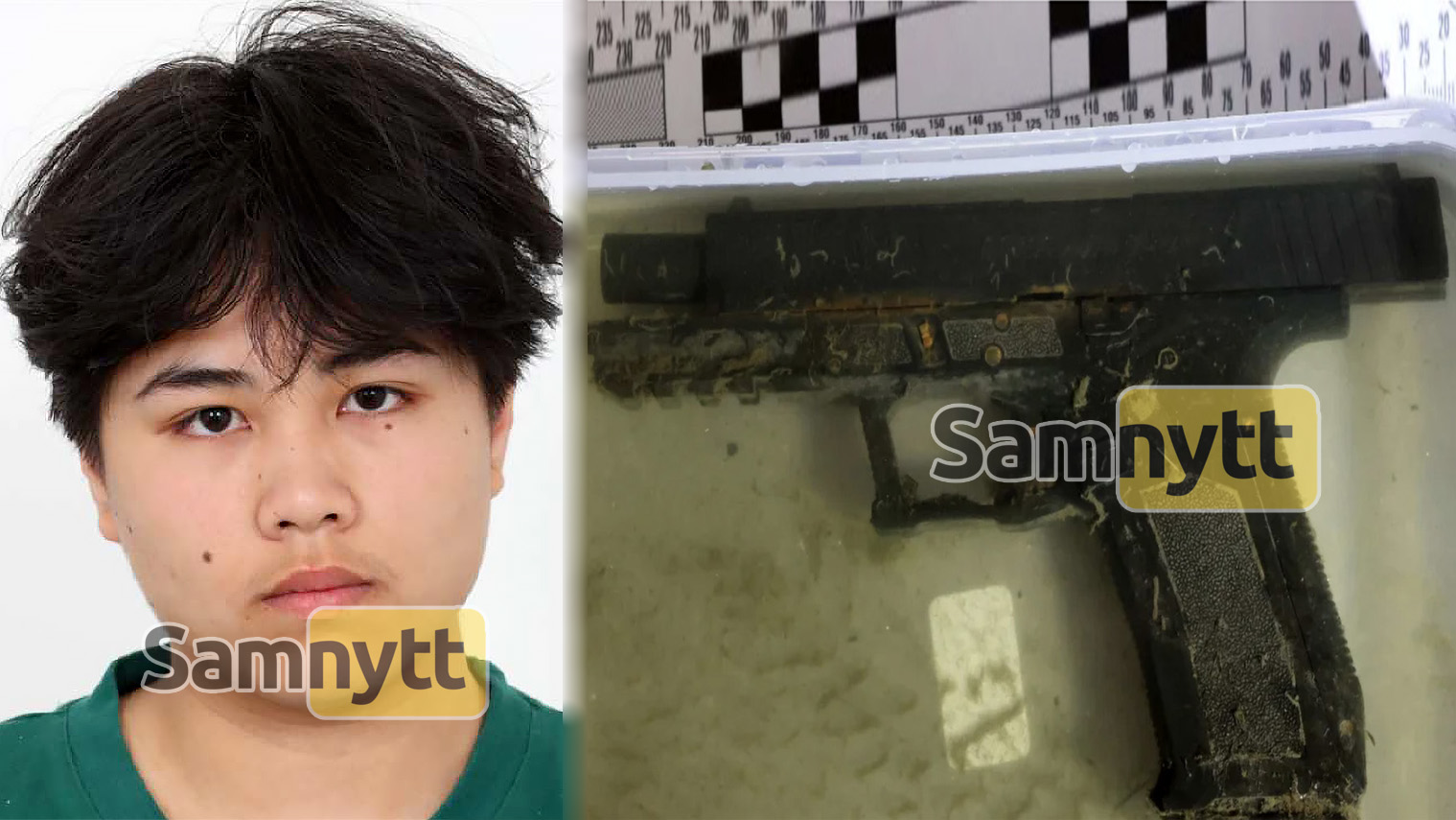
A hired murderer who shot and killed the wrong person outside a restaurant in Boländerna, Uppsala, will neither be sentenced to prison nor deported. Svea Court of Appeal did increase the sentence by six months but decided—in line with the District Court—that deportation would not be “proportionate,” despite the fact that this was a contract killing in which an entirely innocent father of two lost his life due to a mistake in the shooting.
Since the question of deportation after the restaurant murder in Uppsala in May last year will not be taken up by the Supreme Court, the Court of Appeal’s decision stands. Chetthawit Sankumping, born in 2009 and a Thai citizen, is convicted of murder and serious weapons offenses—but is sentenced to youth care instead of prison and escapes deportation.
The Court of Appeal extended the youth care sentence from the District Court’s three years to three and a half years. Otherwise, the lower court’s ruling stands. The prosecutor had requested deportation in line with new legislative changes, but the courts disagreed.
The Assignment Was Vague – Resulted in Mistaken Shooting
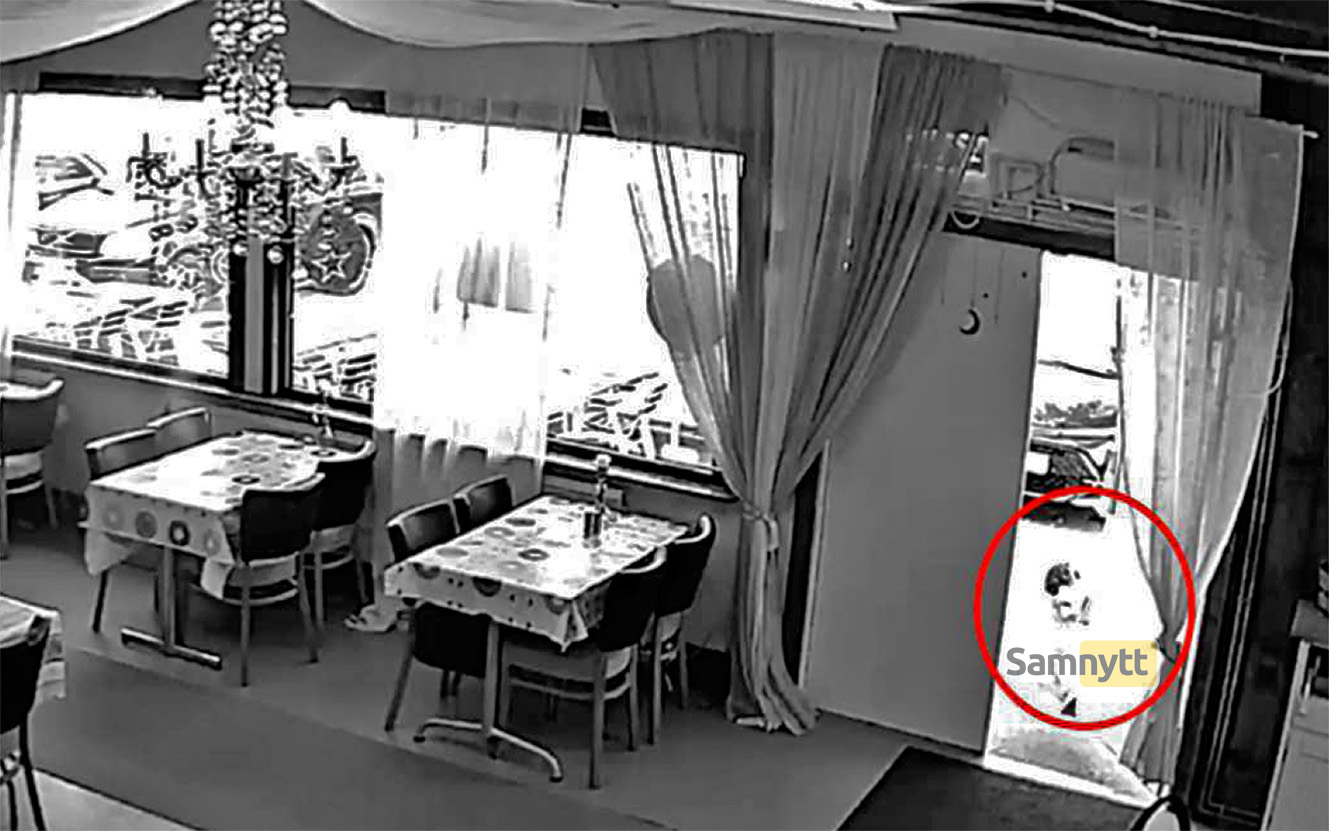
The murder was committed on May 13, 2025, outside a restaurant on Kungsängsvägen in Boländerna, Uppsala. According to the verdict, Chetthawit says he took the job for payment and received scant information about the target: it was supposed to be “a person at the counter.” He was guided during the act via call/earpiece by the contractor, according to his own account.
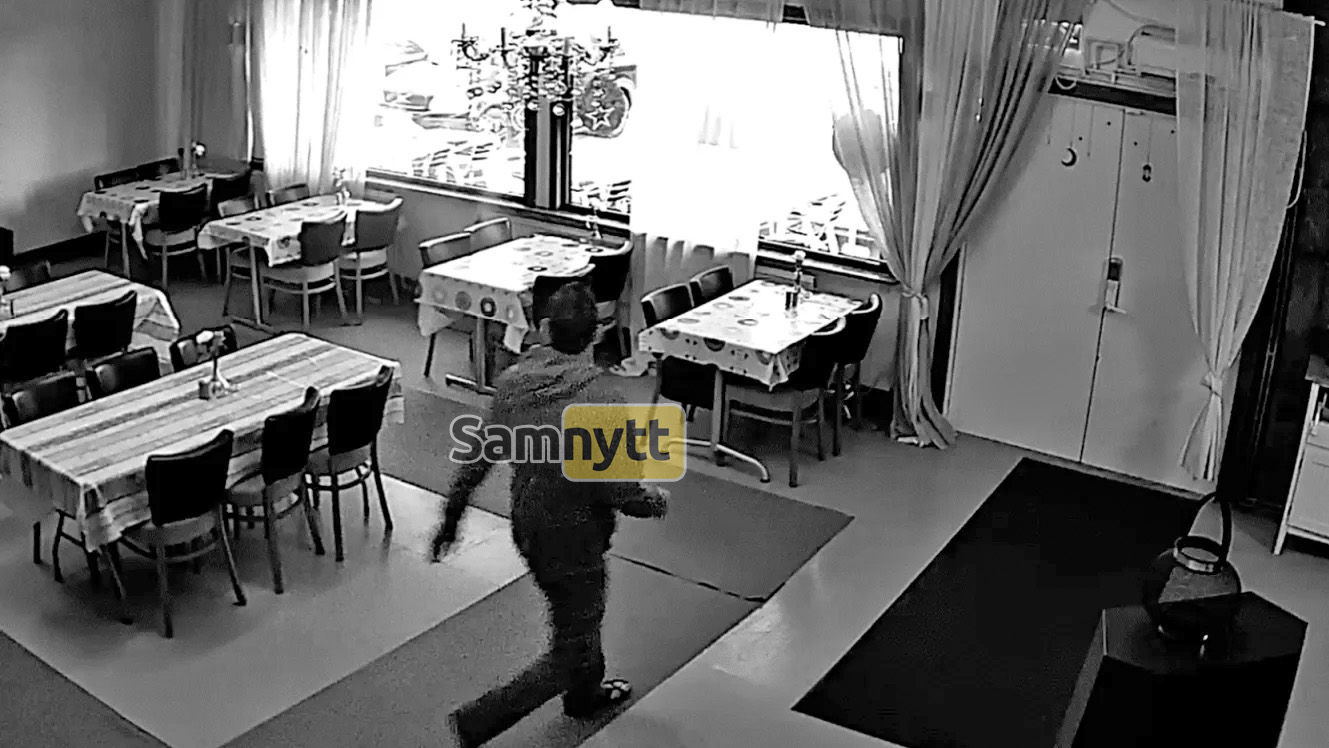
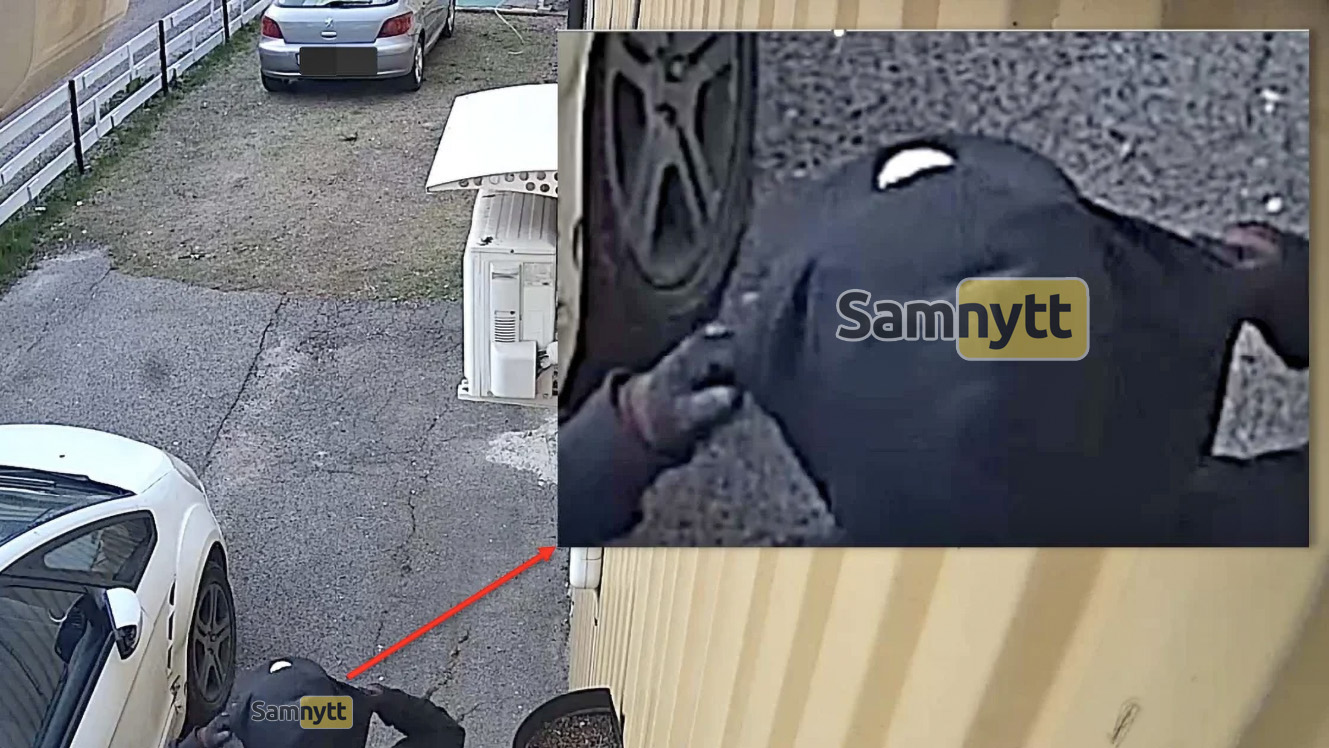
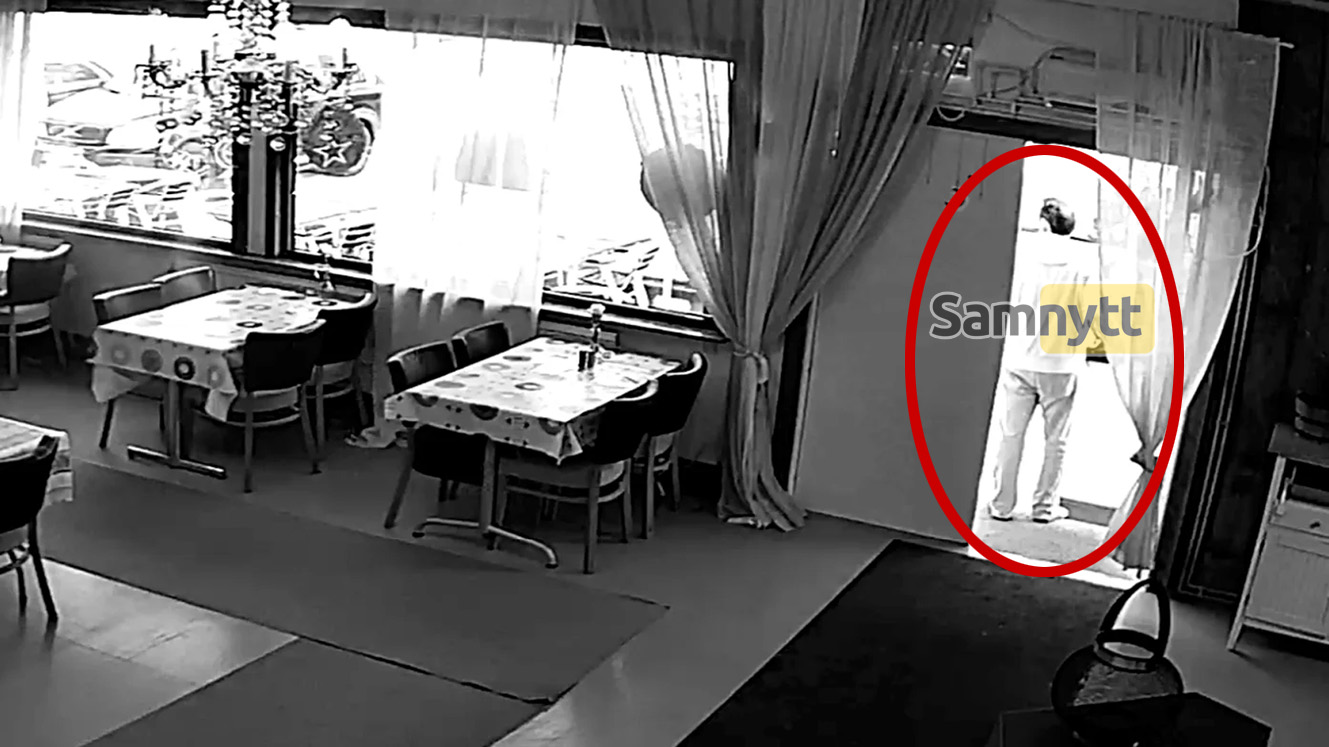
Chetthawit also claims that he was initially ordered to throw a hand grenade into the premises but refrained when he saw a child—before the man standing at the counter came out and was shot.
Police Chase Ended in Fyrisån
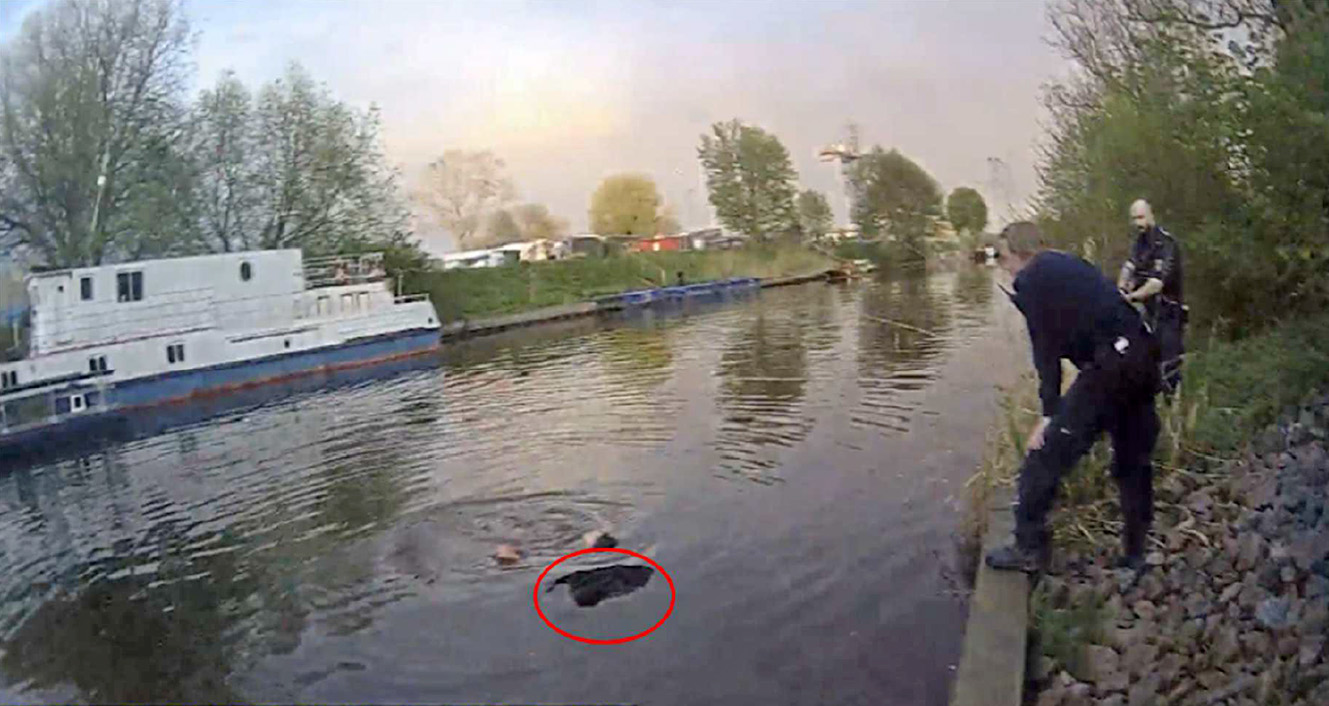
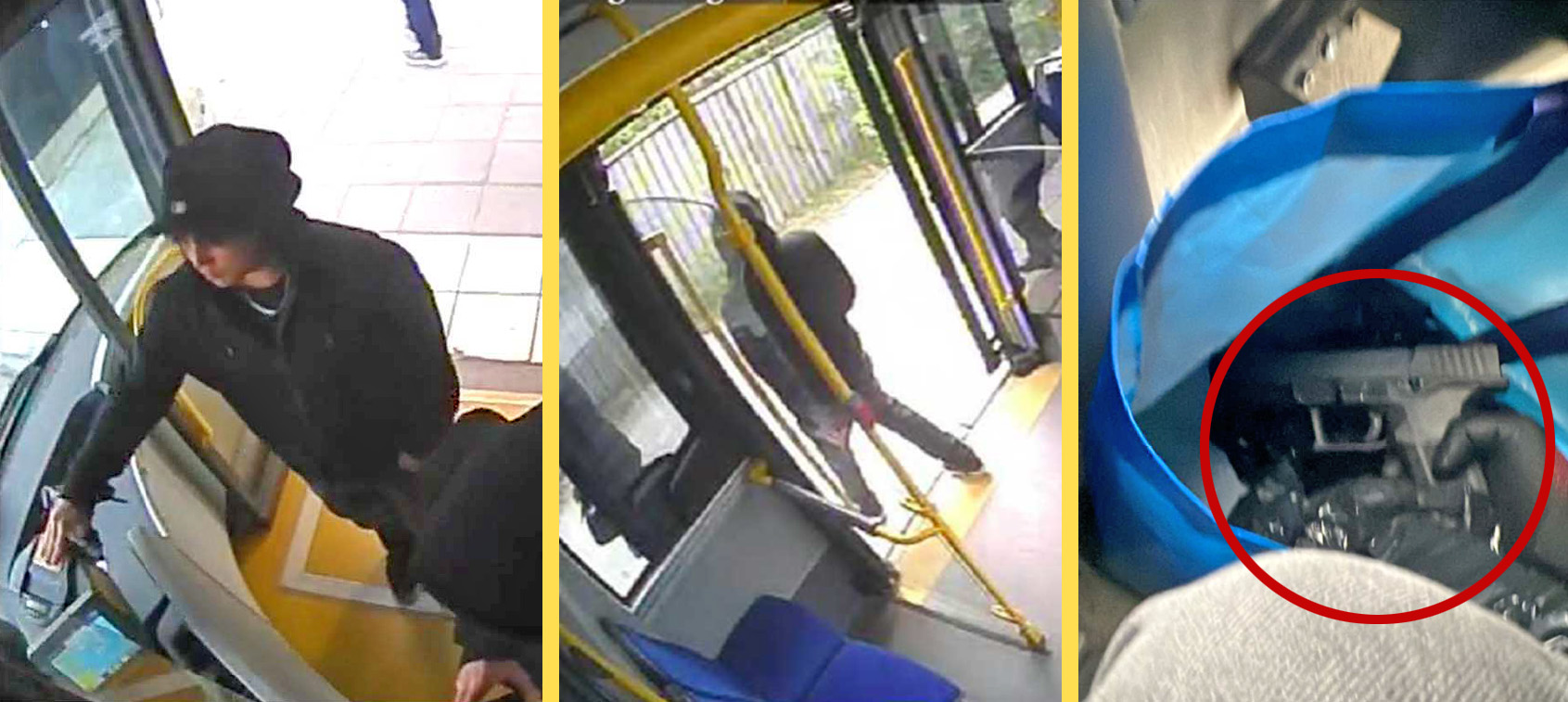
Shortly after the shots were fired, the shooter fled, rented an electric scooter, and according to the verdict, threw both weapon and hand grenade into the Fyris River before jumping into the water himself. However, he was pulled out and arrested by the police.
The murder weapon took longer to find. Only after several months of dragging the river did the police make a discovery.

Unmoved When the Murder Was Shown in Court
When the murder—as captured by surveillance cameras—is played in the courtroom as evidence, Chattahwit does not display any emotion suggesting remorse. He watches the footage without blinking.
READ ALSO: Child soldier shot dead father of young children in his home—a “mistaken shooting”
Others in the courtroom, including Chattahwit’s parents, are visibly shaken by what they see. In interrogations, Chattahwit has confessed but claims to have been forced to commit the murder under threat. This could not be substantiated. The instigator who ordered the murder also remains unidentified.
Deportation Blocked – “Well Established” and for “the Child’s Best Interests”
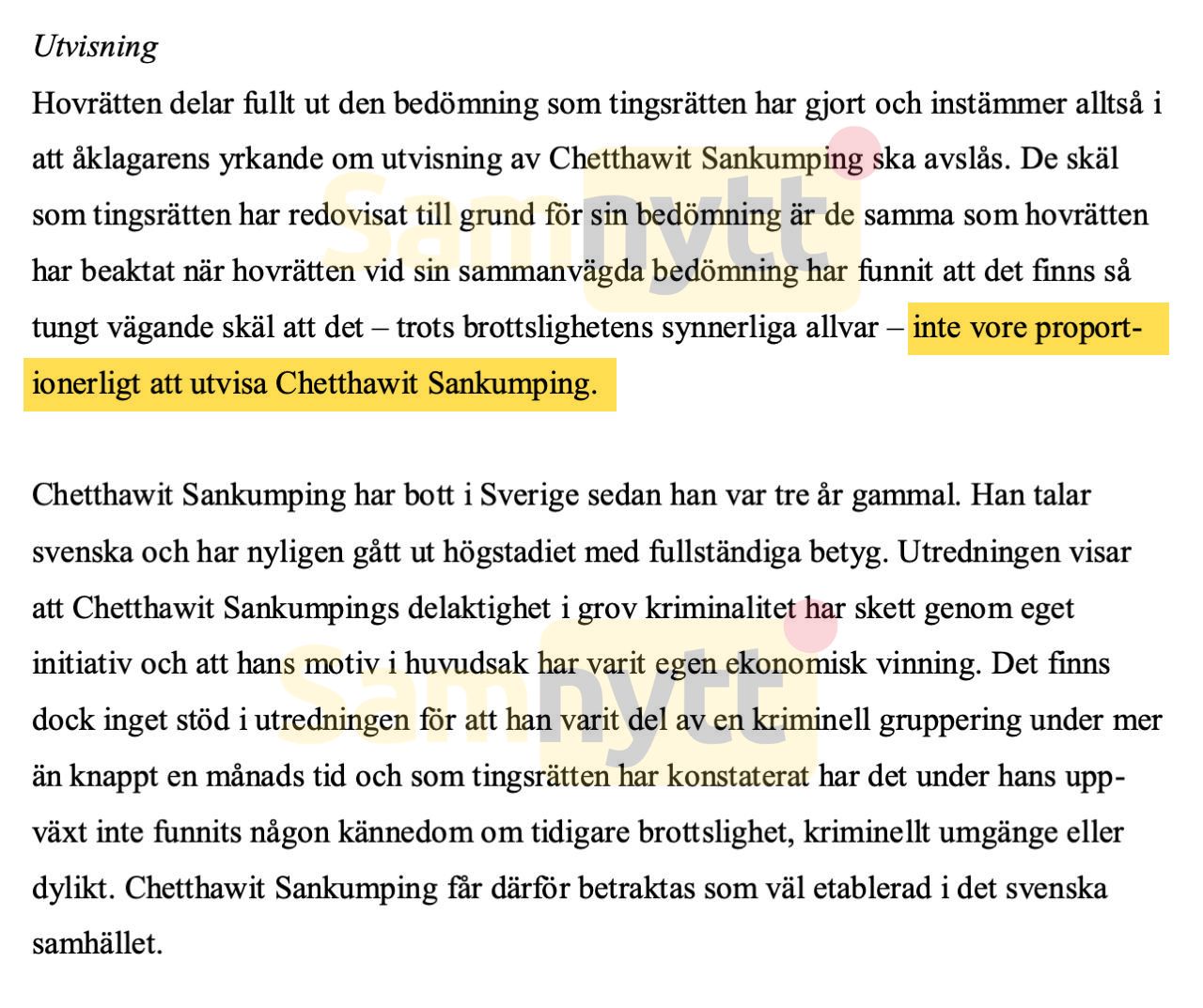
The most debated aspect is that the court—despite this being a paid gang murder where an innocent person was killed—determined that deportation could not take place as it would not be proportionate. Both the District Court and Court of Appeal point to a combination of factors:
He came to Sweden as a very young child, was registered here at the age of three, and has grown up in Sweden. He speaks Swedish and completed lower secondary school with full grades/eligibility. His connection to Thailand is considered weak—he has only visited as a tourist and does not speak the language.
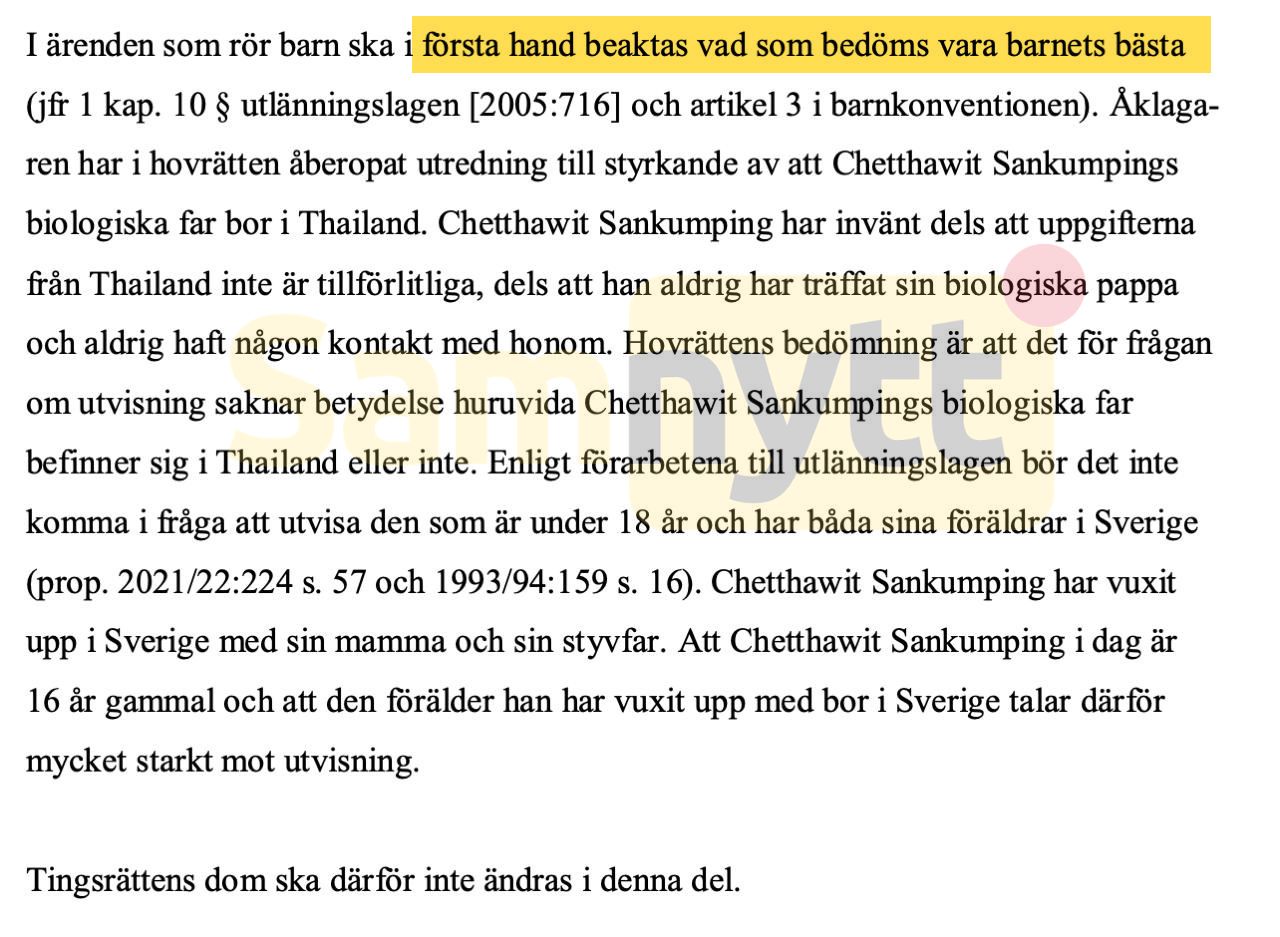
In cases involving children, the court must especially consider “the child’s best interests” and the Convention on the Rights of the Child—even if the child is a murderer. This, according to both district and appeal court, trumps recent law changes stating that special reasons are no longer required and that long residence in Sweden does not need to be given significance.
The Court of Appeal Was Divided – Two Judges Wanted Deportation
The District Court stated the conclusion clearly: there are strong arguments both for and against, but overall there are such decisive reasons against deportation that—despite the seriousness of the crime—it would not be proportionate.
The Court of Appeal was not unanimous. Two legal judges dissented and wanted him deported—arguing that the child’s perspective carries less weight since he would be 19 at the time of the deportation. They also proposed a ten-year re-entry ban.
Other Defendants: 18-Year-Old Gets Youth Care, Two Acquitted
In addition to the shooter, the Court of Appeal also tried several other charges related to the murder. A man (born 2007) is convicted of complicity in murder and involving a minor in crime. The Court of Appeal raises the sentence to four years of youth care.
Two young men who were charged with failing to report the murder were acquitted (the Court of Appeal changed one verdict and upheld the acquittal in the other case). All involved have non-Western immigrant backgrounds.
Fact: Current Legislative Changes
The prosecution argued that the murder should result in deportation under the new legal amendments. However, the court decided that a proportionality assessment is still needed, weighing connections and living circumstances against the seriousness of the crime. The District Court expressly referred to proportionality and legal precedent.
READ ALSO: VIDEO: See when the child soldier shoots at the nightclub queue at Stureplan—bouncer injured
In practice, this means that even though “special reasons” and long residence are no longer formal barriers, the court can still—using proportionality as a tool—determine that deportation should not happen in individual cases.
Fact: New Announced Tougher Rules
The government has also announced further toughening, making more crimes grounds for deportation and making the assessment result in deportation in more cases.
In a legislative proposal presented in February 2026, a main rule is described that any crime with a sentence harsher than a fine could lead to deportation, and that special rules for those who came to Sweden at an early age are to be removed.
READ ALSO: Teenagers shot at couple returning home with grocery bags—wife murdered in a “mistaken shooting”
Less than 1% of our readers support us
Hundreds of thousands read Samnytt, but only 1 in 100 contribute. Help us grow and continue to deliver in-depth reports and investigations.
Without your support, Samnytt cannot exist.
No advertisers. No state funding. Only our readers. Thanks to you, Samnytt has published over 33,000 articles that challenge the mainstream narrative in Sweden.
123 083 33 50
Swish any amount
Thank you for reading and supporting Samnytt