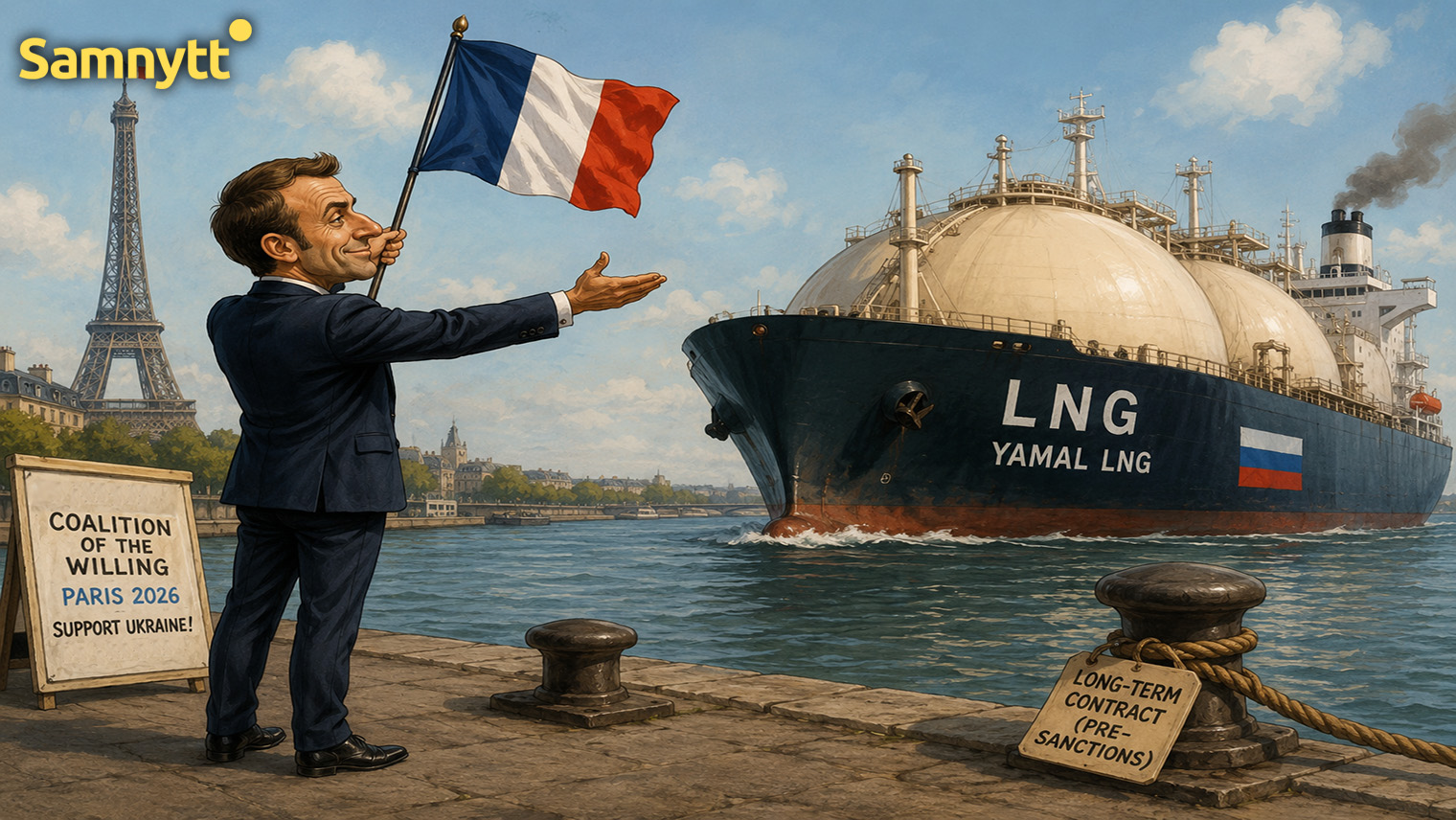
EU imports of Russian liquefied natural gas (LNG) reached the highest level ever during the first half of 2026. At the same time, European leaders have continued to emphasize tough sanctions against Moscow and strong support for Ukraine. The development exposes a clear contradiction between political messages and actual energy trade with Russia.
European countries imported nearly 10 million tons of LNG from the Russian Yamal project during the first six months of the year, an increase of about 18 percent compared to the same period last year. This means that EU countries effectively absorbed almost the entire production from Russia’s largest liquefied natural gas facility.
The data comes from the energy analytics firm Kpler and is highlighted by, among others, the British business newspaper Financial Times. They show that Europe continues to play a central, and even increasing, role in Russian gas exports despite more than four years of war in Ukraine. This stands in contrast to the political communication.
Loopholes in the Sanctions
The fact that imports have been able to increase despite extensive sanctions is largely due to the design of the EU’s regulatory framework. The Union has banned the purchase of Russian LNG on new short-term contracts, but long-term contracts signed prior to the introduction of sanctions are exempted.
This means that European countries and their energy companies can continue to receive large volumes of Russian gas as long as deliveries take place under old agreements – and they do so without hesitation.
READ ALSO: Europe’s Gas Storage Depletes – Opens the Door for Russian Comeback on the Energy Market
It is true that for each LNG shipment, the importing country must be able to prove that the purchase is covered by such a contract, but the system has made it possible to continue trade on such a scale that new all-time highs can be set.
Only on January 1, 2027 – five years after Russia’s invasion of Ukraine – will the EU’s ban on imports of Russian LNG under long-term contracts take effect. Later that same year, the remaining import of Russian pipeline gas will also be phased out. Until then, however, significant opportunities remain to legally purchase Russian energy – as great or greater than before the war.
France at the Center
France was the largest single buyer of LNG from Yamal in the first half of the year, importing about 3.6 million tons. Belgium and Spain followed.
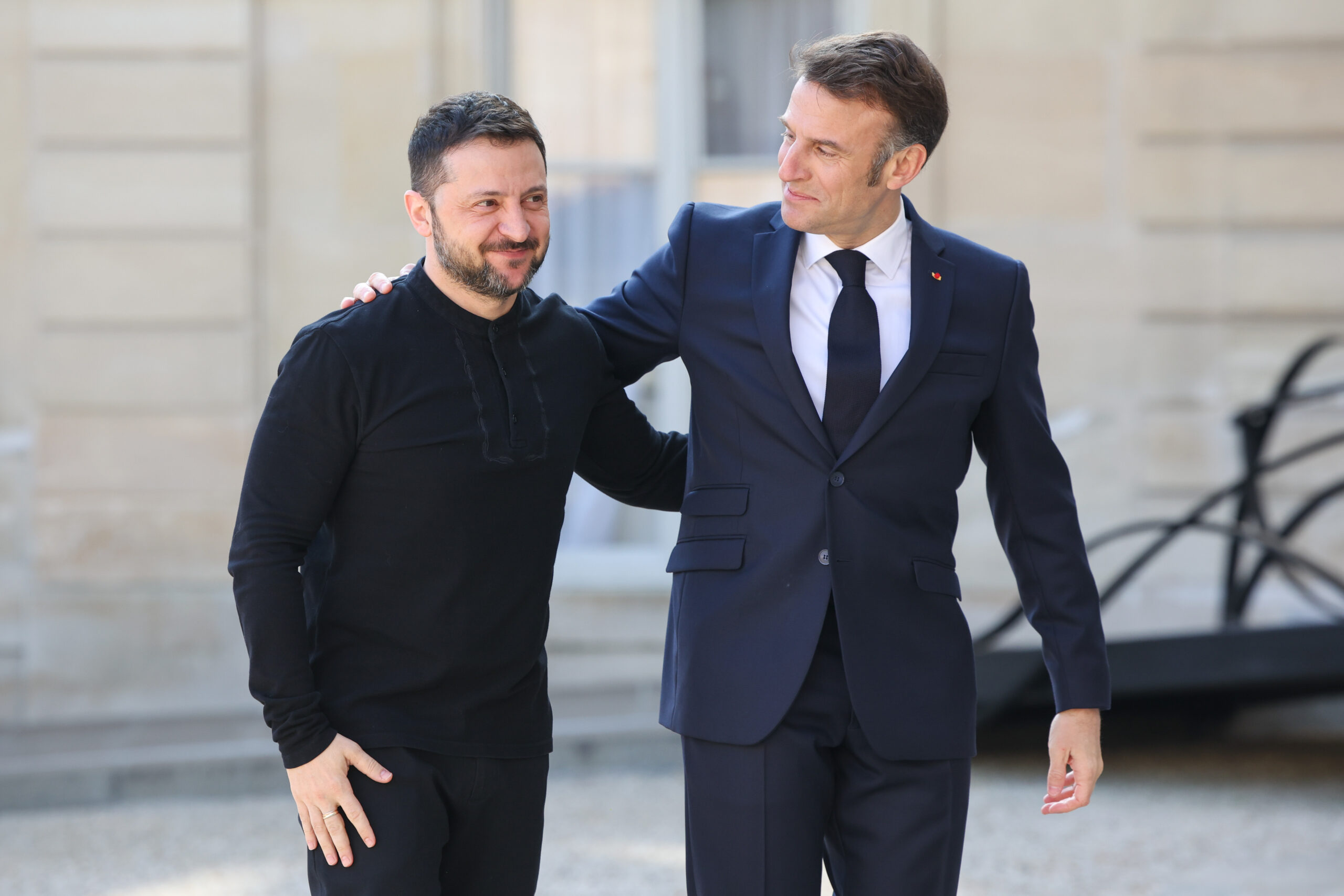
The figures are politically sensitive since France’s president, Emmanuel Macron, has, during the war, profiled himself as one of Europe’s loudest advocates for continued support for Ukraine and sanctions against Russia.
As recently as this year, Paris hosted meetings within the so-called “Coalition of the Willing,” where Macron emphasized the need to maintain pressure on Russia and strengthen Europe’s support for Kyiv.
Meanwhile, significant sums continue to flow to Russian energy companies through European LNG purchases. According to estimates from the German environmental organization Urgewald, EU purchases from Yamal in the first six months of the year may have been worth as much as six billion euros. Money that can then be funneled on to the Russian war industry.
Europe Keeps Yamal Alive
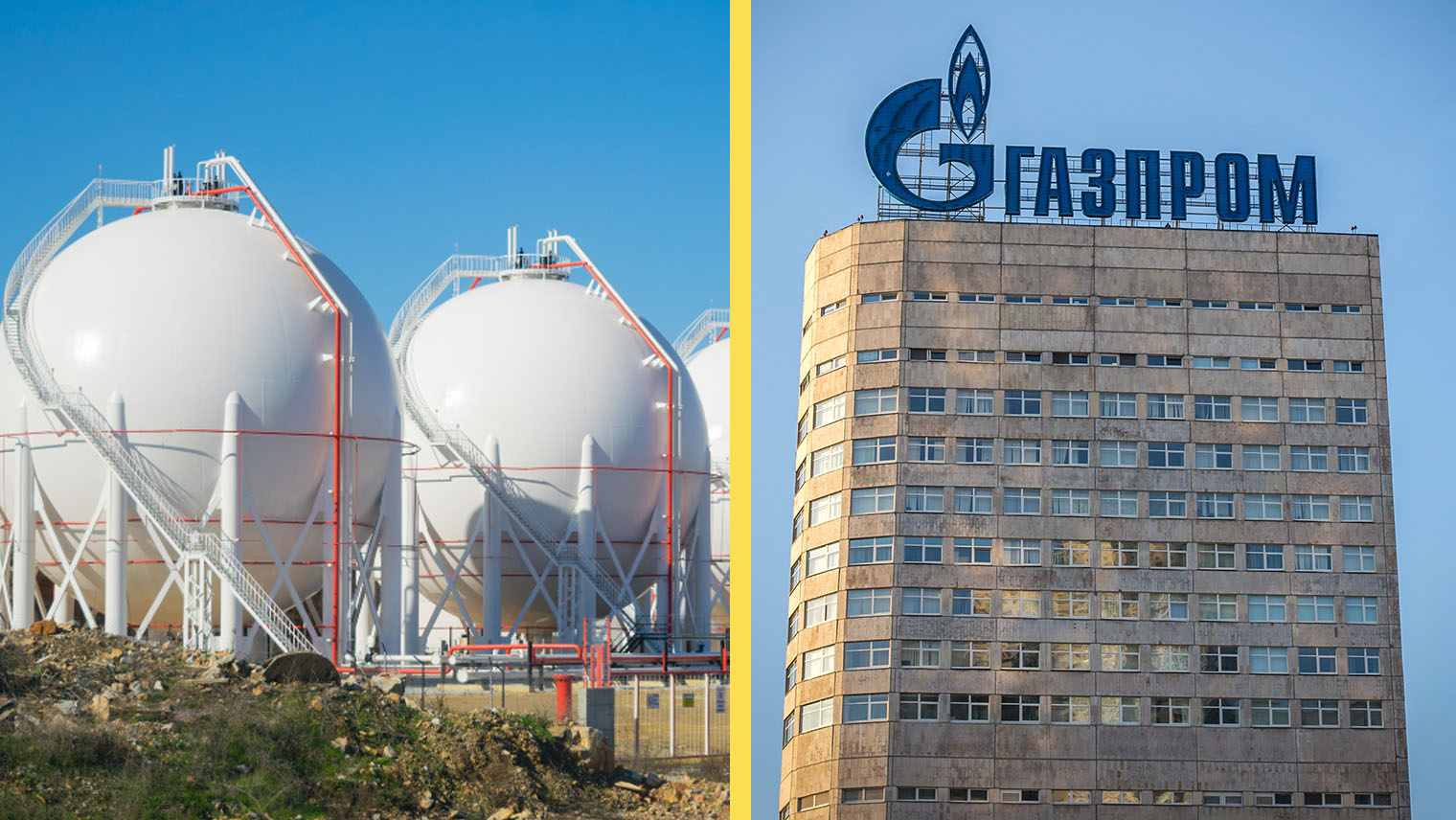
The increased imports also have strategic significance for Russia. Yamal LNG is located in the Russian Arctic region and relies on a limited fleet of specially built ice-breaking gas tankers. For the project, European ports are crucial as they enable rapid turnaround for the ships.
The alternative is to send larger volumes to Asia via the Northern Sea Route along the Siberian coast, a longer and more complicated transport route that is also dependent on weather conditions. During the first half of the year, deliveries from Yamal to Asia dropped sharply, while exports to Europe increased.
Yamal is also still dependent on European infrastructure and European service providers for maintenance and repairs of ships, which is still permitted and further underscores how closely intertwined the European market still is with the Russian LNG industry.
Symbolism and Reality
Since Russia’s full-scale invasion of Ukraine in 2022, the EU has repeatedly declared that the Union should free itself from Russian energy. Imports of Russian oil have fallen sharply and several gas pipelines have been shut down or had their significance reduced.
But developments in LNG show that the dependence is far from broken. On the contrary, trade in liquefied natural gas has in some ways served as a valve, making it possible to continue buying Russian energy even as it appears on the surface that sanctions are being continuously tightened.
The result is a situation where European governments publicly emphasize the importance of economic pressure on the Kremlin, while several member states – under fully legal exemptions – remain among the most important customers for one of Russia’s most significant energy installations.
READ ALSO: China and Saudi Arabia Sell Russian Gas and Oil to Europe