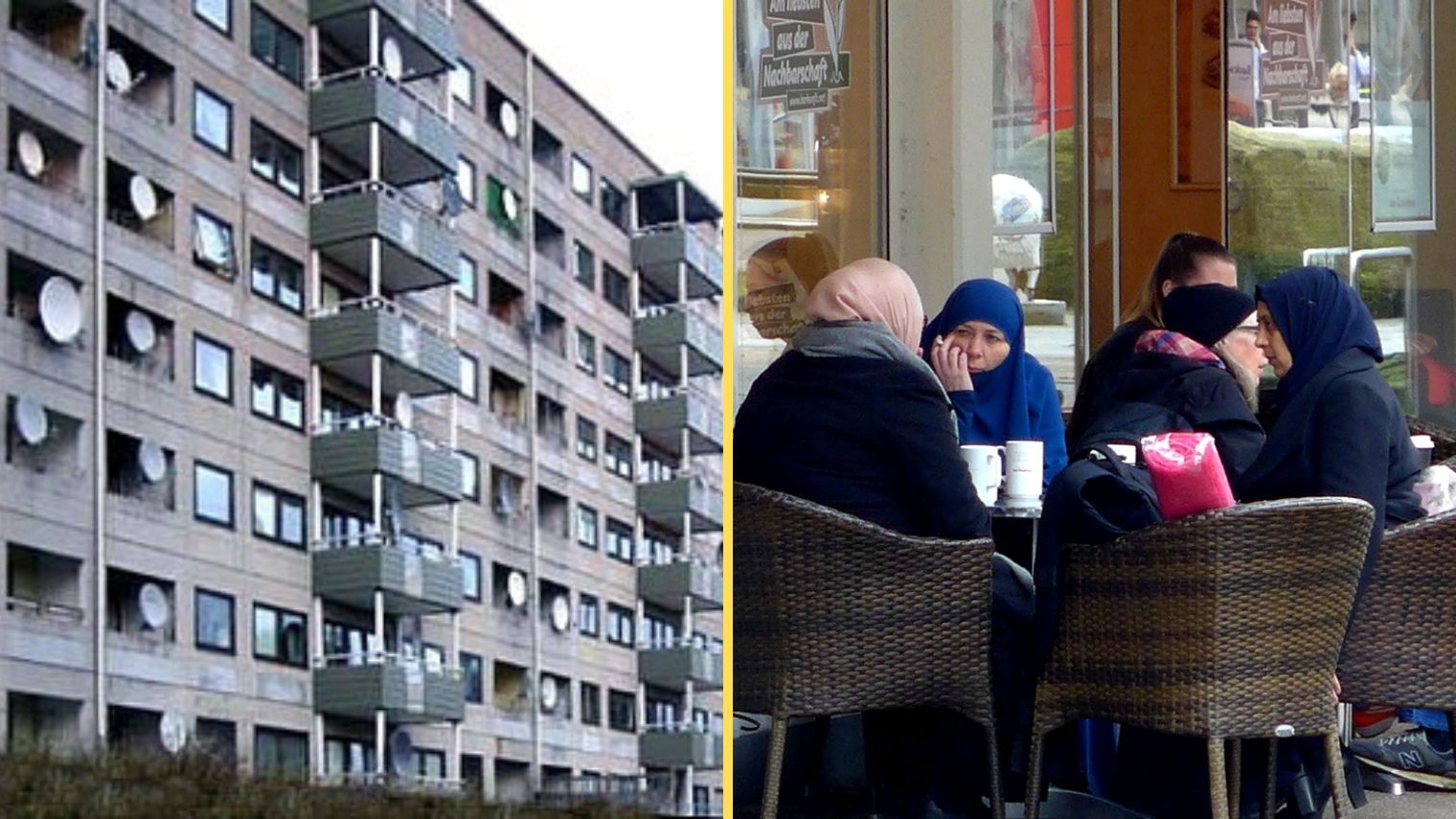
Sweden’s municipal politicians seem to largely avoid the immigrant-dense areas that they themselves have helped create. Only 6.5 percent of candidates in Stockholm, Gothenburg, and Malmö live in so-called “exclusion areas.” This is despite the fact that the proportion among the population in the three major cities is about twice as high.
A survey conducted by Dagens Samhälle shows that only 6.5 percent of candidates in the municipal elections in Stockholm, Gothenburg, and Malmö reside in areas classified as exclusion areas.
The term “exclusion area” is used for neighborhoods where several socio-economic problems are concentrated, often in areas with a high proportion of foreign-born residents.
According to the National Board of Housing, Building and Planning (Boverket), this includes, among other things, high unemployment, extensive dependence on benefits, overcrowding, and weak school results.
READ ALSO: Janne Josefsson: Why Don’t Top Social Democrats Themselves Move Out to Problem Areas?
Among the metropolitan population as a whole, the corresponding proportion is about 13 percent. When analyzing the candidates’ party affiliations, clear differences emerge.
The Left Party has the highest proportion of candidates from exclusion areas, with 12.4 percent of its candidates living in such neighborhoods.
SEE VIDEO: Top Social Democrat Anders Ygeman Doesn’t Want to Live in Immigrant Areas
The Social Democrats follow with 9.8 percent, while the Sweden Democrats have a share of 7 percent.
Liberals Shun Multiculturalism
At the other end of the list are the Liberals. Only 0.7 percent of the party’s candidates in the three big cities live in an area covered by the definition.
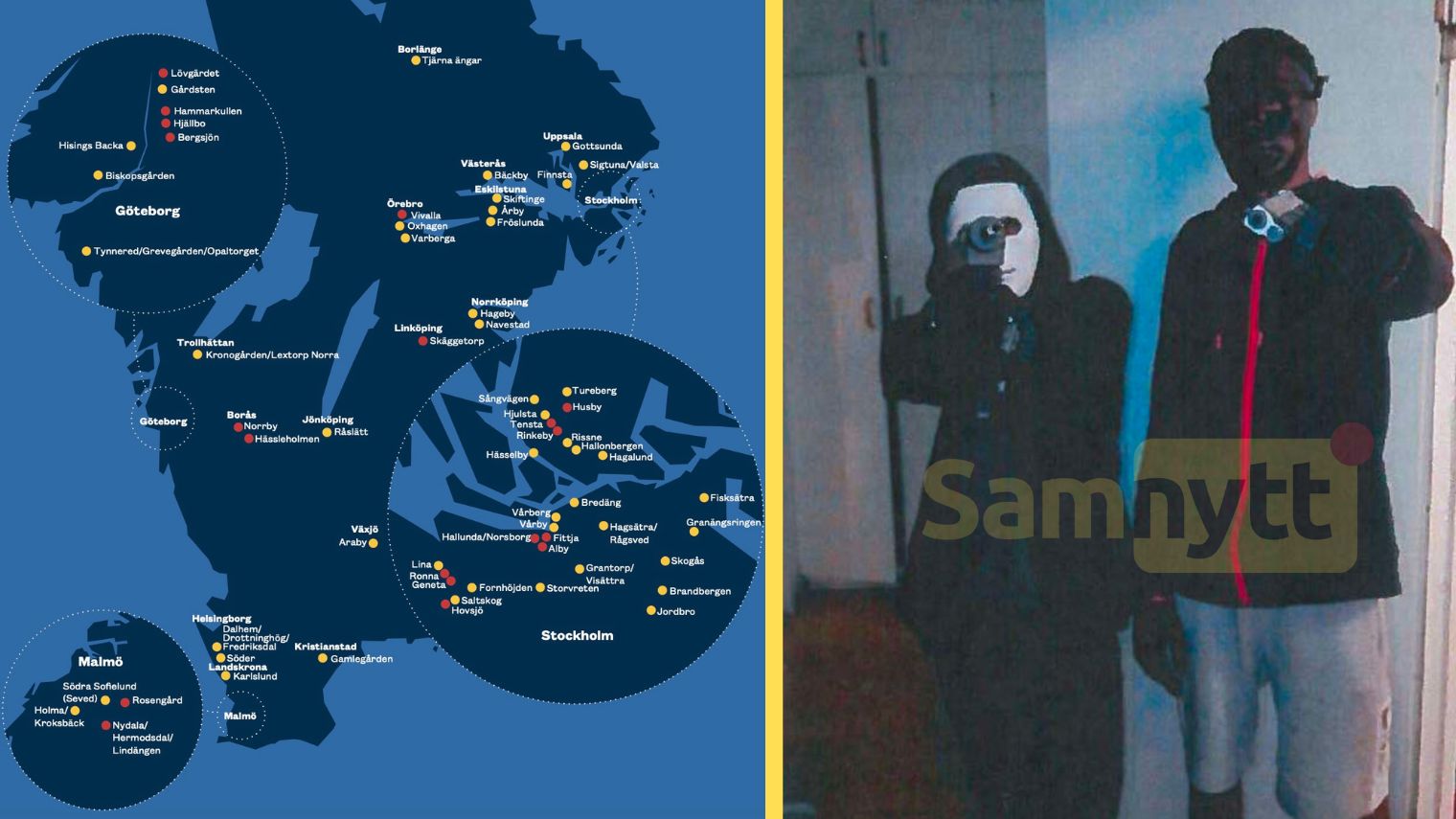
The fact that so few political candidates themselves live in these areas means that people with direct experience of such social conditions are relatively few among the candidates.
Of the 100 candidates from exclusion areas included in the survey, around 80 are ranked eleventh or lower on their respective party ballots. This means that a large part of the candidates have relatively small chances of actually taking a seat on the municipal council.
READ ALSO: Every Other Foreign-Born Person in “Vulnerable Areas” Lacks Basic Reading Comprehension