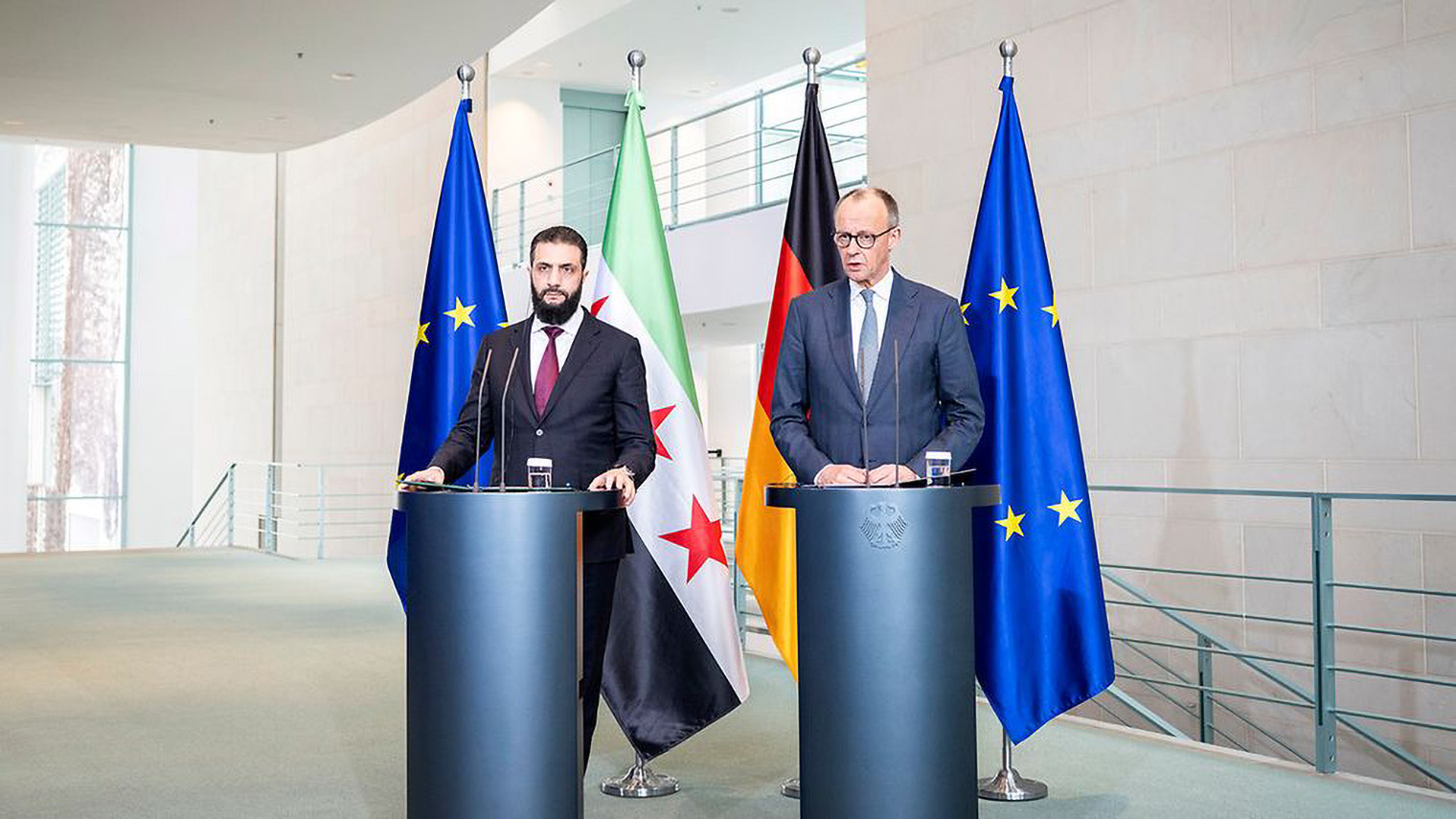
Germany’s Chancellor Friedrich Merz wants up to 80 percent of Syrians in the country to return within three years after the fall of the Assad regime. The statement has sparked criticism—not least because Syria’s new president, Ahmed al-Sharaa, who stood by Merz’s side in Berlin, has a background as an al-Qaida leader. At the same time, a similar but more complicated discussion is ongoing in Sweden.
At a widely reported state visit in Berlin, Chancellor Friedrich Merz declared that a large majority of Syrians in Germany should return to their homeland.
– Over the coming three years … about 80 percent of the Syrians who currently live in Germany should return to their homeland, Merz said at a joint press conference with Syria’s president and former al-Qaeda leader Ahmed al-Sharaa.
The background is that the Syrian civil war, ongoing since 2011, is now considered to be over after Bashar al-Assad was toppled. Merz argues that the need for protection must therefore be reconsidered and that repatriation could contribute to Syria’s reconstruction.
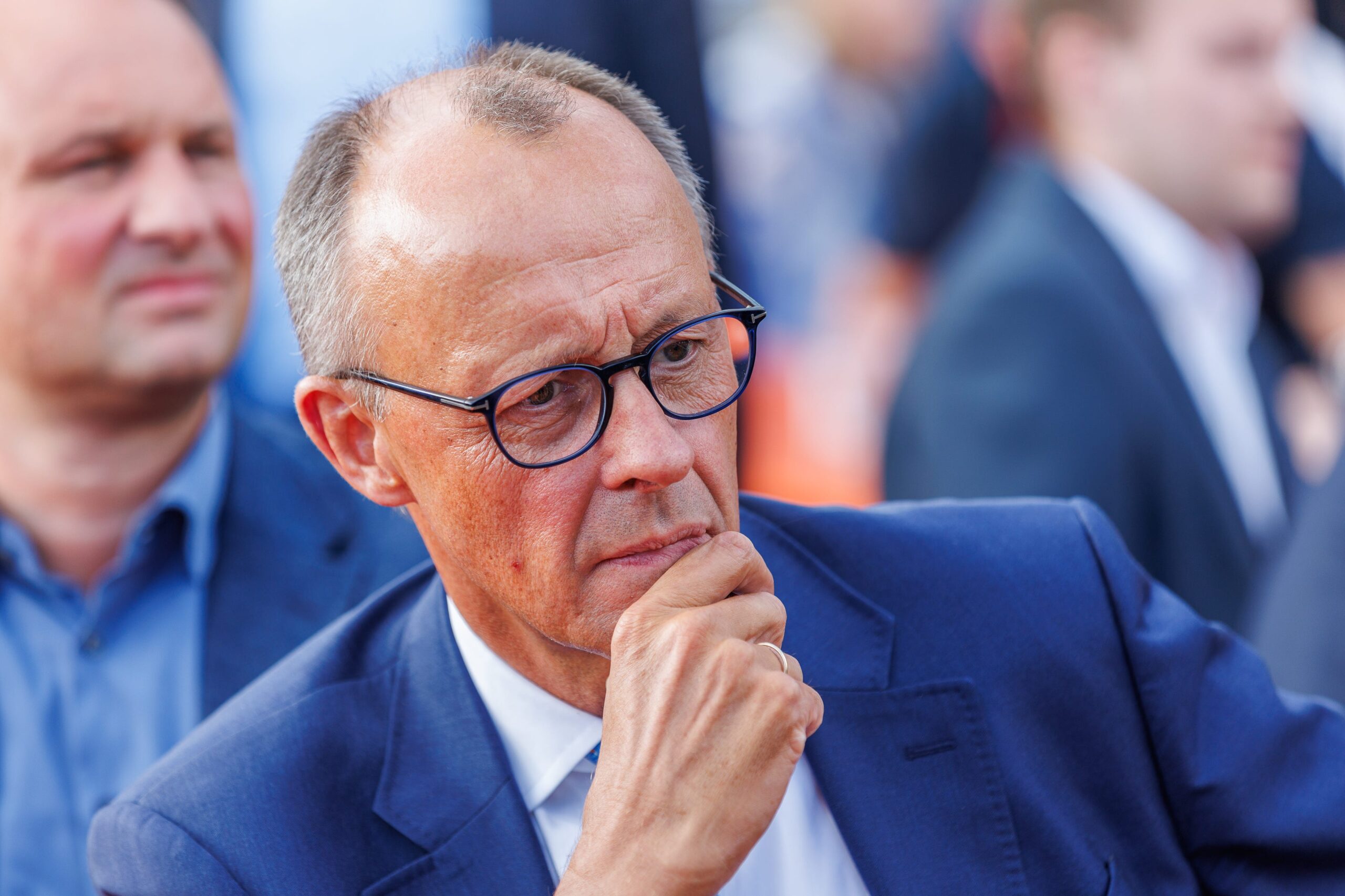
At the same time, he stressed that certain groups—such as doctors and healthcare professionals—may be allowed to stay, since they play an important role in German society. However, ‘brain drain’ critics argue that it is precisely these well-educated individuals that Syria most needs to get back to rebuild the country.
Germany currently has the largest Syrian diaspora in the EU, with over a million people registered in the country. In Sweden, the corresponding figure is around 200,000 depending on how you count. If you include people with at least one parent born in Syria, the number rises to about 240,000.
Criticism: Unrealistic and Political Game
The statement has been met with criticism from both the opposition and parts of the government coalition. Critics argue that the security situation in Syria is still unstable, that infrastructure is deficient, and that many Syrians have already put down roots in Germany—with work, family, and, in many cases, German citizenship.
READ ALSO: Syrians in Sweden Do Not Want to Return
The very goal itself is also being questioned. Setting a number of 80 percent is considered unrealistic and risks playing into the hands of anti-immigration forces like the AfD party. At the same time, statistics show that repatriation so far has been very limited. Only a few thousand Syrians have voluntarily returned from Germany, despite the regime change. In Sweden, interest in returning is also weak.
Controversy Surrounding Syria’s New President
The state visit itself has also provoked strong reactions. Syria’s President Ahmed al-Sharaa, who participated in the press conference, has a background as a leader within the terrorist network al-Qaida—a violent Islamist organization responsible for a long series of attacks worldwide, including the 9/11 attacks in the USA.
READ ALSO: Then: Imprisoned Al-Qaida Terrorist – Now: US-Allied President
Al-Sharaa, previously known as Abu Mohammad al-Julani, was imprisoned by the USA in Iraq after joining al-Qaida during the 2000s. After his release, he founded the al-Nusra Front, an al-Qaida-affiliated Islamist militia that played a central role in the uprising that ultimately toppled the Assad regime.
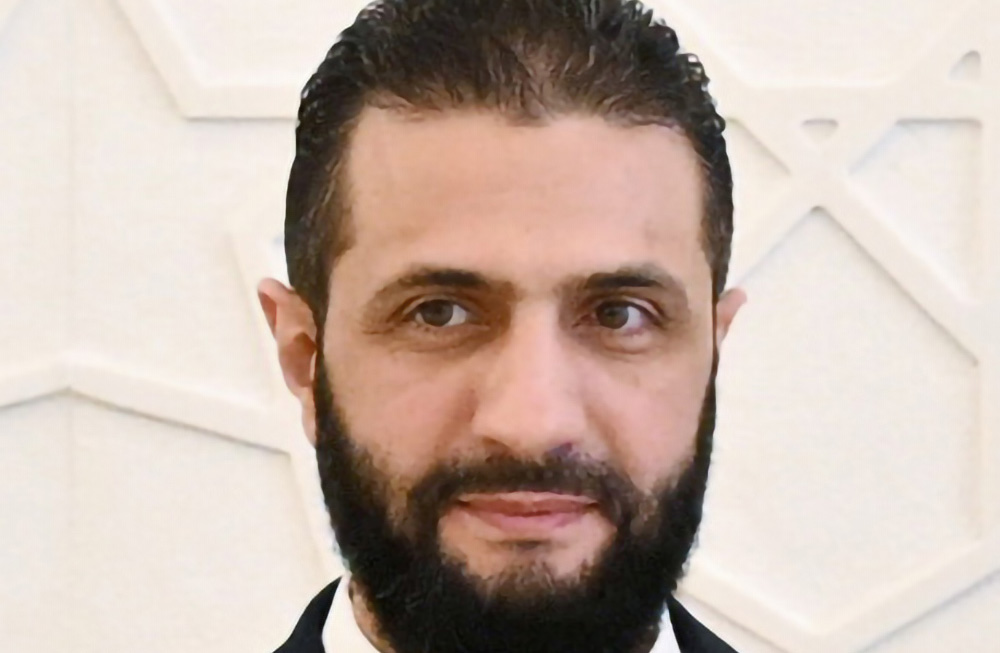
Despite this background, he is today received as Syria’s head of state and cooperation partner by Western countries. The visit in Berlin was met with protests from, among others, Kurdish groups and human rights activists, who accuse him of abuses and question the legitimacy of inviting him.
Migration a Core Issue for Merz
Merz’s hard line on migration is nothing new. Already during the 2025 election campaign, he made limited immigration a key issue, not least to counter competition from the anti-immigration AfD.
After the migrant crisis of 2015–2016, when Germany took in over a million people under Angela Merkel’s slogan ‘Wir schaffen das’, public opinion has shifted. Migration is now one of the country’s most critical political issues.
Even before taking office, Merz argued that Syrians, in the long term, have no future in Germany and that their return should be encouraged. That he is now taking things further by setting concrete goals for repatriation is seen as an attempt to fulfill these promises and keep the AfD in check.
Same Ambition in Sweden—But Bigger Obstacles
A similar discussion about repatriation is ongoing in Sweden, but the circumstances differ in several decisive respects.
Sweden’s Minister for Migration, Johan Forssell (M), has emphasized that the government wants to increase returns to Syria, especially for people without residence rights or those who have committed crimes.
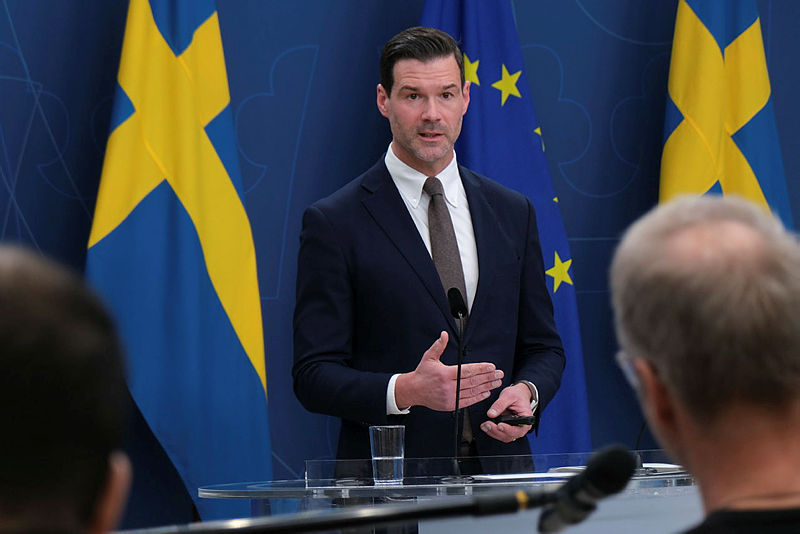
– Every country has an obligation to receive its own citizens, Forssell has said, pointing to new attempts at cooperation with the Syrian government.
The government has also introduced a significantly increased repatriation grant to encourage voluntary return. However, the interest among Syrians in Sweden to voluntarily travel home is small.
Citizenship and Identity Hold Back Returns
Unlike Germany, Sweden faces significant practical obstacles. A proportionally larger share of Syrians in Sweden have already been granted Swedish citizenship—over half of the roughly 200,000 people who have immigrated from Syria. These cannot be deported or covered by the repatriation grant.
READ ALSO: The Government Wants More Syrians to Return—But Many Have Already Become Swedish Citizens
There are also extensive problems with unclear identities. During the migrant crisis, oral statements were often accepted, which today makes it harder to determine who actually is Syrian and can be deported there. Many non-Syrians took the opportunity to come to Sweden when the threshold for being granted residence was lowered and the principle of individual consideration was abandoned.
Åkesson: ‘Out of the Frying Pan into the Fire’
Sverigedemokraterna party leader Jimmie Åkesson has gone further than the government and demanded that Syrians’ residence permits be reconsidered. At the same time, he has warned about developments in Syria after the power shift.

– Unfortunately, there is every reason to believe that Syria has now gone out of the frying pan into the fire, since destructive Islamist forces are behind the regime change.
This ties into the criticism also leveled in Germany against cooperating with the new president, al-Sharaa.
A European Trend—But an Uncertain Future
The debate about Syrians returning is now playing out across much of Europe. Yet, several crucial questions remain. Is Syria stable enough for people to return? How will returns be carried out in practice? What do you do with those who have already become citizens of the host countries?
For Germany, Merz’s statement marks a clear shift in political direction. For Sweden, the ambition is similar—but the reality is even more complicated.
READ ALSO: Former US Ambassador in Syria: I Prepared the Al-Qaida Leader Before Assad Was Toppled