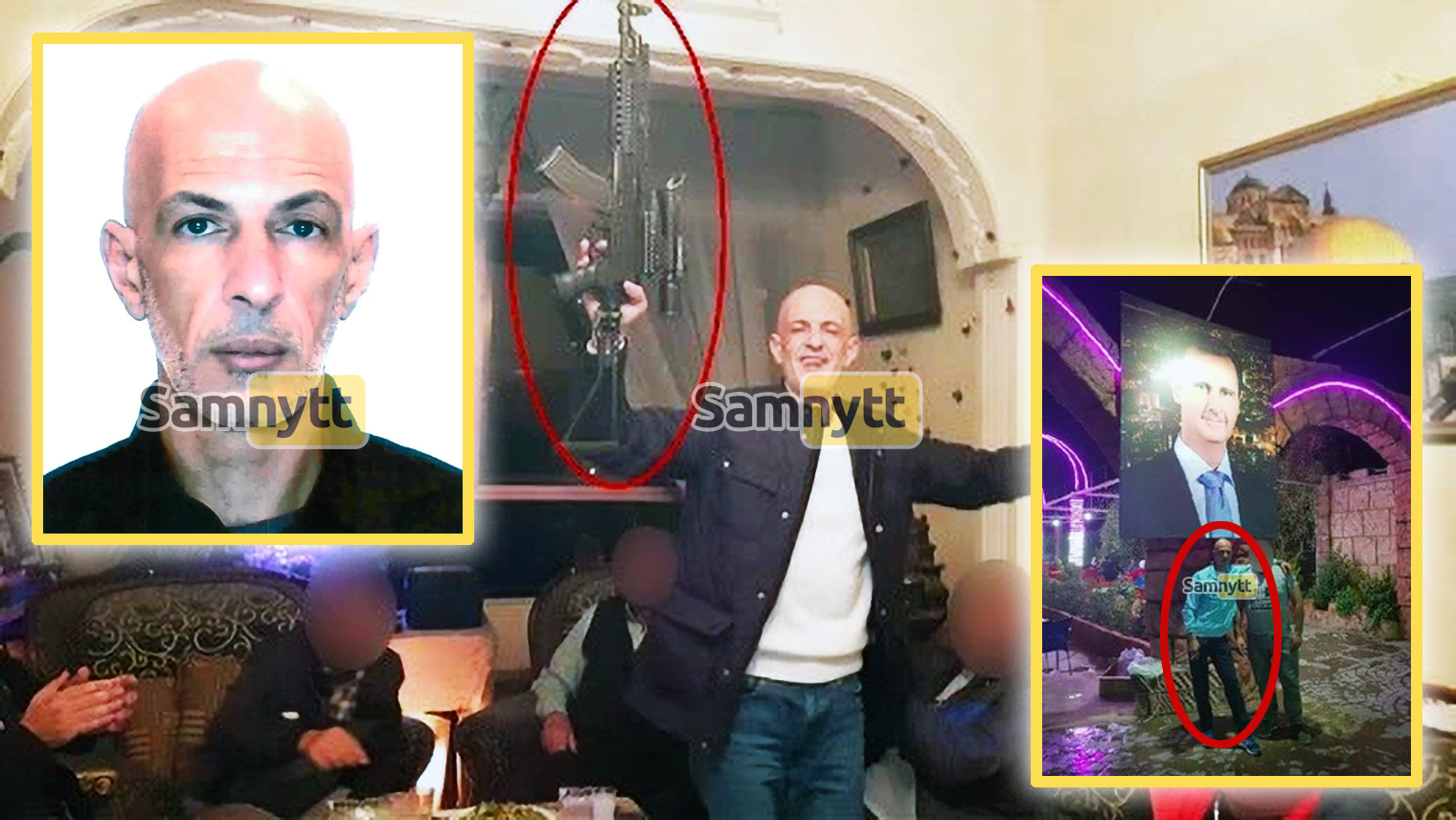
A 55-year-old man has been sentenced to life imprisonment by the Solna District Court for grave violations of international law committed during the Syrian civil war.
The man is believed to have served in the employ of the Assad regime, taking part in deadly violence against civilian demonstrators as well as systematic oppression at a notorious checkpoint in Yarmouk.
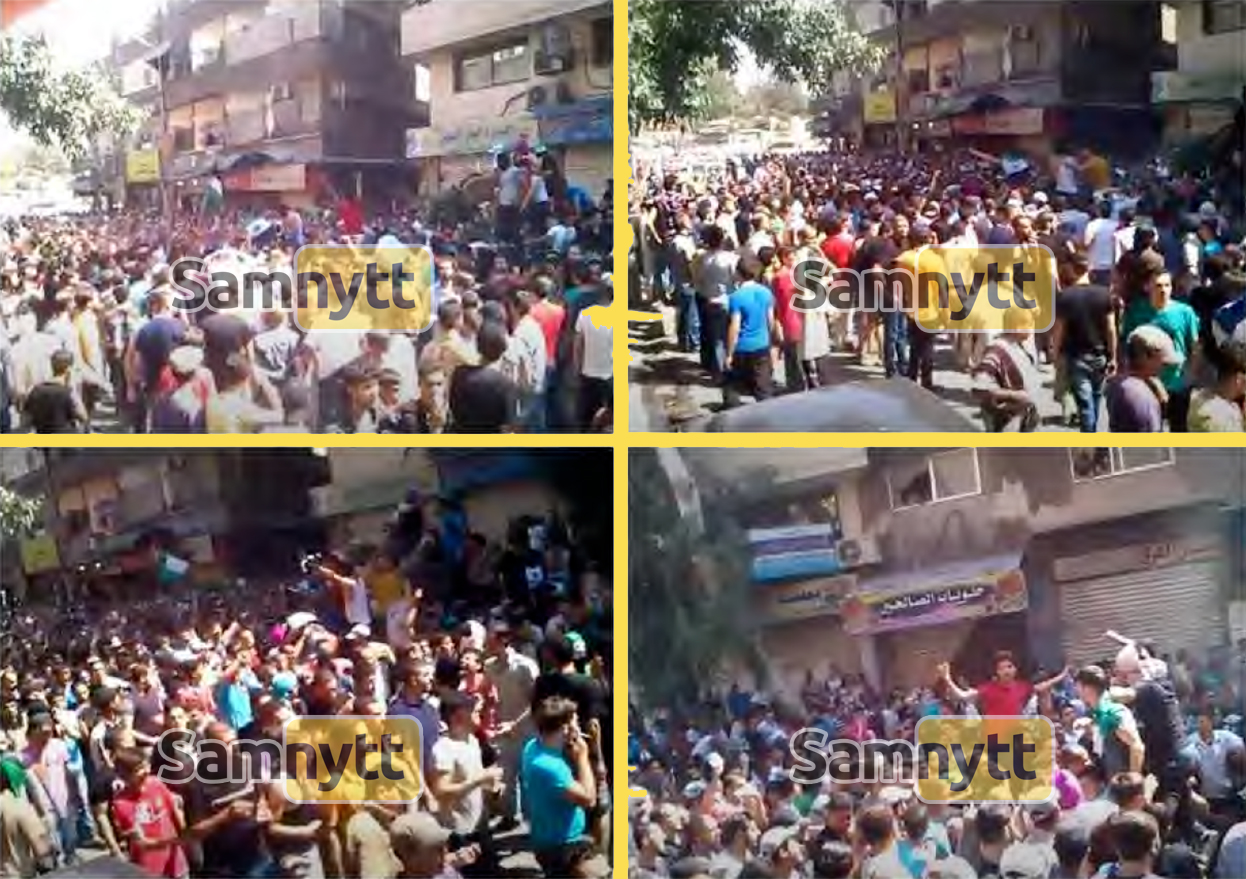
In the summer of 2012, people gathered in Yarmouk, a densely populated area south of Syria’s capital Damascus, where a significant portion of the residents were Palestinian migrants. The demonstration is said to have been peaceful, targeting the Assad regime.
The protest took place in a Yarmouk already embroiled in the Syrian civil war for a year, where the situation remained tense even during moments of ceasefire. Regime-loyal Palestinian militias, Syrian security forces, and opposition militia groups all moved within the area and engaged in armed clashes with each other.
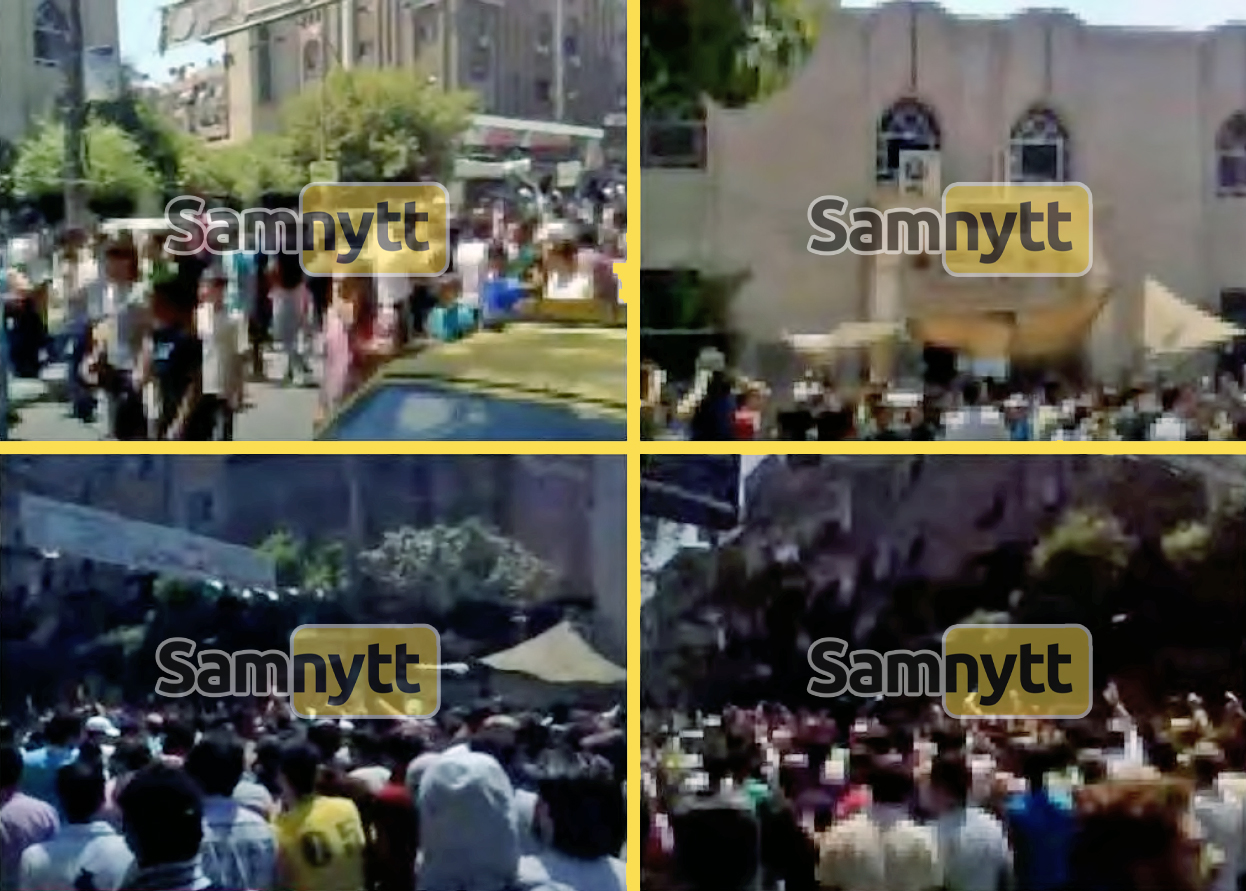
Witnesses describe how unarmed civilians moved through the streets – until gunfire suddenly broke the silence as armed men opened fire. According to the court, 55-year-old Mahmoud Sweidan was in the middle of this event. He was part of a regime-loyal armed militia and took part in the coordinated attack on the demonstrators. Automatic weapons were aimed at the crowd. People fell to the ground – dead or severely injured.
Around ten people lost their lives. Among those shot were both demonstrators and other civilians who happened to be nearby.
A man in his 50s, who testified as a plaintiff, said his son was killed. Another, a woman in her 40s, described how her teenage son was shot dead when she herself tried to reach him.
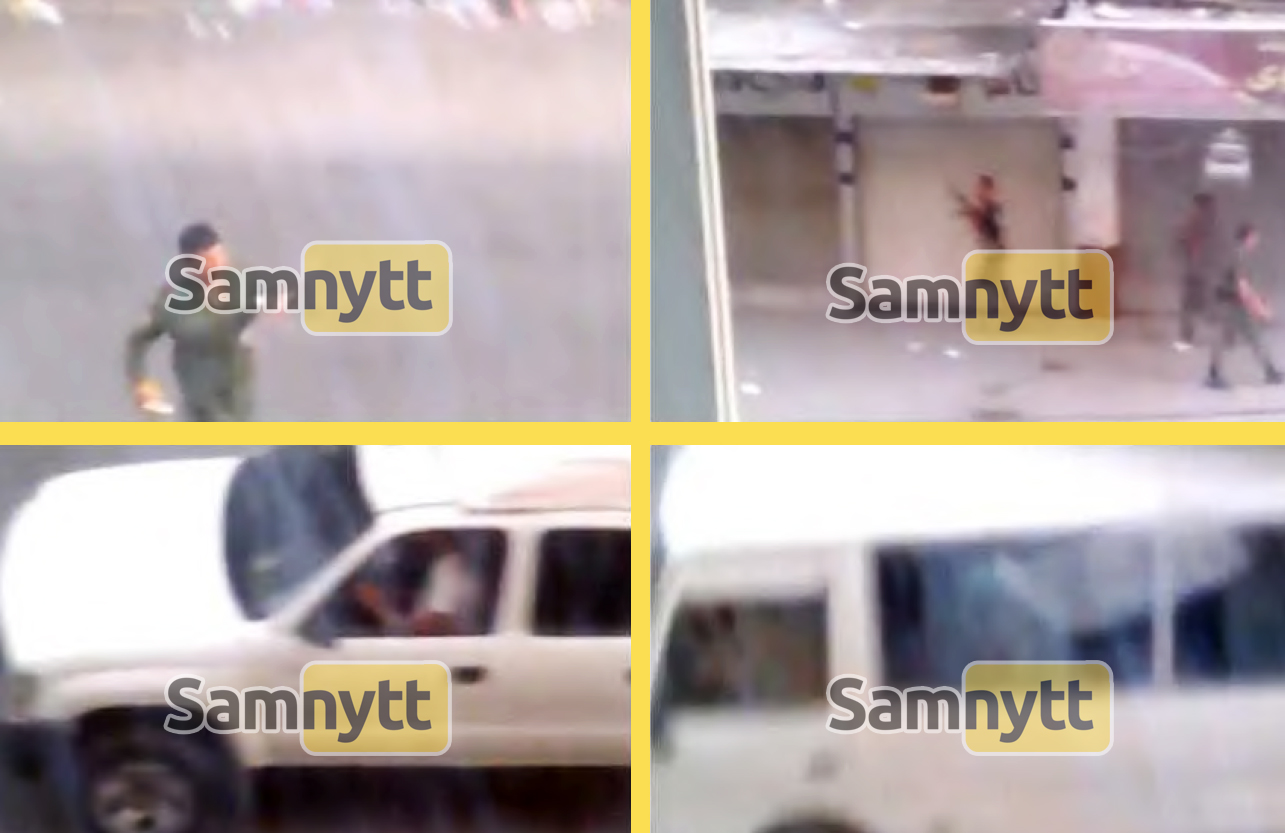
The court determined that Mahmoud Sweidan was not only present, but actively participated in the shooting.
“Checkpoint of Death”
Later that year, the situation in Yarmouk changed drastically. After bombings and an intensifying siege, regime forces and allied militias established checkpoints around the area. One of them became particularly feared – the northern checkpoint at the Bashir Mosque. Mahmoud Sweidan served there for several months.
Witnesses describe how civilians trying to enter or exit the area were forced to pass through the checkpoint. Many were stopped. According to the investigation, people were identified – sometimes by masked men – and taken away. Several of those detained were never seen again.
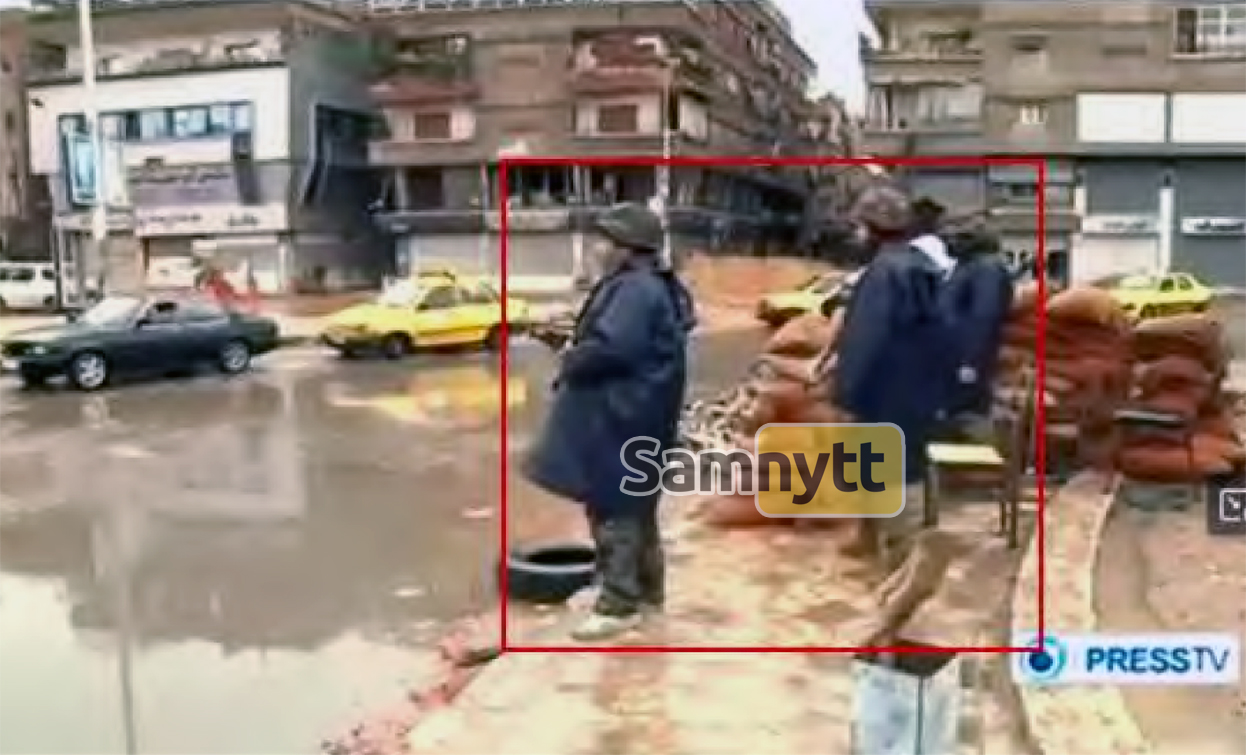
A teenage boy testified in court how he was detained at the checkpoint, beaten, and taken to a separate area where other detainees sat with their faces covered. He thought he would die.
According to the district court, Mahmoud Sweidan participated in this system by identifying, controlling, and in some cases personally apprehending civilians. He did so knowing what awaited them – torture, severe suffering, and in some cases, death.
“The detainees were then tortured, subjected to other severe suffering, and in some cases deprived of life,” the court states.
Part of the Regime’s Apparatus of Violence
The investigation shows that Mahmoud Sweidan was connected to regime-loyal groups in Yarmouk, including the Palestinian militia that cooperated with the Syrian security service. He was recruited in spring 2012 and remained active during the relevant period.
His local knowledge made him particularly useful at the checkpoint. He could recognize individuals in the area and identify those suspected of disloyalty to the regime.
The Path to Sweden
Mahmoud Sweidan is a so-called stateless Palestinian and not a Syrian citizen. He left the country shortly after the events in Yarmouk.
On September 9, 2013, he arrived in Sweden and applied for asylum the same day. He was later granted a residency permit and obtained Swedish citizenship in 2017. Despite many years in Sweden, he still requires an Arabic interpreter in court, according to legal documents.
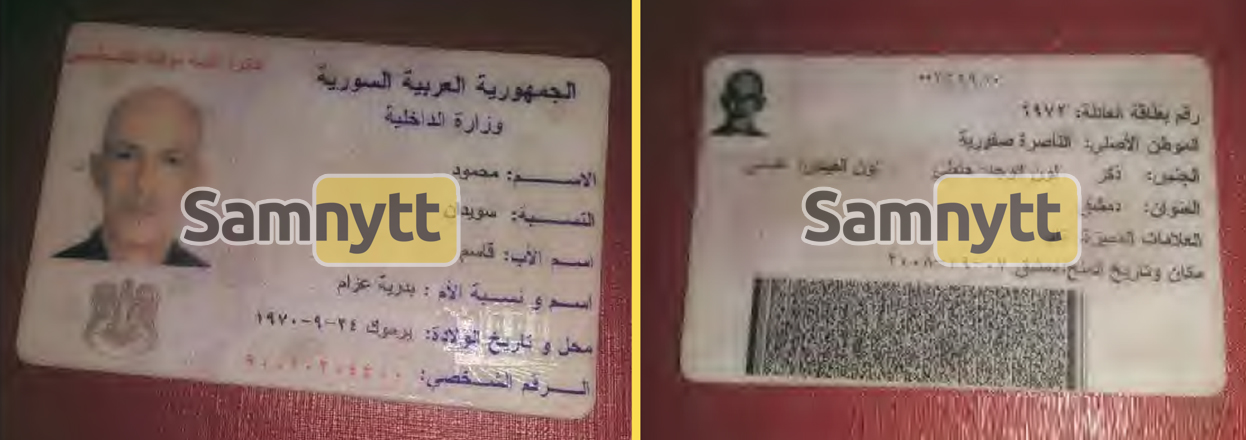
The case against him picked up pace after a tip from the Migration Agency. In the summer of 2024, he was arrested at his home in Åmål in a raid by the national police tactical unit. A comprehensive judicial process followed.
One of the Biggest Trials of its Kind
The trial at Solna District Court lasted for 54 days, and together with the extensive criminal investigation, has imposed costs on Swedish taxpayers. A large number of plaintiffs and witnesses were heard – many with personal experience of the violence in Yarmouk. Mahmoud Sweidan has denied any wrongdoing throughout the process.
“What have I done, more specifically? How did I participate in this?” he asked during questioning in connection to his denial.
The court, however, makes a different assessment. It finds proven that he took part both in the attack on the demonstration and in the abuses at the checkpoint.
Life Imprisonment
The district court sentences Mahmoud Sweidan on two counts of grave violations of international law to life imprisonment. “The acts are grave because they were directed against a large number of civilians and several people died or were injured,” says presiding judge Hampus Lilja, who ruled on the case.
Mahmoud Sweidan must also pay compensation to the families of those killed and to persons who were injured or deprived of their liberty. For the victims, the verdict has been described as an important vindication – following years of violence, loss, and silence.