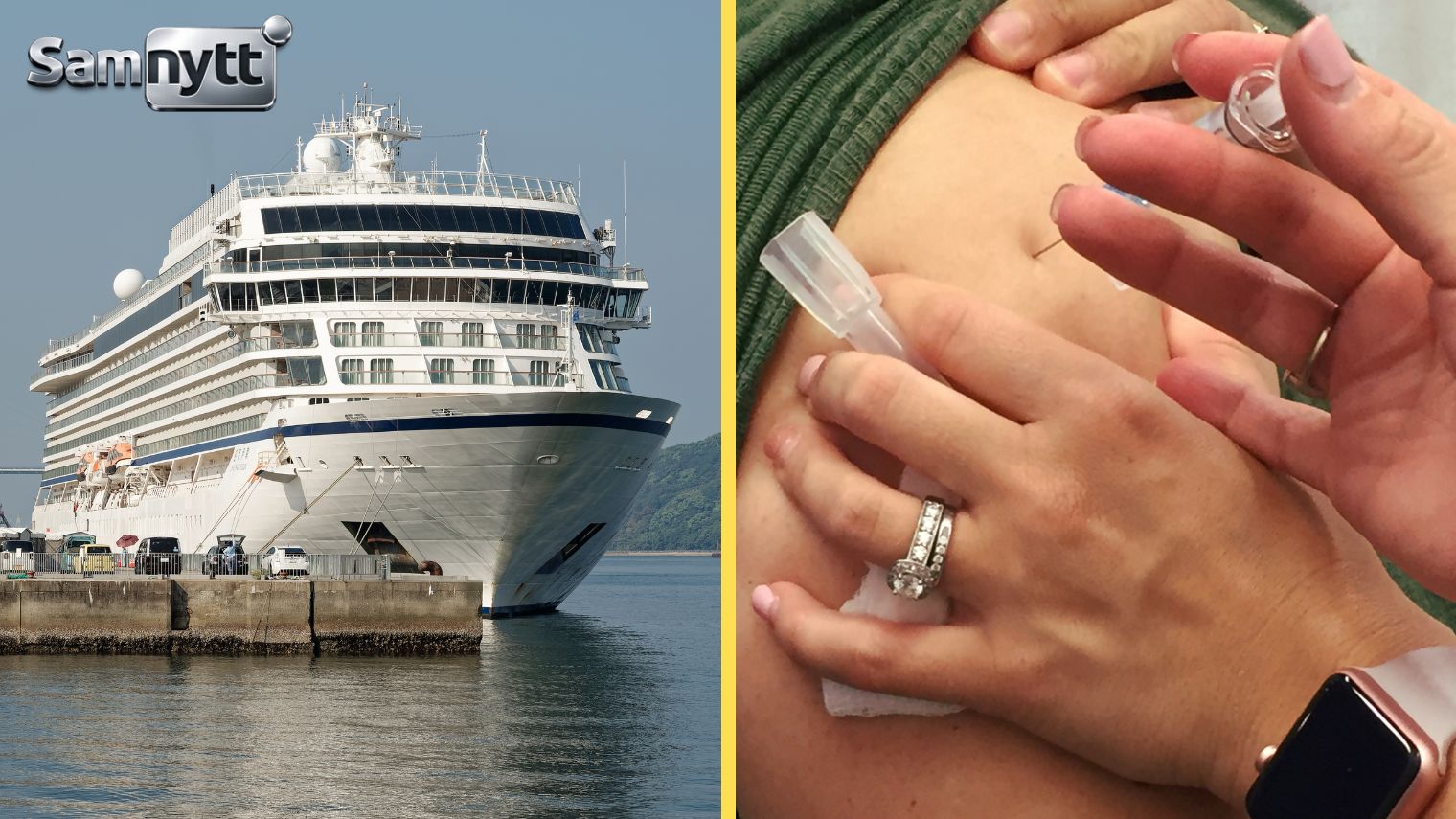
After an outbreak of the deadly hantavirus on a cruise ship, where three people died, an international research team is now working to develop a new vaccine.
Last weekend, the WHO announced that a suspected hantavirus outbreak aboard the MV Hondius cruise ship, while it was sailing from Argentina to Cape Verde off the coast of West Africa, had claimed three lives and caused at least three others to fall ill.
Hantavirus infections are usually associated with exposure to the feces or urine of infected rodents, most often rats or mice. Although rare, the virus can be transmitted between humans and can lead to severe respiratory diseases. There is no specific treatment or cure, but early medical care can increase the chances of survival.
READ ALSO: Three people dead after outbreak of deadly virus
Researchers at the University of Bath in the UK have now developed a new antigen against Hantaan disease, which originates from the hantavirus group. The vaccine has been tested in the laboratory and on animals, and according to a spokesperson, it has produced an “excellent” immune response. However, before the vaccine can be approved for general use, more work is required in the form of rigorous clinical trials.
“It would of course be fantastic to develop a vaccine as it would allow us to prevent the disease from occurring or at least lessen the really bad consequences of the infection,” Professor Asel Sartbaeva told the Daily Mail.

Often Mistaken for Flu
Currently, early medical intervention is the only way to fight the virus, but patients often mistake the early symptoms of the disease for the flu or COVID and do not seek medical help until the infection is at a more advanced stage. When it reaches that point, treatment usually includes oxygen therapy, mechanical ventilation, and even dialysis to treat lung damage and kidney failure, which are other potential complications of the disease.
As for the outbreak on the MV Hondius, it is unclear whether it was caused by rodent contamination on the ship itself or if passengers were exposed to the virus before boarding. New reports suggest that some passengers visited a landfill for a bird-watching excursion before the ship departed, which may have exposed them to the virus.
READ ALSO: Researchers: COVID vaccine may be behind excess mortality
Hantavirus can often lead to more serious diseases affecting the lungs or kidneys, resulting in organ failure and even death. Both diseases often begin similarly to the flu, causing fever, fatigue, and muscle aches. In the early stages, those infected with the virus may feel more tired than usual before developing flu-like fever and muscle aches.
Not everyone infected with hantavirus becomes seriously ill, and some people show no symptoms at all. Symptoms of hantavirus can take up to eight weeks to appear.
20 Still Onboard
Currently, two Britons are isolating at home after disembarking before the ship reached its final destination, with an additional 20 passengers still onboard waiting to return home in the coming days.
Unlike some virus strains, the Andes strain identified on the ship is easily transmissible between humans, raising fears that the outbreak could spread worldwide.
Officials are now struggling to contact dozens of passengers who have already disembarked in order to encourage them to get tested for the virus and, if necessary, self-isolate.
The researchers started working on the vaccine before the latest outbreak on the MV Hondius, but the race to have the vaccine approved is now underway.