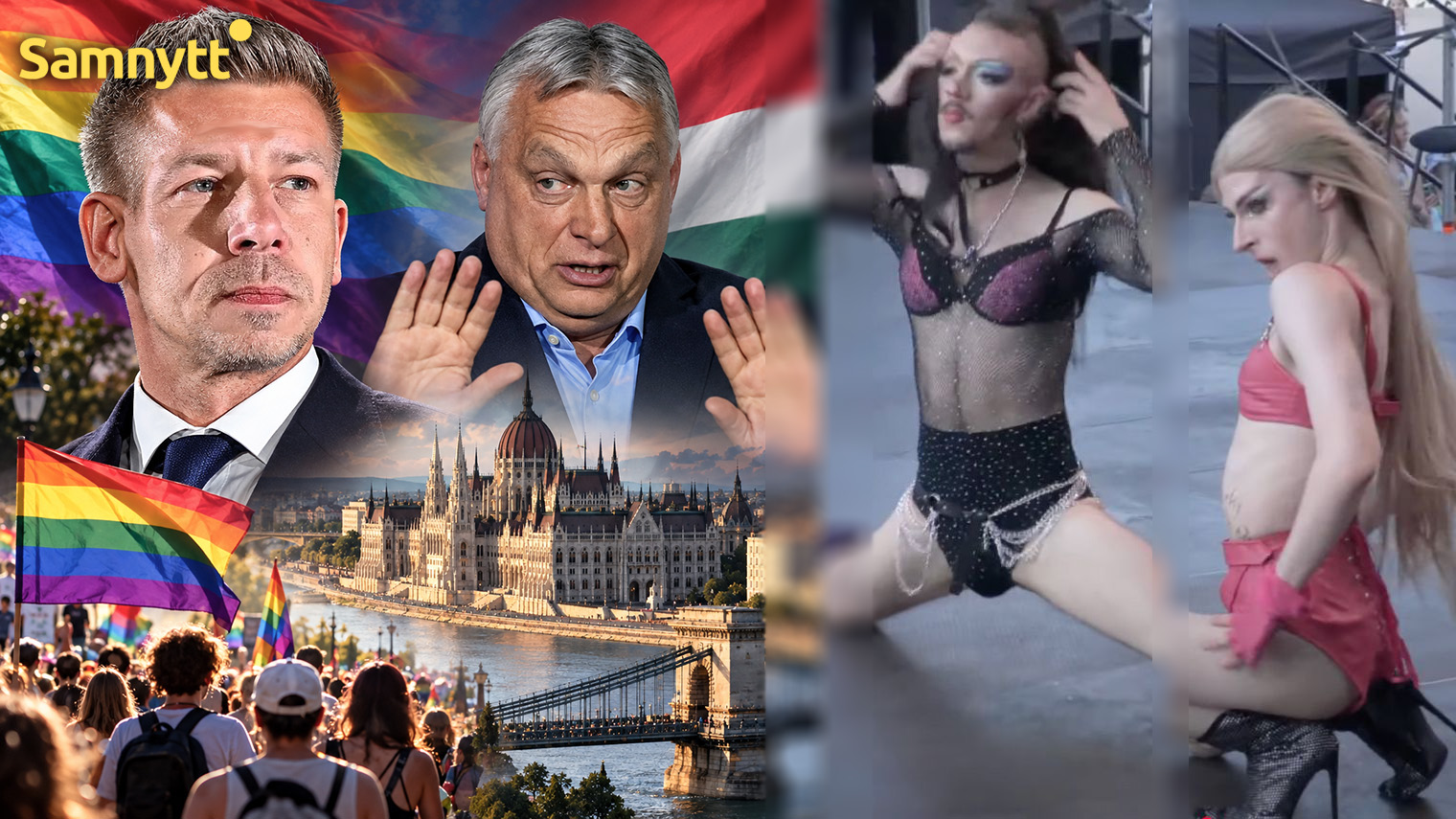
Hungary’s new Prime Minister Péter Magyar is overturning key sections of the legislation introduced by Viktor Orbán’s government to protect minors from sexual content and influence on issues of gender identity and sexual orientation. The decision is welcomed by the EU Commission and LGBTQI+ organizations but faces opposition from the conservative opposition. Strong economic interests also underpin the policy shift. Shortly after the parliamentary decision, it was announced that the EU would release €4.2 billion in previously frozen subsidies to Hungary. At the same time, questions remain over how much popular support Magyar has for this particular part of his policy.
The Hungarian parliament voted on Tuesday to abolish several central provisions in the child protection law passed in 2021 during Viktor Orbán’s term. By a vote of 139 to 51, the amendments were approved, which means that previous restrictions on how homosexuality and gender reassignment may be depicted or promoted in materials aimed at minors are being lifted.
The decision is one of the clearest shifts yet since Péter Magyar and his party Tisza won the parliamentary election in April, ending Orbán’s 16-year rule.
Magyar’s party holds a two-thirds majority in parliament and was therefore able to push the changes through without support from the opposition. Orbán’s party Fidesz and its Christian Democratic partner KDNP voted against.
Parents Should Decide – Not the Schools
The original 2021 legislation had two main purposes, according to the Orbán government: to intensify the fight against pedophilia and child sexual abuse, and to limit minors’ exposure to sexual content and influence regarding sexual orientation and gender identity.
READ ALSO: EU Official Declares Hungary Liberated: ‘Streets Filled with Joy and Pride’
The law placed restrictions on school teaching, the media, and other material that could reach children under 18. Books with certain LGBTQI+-related themes were subject to special sales restrictions. Schools were limited in their ability to use teaching materials considered to promote homosexuality or gender reassignment.

For Orbán and his administration, the legislation was primarily about the rights of parents to decide on their children’s upbringing and sex education. In June 2021, Orbán defended the law in a public statement, stressing that sex education in schools should not conflict with the will of parents.
According to him, instruction should complement parental upbringing, with clearly defined content and a requirement for parental consent. At the same time, Orbán emphasized that adults must have the right to decide how they wish to live their lives and that the legislation was not intended to regulate adults’ private relationships.
READ ALSO: EU Official’s Immigration Plans for Hungary: ‘We Will Work Very Closely’
The government’s then-spokesperson for international affairs, Zoltán Kovács, elaborated in an opinion piece in Euronews, arguing that children need protection from content they are not mature enough to handle and that issues of sexuality and gender identity should therefore only be introduced at an appropriate age. According to the government, this was necessary to safeguard children’s mental and emotional development.
Critics, however, argued that the law went far beyond protecting children from pornography or other explicit sexual material. By specifically limiting depictions of homosexuality and gender reassignment, they said it risked stigmatizing gay and trans people, even when the content was factual and age-appropriate.
Millions of Hungarians Supported the Restrictive Path
The considerable popular support for Orbán’s legislation was demonstrated in the referendum held in April 2022, alongside the parliamentary elections. Voters were asked to respond to four questions, including about sex education without parental consent, promotion of gender reassignment treatments for minors, and children’s access to certain sexual media content.
The results showed overwhelming support for Orbán’s restrictive approach. On the question of whether schools should be allowed to teach minors about different sexual orientations without parental consent, just over 92 percent of valid ballots said no — about 3.6 million voters. On the issue of promoting gender reassignment for minors, the opposition was even greater, with nearly 96 percent of valid votes.
READ ALSO: EU Official Tamed Hungary — Now Grant Billions Pour In: ‘Diversity Is Our Strength’
However, the referendum was not legally valid because fewer than half of eligible voters cast valid votes on each question. A major campaign by opponents of the legislation also encouraged voters to spoil their ballots deliberately.
Thus, the results cannot be interpreted with absolute certainty as showing that over 90 percent of the entire population supported the law. The questions were also framed according to the then-government’s priorities and did not constitute a direct vote on all the law’s provisions.
But it shows that several million Hungarians—and possibly a majority—supported the child protection principles championed by Orbán. Against this backdrop, the new government’s decision may be politically sensitive.
READ ALSO: Norwegian Public Service Criticizes Press Freedom in Magyar’s Hungary
While Magyar secured a clear victory in this spring’s parliamentary elections, the campaign was dominated by other issues, notably corruption, economic development, and criticism of Orbán’s administration. Magyar largely avoided making the rights of gays and trans people a focus of his campaign.
There is therefore no obvious reason to equate his general electoral success with a popular mandate to abolish precisely these sections of the child protection legislation.
EU Demands and Billions in Frozen Funds
A central explanation for the policy shift is Hungary’s relationship with the EU. Under Orbán, the country fell into recurring conflicts with Brussels over, among other things, rule of law, judiciary independence, corruption, and LGBTQI+ rights.
The EU has for several years withheld substantial funds to Hungary in an effort to pressure the country to change its policies. The 2021 child protection law became a particularly high-profile flashpoint.
The EU Commission argued that the provisions violated EU law, and in April this year the EU Court of Justice ruled that the law involved serious breaches of the EU’s fundamental values. Magyar’s government has since been working on amending several of the laws that caused these disputes.
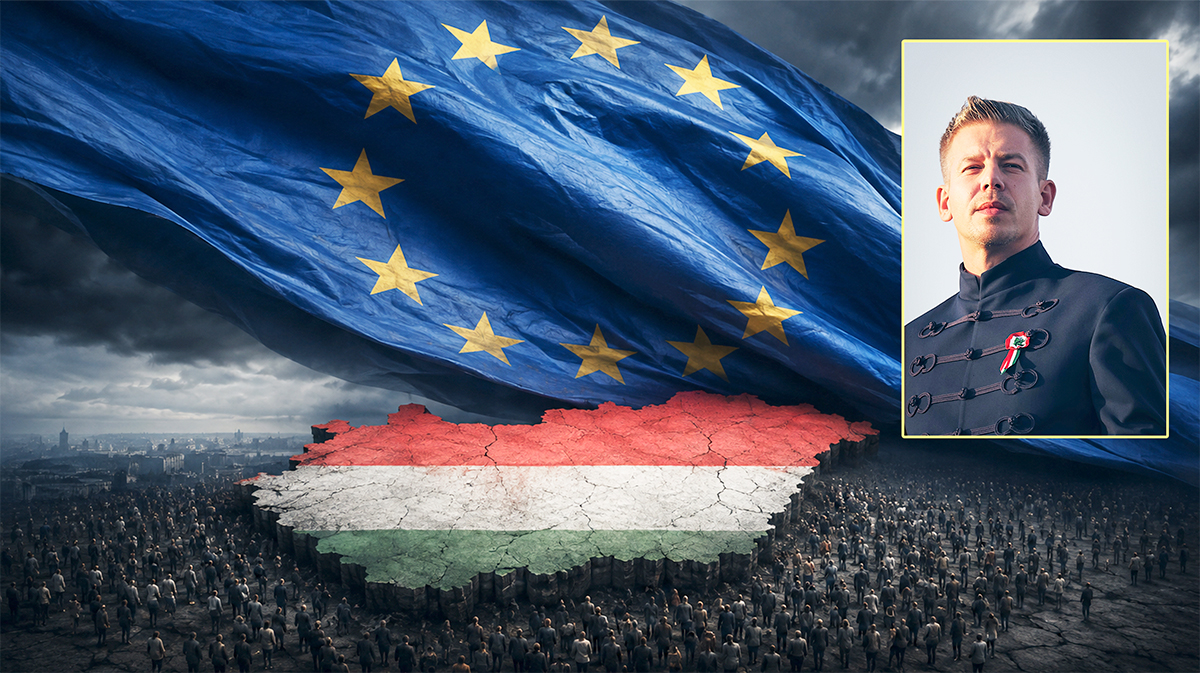
The economic connection became especially clear after Tuesday’s vote. Just minutes after parliament’s decision, Budapest announced that the EU had agreed to release €4.2 billion in previously frozen funds. This corresponds to about 45 billion SEK.
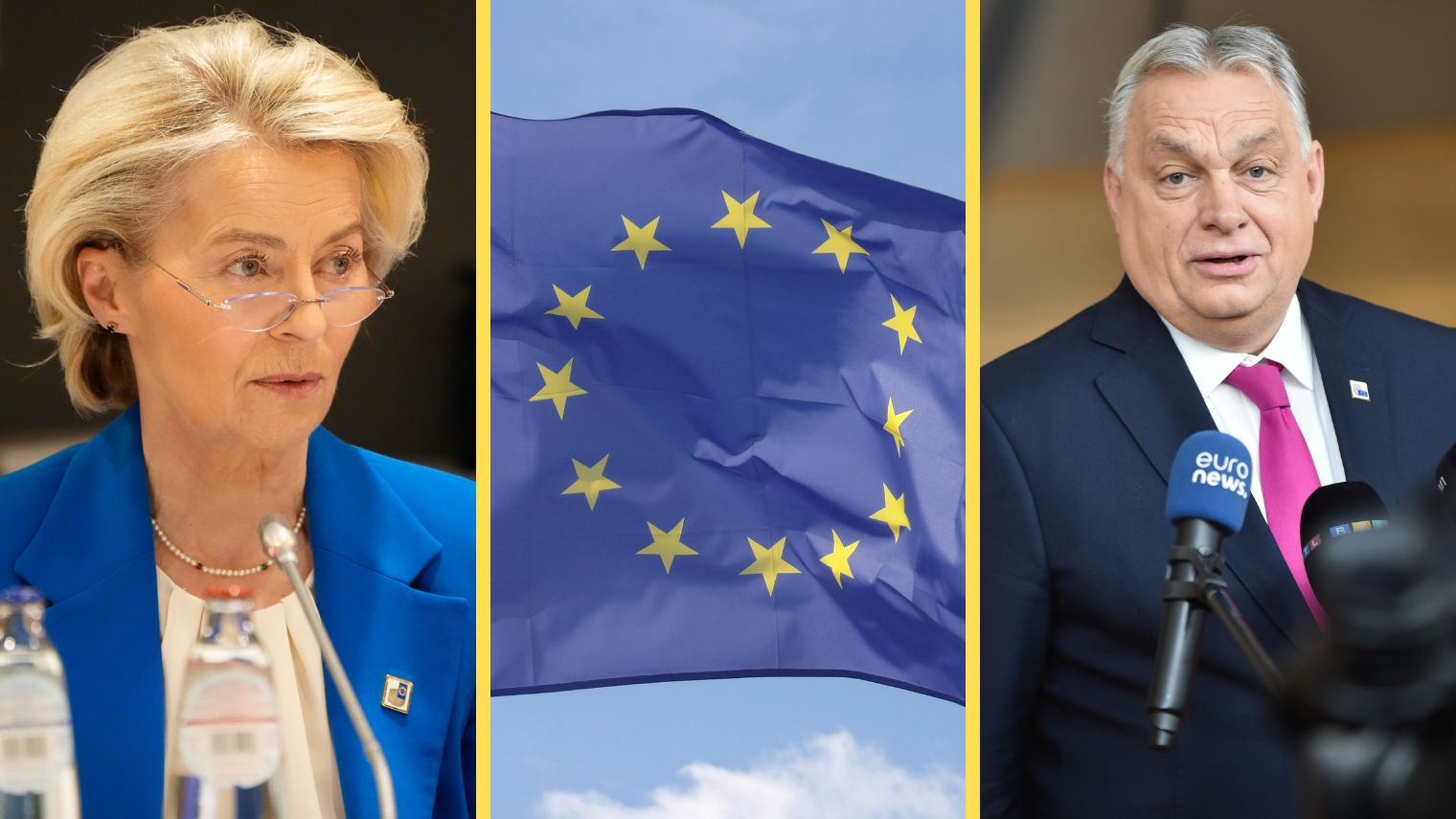
The EU Commission had already noted earlier this year that the new Hungarian government had addressed several rule-of-law shortcomings affecting the EU budget. The Commission had also urged member states to release the funds and reopen Hungary’s participation in the Horizon Europe research program and the Erasmus+ student exchange program.
Not all of these funds had been withheld solely because of the child protection law. The conflict over EU funding covers a much broader range of issues where Hungary’s conservative politics have clashed with the more left-liberal values of the EU Commission.
But for Magyar, the economic incentives are considerable. Hungary has long been a major net recipient of EU aid, and frozen funds have put significant strain on the Hungarian economy. Restoring relations with Brussels and accessing this money is thus a crucial part of the new government’s political and economic project.
Conservative Background – But a New Political Course
Péter Magyar himself has a background in Orbán’s conservative political sphere. He was previously connected to Fidesz and the political apparatus he would later challenge.
The break with Orbán mainly concerned criticism of corruption, abuse of power, and the political system that developed during Fidesz’s long rule. Magyar has not profiled himself as a traditional left-liberal politician.
He continues to hold conservative positions on several issues, such as immigration. This makes it difficult to interpret the government’s about-face on child protection as the result of an ideological shift; it can just as easily, at least in part, be seen as a pragmatic adjustment and concession to EU demands.
READ ALSO: British Newspaper: ‘Authoritarian Liberalism on the Rise in Hungary’
Magyar himself has been careful not to describe the changes as an ideological stance in favor of the LGBTQI+ movement. Ahead of the vote, he stressed that the purpose was to strengthen the protection of children regardless of sexual orientation. In an interview with the Finnish newspaper Helsingin Sanomat, he also emphasized that the issues are sensitive and that, as prime minister, he must represent all Hungarians.
This caution may reflect the fact that Tisza’s voters do not necessarily share the same views on cultural and value issues, even if they united behind Magyar in opposition to Orbán.
Fidesz: Child Protection Undermined by EU Pressure
The conservative opposition accuses the government of caving in to pressure from Brussels. Fidesz argues that the changes erode the original law’s protection of minors.
The Christian Democratic KDNP has also sharply criticized the decision. In a statement on the party’s website, the Christian Democrats insist there is no place for the promotion of LGBTQI+ content in schools or media. Their objection is not about adults’ right to be in same-sex relationships, but about what content children should be exposed to and who has the right to decide on their sex education.
This is a distinction that critics of the now partially repealed law challenge. They argue that there is a major difference between protecting children from pornographic material and preventing access to factual information about people with different sexual orientations and gender identities. According to critics, even such material could have been restricted under the previous law.
Protection Against Pornography and Violence Remain
The new legislation does not mean Hungary is completely abolishing restrictions on sexual content for minors. The bans on pornographic and violent material directed at children remain in place.
However, the specific restrictions against depictions and promotion of homosexuality and gender reassignment are removed. Instead, a more generally worded rule is introduced, that minors should be protected from content that could seriously harm their physical, intellectual, emotional, or moral development.
Szilvia Gyurkó, state secretary at the Ministry of Social Affairs and Family Affairs, explains that the government wants to move away from a system where child protection is linked to sexual orientation or gender identity. According to her, the starting point should instead be what is actually harmful to children.
READ ALSO: After EU Demands: Hungary Gets LGBTQI+ Activist as Minister
LGBTQI+ activist organizations unsurprisingly welcome the change. Tamás Dombos of the Háttér Society describes the decision as an important step forward but also says the government needs to go much further. He points to remaining restrictions on same-sex couples’ ability to adopt and trans people’s ability to change their legal gender.
The left-liberal Human Rights Watch has also pointed out that other provisions it considers discriminatory remain, including wording in the constitution and regulations previously used to limit Pride events.
Continued Conflict Over Children, Parents, and the State’s Responsibility
Hungary’s policy shift illustrates a broader values conflict within the EU. For Orbán and his supporters, the premise has been that parents should have the decisive influence over their children’s sexual education and that the state should be able to limit ideological influence on minors.
For opponents of the legislation, the same provisions meant an unacceptable restriction of freedom of expression and the rights of gays and trans people. Magyar now seeks to balance continuing child protection with EU demands for equal treatment and fundamental rights.
READ ALSO: EU: Hungary Must Abandon Orbán Policies — 27 Changes Required for Release of Frozen Billions
At the same time, his government has a strong economic interest in resolving conflicts with Brussels that have prevented Hungary from accessing billions in EU aid. The crucial political question is whether the new government also has a popular majority behind this change.
The April election gave Magyar a clear mandate to govern and change the political course. But since the child protection law was not a prominent campaign issue, and millions of voters previously expressed support for Orbán’s restrictive line, it remains unclear how Hungarians feel about parts of it now being repealed. It remains to be seen whether the issue will again become a political battleground between Hungary’s conservative camp and the new government.
READ ALSO: Elon Musk as Soros Celebrates Orbán’s Fall: ‘Soros Has Taken Over Hungary’