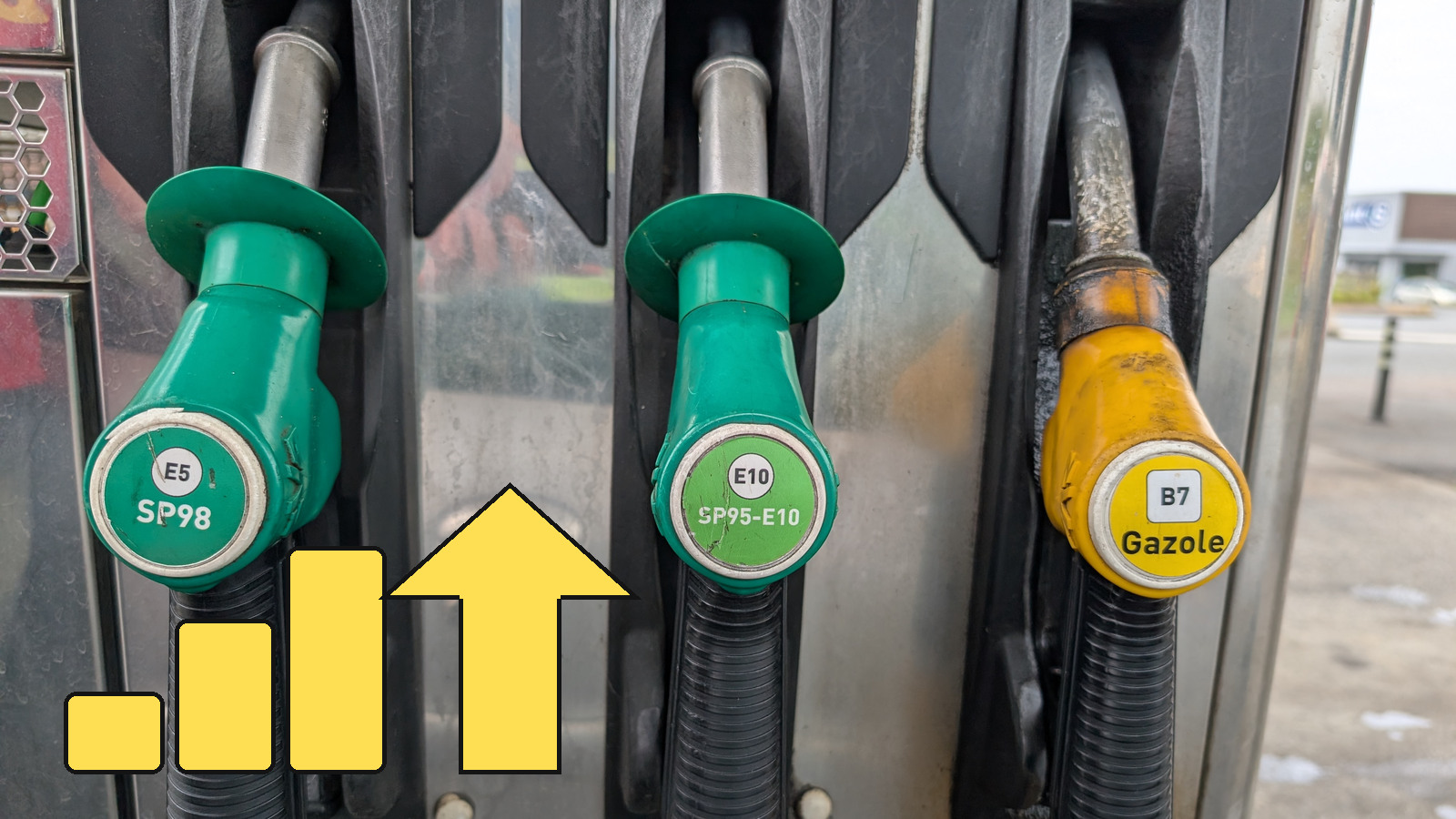
The price of gasoline may rise much more per liter by 2028 than initially reported. First, the temporary tax cut will be removed on December 1, then a government inquiry proposes a new tax increase from January 2028—the same year that the EU’s new emissions trading for road traffic comes into effect. The Royal Automobile Club, KAK, strongly opposes these stacked increases.
The figure is the sum of three different increases, according to Carup. Already yesterday, the Sweden Democrats’ proposal to extend the tax reduction was voted down in the Parliament’s Finance Committee, as Samnytt has reported.
The first increase comes on December 1, when the temporary reduction of the carbon dioxide tax by SEK 2.40 per liter ends. According to the government, this corresponds to SEK 3 per liter including VAT at full impact. The reduction was introduced this summer to counteract the high fuel prices after the war in Iran.
The second is the inquiry’s proposal. The investigation “The Road Towards Phase-out” (SOU 2026:33) proposes that the gasoline tax be raised by SEK 1.80 per liter from January 2028, which comes to SEK 2.25 including VAT. It also proposes increasing the blending mandate (the share of biofuel) to 21 percent in 2028, 23 percent in 2029, and 25 percent in 2030.
The third is the EU’s emissions trading system for fuels in road traffic and buildings, ETS2. It was supposed to start in 2027, but was postponed to 2028. According to Carup, this is expected to make gasoline at least SEK 1 more expensive per liter, and some analysts believe it could add two or three kronor.
This means the price increase could be as much as SEK 6 per liter, which would make filling a 50-liter tank roughly SEK 300 more expensive.
KAK: Lower Emissions, Not Motorists
KAK writes in its consultation response that it is wrong to impose national policy instruments on top of the EU’s emissions trading. When ETS2 is introduced, Sweden should instead dismantle national measures with the same purpose. Climate policy should reduce emissions, not limit peoples’ ability to drive, argues the club, summing up its position with “Lower emissions, not motorists.” The response was prepared by KAK’s council of experts, led by Anders Ydstedt.
The inquiry’s task has been to propose policy instruments to phase out fossil fuels in the pace required to meet the climate target for 2045 and Sweden’s commitments to the EU. According to the inquiry, gasoline and diesel need to become more expensive relative to electricity to encourage more people to switch to electric cars, and it simultaneously proposes lowering the electricity tax to compensate for the cost of ETS2.
The increase in December has already been decided. The proposal from the inquiry is out for consultation until October 30, and the government has not yet taken a position on it.
READ ALSO: SD wanted to stop shock increases in fuel prices – proposal voted down