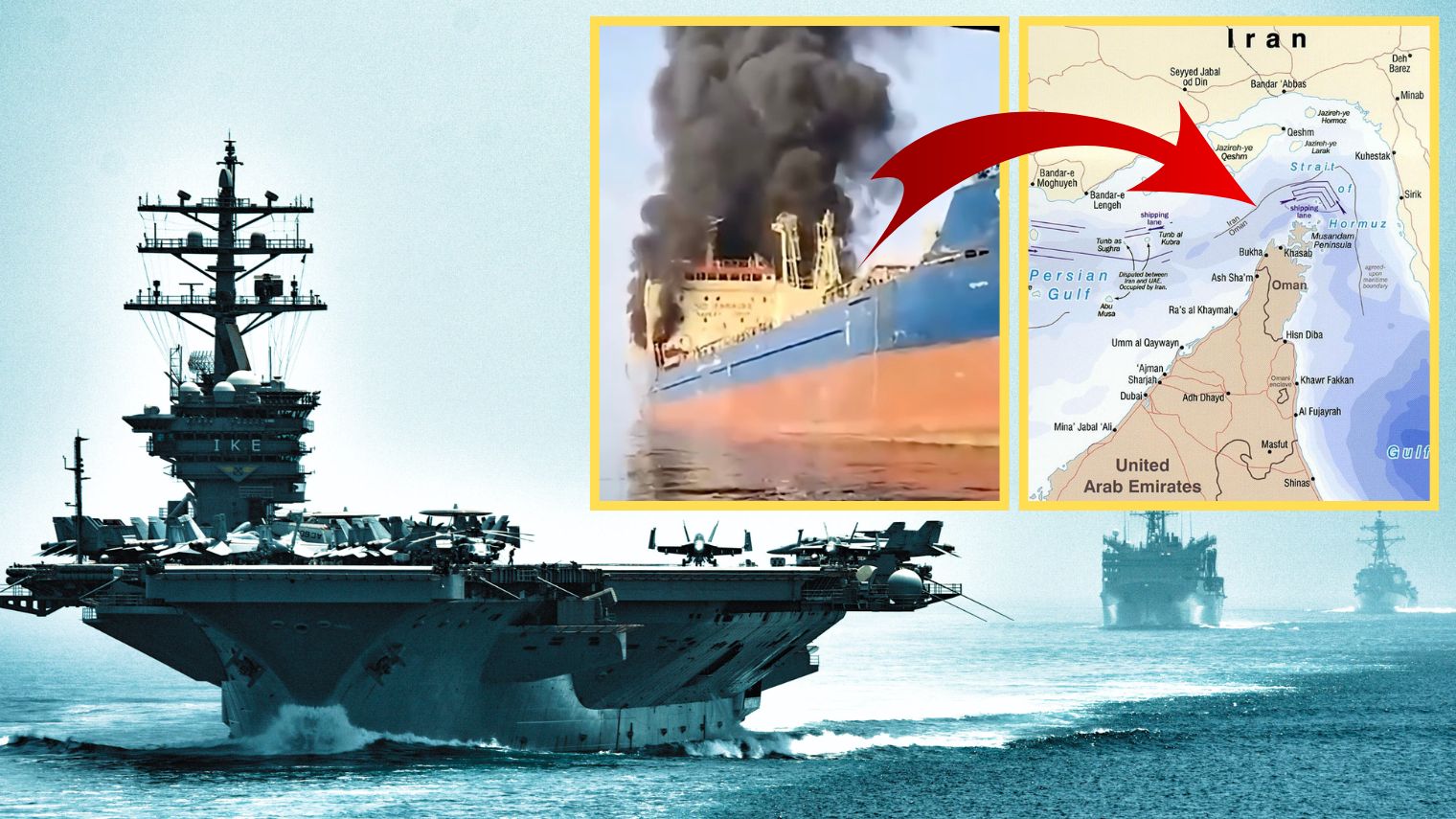
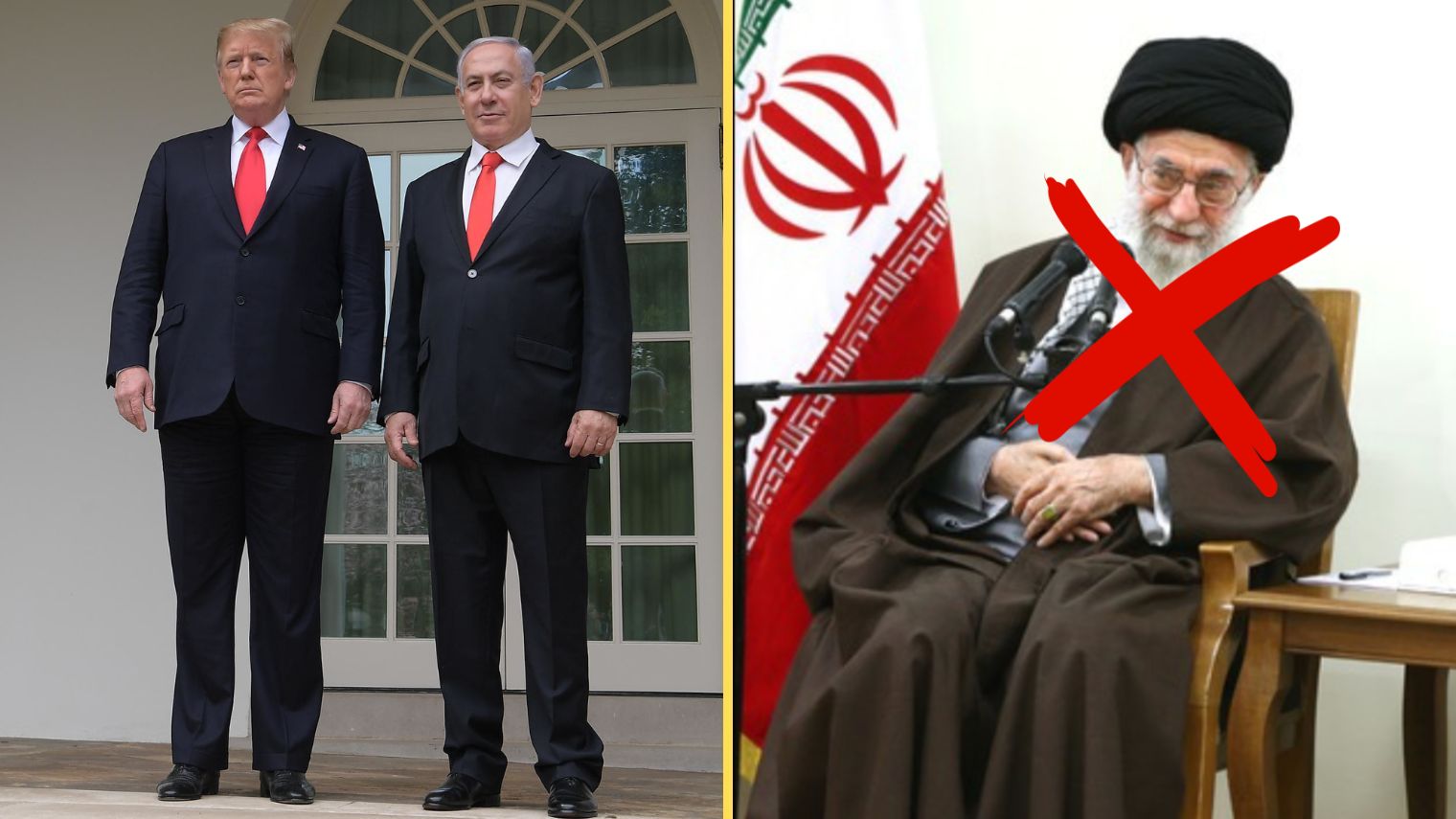
Oil prices surged dramatically over the weekend following American and Israeli airstrikes on Iran, which resulted in, among other things, the death of the country’s supreme leader, Ayatollah Ali Khamenei. Iran simultaneously responded with missile attacks against several countries in the region, including Israel and Gulf states where the US has military bases. Brent crude, the international benchmark for crude oil, rose by around 10 percent and exceeded $80 a barrel on Monday. Observers now warn that the price could rise to $100 a barrel if the attacks continue to create uncertainty in the Strait of Hormuz and in the broader region.
One of the main reasons for the dramatic price increase is the threat to the Strait of Hormuz, through which over 20 percent of the world’s oil trade passes. Several tankers have been forced to anchor outside the strait after Iran warned against passage, and over the weekend, two ships were reportedly attacked.
US President Donald Trump announced over the weekend that the attacks might last for up to four weeks, until all military objectives are achieved. Air raids on Iranian targets are unlikely to result in a regime change, and a ground invasion has never been considered—something the White House has assured is not of interest, emphasizing that the operation is to be short-lived.
In parallel with the US and Israeli attacks, Iran’s Revolutionary Guard has vowed retaliation against those responsible for strikes on the ayatollah, leadership, and other targets in the country. The Guard claims it is preparing “the largest offensive operation” in the country’s history, targeting Israel and US bases in the region.
BREAKING:
Iran has attacked the Palau-flagged oil tanker Skylight as it was passinf through the Strait of Hormuz right off the coast of Oman.
4 sailors wounded in the attack. The entire crew has been evacuated. pic.twitter.com/wDX5X2czq6
— Visegrád 24 (@visegrad24) March 1, 2026
In parallel with the US and Israeli attacks, Iran’s Revolutionary Guard has vowed retaliation against those responsible for strikes on the ayatollah, leadership, and other targets in the country. The Guard claims it is preparing “the largest offensive operation” in the country’s history, targeting Israel and US bases in the region.
READ ALSO: Iran: Ayatollah Ali Khamenei Has Been Killed
Since the US and Israeli strikes, Iran has launched missile attacks against several countries in the region, including Israel, the United Arab Emirates—including tourist destination Dubai—as well as Bahrain and Qatar, where the US has several military bases. Ships at sea have reportedly also been hit, prompting many tankers and other vessels to anchor outside their routes.
This Is How Experts in the Field Respond
Jorge León, head of geopolitical analysis at Rystad Energy, had this to say about the situation.
“The most immediate and tangible development affecting oil markets is the actual halt of traffic through the Strait of Hormuz, which prevents 15 million barrels of crude per day from reaching markets. If no signs of de-escalation emerge quickly, we expect a significant price increase for oil,” Jorge León told Al Jazeera.
Ajay Parmar, director of energy and refining at ICIS, also emphasized the risk of instability around the strait.
“Even though military attacks themselves drive up oil prices, the critical factor here is the closure of the Strait of Hormuz,” he said to TVP.
Meanwhile, OPEC+ countries—including Saudi Arabia, Russia, Iraq, the United Arab Emirates, Kuwait, Kazakhstan, Algeria, and Oman—have decided to raise production by 206,000 barrels per day from April, which is less than 0.2 percent of :censored:6:cdd6bbaa89: demand.
Economists at Rystad Energy estimate that closure of the Strait of Hormuz could mean a loss of 8–10 million barrels per day, even though some oil can be rerouted via pipelines in Saudi Arabia and the United Arab Emirates. León predicts that the price could rise to about $92 per barrel when trading opens.
The price increases have a direct effect on consumers. Higher energy prices are expected to lead to more expensive fuel and increased costs for transport, production, and goods, which may reinforce existing :censored:6:cdd6bbaa89: inflation, according to Subitha Subramaniam, chief economist at Sarasin & Partners.
“If oil prices remain high for a longer time, it will spread to other prices like food, agriculture, and industrial goods, which will truly affect inflation,” Subitha Subramaniam told BBC.
In Europe and Asia, stock markets fell due to the uncertainty. Japan’s Nikkei dropped 1.3 percent, while MSCI’s broad index for Asia-Pacific outside Japan fell 1.2 percent. In the UK, the FTSE 100 opened nearly 1 percent lower, while airline stocks fell after parts of the region’s airspace were closed. Gold, considered a safe haven, simultaneously rose by 2.3 percent.
Analysts at Kpler report that countries like India may have to turn to Russian oil to compensate for potential supply losses from the Middle East. Danish company Maersk has announced it will temporarily pause all shipping through the Strait of Hormuz and plans rerouting via the Cape of Good Hope and the Suez Canal.
Robin Mills, CEO of Qamar Energy in Dubai, stated the following in an interview with BBC.
“Hopes of a rapid decline in prices are low. The increase in oil prices will be felt almost immediately because the oil market closely follows the news flow.”
READ ALSO: Iran Reportedly Hires Gangs in Sweden for Attacks and Terror
Several experts warn that a prolonged disruption of oil and gas flows via the Strait of Hormuz could push the price of Brent above $100 a barrel, which would have far-reaching consequences for :censored:6:cdd6bbaa89: inflation and interest rates.
“If significant disruptions occur through the Strait of Hormuz, it will destabilize the supply chains of oil and liquefied natural gas to India, China, and South Korea. This could quickly impact energy security, energy costs, broader inflation, and economic growth in the Gulf region and Indo-Pacific region, as well as here,” says William Bains of the British Chamber of Commerce to The Times.
The US Has Secured Oil
The conflict between the US, Israel, and Iran has already shaken energy markets and the :censored:6:cdd6bbaa89: economy. With the Strait of Hormuz effectively closed and OPEC+ countries limited in how much they can compensate for the loss, continued turbulence in the markets is expected and the risk of significantly rising oil prices is high.
For consumers around the world, this means more expensive fuel, while stock markets and currency rates are affected by the uncertainty. There are also links drawn to the US operation in Venezuela earlier this year, where leader Nicolás Maduro was captured and taken out of the country.
At the same time, the US then secured its access to oil from the South American country. US President Donald Trump has openly stated that the US intends to maintain control over oil resources going forward and that Maduro’s former colleagues in government are now collaborating with the US on oil issues.
In parallel, US forces have stopped several oil tankers linked to Venezuela in order to maintain this control. The oil so far seized at sea will also be kept in US reserves, Trump has announced.
READ ALSO: Trump Demands Venezuela’s Oil – ‘It Was Stolen from the US’
The notion that the events in Venezuela were solely about liberating the country from Maduro’s rule appears less likely, considering that large parts of the ruling power apparatus remain in place. Instead, access to oil may have been a key strategic factor, especially in light of a possible escalation against Iran—something the US was seen as needing to prepare for, given the risks of disruption to :censored:6:cdd6bbaa89: energy supplies.