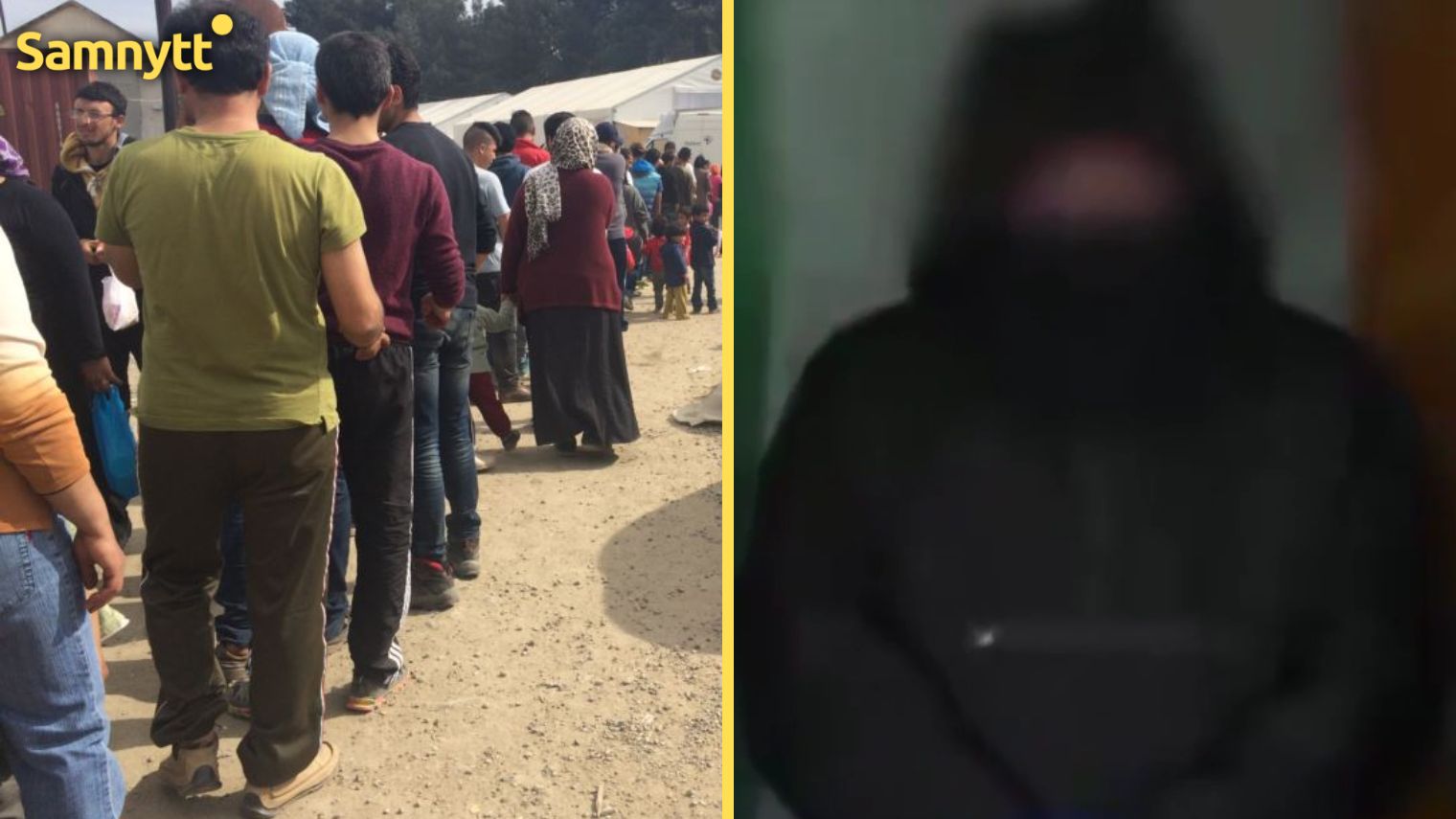
The paramilitary group New IRA is reportedly seeking to capitalize on the growing anger over migration in Ireland to build support and carry out a violent campaign against migrants. In a video on social media, migrants are threatened with being given 24 hours to leave the country. At the same time, security sources warn that such a campaign could also have consequences for the United Kingdom.
According to reports to British media, the dissident republican organization New IRA is trying to exploit the increasing tensions over migration in Ireland. Security sources have stated that the group may attempt to present itself as a violent ‘enforcer of order’ and direct threats and attacks against migrants.
The background is the mounting tension over migration on both sides of the Irish border. In a video circulating on social media, a man claiming to speak for the IRA warns that migrants will be given an ultimatum to leave the country.
READ ALSO: Here is the ‘refugee’ arrested for the Belfast stabbing – received residency via fast track
The man also speaks of an upcoming ‘civil war’ and says that migrants could have 24 hours to leave.
It has not been established, however, that the man in the video actually represents the New IRA’s leadership. Information about the organization’s plans is based on security sources cited by British media. London Loves Business reports that intelligence sources believe the organization is trying to exploit local anger over migration and use the issue as a new tool for recruitment and intimidation.
Could push migrants towards the UK
What concerns British security authorities is not only what could happen in Ireland. If migrants start leaving Ireland because of threats and violence, there is a possibility that some will try to make their way to the United Kingdom via Northern Ireland.
There has long been a Common Travel Area between Ireland and the UK, and the border between Ireland and Northern Ireland is effectively open. According to security sources, there is therefore a risk that a violent campaign against migrants could create additional migration pressure on the UK.
The issue is particularly sensitive following recent unrest in Northern Ireland. Over the summer, protests and riots have been linked to growing frustration over migration, while British authorities are already grappling with extensive problems related to irregular migration.
Ireland in PANIC as a NEW PARAMILITARY does the UNTHINKABLE
Masked individuals claiming to be citizens giving serious threats, except this time it is not ISIS, it’s actually the New IRA.
Watch more on these threats- https://t.co/bbMY9WkPBU pic.twitter.com/7A6fFj0uLa
— NEXFRONTIER MEDIA HQ (@TheBarakaShow) August 11, 2026
A completely different IRA
The name IRA has a history spanning nearly a century and has been used by several different republican organizations. The original Irish Republican Army was formed in 1919 from the nationalist militia Irish Volunteers, after the Irish parliament Dáil Éireann declared an independent Irish republic.
The original aim of the IRA was to break British rule through armed struggle and create an independent and united Ireland.
READ ALSO: MP warns: Irish risk becoming a minority in their own country
During the Irish War of Independence 1919–1921, the IRA waged a guerrilla war against British forces. The war ended in a truce and then the Anglo-Irish Treaty of 1921, which led to the creation of the Irish Free State but also meant the island remained divided.
The disagreement over the treaty in turn led to the Irish Civil War. In the decades that followed, various groups continued to use the IRA name and advocate for a united Ireland.
From the Troubles of the 1960s to the peace agreement
The most well-known modern IRA branch became the Provisional IRA, formed after a split in the republican movement in 1969. The organization went on to play a central role in the conflict known as The Troubles – the long-running violence in Northern Ireland between republican and loyalist paramilitaries as well as British security forces.
The Provisional IRA fought to remove British rule from Northern Ireland and unite the territory with Ireland. The conflict claimed around 3,500 lives over several decades. The Provisional IRA called a ceasefire in 1997 and formally ended its armed campaign in 2005.
The major turning point came with the Good Friday Agreement in 1998, which created a political framework to address the conflict and meant that the main republican and loyalist actors in practice abandoned armed struggle. But not all republicans accepted the peace process.
Emerged from opposition to the peace process
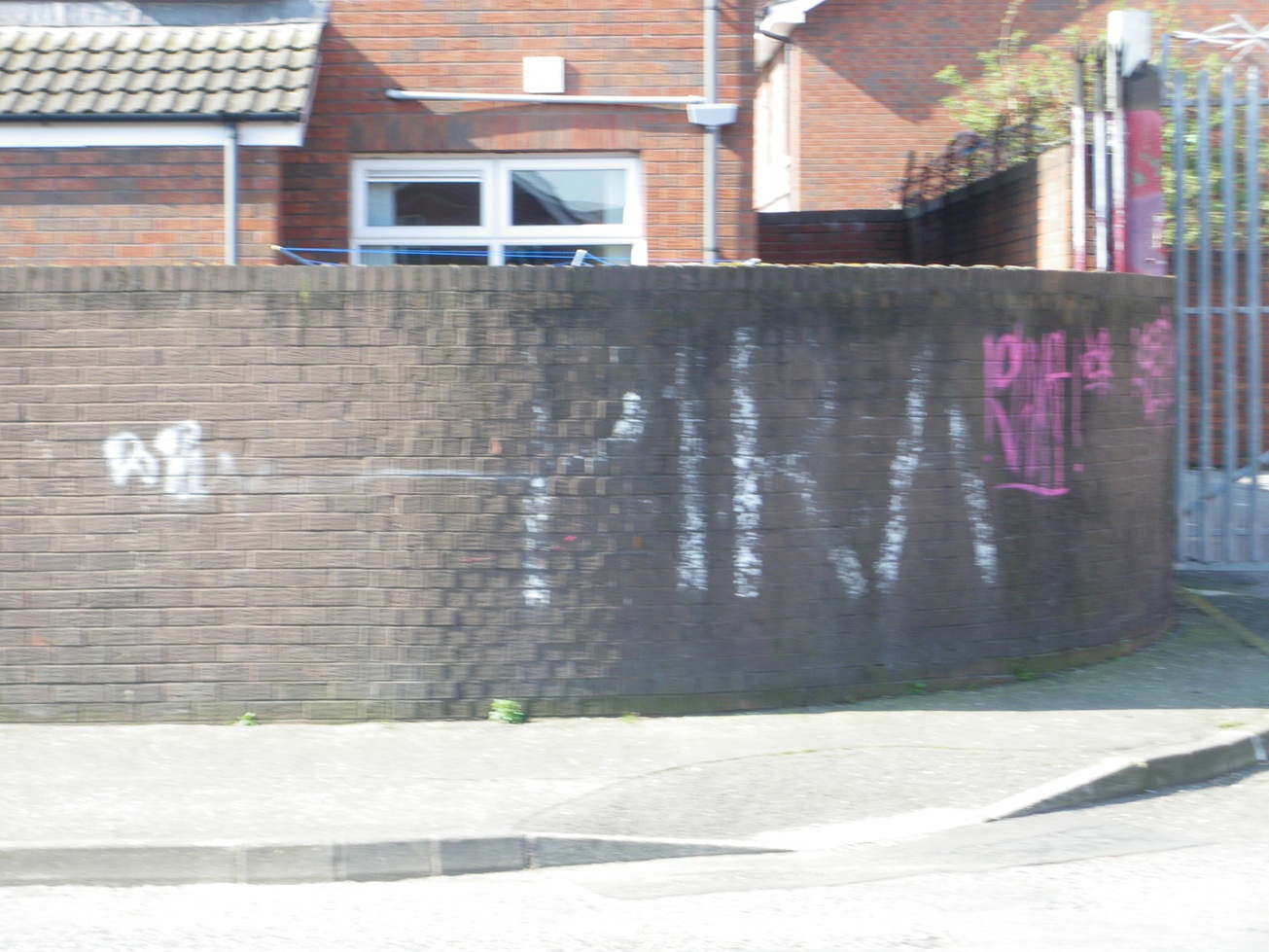
New IRA is therefore not the same organization as the original IRA or the Provisional IRA. The organization was formed in 2012 when the Real IRA, a dissident group that had split from the republican movement after the ceasefire, joined forces with Republican Action Against Drugs (RAAD) and several smaller republican groups.
The Real IRA itself was formed after the Provisional IRA’s ceasefire and opposed the peace process. The group is most notably associated with the Omagh bombing in 1998, which killed 29 people.
Since then, New IRA has continued to advocate for a united Ireland and opposes the political order established by the Good Friday Agreement. British security assessments have for several years identified the group as the most significant of the remaining dissident republican organizations.
The organization has also continued to use violence. Journalist Lyra McKee was shot dead in Derry in 2019 while covering riots. New IRA later claimed responsibility for the killing.
Even during 2026, the group has been linked to attacks on police and police stations in Northern Ireland. In April, New IRA claimed responsibility for an attack on a police station in Lurgan, and the group has also been linked to a car explosion outside a police station in Dunmurry.
Terrorist organization
The British government treats New IRA as a terrorist organization and has continued to target its funding. In November 2025, the government imposed a package of economic sanctions on New IRA and froze the organization’s assets, citing its responsibility for, participation in, and support for terrorist activity.
The new aspect of the current developments is therefore not the organization’s republican goals but that, according to security sources, migration is becoming an additional conflict issue that the group is seeking to exploit.
If reports of an organized campaign against migrants are accurate, it would mean that an organization whose historic enemy was the British state is now attempting to exploit a completely different societal conflict to gain influence.
For British and Irish security authorities, this presents a particular risk: that the old conflict on the Irish island gains a new dimension, where migrants become targets for paramilitary intimidation and violence, while such a development risks creating new flows of refugees towards the UK.
READ ALSO: The Irish have had enough – large protest against immigration