The Green Party is heading into the election with a continued radical shift in Swedish energy and migration policy. In the party’s new election manifesto, it is stated that Sweden should not build new nuclear power and that more migrants should be allowed to stay.
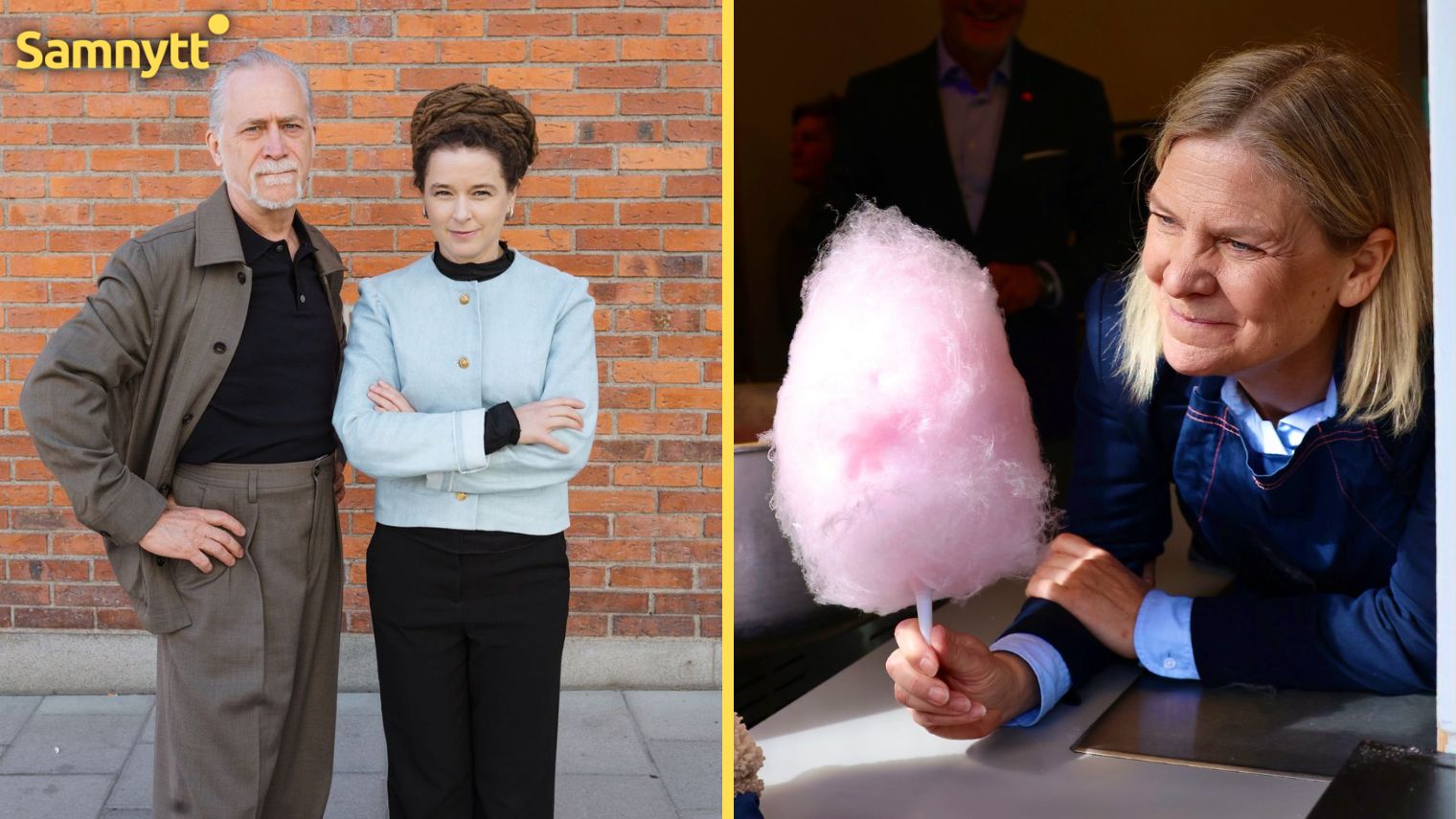
The manifesto was presented by spokespersons Amanda Lind and Daniel Helldén on Monday. The party summarizes its election platform under the slogan “Sweden wins with green politics” and identifies climate, equality, and nature as its top three priorities.
One of the clearest dividing lines against the Tidö parties—and at the same time a potentially troublesome issue in relation to the Social Democrats—concerns migration. The Green Party writes that the government’s deportation policy creates “insecurity and division” and believes that “children and young people who have grown up here and adults who have established themselves here should not be deported.”
READ ALSO: The Green Party wants to open rainbow houses to fight ‘right-wing nationalist forces’
The party is also campaigning to “stop unreasonable deportations.” According to the manifesto, people who have built their lives in Sweden should be allowed to stay, and families should be kept together. However, there is no demand for a general return to the previous Swedish migration policy in the manifesto itself. Instead, the focus is on changing what the Green Party perceives as an overly harsh deportation and return policy.
The party’s stance on nuclear power is even clearer. The Green Party rejects the government’s investments in new nuclear power. The party claims that nuclear power is expensive, takes a long time to build, and makes the electricity system more vulnerable. Instead, the Greens want to invest primarily in solar and wind power, along with hydropower, energy storage, and improved power grids.
Nuclear Power a Point of Contention
Nuclear power may thus become one of the major points of contention within the red-green bloc after the election. The Social Democrats have opened up to continued expansion of nuclear power while the Green Party wants to halt the government’s projects.
Amanda Lind has also said that the Green Party does not want to see new nuclear power, describing it as a “comfort blanket.”
In the energy sector, the Greens instead want to make Sweden self-sufficient in renewable energy. The party wants major investments in solar and wind power, energy efficiency, and power grids, while also introducing economic incentives for local communities where wind and hydropower are expanded.

Tax on the “Super Rich”
The manifesto also includes several economically significant reforms. Among other things, the Greens want to increase child benefits, introduce a special supplement for single parents, strengthen housing and high-cost protection benefits, and tax the “super rich.”
The party also wants to abolish the market school system and take the first steps towards a four-day workweek through shorter working hours with retained wages.
In transportation, the Green Party wants to introduce a national Sweden card for public transport. According to the manifesto, the card should cost 499 SEK per month for adults and 249 SEK for children, students, and pensioners. The party also wants to expand the railways, introduce more night trains, and implement a nationwide electric car initiative.
On a Collision Course with the Government and the Social Democrats
In criminal policy, the Greens combine demands for stricter measures against gang crime with a firm stance against lowering the age for prison sentences. The party, among other things, wants to give the police more resources, stop welfare crimes committed by gangs, and identify children at risk at an early stage. At the same time, they emphasize: “Do not put children in prison.”
The Green Party’s manifesto thus clearly places the party on a collision course with the government in both energy and migration policy. At the same time, the conflicts may be just as intense within the red-green bloc, where the Social Democrats and the Greens already stand far apart on issues of migration, nuclear power, and parts of criminal policy.
READ ALSO: The Green Party subsidizes outdoor swimming: ‘Climate justice’