Just over a decade ago, Sweden was one of Europe’s leading recipients of asylum seekers. During the migrant crisis in 2015, 163,000 people arrived – the highest per capita level in the entire EU. Now the situation looks completely different, and several European countries once again see Sweden as a role model.
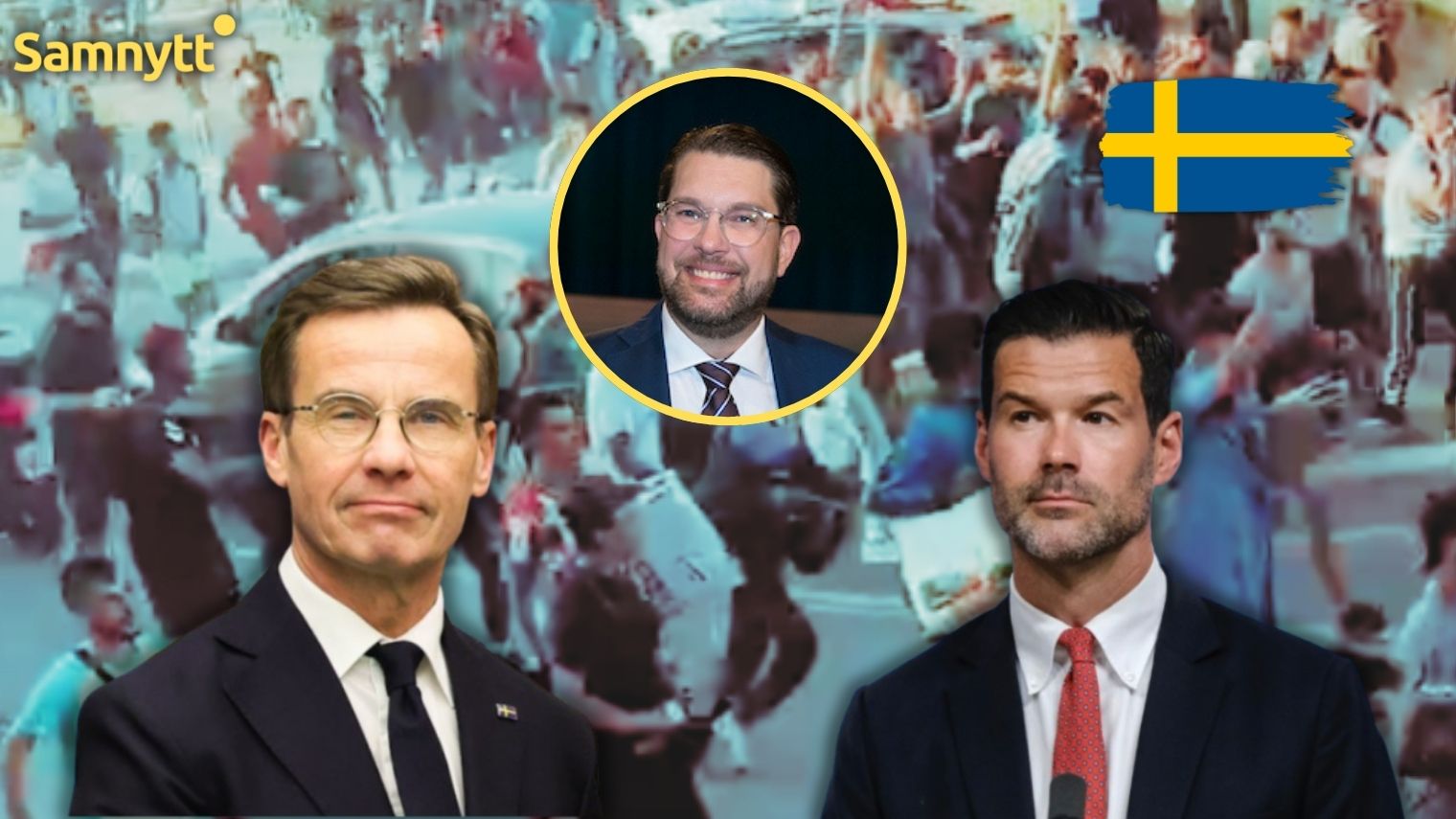
In a widely noted interview with The Telegraph, Migration Minister Johan Forssell explained how the Swedish government has managed to reverse the trend. Sweden is expected to receive around 4,200 asylum seekers this year, the lowest level in over 40 years.
Since the Tidö government took office in 2022, asylum applications have decreased by about 75 percent, while deportations have increased by 60 percent.
Forssell does not point to a single reform as the sole explanation for these developments. Instead, he refers to a long series of changes that together have made Sweden less attractive for asylum-related migration.
READ ALSO: Swedish public: Migration to Sweden will increase with a red-green election victory
Asylum seekers are to a greater extent referred to state-run reception centers instead of arranging their own accommodation. Persons who are denied asylum can be placed in more restrictive forms of detainment, and the government has tightened rules concerning citizenship, family reunification, and the deportation of criminals.
The authorities’ ability to check mobile phones for digital information that can help determine an individual’s identity has also been expanded.
At the same time, Sweden has shifted from largely granting permanent residence permits to a system where protection-related residence permits are more frequently temporary.
From Pioneer to Cautionary Example
The change is especially noteworthy because, during the 2010s, Sweden often stood on the opposite side of the European migration debate.
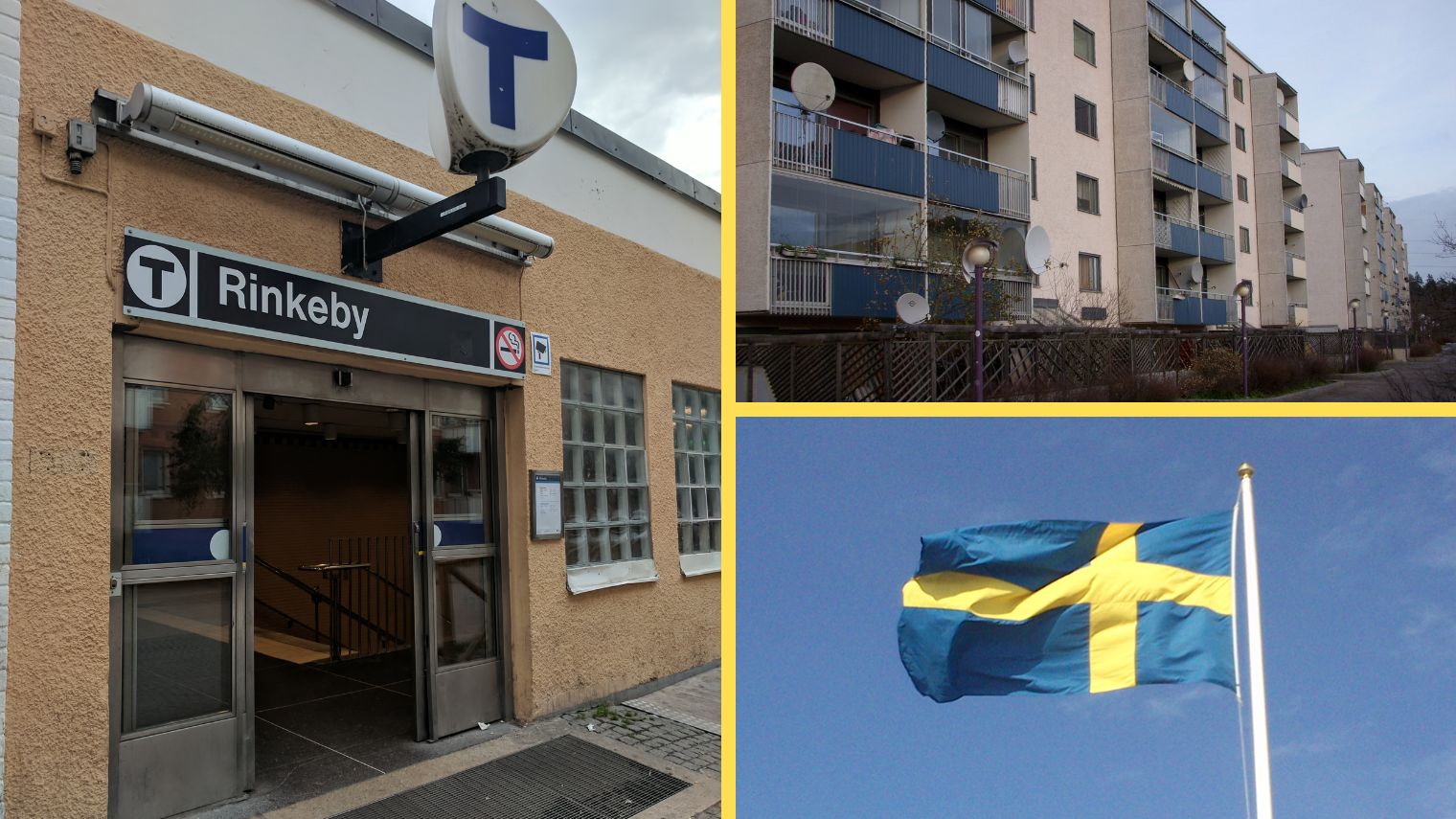
During the crisis of 2015, Sweden received 163,000 asylum seekers. The large-scale migration was followed by significant challenges in integration, housing, and segregation, which later became central issues in the political debate on gang crime.
Since then, traditional Swedish parties have gradually changed their approach to migration policy. Forssell argues that the developments show that major tightening can be implemented without abandoning international conventions.
This is also a message directed at the UK, where the debate over small boat crossings of the English Channel has become one of the most contentious political issues.
Forssell believes that the UK can reduce illegal migration without leaving the European Convention on Human Rights.
“If You Come to Sweden, You Must Learn Swedish”
A central part of the Swedish policy shift has been to make clear that life in Sweden comes with requirements.
– If you come to Sweden, you have to learn Swedish, you must find a job, you cannot commit crimes. That’s not an extreme position, is it, Forssell told the paper.
The government has also tried to reduce economic incentives for those who lack work or do not participate in integration initiatives.
READ ALSO: Study: The cost of asylum seekers for Sweden
Forssell describes the new approach as a system in which those allowed to stay are expected to integrate and support themselves, while those who are refused must leave the country.
– We are very clear today that you have to return home if that is the decision. If that is the decision, you must comply. There will no longer be any benefits. You cannot move freely around Sweden anymore. You cannot work.
Kristersson Warns Europe Not to Forget 2015
While Forssell highlights Sweden’s shift, Prime Minister Ulf Kristersson (M) has criticized Spain for taking a completely different approach to migration policy.
In an interview with the Financial Times, Kristersson described Spain’s decision to grant amnesty to around one million illegal migrants as a “very bad idea.” He warns that Europe risks returning to a situation similar to 2015.
– It symbolizes that we still have to be very, very careful not to do anything that even comes close to what happened in 2015, Kristersson said.
The Prime Minister pointed out that many who come to Europe have historically continued northwards. He argues that migration policy in one Schengen country can have consequences for other member states as well.
“It’s Not an Extreme Position”
Forssell meanwhile rejects criticism that the government’s policy means Sweden has abandoned liberal values. He argues that the new policy is, instead, a response to the integration issues that arose after the high influx of migrants.
He also points out that the Swedish government still wants to encourage labor migration for people with in-demand skills.
Sweden as a Political Experiment
Sweden’s development has, as a result, become a kind of political experiment in Europe. In less than a decade, the country has gone from being one of Europe’s largest recipients of asylum seekers to having some of the lowest levels in several decades.
At the same time, the Swedish government has continued to tighten migration legislation. As recently as June, the Riksdag voted for further measures strengthening the ability to revoke residence permits and increasing checks on individuals residing illegally in the country.
For Forssell, the conclusion is clear: Sweden did not need to leave Europe or international law in order to reverse the trend.
READ ALSO: Demography expert to parliament: “Only remigration can save Sweden”