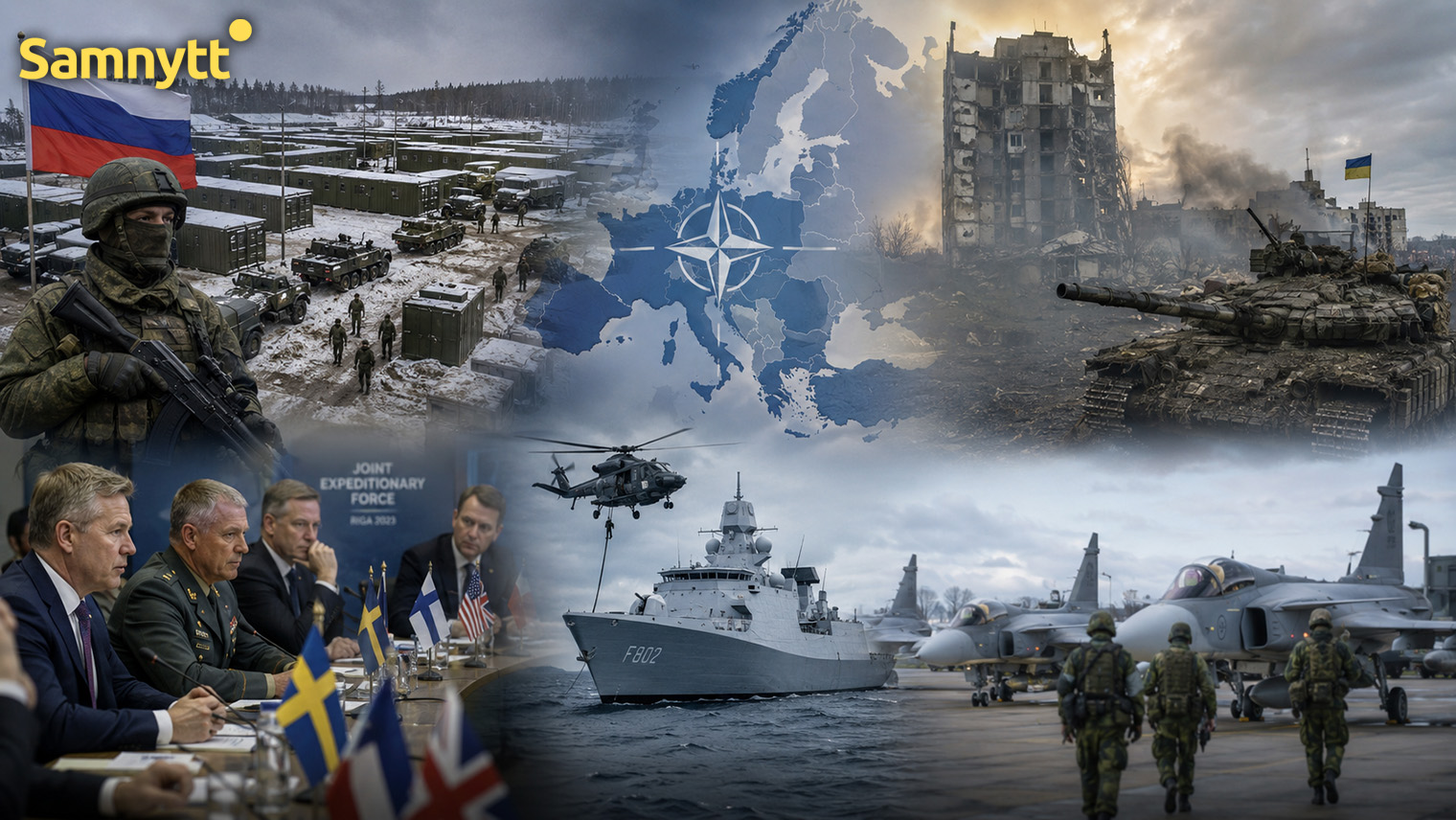
Over the past year, warnings from European militaries, intelligence agencies, and politicians have grown increasingly loud. The consensus from several quarters is that Russia, despite its major losses in Ukraine, may in the long run rebuild its military capabilities and thus pose a more direct threat to NATO. At the same time, significant uncertainty remains regarding both the timeline and Russia’s intentions, with many of the more far-reaching scenarios based on forecasts, hypotheses, and speculation rather than established facts.
The latest in a series of warnings about a growing threat from the east came from the German army chief, Christian Freuding. In an interview with Politico, he claimed there is a widely held view within NATO that Russia may be capable of attacking a NATO member state before the end of this decade.
“We must be prepared … We must be ready to fight,” said Freuding.
He also emphasized that 2029 is not just a German assessment, but is based on intelligence analyses he says are shared by NATO member states. At the same time, he noted that Russia could theoretically act sooner than that.
However, it is important to note that such statements do not mean NATO assesses a Russian attack to be likely or imminent. The assessment instead concerns when Russia might be able to regain a military capacity that could make such an action possible. Several Western analysts have also stressed the difference between capability and intent.
The Satellite Images that Drew Attention
The debate has been renewed following an investigation by SVT and several Nordic media partners. Supported by satellite imagery, it is claimed that Russia is expanding military installations near the Finnish border, and thus also in Sweden’s vicinity.
According to the investigation, this involves new barracks, expanded vehicle deployments, and ammunition facilities. Finland’s army chief, Pasi Välimäki, stated that they expect around 80,000 soldiers could eventually be stationed in the area, compared to around 20,000 previously.
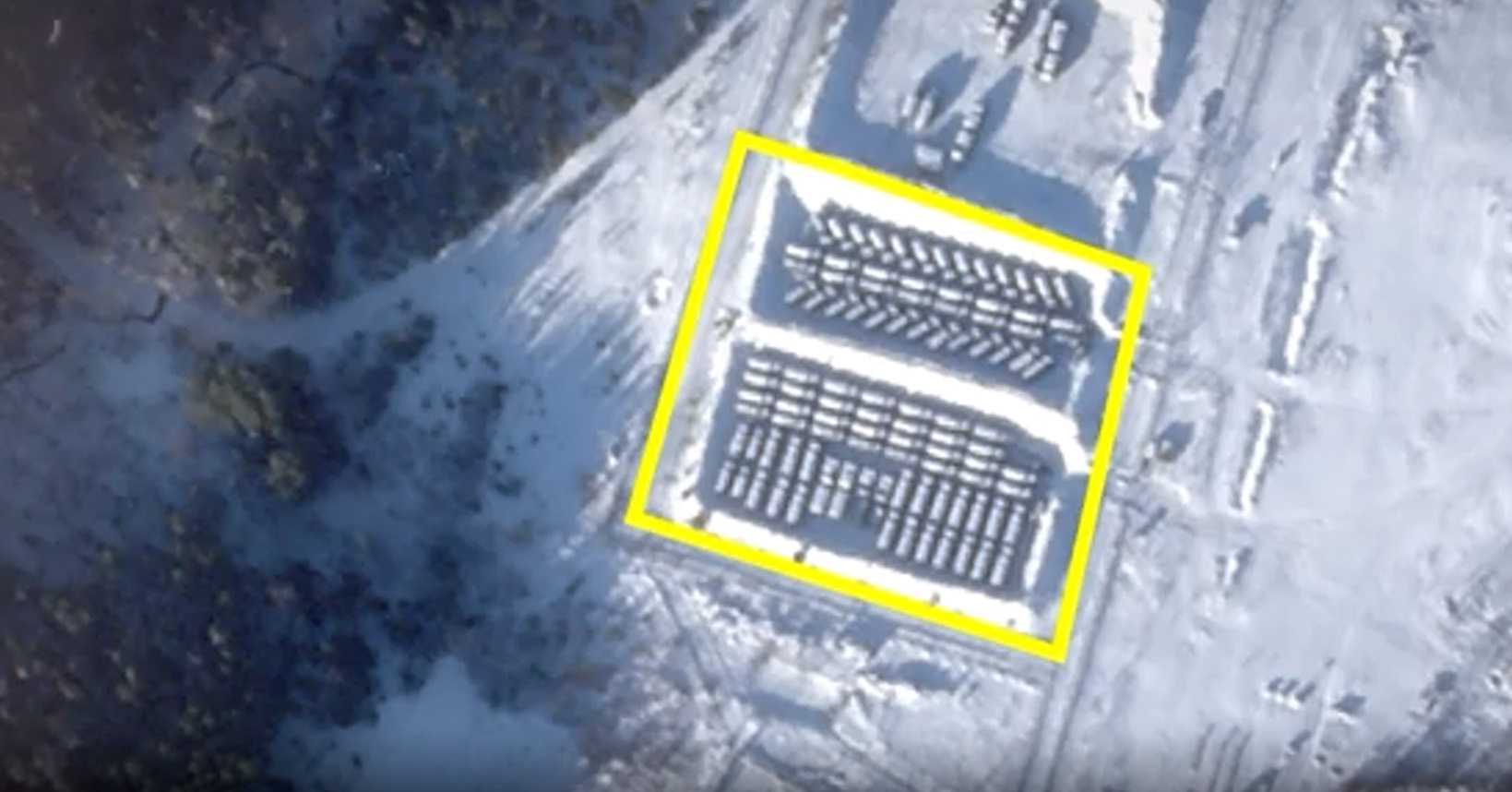
The Swedish Military Intelligence and Security Service (Must) interprets the development as part of a long-term Russian military buildup. Must chief Thomas Nilsson told SVT that the agency assesses the infrastructure is being built to be manned once the war in Ukraine ends.
“We don’t believe it’s just for show. This is about being able to confront NATO in a larger conflict down the road,” he said.
Must further assesses that Russia has a significant ability to rapidly move troops and materiel over large distances. However, these conclusions are based on Swedish intelligence assessments and cannot be independently verified by external observers.
Sweden’s Government is Taking the Reports Seriously
Defense Minister Pål Jonson says the information comes as no surprise to the government.
“We definitely take the threat seriously,” he stated in a comment to SVT.
At the same time, he describes Russia as severely weakened by the war in Ukraine, pointing to major losses of both personnel and equipment.
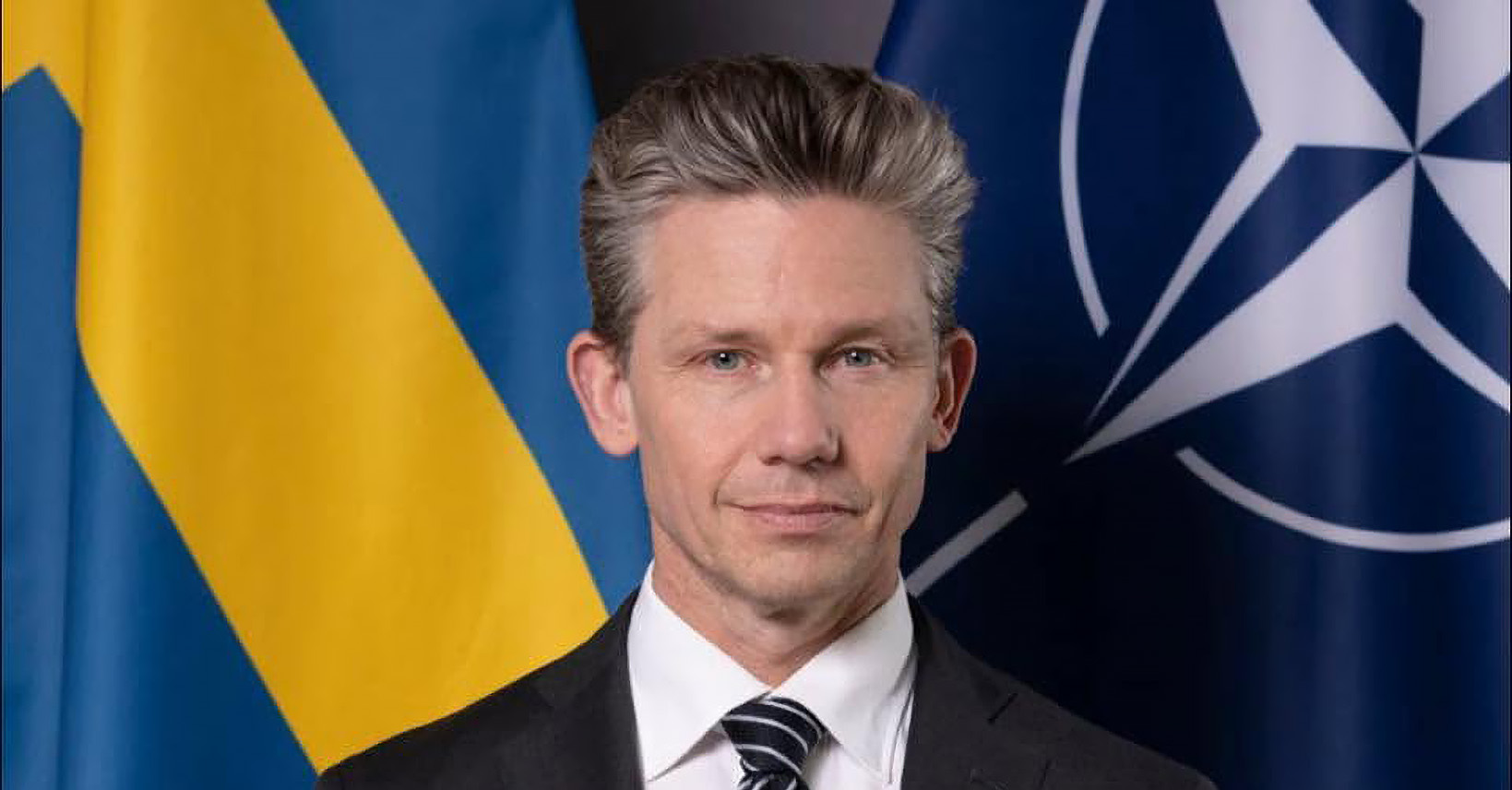
The government’s position is that there is no contradiction between these pictures of simultaneous weakening and strengthening. The concept is that Russia has been weakened in the short term but is also trying to build up a stronger armed force for the future.
The Defense Commission Shares the Threat Assessment and Criticizes Defense Capability
The Defense Commission shares the view that a Russian attack on Sweden and/or other NATO countries could be imminent.
“An armed attack against Sweden or our allies cannot be ruled out. Nor can the possibility be excluded that military force or the threat thereof could be used against Sweden or our allies,” they write in a recent report.
At the same time, they argue that the Swedish defense industry does not measure up — citing shortcomings in quality and competence, and calling for a thorough upgrade and new agreements with more and better suppliers.
No Complete Consensus
Even though the warnings from European governments and armed forces have increased, there is no clear consensus among independent analysts that Russia faces collapse or that the country will be ready within a few years for a large-scale attack on NATO.
Several researchers and security policy experts outside of Kremlin-friendly circles have pointed out that although Russia has suffered major losses in Ukraine, it has also managed to keep its defense industry running, increase production of certain weapons systems, and adapt the economy to a long-term state of war.
READ ALSO: Russian economy in crisis? Expert accuses Swedish intelligence of ‘information warfare’
Other observers stress that forecasts of future military capacity always involve significant uncertainty. Factors include the development of the war in Ukraine, the Russian economy’s resilience, demographic conditions, and the West’s continued support for Kyiv.
The question therefore is not just how much military strength Russia can rebuild, but also what strategic goals the Russian leadership will prioritize after the war in Ukraine.
Experts Warn Against Simplified Conclusions
Even among Western security policy institutes, there are differing opinions about how to assess Russia’s military strength after more than four years of war in Ukraine.
Researchers at the International Institute for Strategic Studies (IISS), one of the world’s most established defense analysis organizations, have repeatedly pointed out that Russia has suffered very large losses but has also shown more resilience than many observers had expected at the outset. In an analysis, IISS noted that the Russian economy and the large Soviet-era materiel reserves have enabled Moscow to continue replacing significant parts of its losses, even though costs are gradually increasing.
IISS also assesses that Russia has lost hundreds of thousands of soldiers since the invasion began. But the organization’s analyses do not support the idea that the Russian military is on the verge of imminent collapse. On the contrary, they highlight that the war has rather evolved into a prolonged war of attrition where both sides face heavy pressure.
READ ALSO: Researcher: Swedish media and politicians mislead with propaganda about the Ukraine war
The American think tank Center for Strategic and International Studies (CSIS) has also described the situation in more complex terms than the most alarmist predictions. According to CSIS, the Russian economy is under pressure and its growth is weak, but the country has nevertheless managed to shift significant parts of its industry to war production. The organization points out that Russia’s advances in Ukraine have been slow and costly, but rejects simplified conclusions that Moscow is therefore about to lose the war.
Several Western analysts therefore emphasize that two statements can be true at the same time: that Russia has been severely weakened by the war in Ukraine, and that the country can nonetheless, in the long run, rebuild significant military capability. How quickly this can happen and what intentions the Russian leadership actually has after the war are, however, questions where uncertainty still remains considerable.
Denmark Strikes a Slightly More Cautious Tone
Danish Foreign Minister Lars Løkke Rasmussen has also warned about risks but has expressed himself less categorically than many other representatives.
“There is a window here where there is a risk that Russia will try to provoke us — and this is already happening with cyberattacks, hybrid attacks, and actions that skirt the edge of Article 5,” he said in a comment to Danish broadcaster DR.
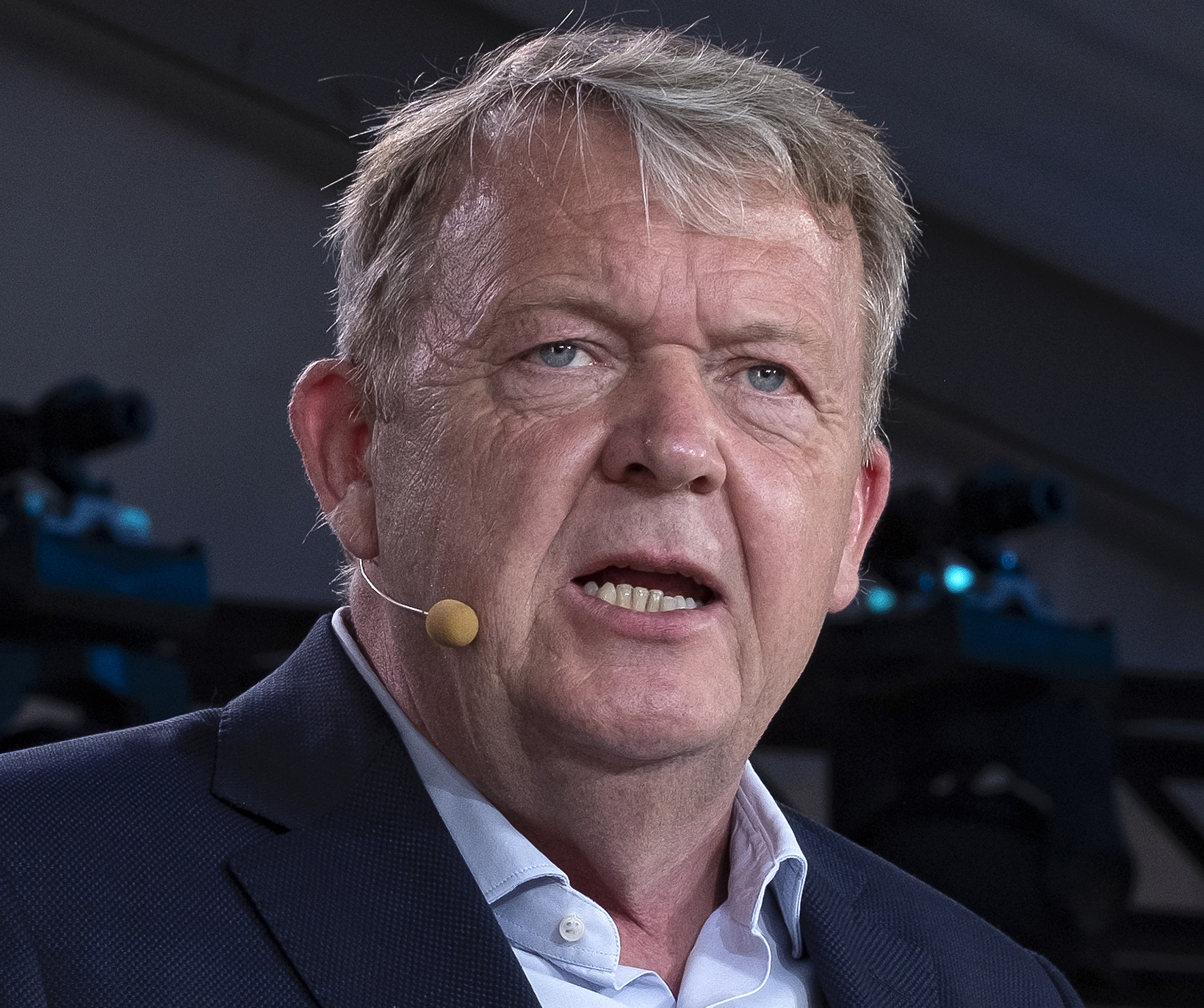
When asked if Denmark is ready to respond to an attack in the Baltic Sea region, he replied in the affirmative.
“The answer to that question can’t be anything but yes. Because if I answered anything else, what signal would I be sending?”
At the same time, he clarified his feelings about the new intelligence.
“I am concerned, but I am not scared.”
Lars Løkke Rasmussen’s statements focus primarily on the risks of pressure, hybrid operations, and provocations, rather than on an immediate large-scale invasion scenario.
Russia Dismisses the Accusations
From the Russian side, Western assessments are completely dismissed. In comments to SVT and Danish DR, the Russian ambassador to Denmark, Vladimir Barbin, claims that the statements about an upcoming Russian attack against NATO are wholly unfounded.
“The claim that Russia will soon decide to attack one or more NATO countries is a lie.”
He further contends that such warnings are used to justify increased military spending within NATO and the EU. Russian officials at the same time describe their own military buildup as defensive and as a response to NATO expansion and increased military presence near Russia’s borders.
At the same time, several Western researchers note that security policy conflicts are often characterized by mutual perceptions of threat. For example, Chatham House observes that Russia has long described NATO as a growing security threat, while NATO countries see Russian military moves as aggressive and destabilizing. It is thus not new in European security policy that both sides perceive the same developments in diametrically opposite ways.
An Information War Parallel to the Military One
What can be stated is that both Western and Russian actors present interpretations of the same developments largely based on their respective security policy viewpoints and interests.
For Western governments and intelligence agencies, the Russian military buildup appears as a possible future threat that requires increased defense spending. For Russia, the same development is depicted as a necessary reaction to NATO expansion and military presence near its borders.
Which of these interpretations best describes reality is difficult to determine with certainty. What is clear, however, is that uncertainty in Europe has increased significantly since Russia’s invasion of Ukraine in 2022, and that both NATO and Russia are now planning for scenarios that, just a few years ago, would have been considered unlikely.