COLUMN • We discuss border controls, asylum rules, citizenship, language requirements, and integration. A few thousand more or fewer asylum seekers. Whether the government has reduced immigration enough, and if the next government will open the floodgates again. But the big question lies ahead of us, almost untouched: What happens to Europe when the continent’s indigenous populations become an ever smaller share of the population?
This is no longer an abstract question about a distant future. It’s a question of demography. And demography, unlike political press releases, is completely uninterested in what is considered appropriate to talk about.
Recently, I interviewed Finnish researcher Kyösti Tarvainen about exactly this. His conclusions are hard to argue against, not because one must accept every assumption or projection he makes, but because he asks the question so many others avoid – what happens in the long term?
READ ALSO: Demography’s Powder Keg: Researcher Warns of Civil War in Sweden’s Future
It’s really an astonishingly simple question. Yet, almost the entire European political class seems unable to ask it.
The Great Demographic Experiment
Within just a few decades, Europe has undergone a population change unprecedented in modern times. Millions of people have moved from Africa, the Middle East, and parts of Asia to European countries, while birth rates among Europe’s native populations have sunk far below what is needed for population replacement.
The two developments run in parallel. One population ages and shrinks, while the other is continuously replenished by immigration and far higher birth rates (due to cultural differences, but also because of generous family policies originally created in a European context).
You don’t need to be a professor of demography to understand where such a development leads if it continues long enough. Yet every attempt to discuss it is treated as something almost suspicious.
When people see their neighborhoods change, they’re told change is natural. When they observe their children’s schools changing, they’re told that diversity is strength.
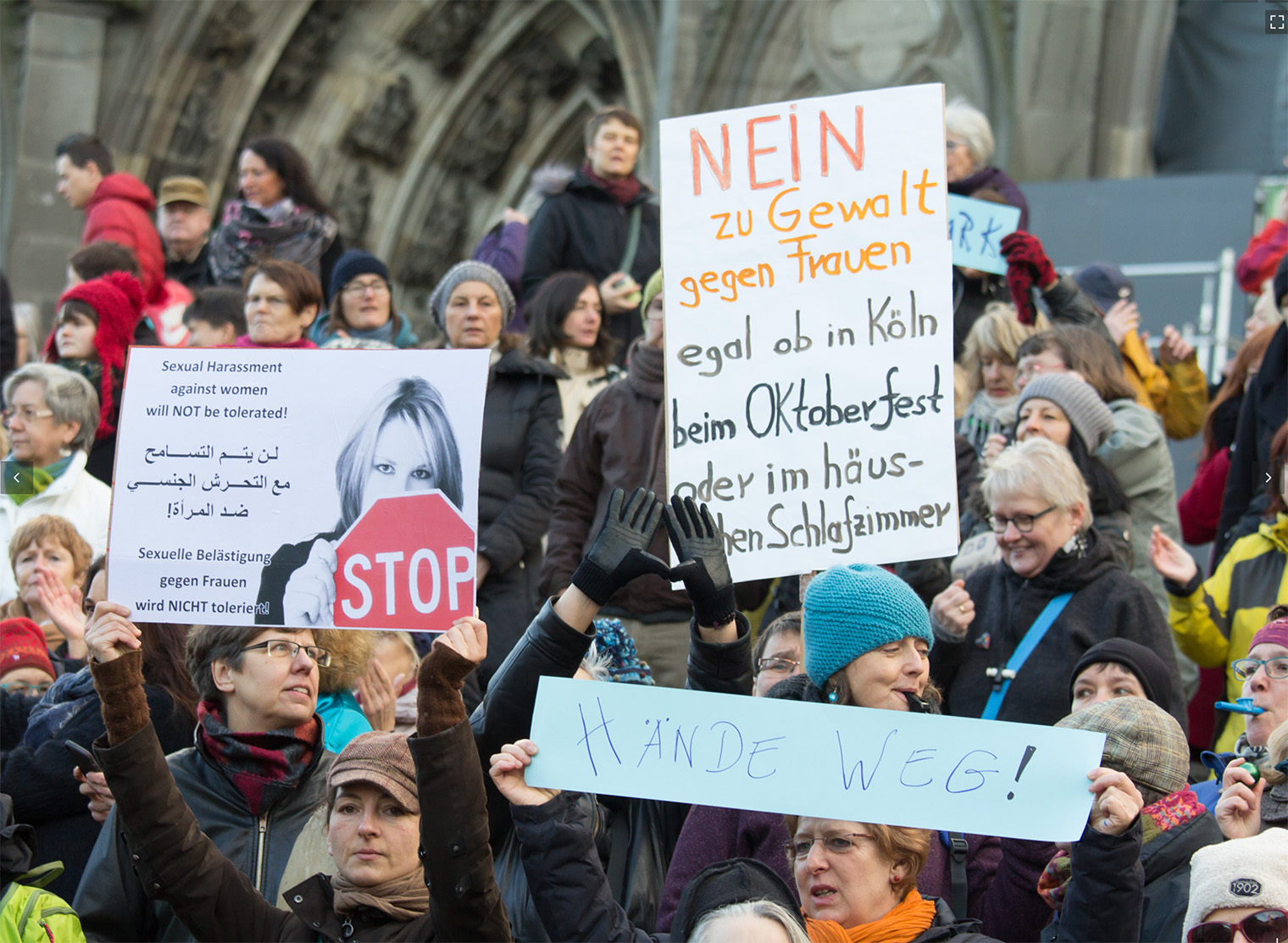
When entire residential areas undergo a complete demographic transformation within a few decades, they’re told that integration needs to improve. And when someone asks what Sweden, France, Germany, Belgium, or the Netherlands will look like in another 50 or 100 years, things suddenly get very quiet.
READ ALSO: Demography Researcher to Parliament: “Only Remigration Can Save Sweden”
Sweden Is Already Unrecognizable
For Sweden, the question is particularly relevant. In just a few decades, we have gone from being one of Europe’s most homogeneous countries to one of those that have received the largest immigration relative to population – in the world.
It shows everywhere: in schools, residential areas, crime, eldercare, the labor market, language confusion, and growing cultural and religious conflicts.

In recent months, I have also written a lot about eldercare. There, the demographic change becomes almost painfully concrete.
Elderly Swedes, born and raised in this country, may, at the end of their lives, end up in situations where staff around them do not master Swedish sufficiently – if at all. At the same time, I have interviewed Swedish care staff who feel they are expected to adapt to clients who require them to speak Arabic.
READ ALSO: Daughter of Demented 98-year-old: “Mom Died in Agony – Staff Wanted Her to Learn Arabic”
Of course, this isn’t all of Sweden. But it is an ever-larger part, and above all, it’s a direction. Anyone who wants to understand the future must dare to look at the direction, not just the snapshot.
Slowing Down Is Not the Same as Reversing
This is where Kyösti Tarvainen’s reasoning becomes interesting. The Swedish government is eager to point out that immigration has decreased. Rules have been tightened, requirements for citizenship are to be toughened, labor immigration restricted, and asylum policy is stricter than before.
All of this may be true. But it does not answer the demographic question. Reducing immigration is not the same as restoring the demographic changes that have already occurred.
READ ALSO: Economist: “There is no Solution” to the Demographic Challenge
It’s like standing in a room where the water already reaches your waist and triumphantly announcing that the tap is now almost turned off. Certainly, that’s better than continuing to add water, but the water doesn’t go away. The level remains – or rises, in any case.
Tarvainen’s conclusion is much more far-reaching than the Swedish government’s policy. According to his calculations, sharply reduced immigration is not enough to prevent people with national origin from becoming a minority in several Nordic countries in the long term.
His answer is therefore remigration. That word has for a long time been treated as radioactive. Now, it’s no longer so.
The Unthinkable Becomes Thinkable
Something has happened in Europe. Questions that just ten years ago would have resulted in immediate political quarantine are now openly discussed.
In Germany, migration policy has become one of the country’s big political conflict issues. In France, Marine Le Pen’s National Rally has grown into a dominant political force. In several other European countries, parties demanding drastically reduced immigration have grown rapidly.
And a new word has begun to creep into political vocabulary – remigration.
Europe has already seen the growth of Islamist environments, parallel societies, honor oppression, terrorism, and conflicts over things like freedom of speech, women’s rights, anti-Semitism, and the role of religion in society. It would be utterly irresponsible to discuss Europe’s demographic future without at the same time discussing what a growing Muslim population could mean for societies historically shaped by Christianity, the Enlightenment, and the secular state.
Jonas Andersson
It’s in this new political landscape that the Institute for Remigration (IFR) has emerged. The organization, with Austrian activist and writer Martin Sellner as a central figure, describes itself as an institute for studying population change and planning remigration, aiming to connect politicians, researchers, journalists, and other experts across Europe.
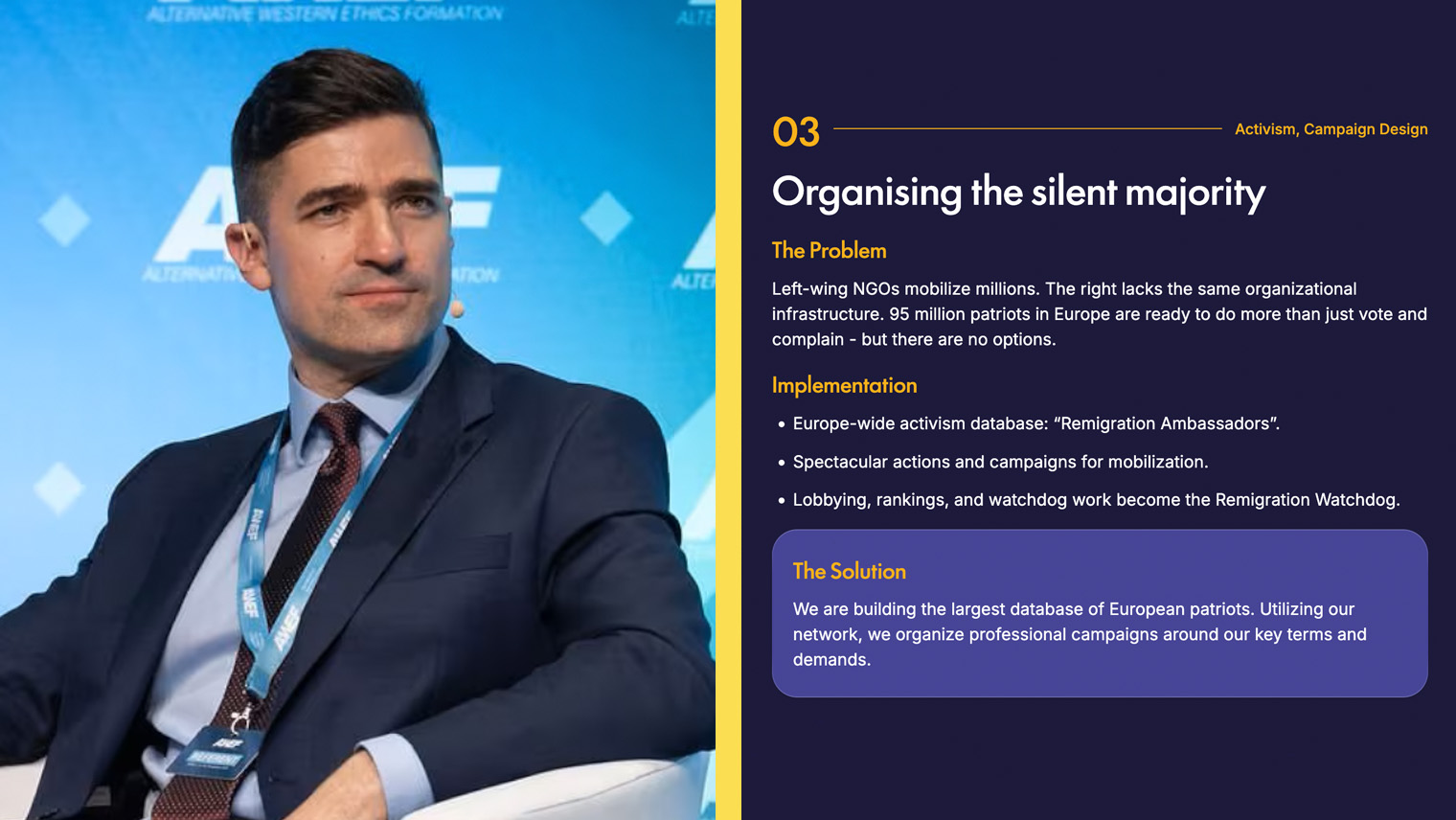
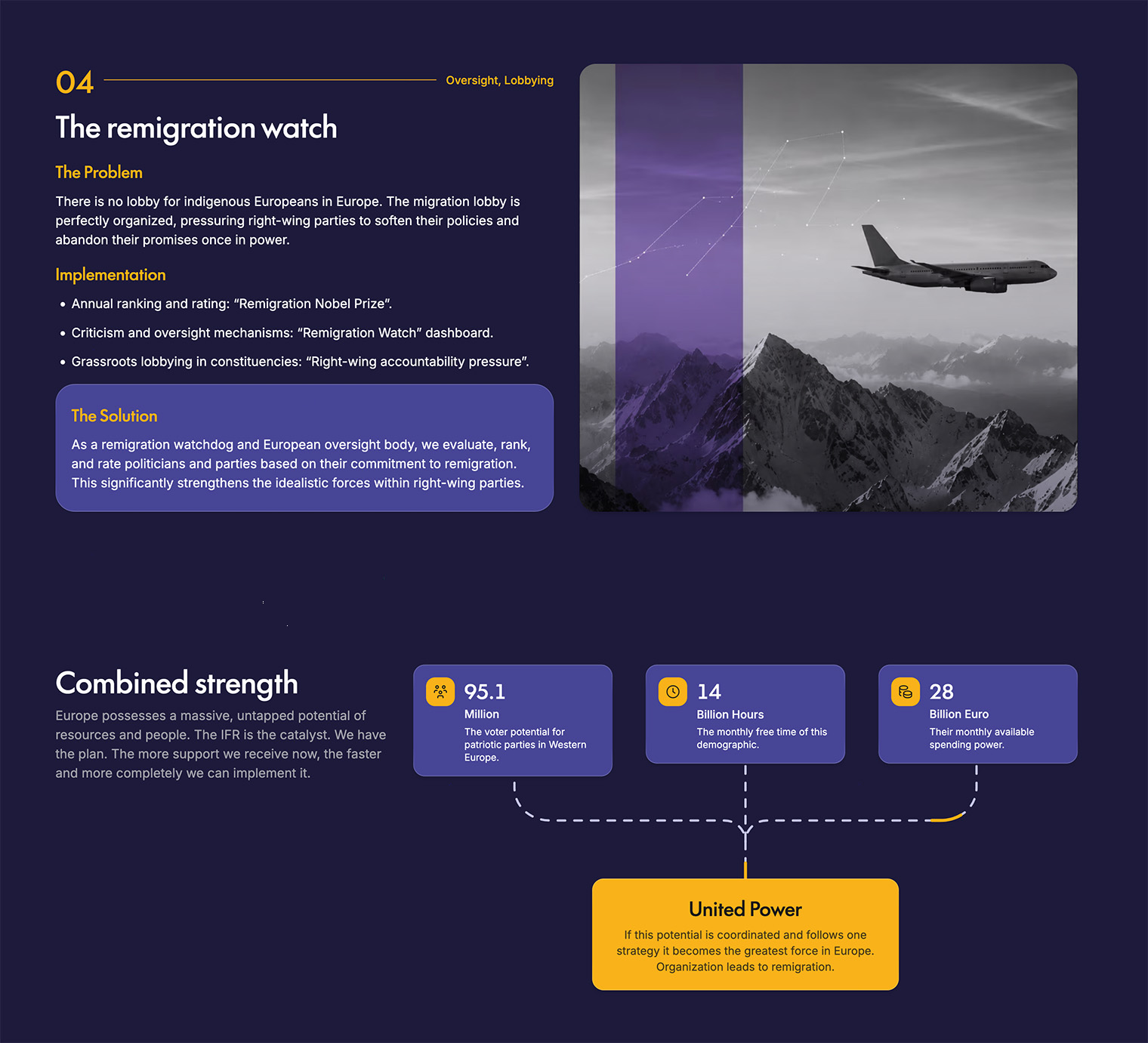
The work is carried out by collecting and visualizing demographic data, publishing reports and policy documents, arranging training and networking events, and running campaigns and advocacy efforts.
Among the projects are a planned European “Demography Dashboard”, an “Ethnic Vote Monitor”, and the effort towards a common European remigration pact.
IFR describes its overall goal as “demographic sovereignty” and the preservation of Europe’s “ethno-cultural continuity” – and wants, in practice, to make remigration a coordinated, concrete, and feasible political issue at the European level.
READ ALSO: EU Can Stop Remigration Initiative Before Petition Even Begins
Ten or twenty years ago, nearly all European migration policy was built on a single, self-evident assumption: change was in only one direction. People could come to Europe, get residence permits and citizenship, and their families could follow.
The idea that any significant part of this migration could move in the other direction was regarded as almost absurd. It was a one-way street. Now, people are starting to question why.
Integration as an Illusion
Here we arrive at perhaps the biggest illusion of the entire migration debate – integration. For decades, the word has worked as a universal solution to almost any objection to mass immigration.
READ ALSO: Researcher on Why Integration of Muslims Fails – and How it Threatens Democracy
Segregation? More integration. Crime? More integration. Unemployment, Islamism, language issues, and parallel societies? More integration.
And now, as the demographic question slowly pushes its way into the debate, the answer again seems to be the same. Integration.
But integration does not change arithmetic. A person can be perfectly integrated and still influence a country’s demographic composition.
This is where the discussion nearly always derails, as in Europe we have come to believe that demography and human value are the same question.
They are not. To observe that a population is changing is not to say that one person is worth less than another. It is to note that a population is changing.
READ ALSO: Researchers: Functional Integration is a Myth
If the Japanese were to become a minority in Japan through widespread immigration, Japan would change. If Somalis were to become a minority in Somalia, Somalia would change. If Swedes become a minority in Sweden, Sweden will change.
That should be self-evident. Yet our entire political debate has been built around the notion that Europeans, in particular, are not allowed to care about their own demographic future.
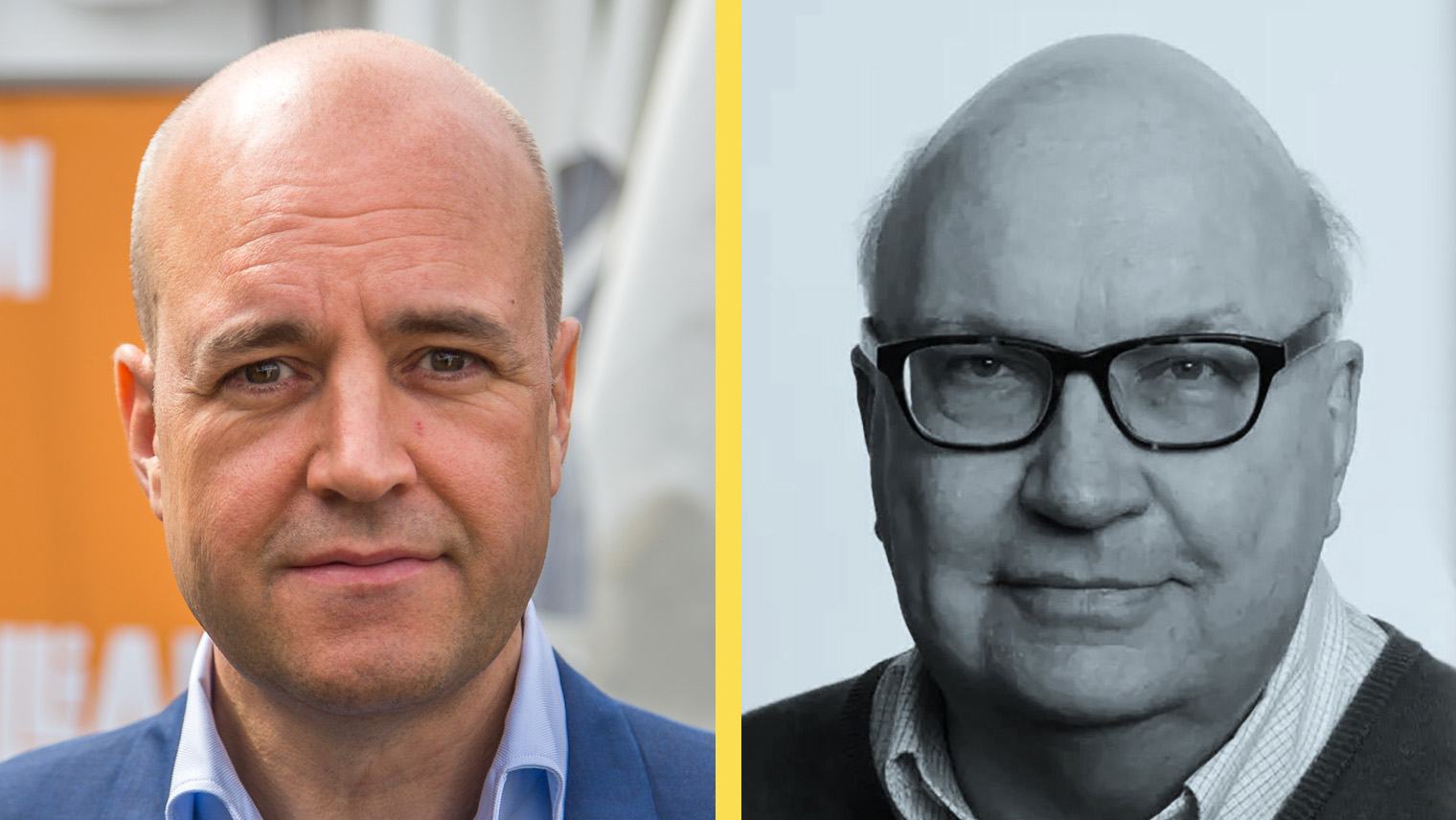
Who does not remember Fredrik Reinfeldt’s (Moderates) almost parodic reasoning about Sweden seen from above? “I often fly over the Swedish countryside. There are endless fields and forests. Anyone claiming the country is full must show where it is full,” the former prime minister explained, smugly. As if a country were empty square kilometers. As if forests, fields, and unused land automatically meant unlimited capacity for population growth. And above all – as if Sweden were just a place, rather than a people, a language, a history and a culture that has developed here over countless generations.
Jonas Andersson
There is also a dimension to Europe’s demographic change that I believe is impossible to ignore – Islamization. If the extensive immigration to Europe had mainly consisted of people from culturally similar societies, the question would still have been demographic, but the consequences would have looked different.
READ ALSO: Police: Islamization of Sweden Has Been Going on for 30 Years
A large part of the immigration has instead come from Muslim countries, while Islam, through family formation, continued migration, and a young population structure, has gained an increasingly strong presence in Europe.
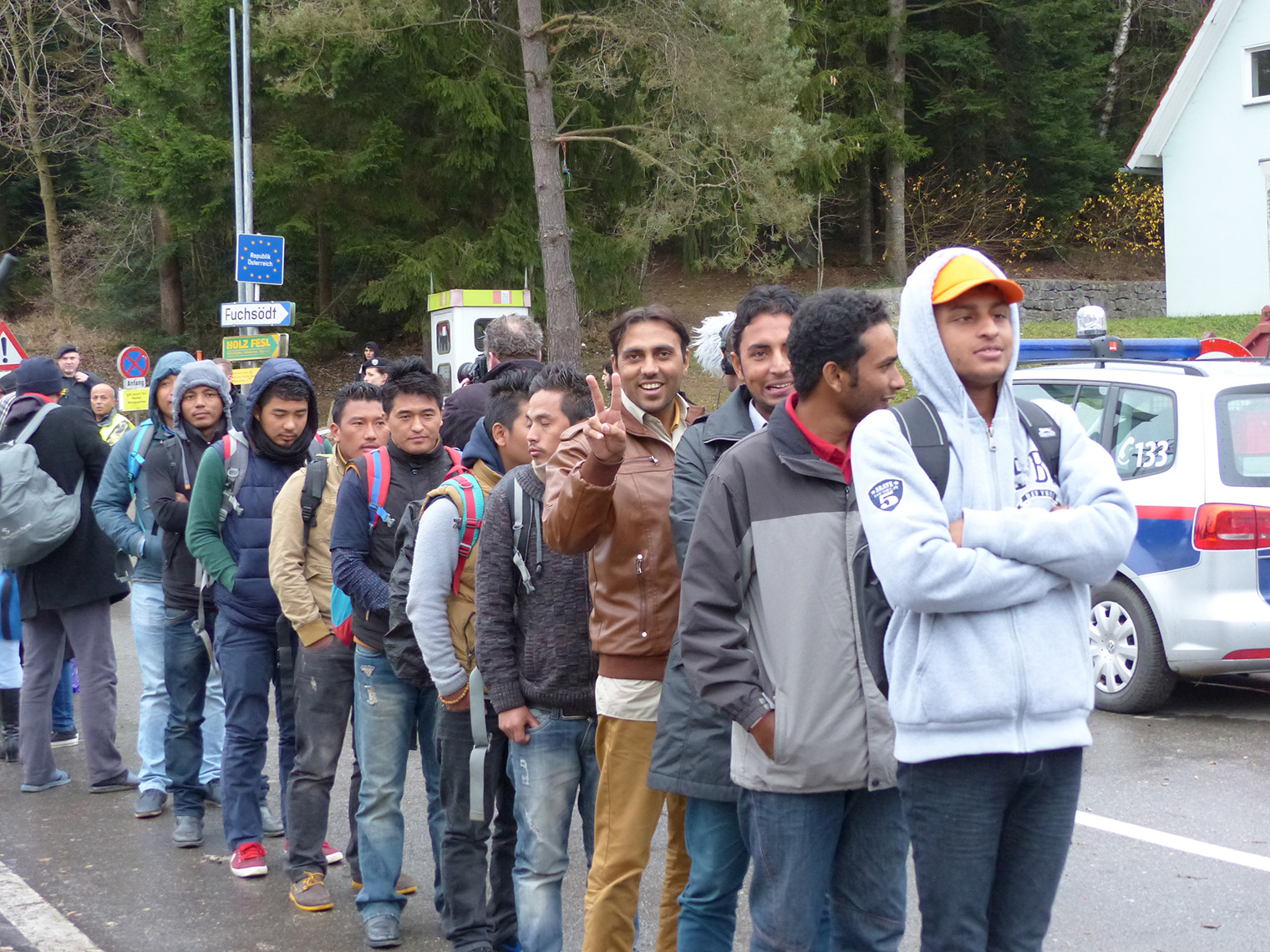
So it’s not only about who lives within a country’s borders—but also about what values, religious beliefs, and social ideals gain influence as the population’s composition changes.
Europe has already seen the growth of Islamist environments, parallel societies, honor oppression, terrorism, and conflict over issues like freedom of expression, women’s rights, anti-Semitism, and the role of religion in society.
It would be utterly irresponsible to discuss Europe’s demographic future without at the same time discussing what a growing Muslim population could mean for societies historically shaped by Christianity, the Enlightenment, and the secular state.
READ ALSO: The Societal Shift No One Voted For – Concrete Traces of Islamization in Sweden
If the fastest-growing groups also bring with them cultural and religious norms that in important respects differ from the majority society, then the question of demography also becomes a question about what kind of society emerges when majority relations change.
Integration has not succeeded in a single EU country. Everywhere we see the same result – segregation, parallel societies, crime, and growing cultural and religious conflicts.
What is Really a Country?
Here is a question bigger than both immigration and remigration. What is a country?
Is Sweden just a geographic area with a corporate registration number? An empty space that can be filled with any people, in any numbers, and still remain the same country?
READ ALSO: Population Replacement: Dramatic Demographic Change Among Young Men
Who does not remember Fredrik Reinfeldt’s (M) almost parodic reasoning about Sweden seen from above? “I often fly over the Swedish countryside. There are endless fields and forests. Anyone claiming the country is full must show where it is full,” the former prime minister explained, smugly.
As if a country were empty square kilometers. As if forests, fields, and unused land automatically meant unlimited capacity for population growth. And above all – as if Sweden were just a place, rather than a people, language, history, and culture developed here over countless generations.
Is France a tax zone? Is Italy an administrative unit and Denmark an economic system?
If the answer is yes, demography doesn’t matter much. Then all of Sweden’s population could, in principle, be replaced, and the country would still be Sweden, as long as the flag, business register number, and name remain.
READ ALSO: Nordic Museum: “Eid Al-Fitr” and “Ramadan” are Swedish Holidays
But I know that very few people actually see their countries that way. A country is also a people, a language, a historical memory, a culture, and a way of life. All reasonable people know that this is the case.
It is a chain between people who lived before us, live now, and are not yet born. It doesn’t mean that no outsider can become part of this. Of course, one can.
Sweden has always received people. People have crossed borders as long as borders have existed. But scope matters, speed matters, and numbers matter.
A drop of color in a glass of water does not change the character of the water. Pour in enough color, and eventually, you have something else. It is not a moral judgment. It is reality.
Europe’s Politicians Created the Trend
There is also a responsibility that is all too rarely discussed. The demographic change Europe is experiencing did not fall from the sky. It was not an earthquake or a natural disaster.
There is a particular property of demographic changes that makes them different from almost all other political issues. They are slow and therefore easy to ignore.
Jonas Andersson
It was the result of political decisions. Politicians opened the borders, enacted the laws, built the welfare systems, made temporary residence permits permanent, made extensive family reunification possible, and handed out citizenships.
And when people protested, they were, for decades, told they were ignorant, xenophobic, or racists. Now, the same political system has begun to admit parts of the problem. Suddenly people speak about volumes, language requirements, exclusion areas, clans, Islamism, honor culture, and revoked citizenships.
READ ALSO: Sweden Faces Its Fateful Choice – and Tidö Risks Having Wasted Its Chance
Even about remigration. What was called a conspiracy theory twenty years ago may today be a government proposal. But still, the crucial question is missing – where are we heading?
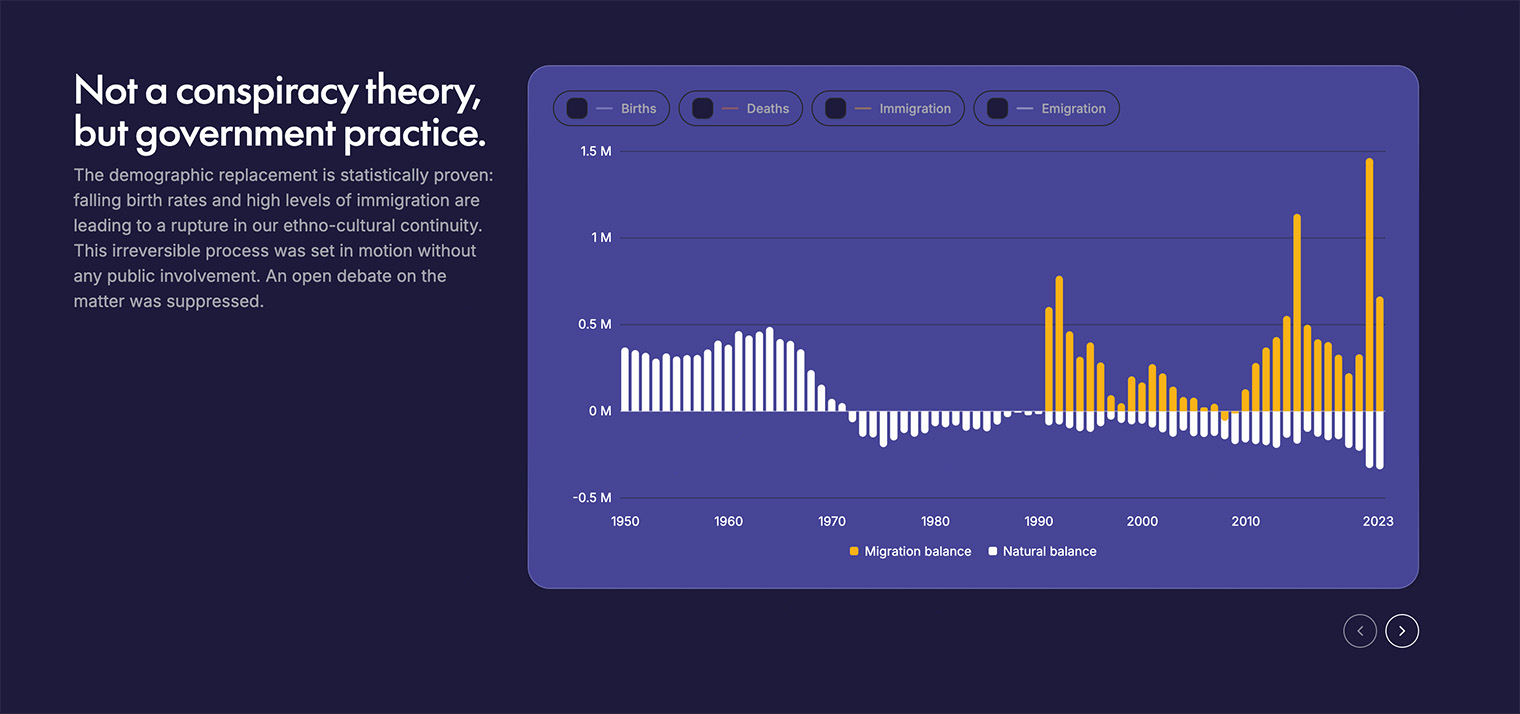
There is a particular property of demographic changes that makes them different from almost all other political issues. They are slow and therefore easy to ignore.
READ ALSO: Bali: Demography May Make Future Right-Wing Governments Impossible
An economic crisis is immediately noticeable. A war explodes on our screens. A pandemic changes society in a few weeks. Demography works differently. A child is born, a family moves, a school changes. An area changes, then a neighborhood, then a city.
A generation passes. Then another. And suddenly, people look around and wonder what happened. But nothing happened suddenly. It occurred every day.
That’s why the European debate about remigration will grow, no matter how uncomfortable the establishment finds the word. Institute for Remigration is hardly the endpoint of this development. It’s really just the beginning.
The Question Europe Can No Longer Avoid
I do not know exactly what Europe’s demographic future will look like (though I have a grim premonition – if nothing changes). No one does. Projections are projections. Birth rates change, migration changes, politics change, and people change their behaviors. We now see in the USA that it is possible to slow and reverse the trend.
But uncertainty about when exactly something happens is not an argument for pretending the direction does not exist. And the direction is clear – all over our continent.
READ ALSO: Hanif Bali: “Sweden Exists for Swedes” – Blasts Wage Requirement Exception
Europe’s indigenous peoples have low birth rates. At the same time, the continent has for decades received extensive immigration from other parts of the world. If this continues, Europe’s population will disappear.
For if Kyösti Tarvainen and IFR are right, or even partially right, Sweden and several other European countries face a trend that cannot be solved with more integration projects, tougher language requirements, or another billion for disadvantaged areas. Then we have to start discussing demography itself – immigration, emigration, birth rates, citizenship – and yes, remigration.
Jonas Andersson
That should be possible to say without someone shouting. It should be possible to discuss without anyone losing their job. And above all, it should be possible to ask Europe’s people what they themselves want.
Do Swedes want Swedes to be a majority in Sweden even a hundred years from now? Do Danes want Denmark to remain mainly Danish? Do the French want France to remain mainly French, and the Italians want Italy to remain mainly Italian?
I suspect the answer from an overwhelming majority would be yes. Yet almost no one has asked them.
READ ALSO: Andersson: “Time to Mobilize Around the Next Demographic Fate Question”
Instead, for decades Europe’s political leaders have carried out one of the greatest demographic changes in the continent’s history. And when the consequences become impossible to ignore, they promise us better integration.
That is no longer enough.
For if Kyösti Tarvainen and IFR are right, or even partly right, Sweden and several other European countries are facing a development that cannot be solved with more integration projects, tougher language requirements, or another billion for disadvantaged areas.
Then we need to start discussing demography itself – immigration, emigration, birth rates, citizenship – and yes, remigration.
Today’s politicians have, for decades, helped create a Europe that is increasingly unrecognizable to many of those born here. Now, the same political system says the solution is for those already here to “integrate”.
READ ALSO: Ekeroth: Lebanon Shows What Happens When Demography Shifts
But integration cannot make a minority into a majority. It cannot override birth rates, turn back time, or change arithmetic. Europe has spent half a century debating how many people the rest of the world should be able to send here. Maybe it’s time to start discussing whether Europeans themselves have the right to decide what their countries should look like in the future.
And if the answer to that question is yes, then remigration will not disappear from the political debate. On the contrary. It has probably only just begun.