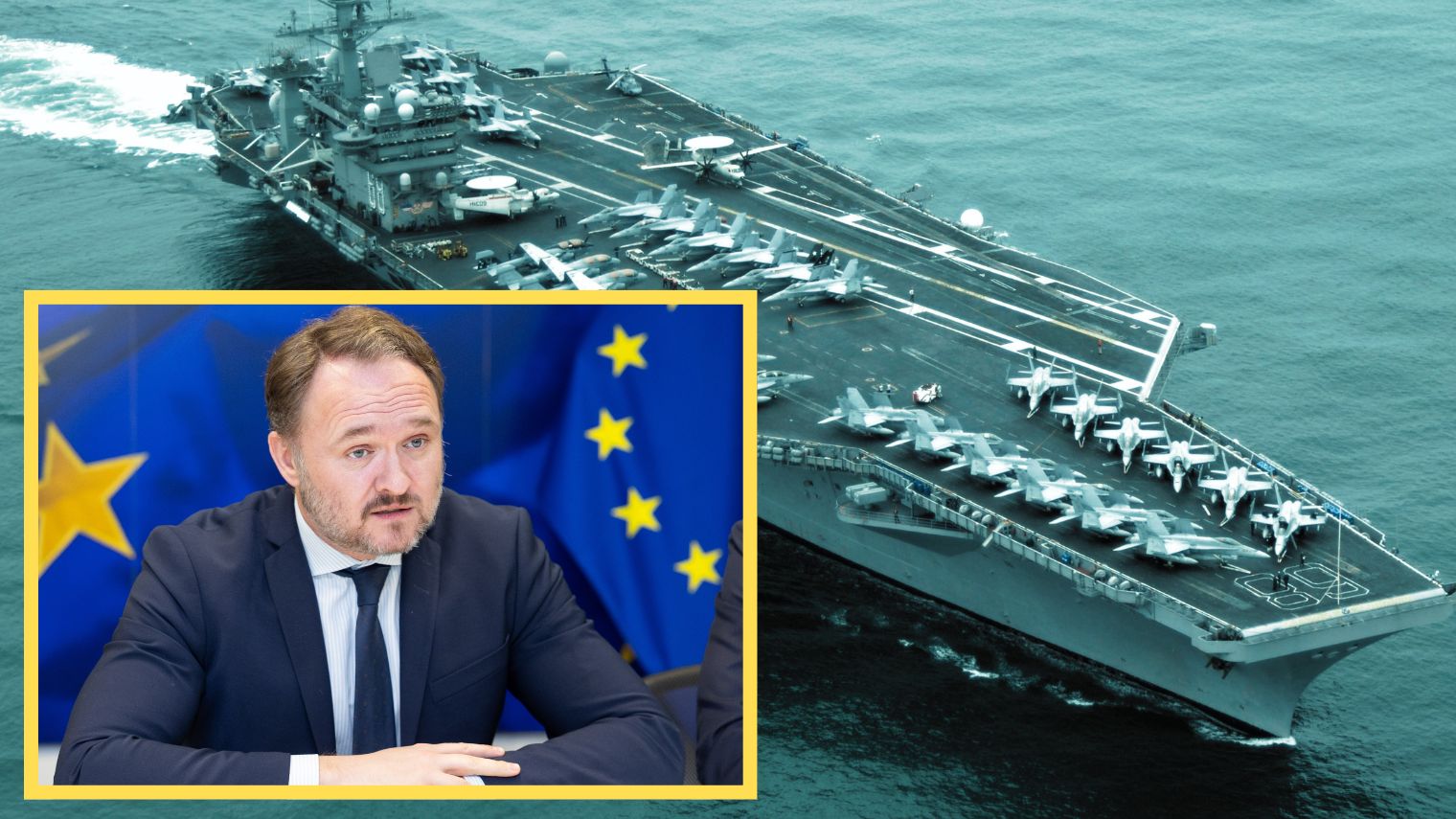
The EU is preparing for a prolonged energy shock as a consequence of the conflict in the Middle East. At the same time, the union is considering measures such as rationing and releasing oil from strategic reserves to mitigate the effects.
EU Energy Commissioner Dan Jørgensen warns that the energy market faces an extended period of high prices and uncertainty.
“This is going to be a long crisis… energy prices will be higher for a very long time,” he says in an interview with Financial Times.
He specifically points out that certain more critical products risk being even more affected in the short term.
“For some more critical products, we expect it to get even worse in the coming weeks.”
The conflict is driving up prices
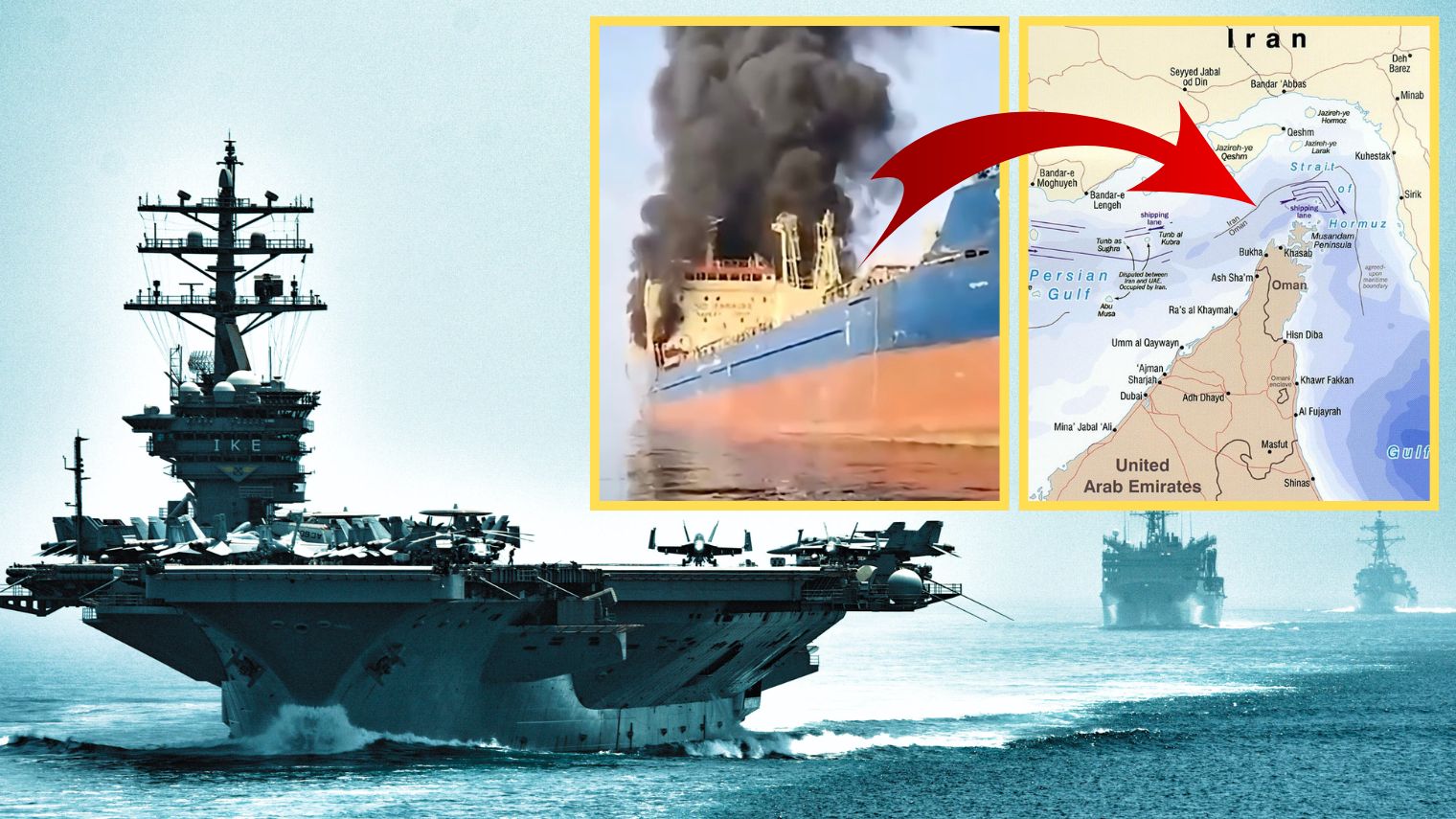
The increased worries in energy markets are closely linked to developments in the Middle East. Nearly closed transport routes through the Strait of Hormuz and attacks on energy infrastructure in the Persian Gulf have caused significant disruptions.
READ ALSO: Trump: “To be honest – my favorite thing is to take the oil in Iran”
This has led to rising prices and growing concern about long-term supply problems.
“The rhetoric we are using now is more serious than earlier in the crisis. Our analysis is that this will be a prolonged situation and countries must make sure they have what they need,” says Jørgensen.
EU prepares crisis measures
Even though the EU is not yet in an acute supply crisis, the Commission is working on contingency plans to handle longer-term consequences. Among the measures being considered are fuel rationing and further withdrawals from strategic oil reserves.
“We are preparing for the worst-case scenarios, even if we are not there yet. It is better to be prepared than to regret it,” says Jørgensen.
Risk of broader economic effects
The energy shock is noticeable not just in Europe but :censored:6:cdd6bbaa89:ly. Higher energy prices risk pushing up inflation and slowing economic growth.
READ ALSO: Chief Economist: The Iran war could hit the economy hard
At the same time, governments are being forced to consider support measures for households and businesses, and in some cases, in the absence of clean nuclear power, dirty coal power is being brought back into use to secure the energy supply.
Jet fuel in focus
The aviation sector is identified as particularly vulnerable, with the supply of jet fuel becoming a growing concern. The question has been raised whether the EU might consider easing regulations to allow increased imports from the USA, or permit more ethanol blending in vehicle fuel.
Jørgensen says that we are not there yet, where we would change any of the current rules. At the same time, he does not rule out future steps in that direction.
“We are looking at all possibilities and it is clear that the more serious the situation becomes, the more we will need to consider legislative tools.”
Strategic reserves may be used again
EU countries recently participated in the largest joint withdrawal from strategic oil reserves in history, aimed at curbing the rise in prices. Another such measure could become relevant.
READ ALSO: Trump’s anger as Israel bombs gas field in Iran: “We knew nothing”
Jørgensen does not rule out further withdrawals but stresses that the timing must be right.
“It has to be done at exactly the right moment and it must be proportionate.”
No change regarding Russian gas this year
When it comes to importing Russian liquefied natural gas (LNG), the EU signals no change in regulations this year. Instead, Jørgensen points to increased imports from other suppliers, such as the USA, as a possible way forward.
“That is acceptable because they operate in a free market.”