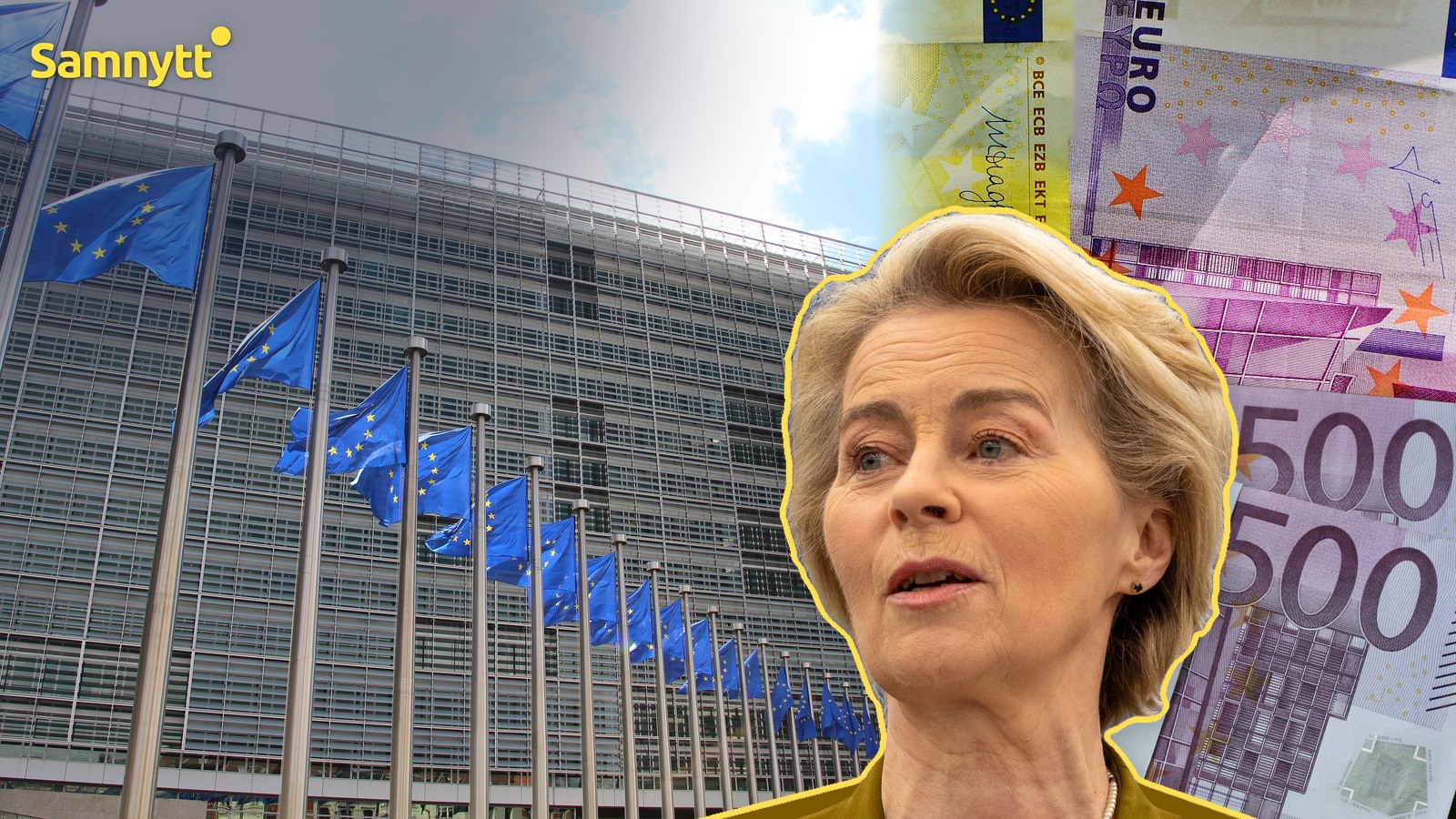
The EU’s debt is expected to hit around €1 trillion as soon as next year, five times the union’s annual budget. In just one year, it rose by more than 20 percent, reaching €738.9 billion by the end of 2025. Interest payments alone on the grants portion of the Covid recovery fund could cost €93 billion from 2028 to 2034, and now the EU’s own auditors are issuing warnings.
The Commission has increasingly turned to capital markets to finance large programs, says Sweden’s representative to the European Court of Auditors, Hans Lindblad, to Affärsvärlden.
The warning comes as negotiations on the EU’s long-term budget for 2028–2034 enter a decisive stage.
The President of the Court of Auditors, Tony Murphy, told the Irish Times that there is a worrying tendency to think of the joint loans as virtual money.
These are real debts that member states will ultimately have to pay, and rolling them forward only postpones the problem. Repayments are expected to consume about eight percent of the proposed long-term budget.
Supposed to be a one-off measure
The EU’s treaties are based on a balanced budget, and the union long avoided borrowing to fund expenditures. When the NextGenerationEU recovery fund was launched in summer 2020, it was described as a temporary and exceptional measure to deal with the pandemic.
At the time, Sweden was among the so-called ‘frugal’ countries—alongside the Netherlands, Austria, and Denmark—which wanted support to be provided as loans rather than grants. The compromise, however, was a fund where a large part was distributed as grants to be jointly paid back by the EU until 2058.
Since then, joint borrowing has continued. For example, this February a new loan of up to €90 billion to Ukraine was decided, financed through margins in the EU budget, according to the Commission’s own forecast.
New EU taxes to pay the bill
From 2028, the Commission proposes setting aside €24 billion per year for interest and repayments on the grant portion of the Covid recovery fund, a total of €168 billion during the budget period. To cover this and increase the budget to almost €2 trillion, the Commission wants five new own sources of income for the EU.
According to the Commission’s proposal, a portion of revenue from emissions trading and the new carbon border tax (CBAM) would go directly to Brussels. In addition, there would be a fee on electronic waste, a share of tobacco taxes, and an annual fee (CORE) from all companies selling in the EU with a turnover of at least €100 million. In total, these are expected to bring in about €44 billion per year.
Without new income sources, the debt would have to be paid with higher member state fees or cuts in EU programs. Therefore, the cap on what the EU can collect from member states is set to rise to 1.75 percent of the EU’s total gross national income.
The Commission defends the borrowing. According to the Commission, the Covid recovery fund played a crucial role in a joint crisis response, the EU will always repay its debts, and today the union is the fifth-largest issuer in Europe’s capital market. The Court of Auditors also does not conclude that the EU has problems with its ability to pay, but warns about the rapid pace of debt increase, reports Euronews.