INTERVIEW • For decades, Bo Theutenberg worked at the heart of Swedish foreign policy, including alongside former Prime Minister Olof Palme. Today, he sees a world where old power balances have been broken and ideological conflicts have once again become decisive. In an exclusive interview with Samnytt, he warns about the political influence of Islamism, questions the functionality of the UN system, and links the developments in Europe to the Iranian revolution and the legacy of the Cold War.
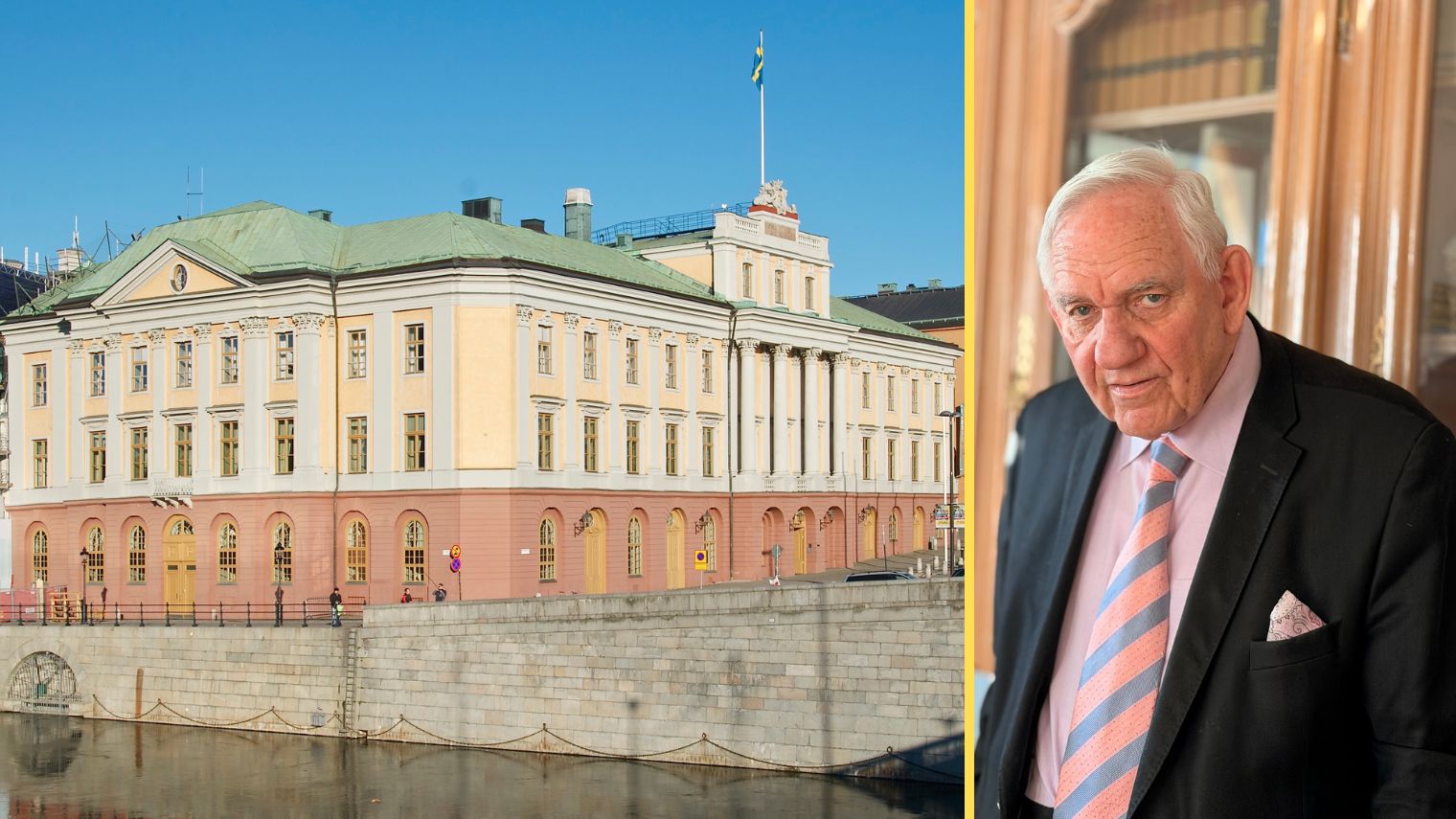
Bo Theutenberg is a lawyer and professor of international law with a long career in Swedish foreign service. For several decades, he was active at the Ministry for Foreign Affairs, where he served as State Secretary and as an expert in international law, with close ties to political leadership and responsibility for complex issues of international law, security policy, and border demarcations.
At the same time, he also had a military background as a major in the air force and was involved in matters connected to Sweden’s defense and intelligence cooperation during the Cold War. His professional life has thus moved at the intersection of diplomacy, academia, and security policy. He tells Samnytt:
– The unique thing was that I served in parallel both at the MFA and the Defense Staff, so when we had all those submarine incidents in the 1970s and 80s, I could walk between the Commander-in-Chief and the MFA. I had first-hand information from both places, so to speak.
After his time at the MFA, Theutenberg continued as an author and commentator, with an extensive body of work on Swedish foreign policy, the development of international law, and the power games of the Cold War.
They supported Lenin, they supported Castro and Che Guevara, they supported Mugabe, and they supported Khomeini. The Swedish aid to various revolutions in Africa and Latin America since the 1950s has in total come to an incomprehensible 3,500 billion kronor, from Swedish taxpayers to some kind of ideological aid to these countries. And now we ourselves are impoverished.
Bo Theutenberg
In his memoirs and analyses, he addresses, among other things, the relationship between Sweden and the superpowers, the practice of neutrality policy, and the ideological conflicts that defined Europe during the second half of the 20th century.
He has also engaged with contemporary issues regarding the international legal order and geopolitics, where he often places today’s conflicts in a longer historical perspective.
You have watched over Sweden’s borders your whole life, both as a military man and as a diplomat. How do you see the current tendency to regard national borders as unnecessary or bad?
– The entire concept of sovereignty, which I actually earned my PhD on in 1972, is built on the existence of states and borders. And borders are, so to speak, unyielding, they are sacred, sacrosanct as it’s called. He continues:
– If you violate a border, at least historically, it was casus belli, a cause for war.
Previously, all political parties in Sweden were probably united on at least one thing – that Sweden should remain a nation. What really happened?
– In my view, it’s infiltration from the east. There are two ways to conquer a country. One is militarily, the other is through infiltration. In Sweden, it was much about finding people with the right inclination within the press corps, mass media, so-called peace movements, and other institutions.
As for national borders, international law, and the UN Security Council, the conversation turns to recent events in Iran, where the US and Israel have attacked the theocratic state. But first, some background.
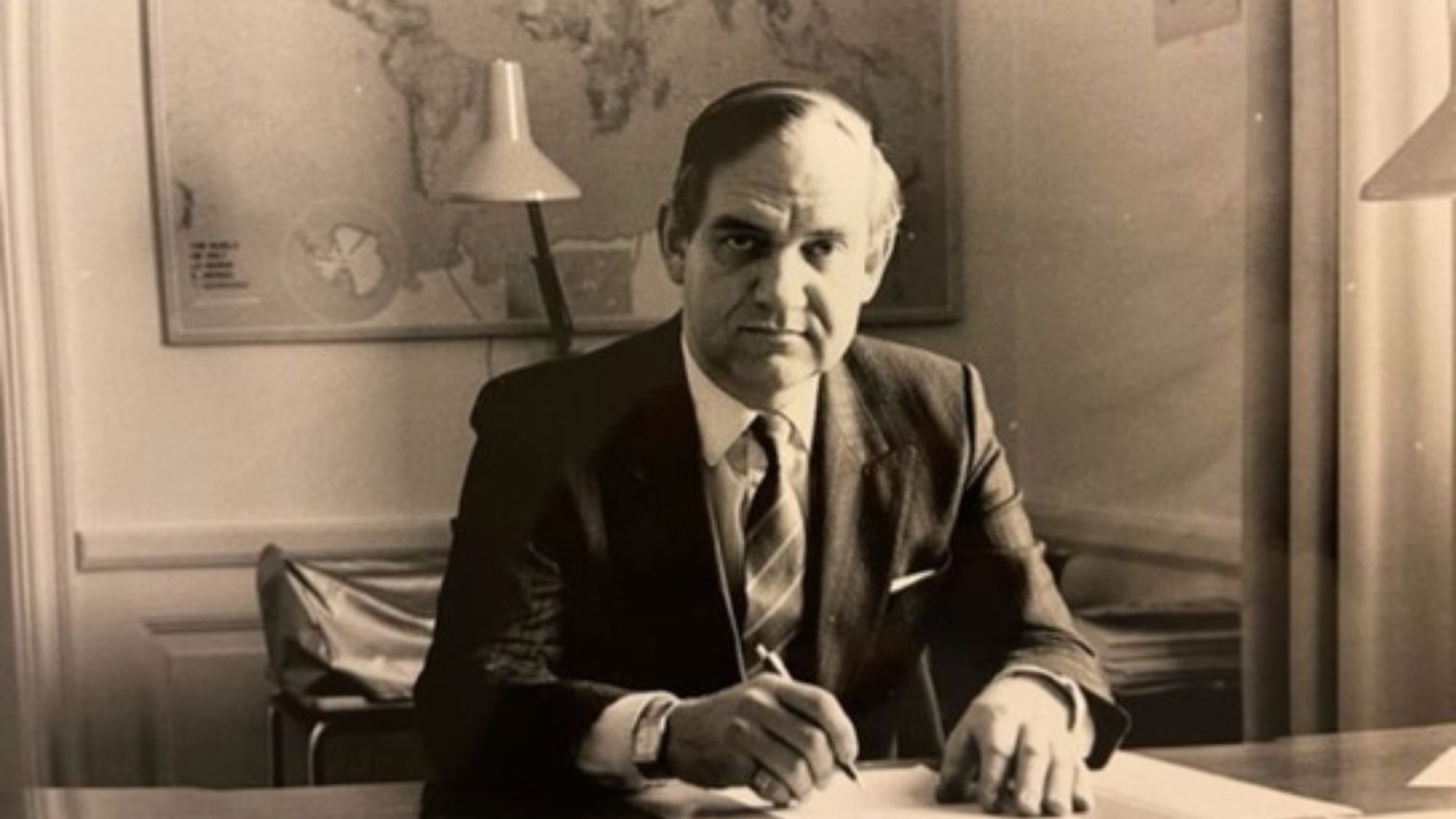
The Iranian Revolution as a Historic Turning Point
The Iranian revolution in 1979 marked the end of Iran’s centuries-old monarchy and led to the overthrow of Shah Mohammad Reza Pahlavi after a period of mass protests, strikes, and political upheaval.
If the UN Charter and Security Council now absolutely do not work, because Putin, who sits on the Security Council, is himself the aggressor, then you have to ask what kind of international law we really have. And in Iran there appears a complete break in perspective between the Khomeinist – that one day Islam shall prevail – and our understanding of international law, that you cannot attack other states.
Bo Theutenberg
The revolution resulted in the declaration of the Islamic Republic, led by the former Ayatollah Ruhollah Khomeini, who established a theocratic government in which religious institutions held decisive political power.
Propaganda around the Shah’s authoritarian rule, social injustices, and perceived foreign dominance over the country’s economy contributed to the mobilization of broad popular layers—from Islamist groups to left-wing organizations—making the revolution a crucial turning point in Iran’s modern history and the entire Middle East’s political development.
READ ALSO: Trump: Does not rule out invading Iran with ground troops
Bo Theutenberg believes the conflict in Iran, and by extension the broader development in the Middle East and Europe, is ultimately an ideological opposition between different views of the world order.
He describes how the Shiite revolution of 1979 established a theocratic state where religious legitimacy and political power merge, and where there—according to his interpretation—exists a belief that Islam will eventually triumph over the rest of the world.
This stands in contrast to the Western tradition of international law, which is built on state sovereignty, territorial integrity, and a principled prohibition of wars of aggression.
To the extent that Trump and Israel succeed in defeating the clerical regime in Iran, and to the extent that the Israel-friendly crown prince of the Pahlavi dynasty establishes himself as the new ruler in Iran, well, you can expect a new Middle East based on the Abrahamic principles and agreements—precisely what now applies between Israel and the Gulf States.
Bo Theutenberg
Theutenberg believes this ideological dimension makes the conflict more complex than just a question of geopolitical interests or regional power balance. He highlights Iran’s role as a supporter of various armed actors in the region, describing this as part of a broader strategic pattern where religious and political ambitions coincide according to his analysis.
READ ALSO: Intelligence chief confirms: Trump is right about Iran’s nuclear threat
In this context, he also emphasizes that Western states’ actions—including military interventions—must be understood against the background of what he perceives as long-term security threats linked to nuclear weapons development and ideological expansion.
HALF PRICE ON SUBSCRIPTION
The subscription runs until the election
Stop for a moment!
Hundreds of thousands read Samnytt every week—but only 1 in 100 contribute. Help us continue to deliver investigative and in-depth reports that show more of reality.
Without your support, there is no Samnytt.
You can now subscribe for half price—the subscription is valid until the election. An easy way to save money and support independent journalism.
123 083 33 50
Swish any amount
Thank you for reading and supporting Samnytt
“The UN is Practically Dead”
At the same time, he connects this reasoning to the changed status of the international legal order. He argues that the authority of the UN system has, in practice, been eroded by the actions of great powers, especially pointing out that a permanent member of the Security Council—Russia under Vladimir Putin—according to him has violated the order the Council is supposed to uphold through its actions in war.
And it can hardly be right or legal to maintain this regime in Iran.
Bo Theutenberg
– If the UN Charter and Security Council now absolutely do not work, because Putin, who sits on the Security Council, is himself the aggressor, then you have to ask what kind of international law we really have. And in Iran, there’s a complete break in perspective between the Khomeinist—that one day Islam shall prevail—and our concept of international law, that you must not attack other states, he tells Samnytt.
READ ALSO: UN criticizes the Tidö government’s stop-and-search zones: “Racial discrimination”
Should the UN be dismantled today?
– Yes, the UN is practically dead. It no longer functions as a keeper of world peace or a promoter of friendly relations between states. He continues:
– Even within those UN groups supposed to deal with human rights issues, many of those we would call rogue states are present. Ultimately, it becomes a question of morality and law. Governments and people must themselves judge what is right and just. He elaborates:
– And it can hardly be right or legal to maintain this regime in Iran.
READ ALSO: Opinion: Replace the UN with an organization for democracies
In his analysis, this opens the way for a return to older legal paradigms where states’ right to self-preservation and preventive defense are given greater importance.
In the interview, Bo Theutenberg clearly expresses the view that the military actions the US under Donald Trump and Israel are directing at Iran can be justified on the basis of international law as the right of states to self-preservation.
He argues that the threat from Iran’s nuclear ambitions and its support for armed actors in the region creates a situation where preventive strikes, in his interpretation, may be seen as legitimate defense in a world where the UN system no longer functions as a guarantor for security and peace.
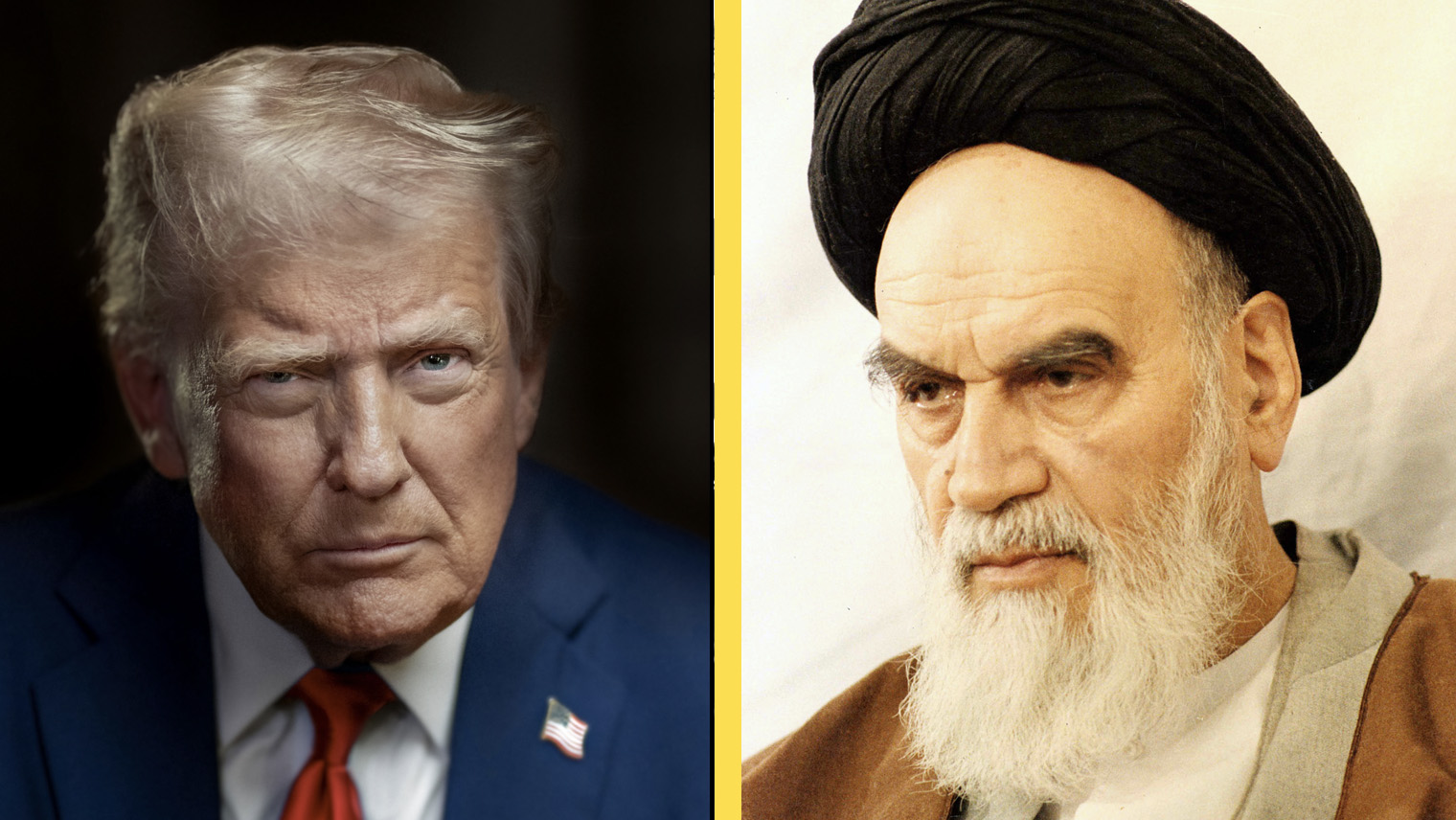
– To the extent that Trump and Israel succeed in defeating the clerical regime in Iran, and if the Israel-friendly crown prince of the Pahlavi dynasty manages to establish himself as the new ruler in Iran, then you can expect a new Middle East based on Abrahamic principles and agreements—just as now applies between Israel and the Gulf States.
READ ALSO: Trump: NATO countries must help in Iran—or a very bad future awaits
Would this then change the entire Middle East?
– It would change not only the Middle East but international law altogether. You would have cleared away the entire Islamist jihadist doctrine. It would have failed.
What do you think are the chances of success? Iran is a large country with 90 million people.
– Iran is a large country, but on the other hand, if Trump is determined to liberate a people from its tyrants and a 50-year hellish dictatorship—if this is his intention—and he were to lose the war, it would be one of the biggest failures in world history. He elaborates:
– And I never think, with Trump’s temperament and views, that he will allow it to happen. I don’t think he wants that written in the history books. Nor would Israel allow itself to lose in this context. Both are dependent on the liberation of Iran’s people from the clerical regime.
READ ALSO: Iran’s new Ayatollah promises to open “other fronts” against the Western world
“Europe Has Ended Up in the Worst of Worlds”
When the conversation shifts from the Middle East to Europe and Sweden, Bo Theutenberg describes a development which, according to him, cannot be understood without being placed in a broader historical perspective. He believes the revolution in Iran became an ideological turning point, not only regionally but also for how political movements in the West came to relate to Islamic and revolutionary projects elsewhere in the world.
We are currently living within the Islamist, jihadist power constellation that I have always warned Khomeini was spreading. Europe has ended up in the worst of worlds.
Bo Theutenberg
– We did not need to end up in this situation with Islamism in Sweden if it were not for the fact that the Social Democrats loved the revolution in Iran in 1979. But Pierre Schori loved revolutions wherever they occurred. He continues:
READ ALSO: On This Too We Must Tell—The KGB embrace
– They supported Lenin, they supported Castro and Che Guevara, they supported Mugabe, and they supported Khomeini. Swedish aid to various revolutions in Africa and Latin America since the 1950s has in total come to an unfathomable 3,500 billion kronor, from Swedish taxpayers to some kind of ideological aid to these countries. And now we ourselves are impoverished. He continues:
– What has happened is shocking. Instead of this money going to raise the knowledge and dignity of populations, we have ended up with an army of illiterates who moved here and who never benefited from the aid money.
READ ALSO: A Social Shift No One Voted For—Concrete Traces of Islamization in Sweden
Several leaders in Muslim countries have banned the Muslim Brotherhood and warned about Islamic radicalization in the West, how would you comment on that?
– Exactly, it has become so that radical Islamism, i.e., political Islam, through various generous migration and citizenship regulations—which are absolutely appalling—has managed to enter Europe and here infiltrated state structures, not least here in Sweden. We have, indeed, close to two million Muslims who have arrived here just in the last decade. Theutenberg continues:
READ ALSO: UAE stops scholarships for studies in the UK—concern over Islamist radicalization on campus
– We are currently living within the Islamist, jihadist power constellation that I always warned Khomeini was spreading. Europe has ended up in the worst of worlds.
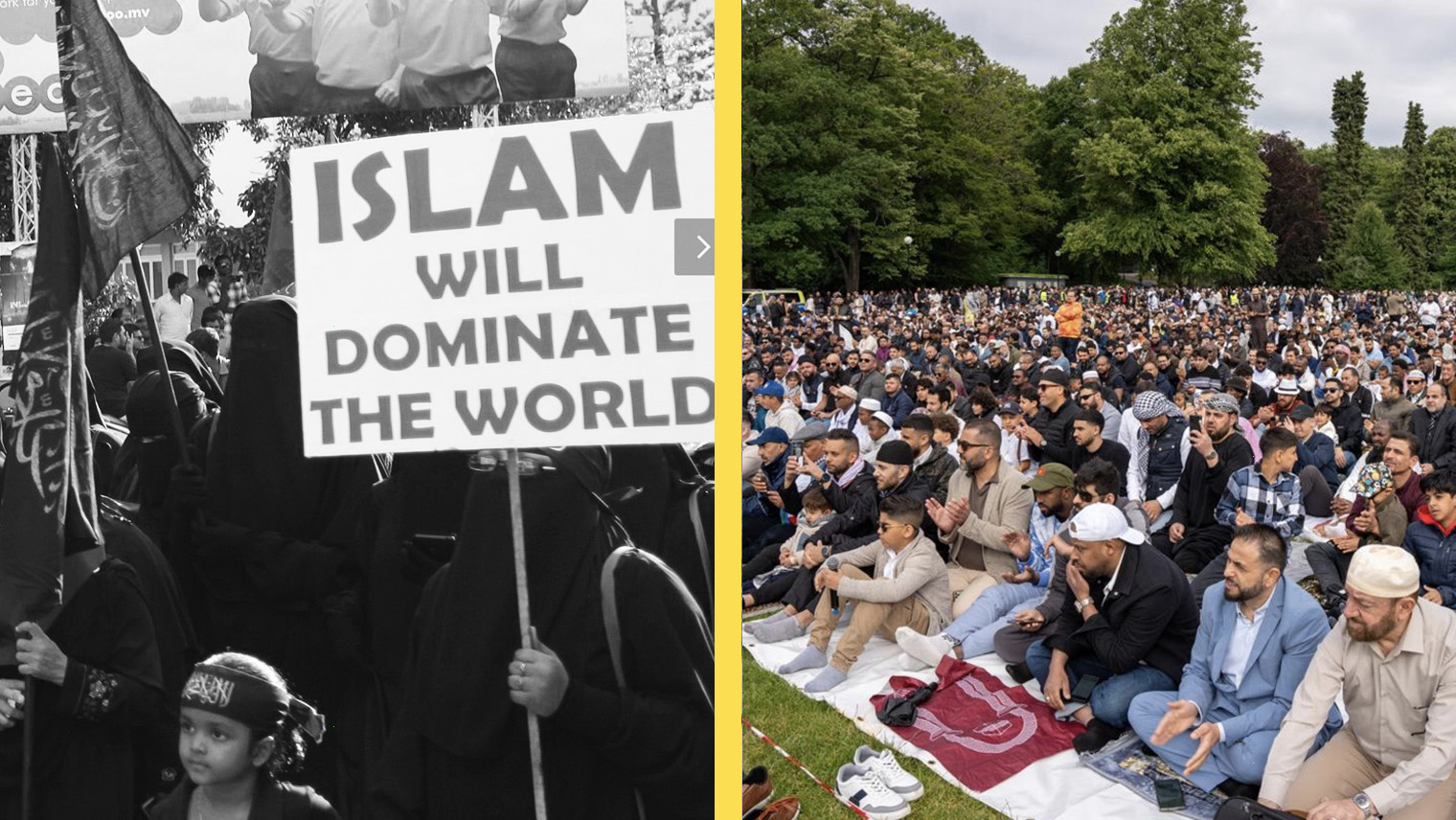
The conversation turns to Islamic blasphemy laws and developments in the UK. Bo Theutenberg notes there are now Muslim lords in the House of Lords, alongside many Muslim mayors in the bigger cities.
READ ALSO: Hijab woman becomes mayor in the UK
What is your view of the development?
– Already in the 70s, when I wrote my books about Islam, I warned about exactly this. This is what is going to happen.
At the same time, he returns to the question of the state’s legal order and religion’s role in society. According to him, the state ought to have been more active in ensuring that Swedish law always prevailed legally.
– My old proposal, once upon a time, was that perhaps Sweden should have established imam schools and forced Swedish law always to take precedence in all legal contexts. In the judiciary’s review, it would have to apply that Swedish law was superior to sharia.
READ ALSO: Social Democrats Highlighted in Report on European Islamization
Theutenberg believes Sweden’s historic experience of religious conflict has been limited compared to other European countries, which in his view contributed to the state being less prepared to handle new religious and political challenges.
He refers to the way constitutional rules in both Sweden and the UK still bear marks of old religious conflicts between Catholics and Protestants.
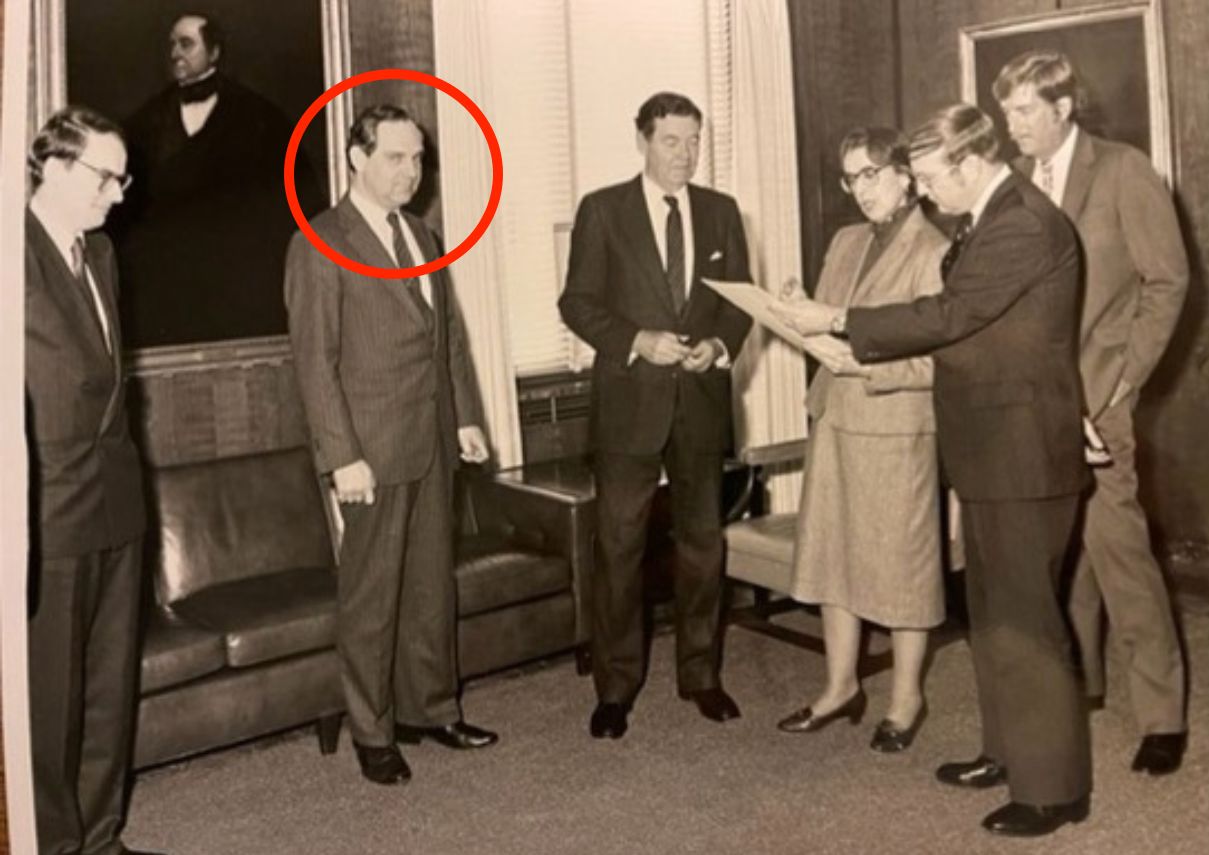
When the conversation comes to the present, he describes a Europe where historical experiences affect how different states view migration, security, and political cooperation.
He particularly points out that countries in Central and Eastern Europe, who lived under Soviet dominance, according to him have a different perspective on national sovereignty than what has developed in Western European countries.
– Sweden has taken its freedom for granted. The countries that lived under Soviet bayonets value it in an entirely different way, he says.
In this perspective, Theutenberg also ties current migration and integration issues to what he perceives as a deeper ideological change in Europe.
He argues that the political dimension of Islamism has long been underestimated and that religious motives in some cases have become more significant in international politics than Western decision-makers have been willing to acknowledge.
READ ALSO: Police: The Islamization of Sweden has been ongoing for 30 years
Social Democracy, Foreign Policy, and the Ideological Line
In the interview, Theutenberg also expands on broader thoughts about Swedish foreign policy during the postwar period and the role he believes Social Democratic governments have played in shaping Sweden’s international position.
While publicly criticizing the US and the West, they ensured that the military channels to NATO remained open. It was a double game that many have not understood.
Bo Theutenberg
He describes a period where ideological conflicts within the foreign administration, in his view, had practical security policy consequences.
– We did not have this kind of political infiltration earlier, but we got it with the left-wing clique starting in the early 1960s, he says, mentioning names like Pierre Schori, Jan Eliasson, and other diplomats who according to him shaped foreign policy for a long time.
READ ALSO: ‘Iran-hugger’ Jan Eliasson (S) wants to ban Qur’an burning: “Obvious crimes”
He argues that this development coincided with a changed view on disarmament, international solidarity, and relations with both the USA and the Soviet Union. At the same time, he emphasizes that Swedish political leadership, in his view, pursued a more complex policy than is often portrayed in hindsight.
– While publicly criticizing the US and the West, they ensured that military channels to NATO were open. It was a double game that many have not understood, he says.
He also identifies Olof Palme as far more pro-Western than people knew or understood.
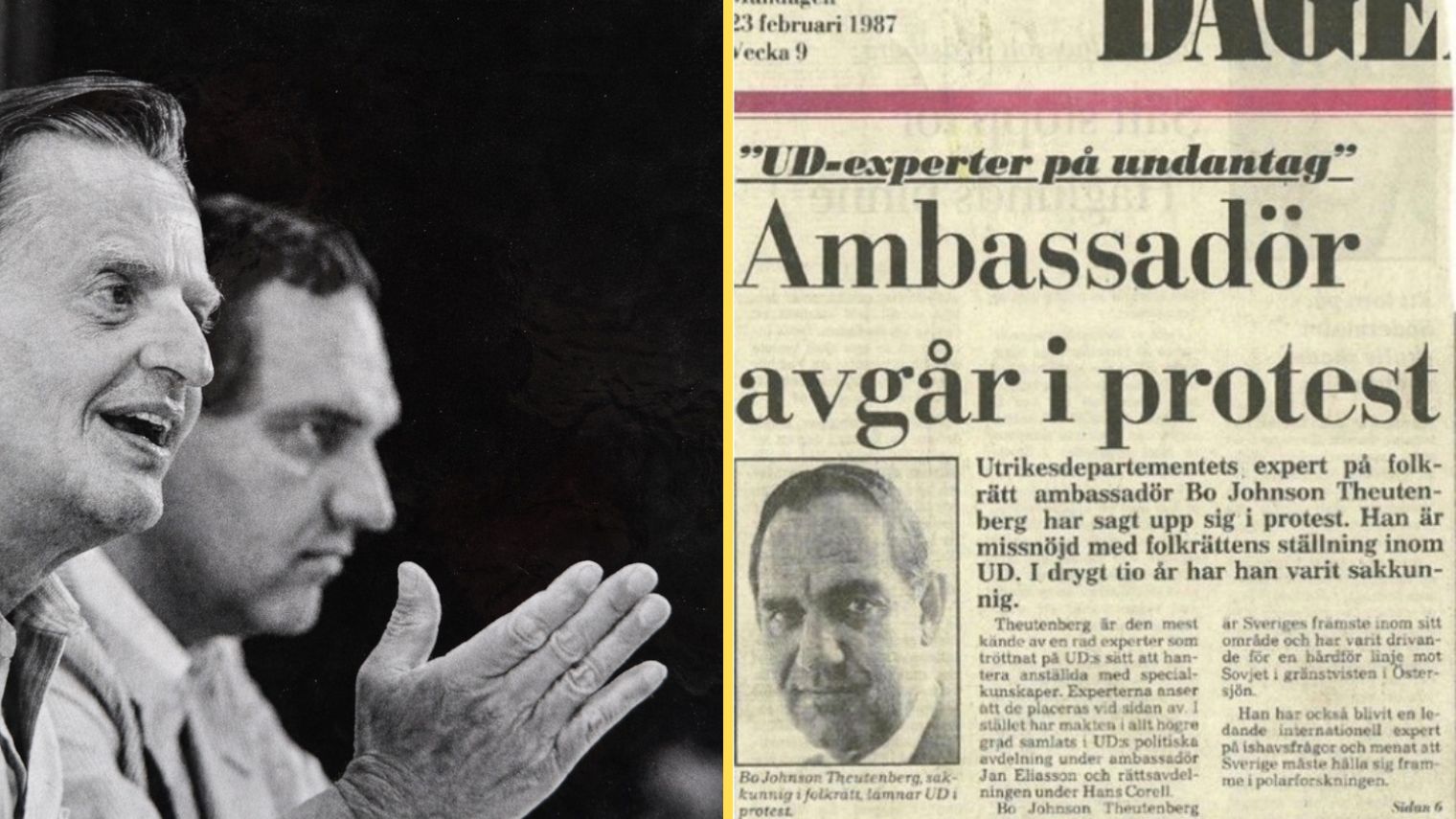
Theutenberg connects this to broader questions about ideological influence and political strategy during the Cold War. According to him, it was not just about traditional diplomacy, but about competing worldviews where issues of security, sovereignty, and political legitimacy were central.
READ ALSO: Former UN top official Jan Eliasson greets from Danderyd: My dog wants more refugees for Sweden
He also says the prospects do not look particularly bright ahead of this autumn’s election.
What happens if we get a left-wing government again after September?
– Then we are back to infiltration again. They find agents who over time are locked into certain positions, offices, and reciprocal arrangements—we can call them influence agents. You buy or bribe your way into the press corps first and foremost.
He mentions how East Germany (DDR) became both a talked-about and appreciated socialist experiment within the Social Democrats, and how even Magdalena Andersson (S) traveled there to learn German—and how journalists like Jan Guillou, who later got involved in the IB affair, operated in contexts where DDR’s influence on media and opinion was discussed.
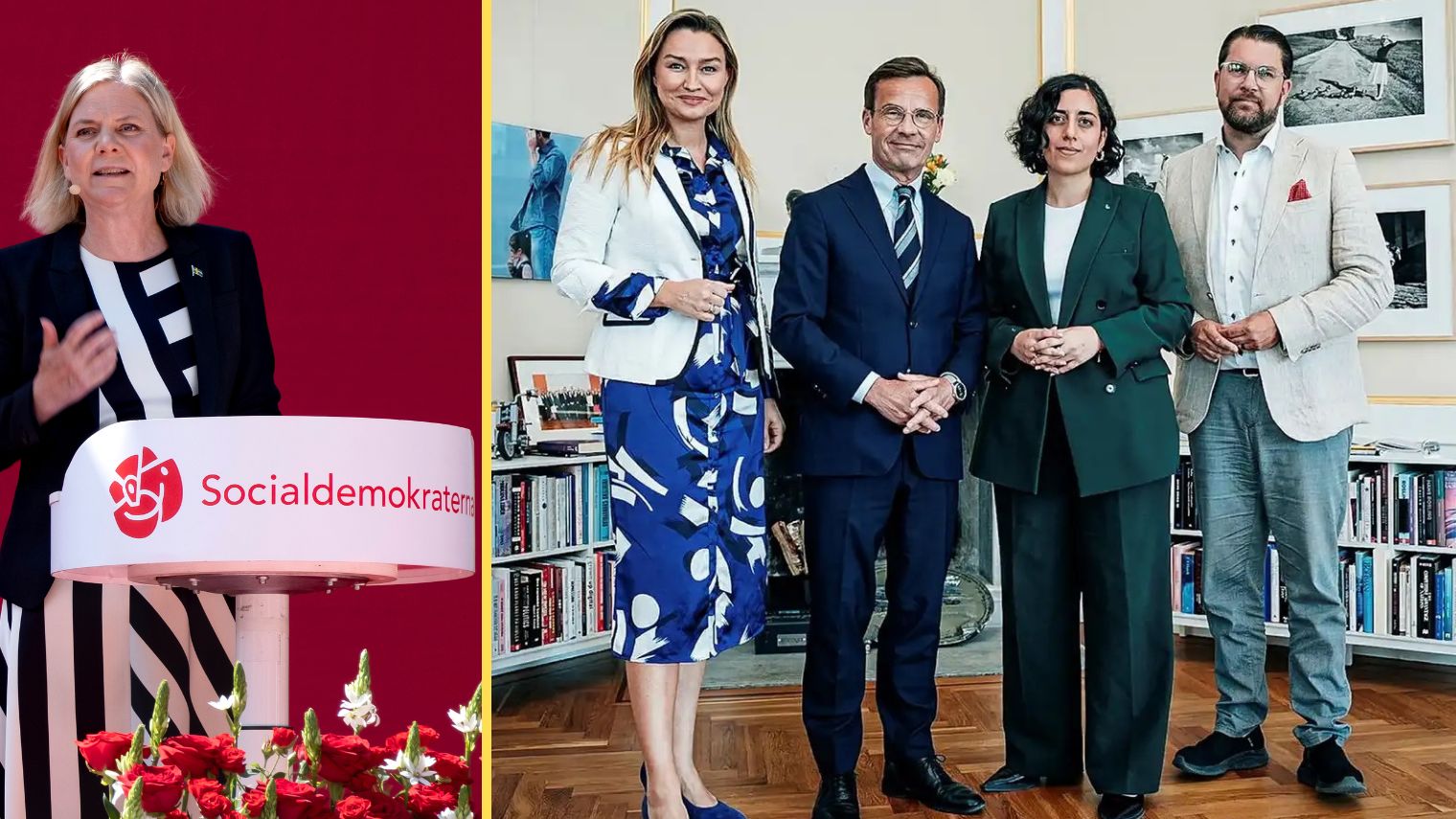
Theutenberg maintains that many Swedish Social Democrats strove to turn Sweden into a DDR republic—and that it is this, too, that is at stake in the coming election, although now it is more about Islamist infiltration.
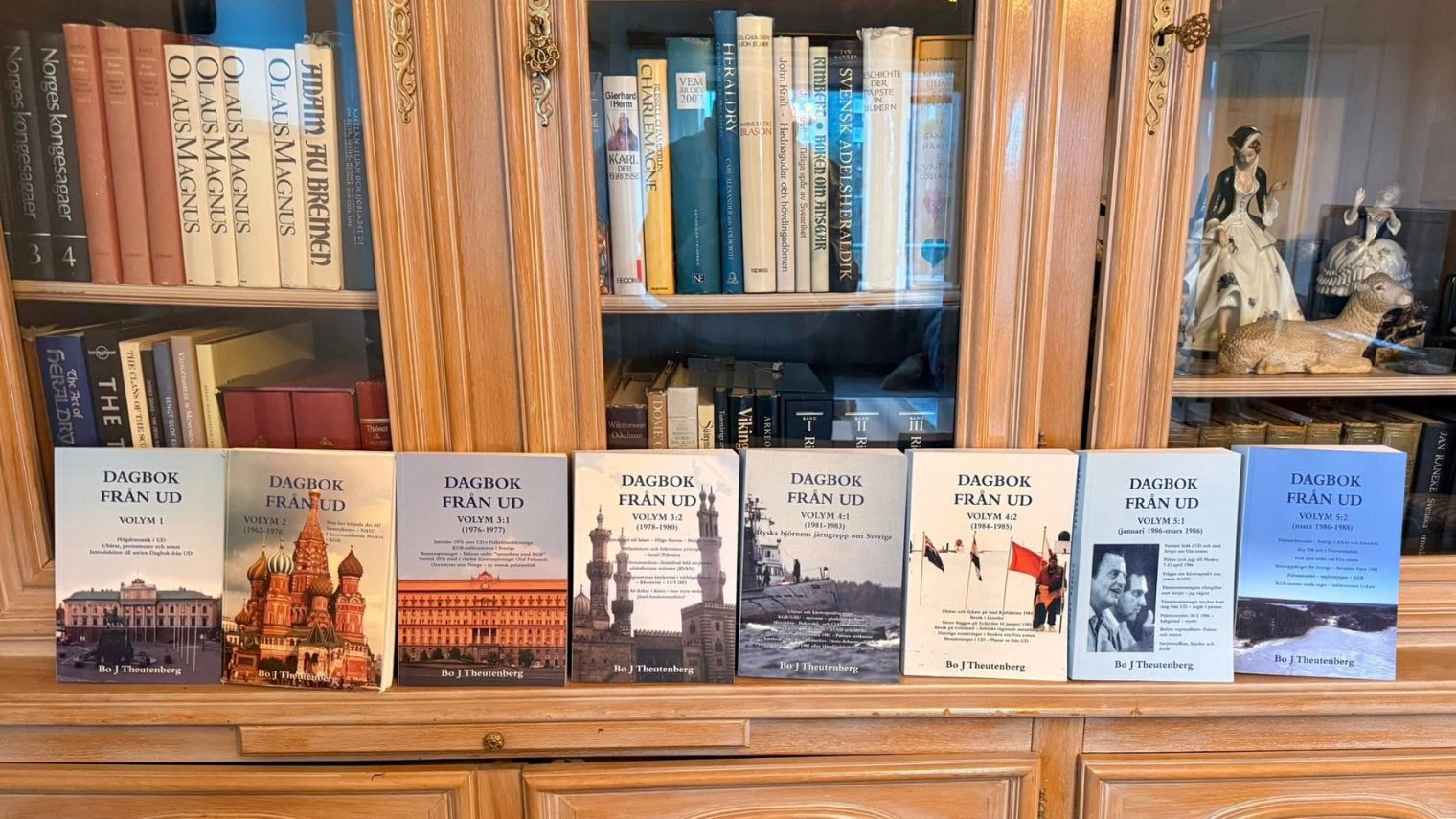
Theutenberg describes these and other experiences in his eight-volume series published under the title Dagbok från UD (Diary from the MFA). Those interested in reading more by Bo Theutenberg can find his book series about his years at the MFA here or in bookstores.
For Theutenberg, development is ultimately about the direction of civilizations and the survival of states at a time when old power balances have collapsed. The Iranian revolution, the rise of Islamism, and changes in the international legal order are, in his analysis, part of a greater historical transformation.
According to him, what is now taking place could be decisive for how the relationship between ideology, religion, and state power will look in the world for a long time to come.
HALF PRICE ON SUBSCRIPTION
The subscription runs until the election
Do you appreciate Samnytt?
Hundreds of thousands read Samnytt every week—but only 1 in 100 contribute. Help us continue to deliver investigative and in-depth reports that show more of reality.
Without your support, there is no Samnytt.
You can now subscribe for half price—the subscription is valid until the election. An easy way to save money and support independent journalism.
123 083 33 50
Swish any amount
Thank you for reading and supporting Samnytt