Northvolt’s bankruptcy made the Swedish people poorer, and many argue that the state should exercise particular restraint in investing in obviously risky business projects. Despite this, the Green Party now wants to scale up efforts on the green transition. The party wants to invest SEK 100 billion annually in railways, the power grid, public transport, wind power, and “industrial investments that reduce emissions.”
The Green Party is concerned that the Northvolt bankruptcy will lead to fewer efforts in the green transition and argues that the state must dare to get involved in larger industrial projects. These can involve large-scale industrial initiatives where technological leaps are either “too expensive” or “too uncertain” for the market to bear the costs alone.
READ MORE: After the Northvolt Fiasco: The Green King Returns to the Battery Industry
“The alternative is that nothing gets done, and that is much more dangerous,” says Janine Alm Ericson, the Green Party’s economic policy spokesperson, to Affärsvärlden.
The industrial projects the Green Party refers to range from support for heavy industry that wants to “convert its energy use” to new tax credits where companies that “manage to reduce their emissions” get back part of their investment via tax funds.

Asked how the Green Party will ensure this does not result in a new Northvolt fiasco, Ericson (MP) responds:
“You have to weigh that cost against not doing the projects at all. Of course, it would be good if the state only got involved in things that succeeded, but it has never worked that way.”
READ MORE: Green Multi-Billion Fiascos Drain the Pension System – Criticism of the AP Funds’ Investments Grows
Asked whether there is an obvious risk of building up companies that rely on subsidies instead of viable businesses, Ericson (MP) admits it is certainly a risk, and that business-like assessments must be made and taxpayers’ money handled with care. But she continues that the transition is so important that it is worth investing – even if losses sometimes occur.
More Wind Power Is the Key
For the Green Party’s economic calculations to add up, they believe a rapid and strong increase in electricity production is necessary. Here, wind power, solar power, and other forms of “green base load” are the main paths forward.
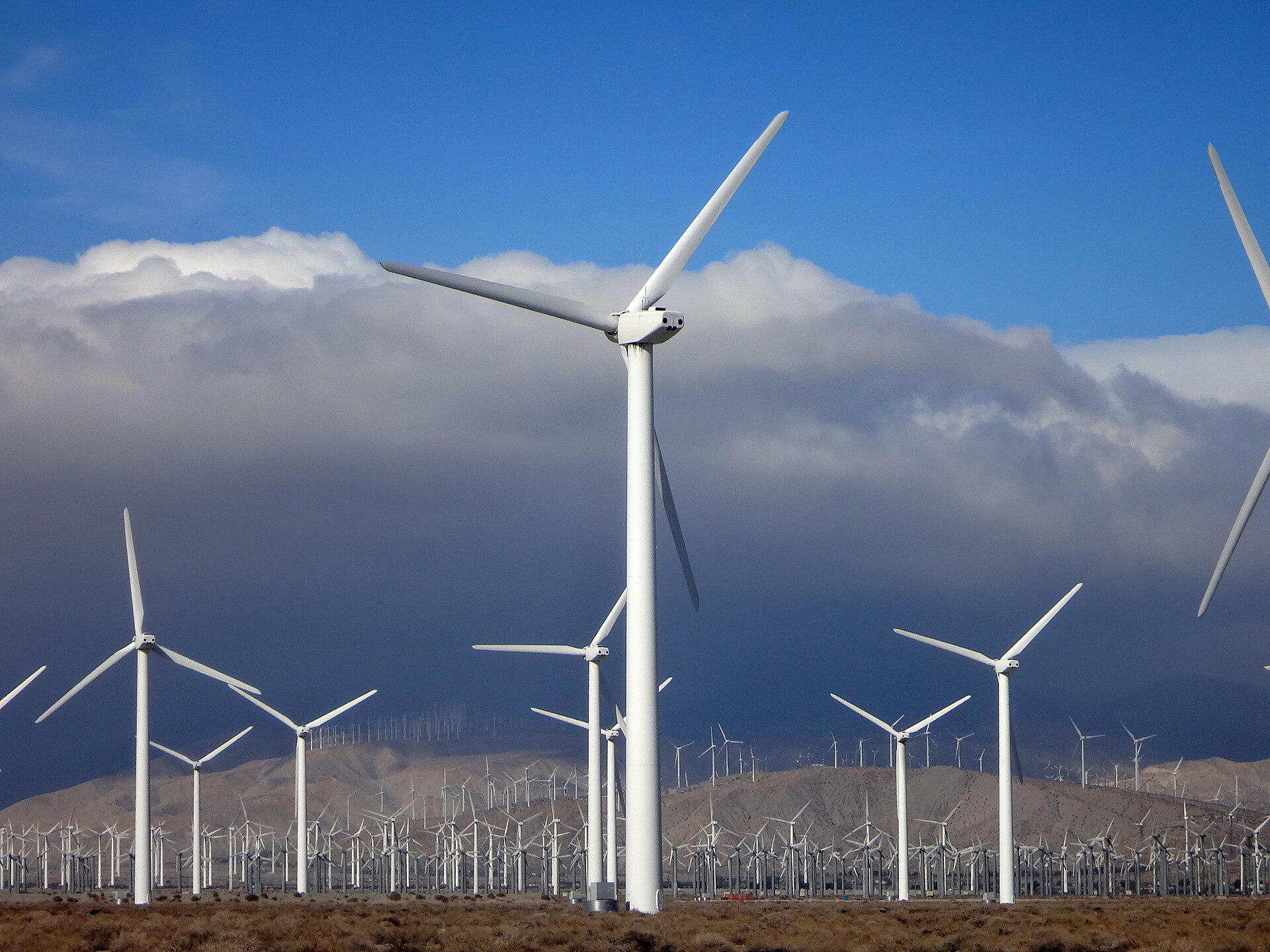
They also believe the municipal veto has long “slowed down the expansion of onshore wind power” and the party therefore wants to require municipalities to issue decisions much earlier in the process.
“As it stands now, the veto comes very late. By then, the companies have already spent a lot of money on project planning and permits, and then it’s a no in the end,” says Janine Alm Ericson (MP).
They also argue that the government’s nuclear power policy is a “red flag,” unnecessarily expensive and far off in time.
On the point that wind power also requires state funding, making it comparable to nuclear investments, Ericson (MP) responds:
“It’s about much smaller efforts than getting into large state-funded nuclear power projects.”
READ MORE: Green Party: Wind Power Is Great – But Not in Our Backyard