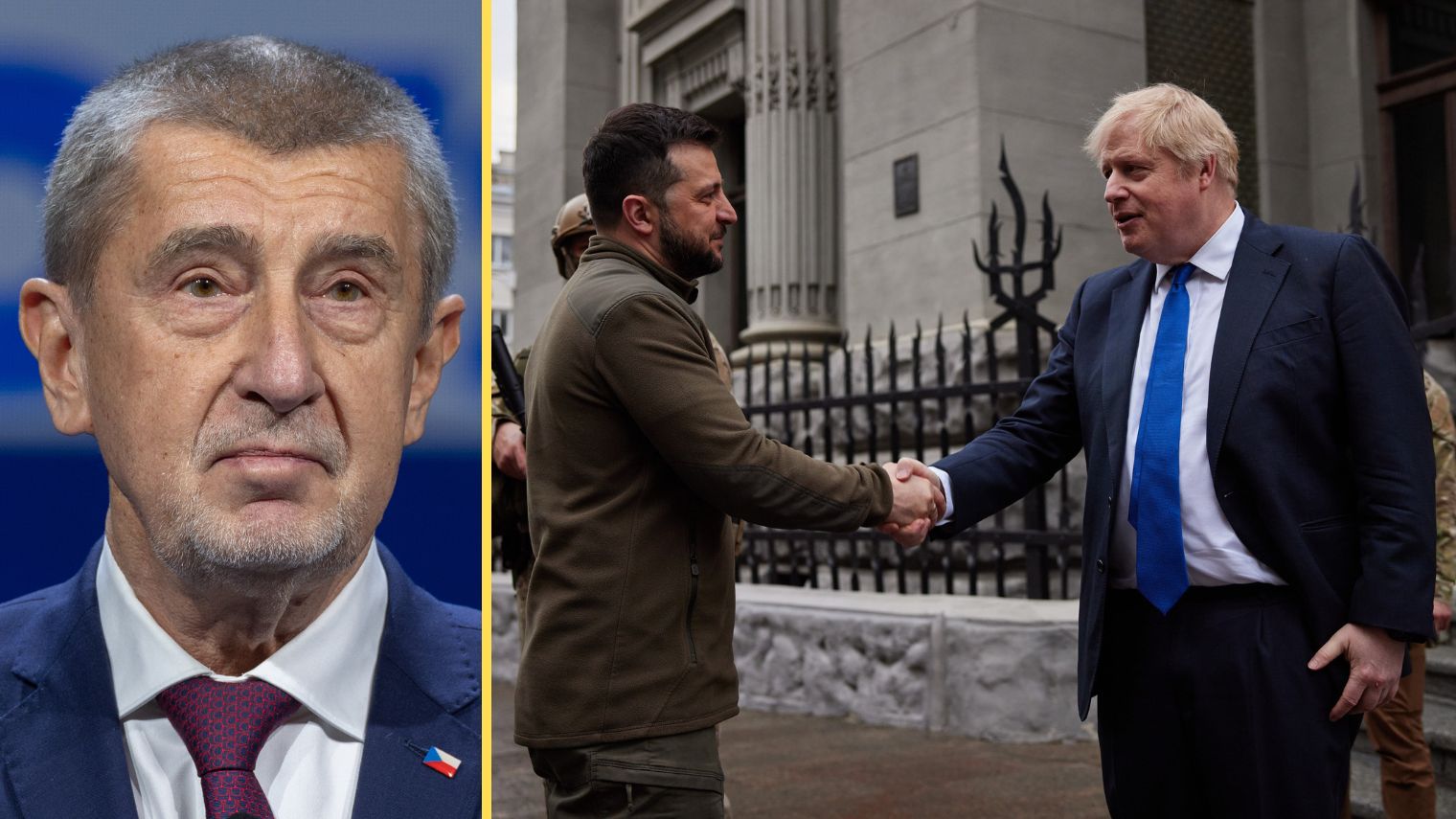
Czech Prime Minister Andrej Babiš claims that Russia and Ukraine were close to a peace agreement in the spring of 2022 – but that it was stopped by Britain’s then-Prime Minister Boris Johnson. Similar criticism has also been leveled at Johnson by Israel’s former Prime Minister Naftali Bennett.
It was in an interview with the Czech media outlet Nova in February that the country’s new prime minister Andrej Babiš, who also governed between 2017 and 2021, said that the opportunity for peace between Russia and Ukraine in the spring of 2022 suddenly disappeared.
According to Babiš, Ukraine and Russia were very close to a peace agreement after negotiations in Istanbul in April 2022. However, he asserts that the process was interrupted due to intervention by Ukraine’s NATO partners – particularly then British Prime Minister Boris Johnson, who he claims made sure the negotiations were not completed after his visit to Ukraine. This is reported by Ukrainian media.
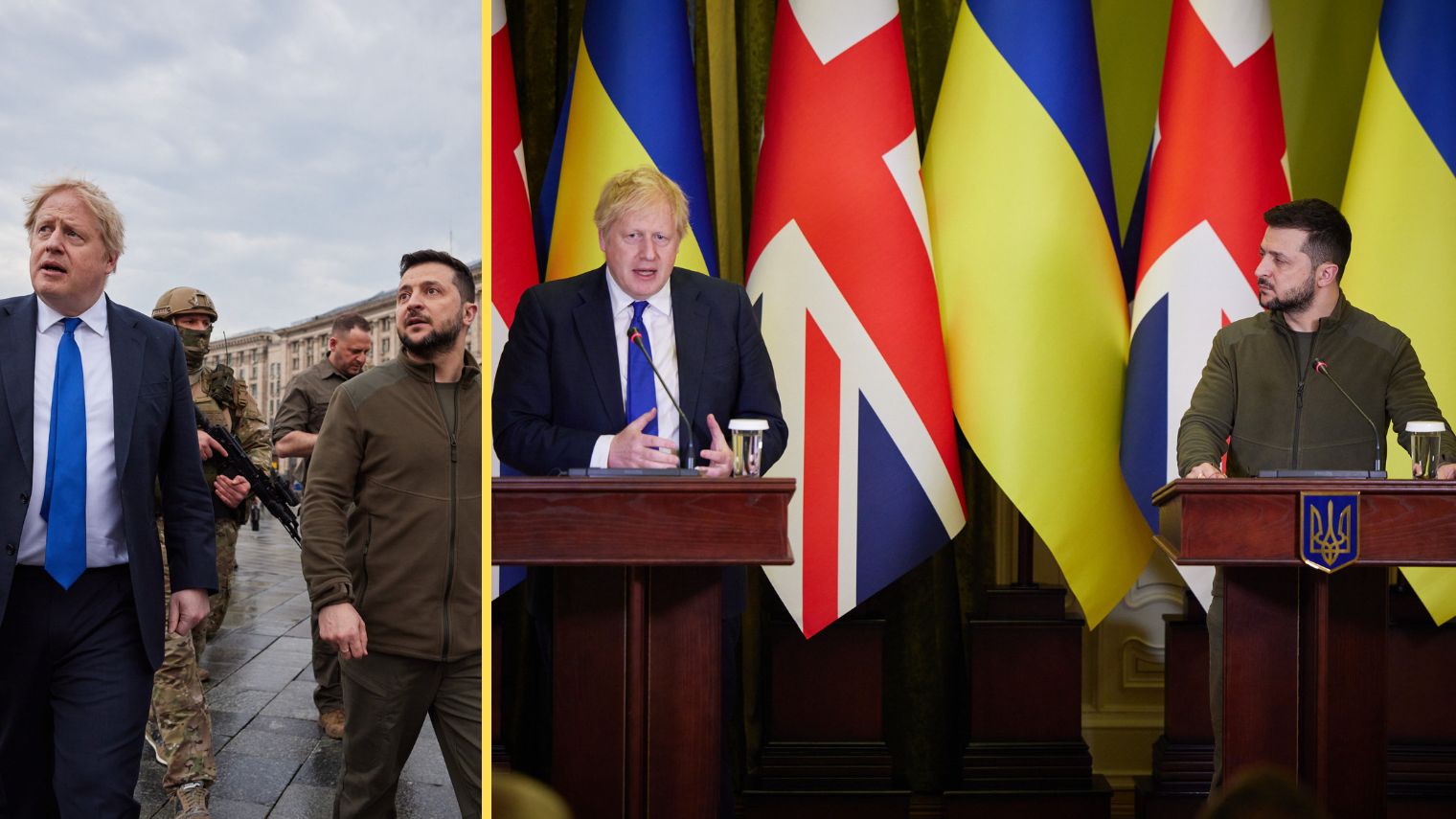
At the same time, Babiš emphasized that diplomatic efforts to end the war have now increased. However, he does not believe that Europe alone can bring the conflict to an end and describes U.S. President Donald Trump as a crucial actor.
– The negotiations are intensive. It seems they are approaching some long-term solution, to end the war and create stable security guarantees for Ukraine. But Europe will not be able to do this without Donald Trump, said Babiš in the studio, as noted by Ukrainian media.
The Prime Minister also called on European countries to resume direct contact with Russia’s President Vladimir Putin, which he sees as a necessary condition for even achieving a ceasefire.
Critical of the Handling of the War
Even while Andrej Babiš was in opposition, he took a more restrained stance in the Ukraine conflict than the then Czech government. During the 2023 presidential campaign, Babiš emphasized that he did not want to “drag the Czech Republic into a war” and stressed diplomacy as the way forward.
Furthermore, Babiš has also questioned the extent of military support to Ukraine. Ahead of the 2025 election, he said that his government would not provide Ukraine with “a single crown” in state-funded weapons deliveries. At the same time, he has underlined that the Czech Republic can continue to contribute within the EU framework and that the war must first come to an end before major steps toward integration, such as Ukrainian EU membership, become relevant.
Israel: The West Blocked Peace Deal
Andrej Babiš is not alone in blaming the former British Prime Minister. In a lengthy 2023 interview, Israel’s former Prime Minister Naftali Bennett, who took part in peace contacts and met with both Russia’s and Ukraine’s presidents, revealed that Western leaders blocked a ceasefire and a possible peace agreement between the countries.
Bennett said he was in close contact with the U.S., U.K., France, and Germany during the negotiations. According to him, Britain’s then Prime Minister Boris Johnson pushed for the West to adopt a more aggressive stance toward Russia—a position that U.S. President Joe Biden was also open to—while France and Germany were more restrained.
According to Bennett, who acted as a mediator at the beginning of the war, Boris Johnson was a driving force in the line to “crush Putin.”
READ MORE: Israel’s former Prime Minister: “The West blocked peace agreement between Russia and Ukraine”