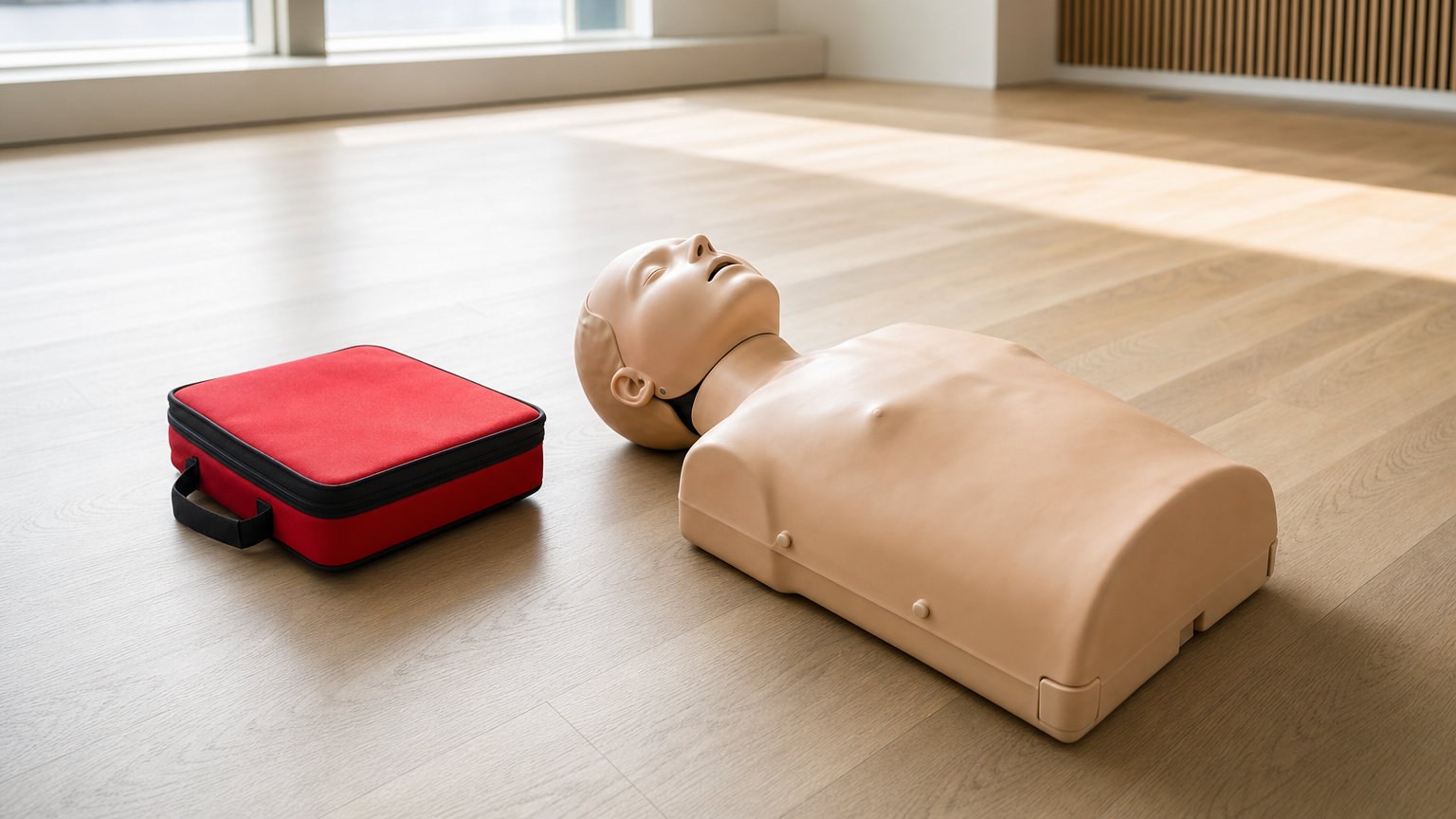

Having the right knowledge of cardiopulmonary resuscitation is crucial in emergency situations where every second counts. Many people in Stockholm realize the importance of following up-to-date CPR advice but are affected by myths and uncertainty. CPR training highlights facts and overcomes misconceptions that might otherwise hinder necessary actions.
In emergencies, people are often affected by sudden cardiac arrest, where swift intervention can mean the difference between life and death. Yet, many misunderstandings about CPR circulate in society and can contribute to insecurity. That’s why it is essential that Hlr experten and other organizations in Stockholm work to increase public knowledge. By participating in a CPR TRAINING IN STOCKHOLM, more people learn how to recognize cardiac arrest and act with the correct technique without being held back by false beliefs.
Common Myths About CPR and Their Consequences
Many believe it’s risky to intervene and that incorrect CPR may cause more harm than good. In reality, the risk of serious injury is small, and it is often much more dangerous not to act at all. Research shows that early chest compressions significantly increase the chances of survival.
Another persistent myth is that rescue breaths are always required. For adults with sudden cardiac arrest, chest compressions alone are recommended in most cases, especially for untrained responders. Many who have completed a CPR TRAINING IN STOCKHOLM report that after the education, they feel more confident in what’s required and are quicker to act.
Yet another widespread misconception is that only medical professionals have the right skills to perform CPR. This is a dangerous myth that can result in valuable minutes lost while waiting for an ambulance. The reality is that everyone can learn basic CPR techniques, and interventions by bystanders are often crucial for survival. Statistics show that survival rates after cardiac arrest outside of hospitals can double, or even triple, when the public intervenes immediately with chest compressions. Training provides just the practical experience needed for ordinary people to feel capable of acting, regardless of previous medical experience.
CPR Training Counteracts Uncertainty and Makes a Difference
Attending a CPR TRAINING IN STOCKHOLM means participants receive a practical and up-to-date overview of recommendations. The training provides answers to questions, demonstrates techniques, and dispels misconceptions from TV or routine assumptions. It gives both confidence and security to take action during sudden cardiac arrests.
Many misconceptions concern the signs of cardiac arrest, fear of broken ribs, or concerns about legal responsibility when intervening. During training, instructors explain how real situations may look and emphasize that helpfulness is guided by concrete guidelines and legislation. This knowledge significantly reduces anxiety and encourages more people to step in.
The Importance of Defibrillators and Feeling Secure When Intervening
There is a false belief that defibrillators can start any heart, but these machines only deliver a shock if there is a treatable rhythm. They are also designed to be simple and safe to use, even for beginners, which everyone gets to practice during a course focused on practical exercises.
A common concern is about legal liability. In Sweden, rules are clear: it is very rare for anyone to face legal consequences for attempting to help in an emergency. This encourages greater courage and leads more people to intervene without fear of consequences.
Long-term Impact of Proper Training and Spreading Knowledge
The more people who are trained in CPR, the greater the sense of security and readiness in society. Fresh research and updated guidelines are rapidly integrated into courses, ensuring participants get the information needed to act correctly under pressure. Heart problems often arise due to lifestyle and diet, but when an emergency occurs, there is comfort in having prepared people around you.
The effects of fact-based education go beyond the course itself. When correct knowledge is spread and misconceptions are challenged, it becomes easier for people to intervene quickly and effectively in emergencies, ultimately saving more lives.
