Social relationships and personality have a greater impact on people’s well-being than income and economic factors. That is according to a new study from Lund University, where researchers analyzed responses from over 34,000 Swedes between 2006 and 2024.
The study investigated which factors are most strongly linked to how people experience their lives, their life satisfaction, and their sense of meaning. The researchers found that the quality of social relationships is one of the most important factors for well-being. Loneliness showed a particularly strong association with lower quality of life.
At the same time, economic factors such as income were found to matter significantly less than relationships and personality when the researchers compared different variables to each other.
Personality traits also played a major role. People with high levels of worry and emotional instability consistently reported lower well-being. By contrast, the link between well-being and being social or outgoing was weaker than what previous research has often shown.
READ ALSO: Study: The less social media – the better well-being
One of the most talked-about results of the study concerns differences between generations. The researchers observed that young adults since around 2020 report significantly lower well-being than older people. This shift coincides with the coronavirus pandemic, and the researchers point out that many young people lost important social contexts during a crucial period in life.
The study also reveals that people in their 20s experience greater loneliness than those aged 80 or over.
– What surprised us most was how clearly young adults stood out. Historically, young people have often had broad social networks and a strong faith in the future. Now, we almost see the opposite, says psychology researcher and co-author Petri Kajonius.

The Middle Fare Best
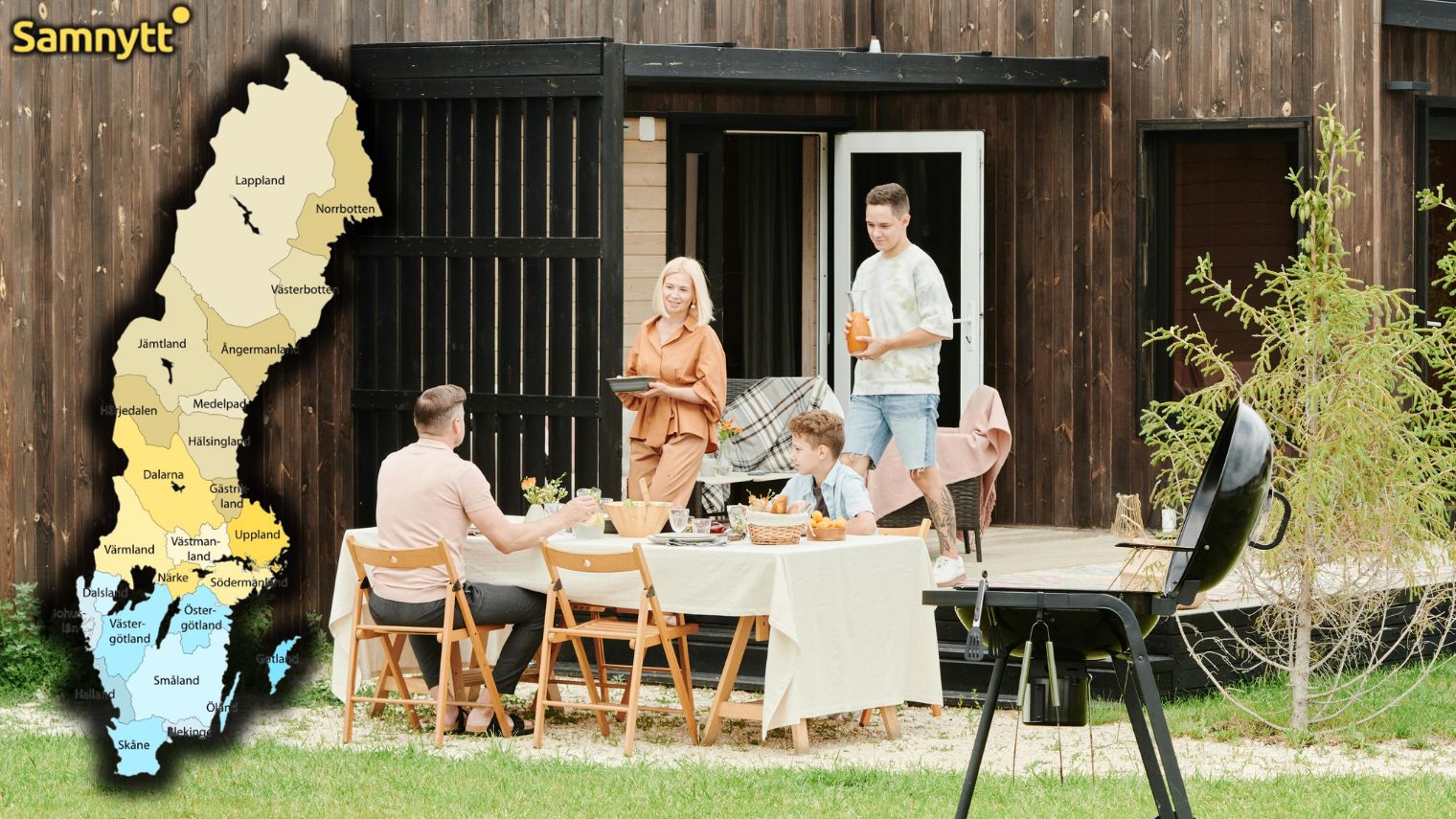
There were also geographical differences. Residents of Halland, Skåne, and Jönköping County reported higher well-being than the national average, while people in Västmanland County scored lower.
The researchers also noted that people who identify politically in the center of the political spectrum, on average, reported higher well-being than those who place themselves further to the right or left.
– You could almost sketch a statistical ideal person from the results: an emotionally stable elderly resident of Halland, with good relationships, and who is politically positioned in the middle, says August Nilsson, one of the researchers behind the study.
The study is based on data from the Global Flourishing Study and the Gallup World Poll. The researchers used a machine learning model to analyze which factors best explain differences in Swedes’ well-being. The conclusion is that strong relationships, low loneliness, and emotional stability weigh more heavily for people’s quality of life than material circumstances such as income.
READ ALSO: 85-year-old study answers the question of what happiness is