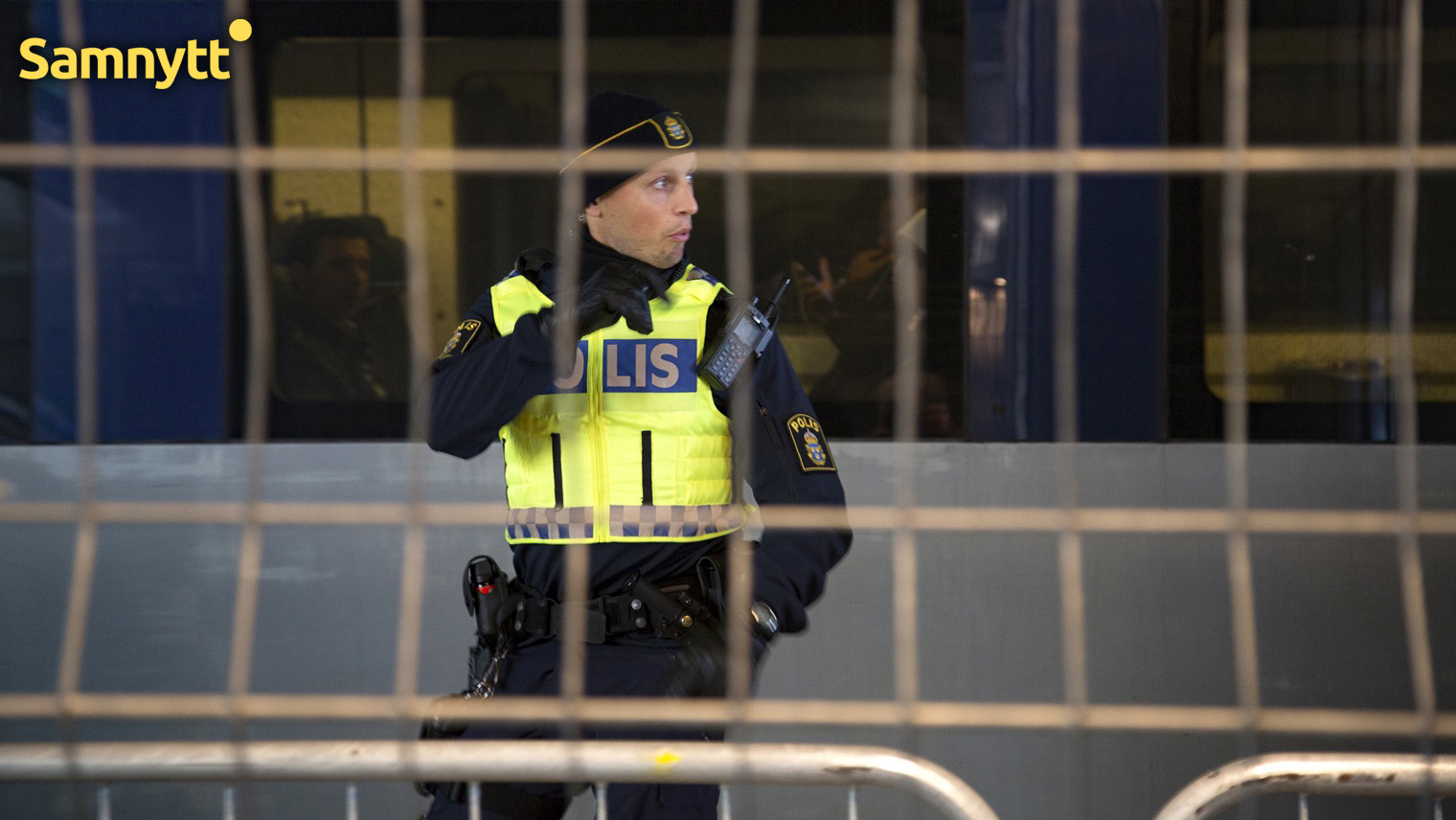
The EU Commission, after more than ten years, wants to see an end to Swedish border controls regarding who and what crosses in and out of the country. Critics argue that Brussels is now prioritizing free movement and its own prestige over member states’ ability to assess their security needs themselves.
What was introduced as a temporary measure during the migration crisis in 2015 has been deemed necessary by the Swedish government, parliament, and authorities to become a permanent part of Sweden’s border policy. Now, the EU Commission wants Sweden – together with eight other European countries – to dismantle their internal border controls within the Schengen area and let everything flow freely across the border.
The message from Brussels is clear – the long-standing controls are no longer considered sufficiently justified. At the same time, the announcement is drawing criticism from those who argue that the EU Commission is, in practice, trying to dictate Swedish security policy, despite continued extensive cross-border crime and illegal immigration.
‘Temporary’ controls now in the eleventh year
When Sweden reintroduced border controls in the autumn of 2015, the purpose was to handle the acute migration situation. The controls were supposed to be short-term but have since been extended repeatedly by different governments.

The EU Commission has now reviewed the situation according to Schengen’s border rules, which require a special assessment when a country has had internal border controls in place for more than a year on the same grounds. In addition to Sweden, this also includes Germany, France, Denmark, the Netherlands, Italy, Austria, Slovenia, and Norway.
Brussels refers to ‘successes’
The Commission’s conclusion is that the controls should begin to be phased out. The EU Commission refers to what it describes as its own clear progress in the Union’s migration and border policy. According to the Commission, illegal border crossings have decreased sharply this year, though from a very high level.
However, critics question how reliable these figures actually are. The data is largely based on estimates and registered discoveries, while the amount of unrecorded illegal migration is considered significant.
READ ALSO: Incorrect payments of millions halted after tip-offs from border control
Meanwhile, problems with organized smuggling across Europe’s internal borders persist. Illegal weapons and narcotics continue to be brought into Sweden, while stolen goods and other criminal proceeds are transported out of the country on an industrial scale by international networks. Despite this, the Commission believes the current situation calls for a scaling back of controls.

Critics argue that the current decision is rooted in Brussels’ self-interest in signaling that the Union’s new migration strategy works. The Commission itself describes developments as a result of ‘our new strategy’ and that allowing continued border controls would signal the opposite – that member states do not agree the strategy has been as successful as Brussels would like to claim.
Sweden criticized for lack of supporting evidence
In its statement to Sweden, the Commission believes the government has not clearly enough explained why the controls need to continue. Sweden and Norway are also criticized for failing to submit the required reports under the rules after long periods of controls. The Commission also points out that Sweden lacks the risk analysis that should be carried out when controls have lasted longer than six months.
Brussels instead points to other methods it believes should be used, including police controls in border areas and increased intelligence cooperation between countries. But such methods are already widely used in combination with the tougher border controls Brussels now demands be abolished.
Deteriorating security situation persists
The Swedish government, for its part, has justified the most recent extensions with a deteriorating security situation and growing cross-border crime. In the government’s latest decision, references are made to international criminal networks, terrorist threats at an elevated level, and information that foreign powers are trying to exploit Swedish gang environments for their own purposes, including the Muslim dictatorship regime in Iran.
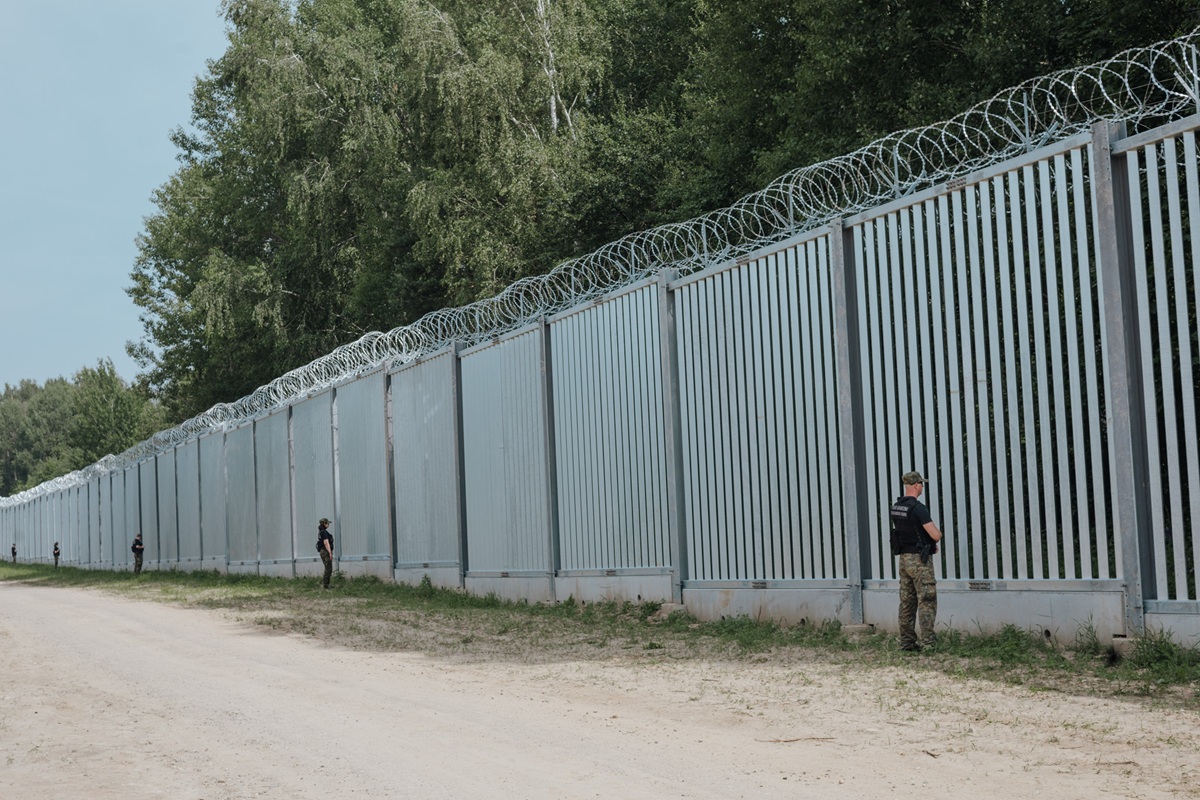
The EU Commission does not dispute the existence of threats. However, it claims the right to question national governments’ assessments of whether border controls are the right tool. Critics argue that this reasoning ignores the reality along Europe’s open borders, where police and customs authorities already struggle to deal with large-scale smuggling of drugs, weapons, and people.
Denmark used as an example
The Commission also uses Denmark in its argument against Sweden. Denmark has chosen to remove its controls with Sweden and refers to effective police cooperation. From Brussels, this is used as proof that alternative solutions can work even without permanent border controls.
READ ALSO: The government and the Sweden Democrats reinstate internal border controls
But opponents to removing border controls argue that Sweden’s situation differs from many other countries, not least due to serious organized crime and the security problems that have developed in recent years.
Sweden can ignore the recommendation
The EU Commission’s statements are formally not binding. The Swedish government still decides whether the controls should be extended or removed.
However, the message from Brussels also means increased pressure on Sweden to comply with the Union’s view on the Schengen cooperation and free movement.