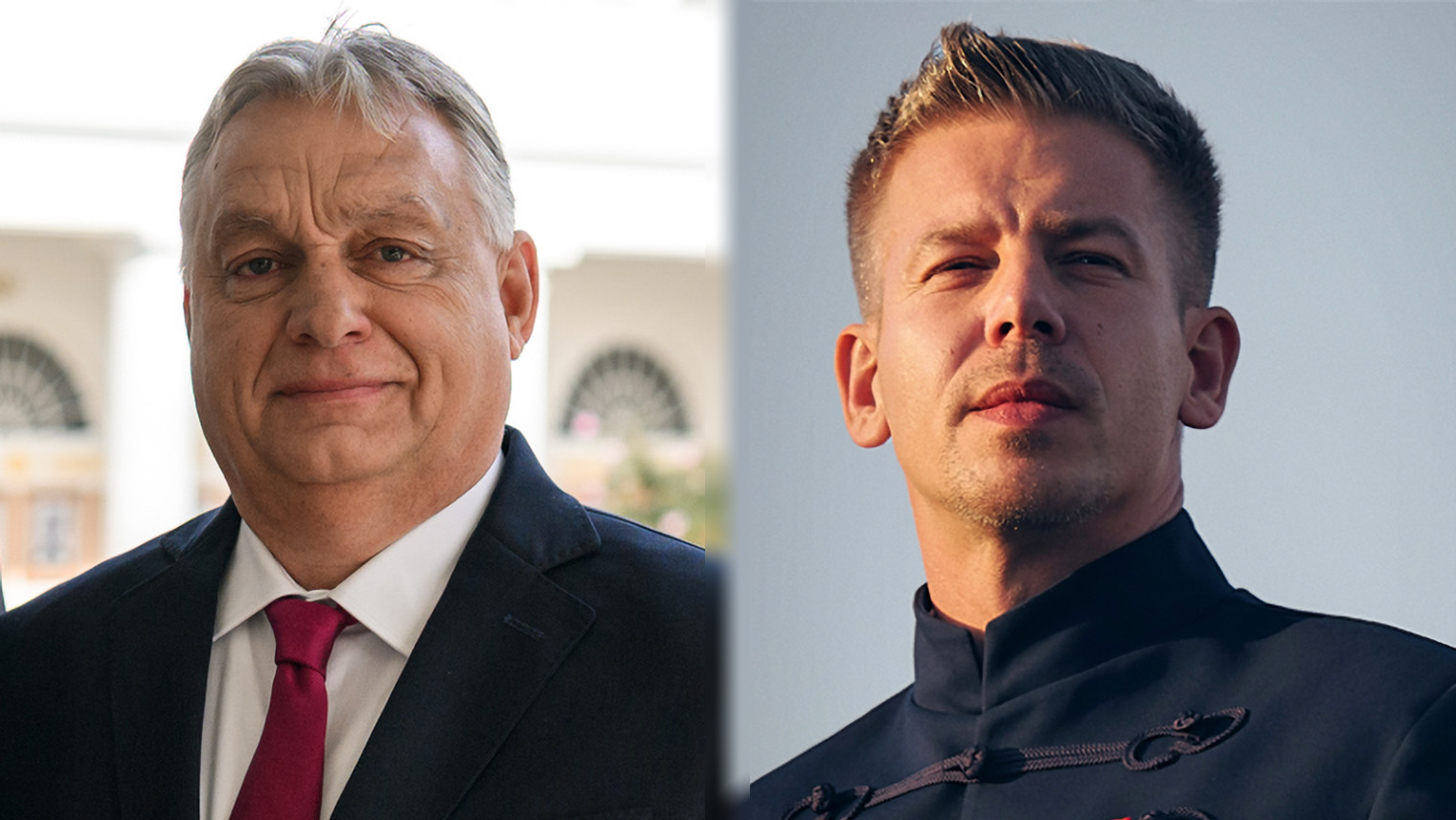
In the run-up to Hungary’s decisive weekend election, the rhetoric has intensified sharply. Prime Minister Viktor Orbán warns of external and internal threats to the country’s stability—while opposition leader Péter Magyar accuses the government of disinformation and electoral manipulation.
The political temperature in Hungary is rising rapidly ahead of Sunday’s election. In a widely noted video speech, Prime Minister Viktor Orbán issued a direct appeal to voters—painting a picture of a nation under threat.
Orbán emphasized the government’s achievements during his 16 years in power, from economic reforms to social initiatives. At the same time, he warned that these gains are now at risk.
“On Sunday, we are not only choosing a government, but a fate for our homeland,” Orbán said in the speech.
He highlighted, in particular, measures such as “sending the IMF home, taxing banks and multinational corporations,” as well as building up economic stability and increasing employment.
Orbán: “Organized attempts” to undermine the election
The core of Orbán’s message, however, was a warning. According to him, Hungary is threatened not only by war and a forthcoming European energy and financial crisis but also by political opponents.
“This is an organized attempt to challenge the decision of the Hungarian people through chaos, pressure, and international smear campaigns.”
He accused the opposition of cooperating with foreign intelligence services, threatening government supporters, and preparing to challenge the election outcome before the votes are even counted.
The message aligns with the Fidesz-KDNP government party’s campaign strategy, in which the election is presented as a choice between stability and uncertain change.
Polls put pressure on the government
The reason for the escalating rhetoric is an unusually tight opinion poll landscape. Several surveys indicate that the opposition party Tisza, led by Péter Magyar, holds a lead among decided voters.
According to reporting from, among others, Reuters, Tisza sits at about 50 percent among determined voters, compared with around 37 percent for Fidesz. This has fueled speculation that Orbán may face his first election defeat since returning to power in 2010.
Opposition: “The people will decide”
Péter Magyar quickly responded to Orbán’s statements, partially turning his message back on the government. He agreed on the need for national unity but at the same time accused the government of numerous irregularities—from disinformation campaigns to election fraud.
READ ALSO: US Vice President JD Vance: EU and Ukraine are trying to influence Hungary’s election
Magyar also called for calm on election day and stressed that the voters themselves will decide the country’s future.
An election about more than just power
The latest exchange illustrates how the election in Hungary is not just about who wins—but also how the result will be interpreted. Orbán ended his speech with a clear appeal.
“This is not the time for division… Hungary now needs cooperation, unity, and security.”
He called on voters to mobilize their networks and presented the government coalition as “the safe choice.”
READ ALSO: This is how the EU plans to deal with Orban in the event of an election win
With a polarized political climate, a close race in the polls, and mutual accusations of irregularities, Hungary now heads into one of its most decisive elections in decades.