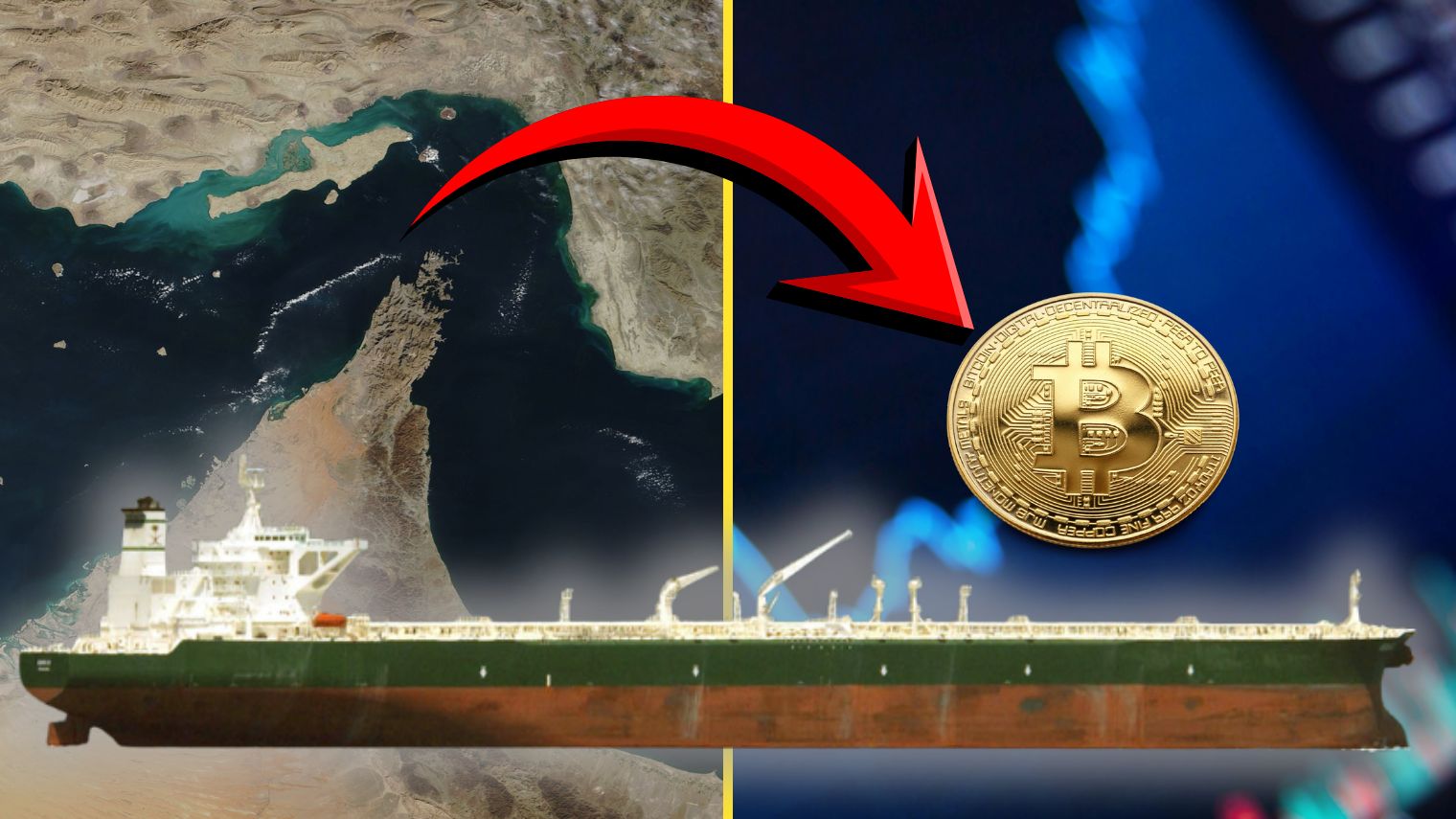
Iran has demanded that customs fees for oil tankers passing through the Strait of Hormuz be paid in cryptocurrency, according to a report from the Financial Times on Wednesday. The measure is part of Tehran’s strategy to maintain control over the strategically vital waterway during the ongoing two-week ceasefire.
Earlier this week, ships in the Persian Gulf received a radio transmission warning that they risked military attacks if they transited without approval from Iranian authorities, reports the Financial Times, which has obtained a recording of the broadcast.
U.S. President Donald Trump wrote on social media Tuesday evening that a ceasefire is contingent on the immediate and safe opening of the Strait of Hormuz.
Simultaneously, Iran’s Supreme National Security Council published a list of ten points that will form the basis for continued negotiations with the United States. Among these is a new “protocol for safe passage” through the strait, to be coordinated with Iran’s armed forces.
READ ALSO: Trump: Two Weeks’ Ceasefire with Iran
According to the Financial Times, Western shipowners are taking a cautious stance as they await clarity on how and when the Strait of Hormuz might reopen for traffic. At present, no ships have transited the strait except for two vessels connected to Iran.
The Danish shipping company Maersk, the world’s second largest, states that it is working swiftly to clarify the terms that will apply to passage.
In an interview with the Financial Times, Hamid Hosseini, spokesperson for Iran’s trade organization for exporters of oil, gas, and petrochemical products, described the requirements being set. The organization, which has close ties to the Iranian regime, asserts that it will monitor the area.
“Iran needs to monitor what comes in and goes out of the strait to ensure that these two weeks are not used for arms shipments,” said Hamid Hosseini.
Payment in Bitcoin—$1 Per Barrel
According to the Financial Times, Hosseini stated that each tanker must email the Iranian authorities with information about its cargo before passage. Iran will then inform them of the customs fee to be paid—which must be settled in cryptocurrencies.
The rate is set at $1 per barrel of oil, Hosseini said, and empty tankers are permitted to pass free of charge.
“When the email arrives and Iran has completed its assessment, the ships have just a few seconds to pay in bitcoin, which ensures they cannot be traced or confiscated due to sanctions,” Hamid Hosseini told the British business daily.
READ ALSO: Chief Economist: Iran War Could Deal Economic Blow