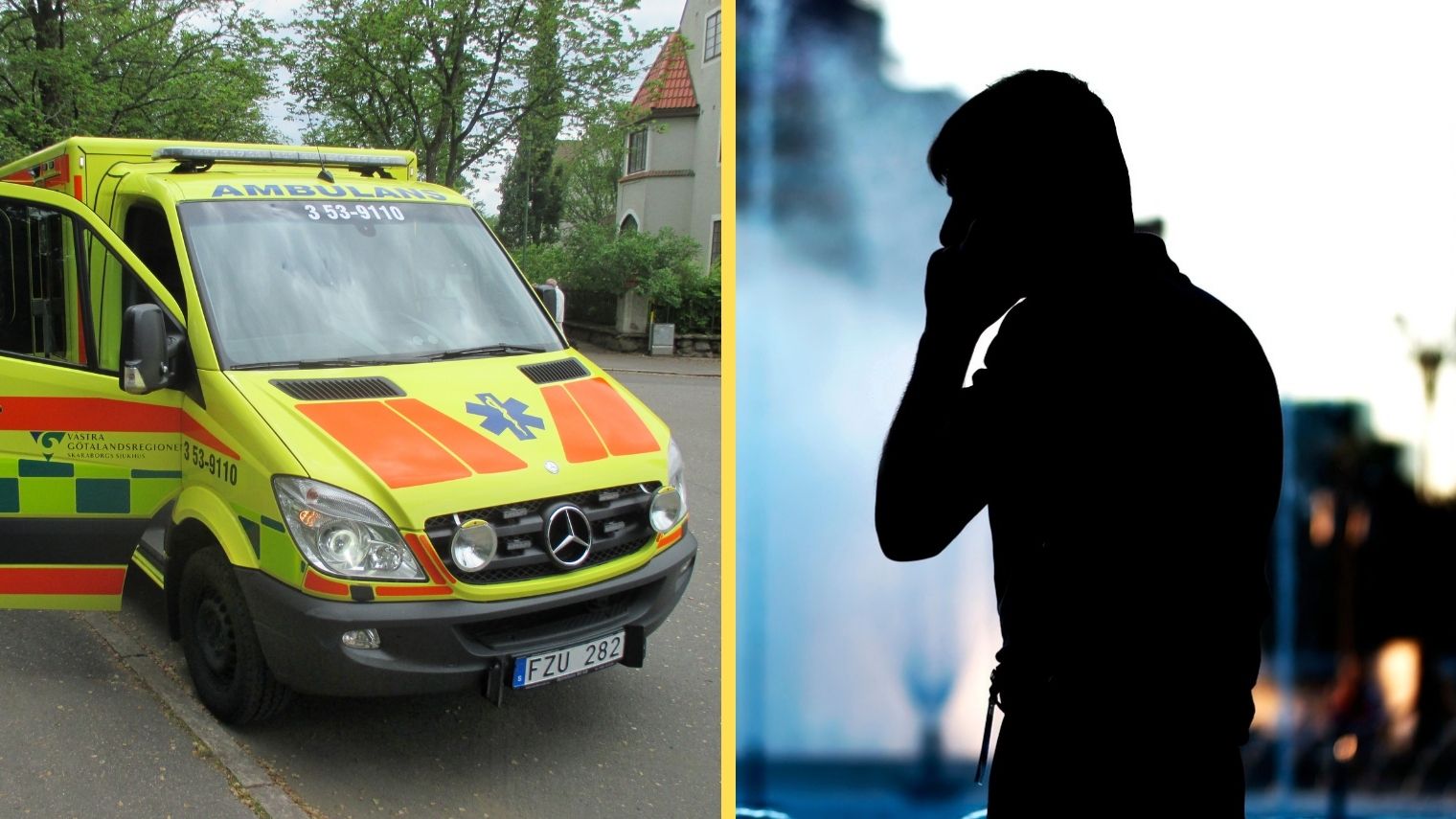
According to a new study from Örebro University, a small group is responsible for almost a third of all ambulance calls. The results also show that other forms of care can, in some cases, better meet the needs of these patients.
The study is based on registry data from the ambulance service in the Örebro County region during the years 2020-2022. Of the more than 41,000 patients who called for an ambulance, 8.4 percent were classified as frequent users, yet they accounted for nearly a third of all dispatches.
“It concerns a rather small, but heterogeneous, group of people who account for a large share of the ambulance service’s assignments,” says Karin Hugelius, researcher in crisis management and disaster medicine at Örebro University and ambulance nurse for the Örebro County region.
The researchers divided the frequent users into two groups: frequent and high-frequency. Frequent users made between four and eleven ambulance calls per year, while high-frequency users made twelve or more.
READ ALSO: Here, the ambulance is blocked by climate extremists
“We found clear differences within the group. The frequent users often had respiratory problems, seizures, and abdominal pain. Most were also transported to the emergency department,” says Karin Hugelius.
For the high-frequency users, it was more often a matter of mental health issues and the influence of alcohol, medication, or drugs, and these patients were more often transported to a psychiatric emergency department.
Other studies on ambulance care have observed patterns related to the timing of ambulance calls in relation to time of day or the opening hours of health centers, but this was not observed here. According to Hugelius, this suggests that frequent ambulance calls are not primarily due to other healthcare being closed, but because patients have recurring and complex care needs regardless of the time of day.

Other Forms of Care
The results of the study also show that in some cases, other forms of care may meet this group’s needs better than ambulance services, and this is something the Örebro County region has already begun investigating.
“The study gives us a better understanding of which patients frequently use ambulance services and what their needs look like. This can help healthcare to plan interventions, provide care at the right level, and possibly reduce the burden on ambulance services,” says Karin Hugelius.
Between 2020 and 2022, 73,461 ambulance missions were carried out for 41,407 unique patients. Of these patients, 8.4 percent were frequent users (7.9 percent moderately frequent and 0.5 percent highly frequent), but they accounted for 29.0 percent of all ambulance missions. The remaining 91.6 percent were infrequent users and accounted for 71.0 percent of the missions.
Among the frequent users, the missions more often ended with transport to the emergency department, while the highly frequent users were more often transported to a psychiatric emergency department.
READ ALSO: One ambulance on duty in Stockholm: “Completely unacceptable”