COLUMN • The UN was created to ensure peace and defend human rights. Today, the organization is characterized by politicization, corruption, double standards, and a growing dependence on funding that it can no longer take for granted. The question is not whether trust is eroding – but how much remains.
What was once presented as the world’s moral backbone is now in acute decay. The United Nations faces not only a crisis of confidence but also economic collapse.
The UN was formed in the aftermath of World War II in an attempt to create a stable international order where conflicts would be resolved through cooperation rather than war.
The predecessor, the League of Nations, had already been tested after World War I but failed spectacularly to stop aggression from totalitarian states during the 1930s. The experience of that breakdown formed the basis for the ambition to create something stronger, more effective, and more anchored in international law.
The result was the United Nations – an organization meant to secure peace, promote human rights, and serve as a :censored:6:cdd6bbaa89: counterbalance to the kind of abuses of power that had previously led the world into catastrophe.
Now, as the United States, the organization’s single largest funder, effectively withdraws its support, a reality is laid bare that has long been known but rarely stated – the UN is no longer a functioning institution. It is a system living on past achievements, but one that is, in practice, defined by inefficiency, politicization, and outright corruption.
The UN’s structure is based on a post-war order that no longer exists. The world has changed, but the organization has not. Instead, it has become a platform where states with no respect for democracy or the rule of law are given influence over norms they themselves violate.
Jonas Andersson
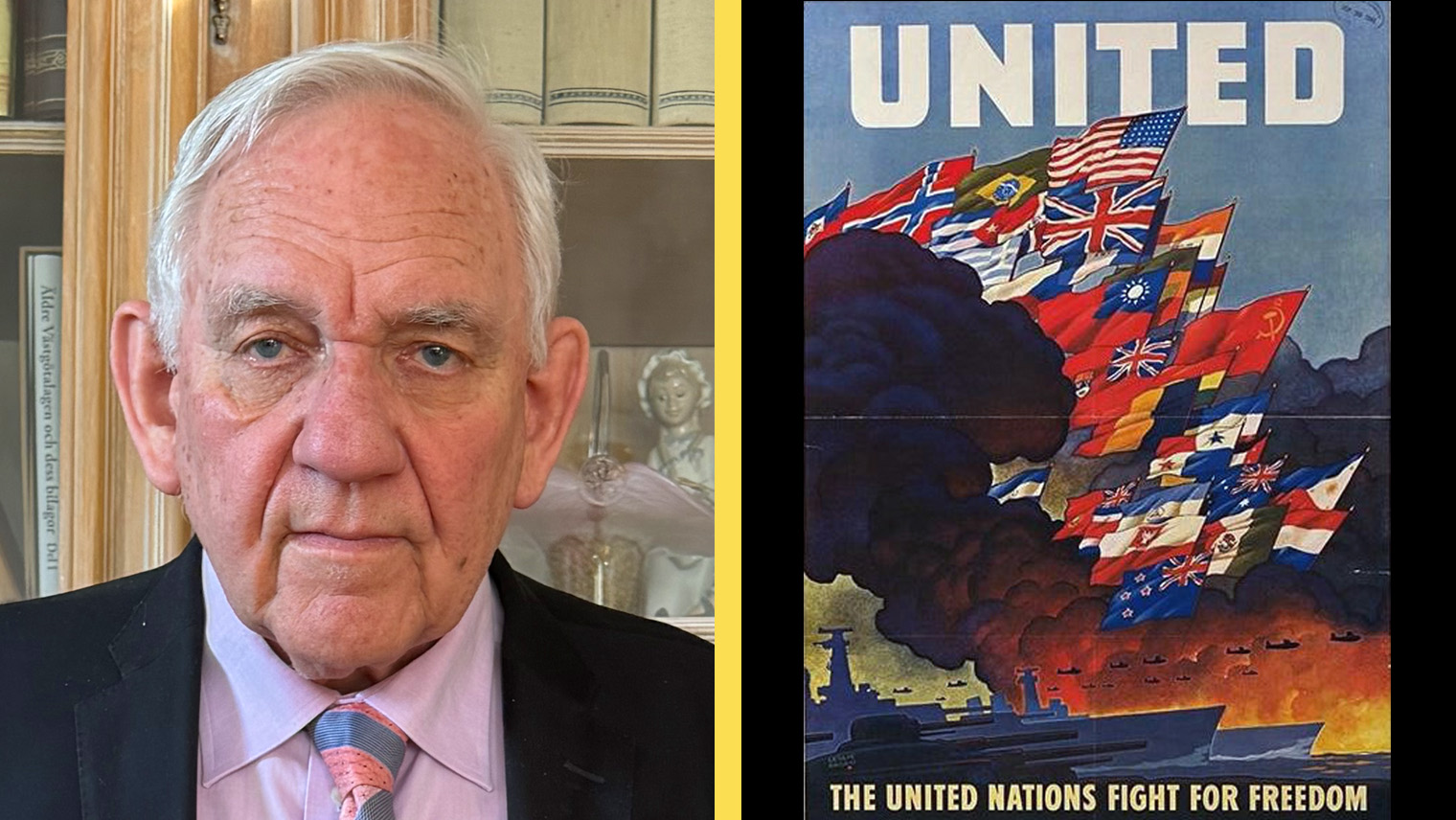
In a conversation I recently had with the expert in international law and former Foreign Ministry diplomat Bo Theutenberg, he described the development in unusually clear terms.
The UN, he argued, has gradually lost its role as a guarantor of international law and instead become an arena where power blocs, special interests, and authoritarian states push their own agendas. It’s hard to dispute this.
READ ALSO: Interview with diplomat Bo Theutenberg: Islamism is Changing Europe and “The UN is Practically Dead”
Islamists Defending Women’s Rights?
Take, for example, the UN Human Rights Council. Countries with documented and systematic abuses against their own populations sit as members – and are expected to act as guardians of human rights. It’s a setup that is not only contradictory but outright absurd.
Islamic states that base their legal systems on sharia – where women are systematically subordinated – are nevertheless given influence in :censored:6:cdd6bbaa89: negotiations on women’s rights. It’s not just a contradiction. It is an insult.
Or take UNRWA – the UN agency that for decades has been presented as a humanitarian aid body. But links to extremist groups, employees with ties to terrorist organizations, and educational materials spreading hate and antisemitism reveal a much darker picture.
While the Western world funds its activities, the structures only cement conflict rather than resolve it. A UN body claiming to stand for stability and humanitarian values, but repeatedly linked to the opposite, not only undermines its own mission – but the credibility of the entire organization.
In this light, the UN does not appear as a guarantor of order, but as an example of what happens when ideals are left to their fate. The question is not whether the organization will be reformed – but whether, in its current form, it is at all possible to save it.
Jonas Andersson
These are not isolated incidents. They are symptoms of a systemic problem. The UN is no longer a force for good.
READ ALSO: UN attacks the Tidö Government’s visitation zones: “Racial discrimination”
The UN’s structure is based on a post-war order that no longer exists. The world has changed, but the organization has not. Instead, it has become a platform where states with no respect for democracy or the rule of law are given influence over norms they themselves violate.
When Trump and the US now reduce their financial involvement, it’s not just about money. It’s a political message – patience has run out. And without American financing, the UN faces a reality that could long be postponed – that the organization is, in practice, dependent on a handful of Western countries for its survival.
READ ALSO: Trump at the UN: Mass immigration will lead the EU toward hell
The UN is Falling
What happens when they no longer want to pay? That question is anything but theoretical. UN representatives like to talk about the importance of multilateral cooperation, :censored:6:cdd6bbaa89: solutions, and shared responsibility. But credibility cannot be commanded. It must be earned.
And today, it is impossible to see that the UN has earned it.
When organizations that claim to defend human rights at the same time offer seats to regimes that systematically violate them, it doesn’t just erode trust in the UN – but in the whole idea of international institutions.
That’s where we are now. The UN is no longer a guarantor of peace, justice, and cooperation. Increasingly, it is seen as a political tool – and, in some cases, a facade.
When I spoke with Bo Theutenberg, he returned to this core point – international institutions can only wield authority so long as they manage to uphold the principles they are meant to protect.
READ ALSO: Sharp criticism of the UN report on starvation in Gaza
When these are hollowed out from within – through politicization, double standards, and lack of accountability – the systems lose legitimacy, no matter how solemn their charters once were.
In this light, the UN does not appear as a guarantor of order, but as an example of what happens when ideals are left to their fate. The question is no longer whether the organization will be reformed – but whether, in its current form, it is at all possible to save it.
Now that funding is also faltering and legitimacy is already gone, only one question remains:
How long until the UN finally collapses?